Today, Geely is one of the largest automakers in the world. The scale is easy to understand with a recent example: Renault introduced the Filante crossover, built on the CMA platform developed by Geely.
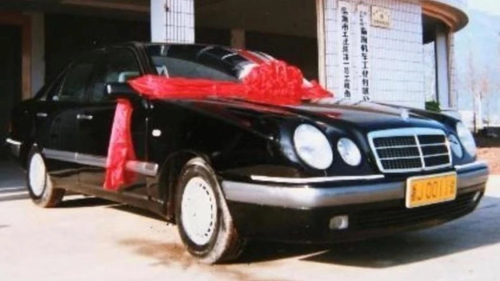
It's hard to believe that the current owner of Volvo, Polestar, Lotus, Zeekr, Lynk & Co, and a stake in Daimler AG started with a car that resembled a failed copy of the Mercedes-Benz E-Class (W210). It was with this controversial project that China's first private auto company began.
A "Mercedes" Clone Based on Audi: Geely's First Steps
The Man Who Dreamed of the Three-Pointed Star
The company's founder, Li Shufu, grew up in communist China but was interested in foreign cars from a young age. The Mercedes-Benz models were a symbol of success in those years, and the future billionaire had a special respect for them.
Against the backdrop of the PRC's car fleet of those years, German sedans looked like the embodiment of status and progress. The only exceptions were the government limousines Hongqi, which resembled elongated "Volgas," but they were intended exclusively for the nomenclature.
Shufu decided that China should produce its own cars of this level. By the early 1990s, he already had the means to try to realize this idea.
From Photo Studio to Industry
After university in 1982, Li bought a camera and started earning money by taking tourist photos. The business was so successful that he soon opened his own photo studio and became a wealthy man.
In 1984, the entrepreneur founded Zhejiang Huangvan Shiqu Refrigerator Company. Products under the Arctic brand sold well, but in 1989, the state changed the licensing rules, effectively prohibiting private firms from producing refrigeration equipment.
Having lost direction, Shufu switched to the production of building and finishing products from metals. But the idea of his own car did not let him go.
Through Motorcycles to Cars
An attempt to obtain a car manufacturer's license in the early 1990s ended in refusal. Then, in 1992, Li began producing motor scooters under the Geely brand — the name translates from Chinese as "lucky man." Honda acted as a partner.
It was on the basis of the motorcycle enterprise behind closed doors that the first Geely car was born. The work was completed in 1996. The inspiration was the new Mercedes-Benz E-Class (W210), which debuted a year earlier.
Number 01: A Strange Hybrid
The approach was simple: take a platform popular in China and put a body on it styled like a modern European sedan.
The chassis was borrowed from the Hongqi CA7220, which was a licensed version of the Audi 100 (C3). Production was handled by First Automotive Works.
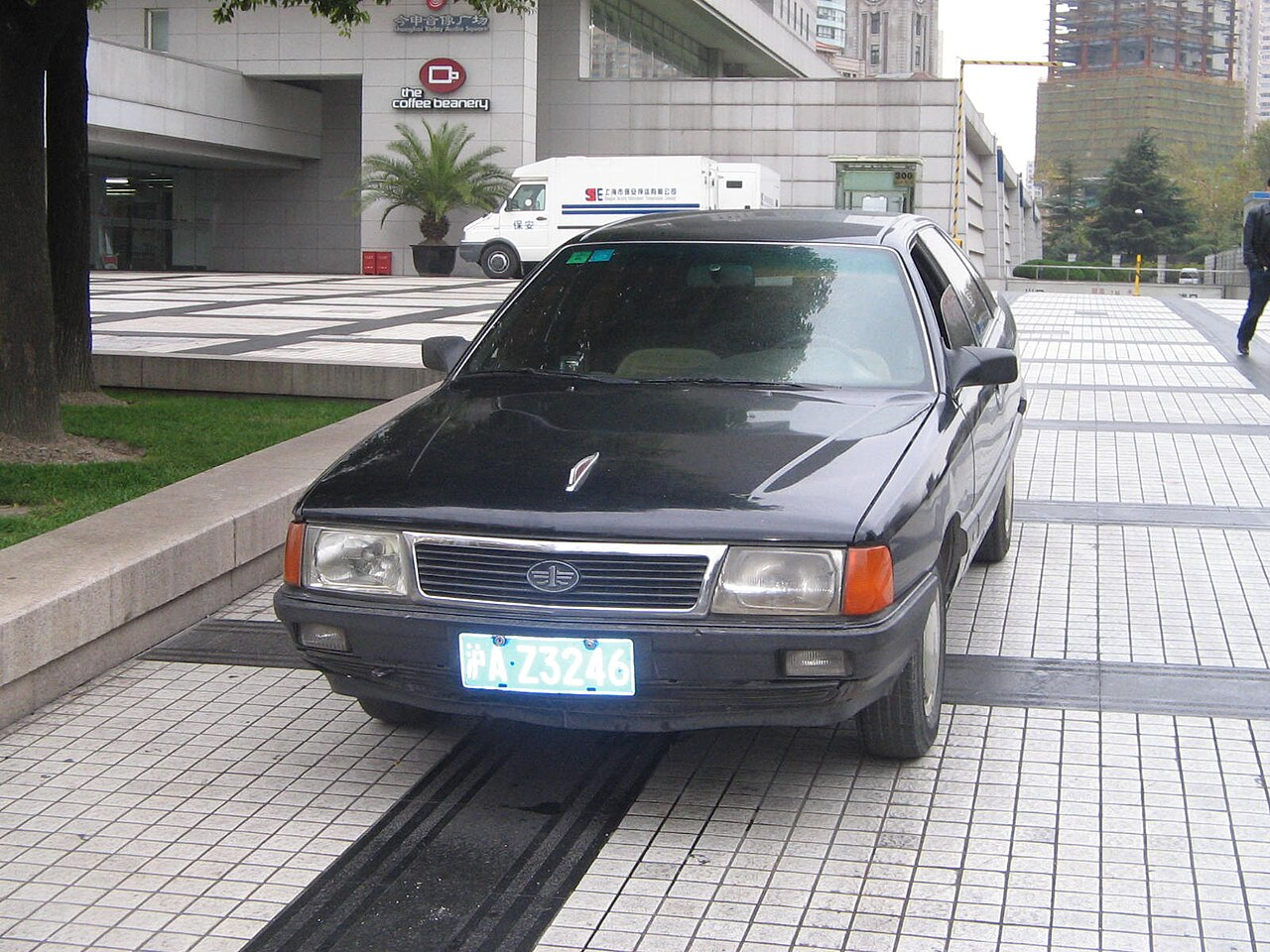
As a result, the "Chinese Mercedes" received front and rear subframes, an interior, and probably an engine from Audi. Geely made the body panels themselves from steel and fiberglass.
The proportions turned out to be controversial: a short wheelbase, an excessively long front overhang, and small wheels in huge arches. There was no question of passive safety calculations — deformation zones were not designed.
Fate of the Prototype
Despite the obvious similarity to the E-Class, Shufu was proud of the car and used it personally for some time. The project did not reach the assembly line, but it became the starting point for the future design of the brand.
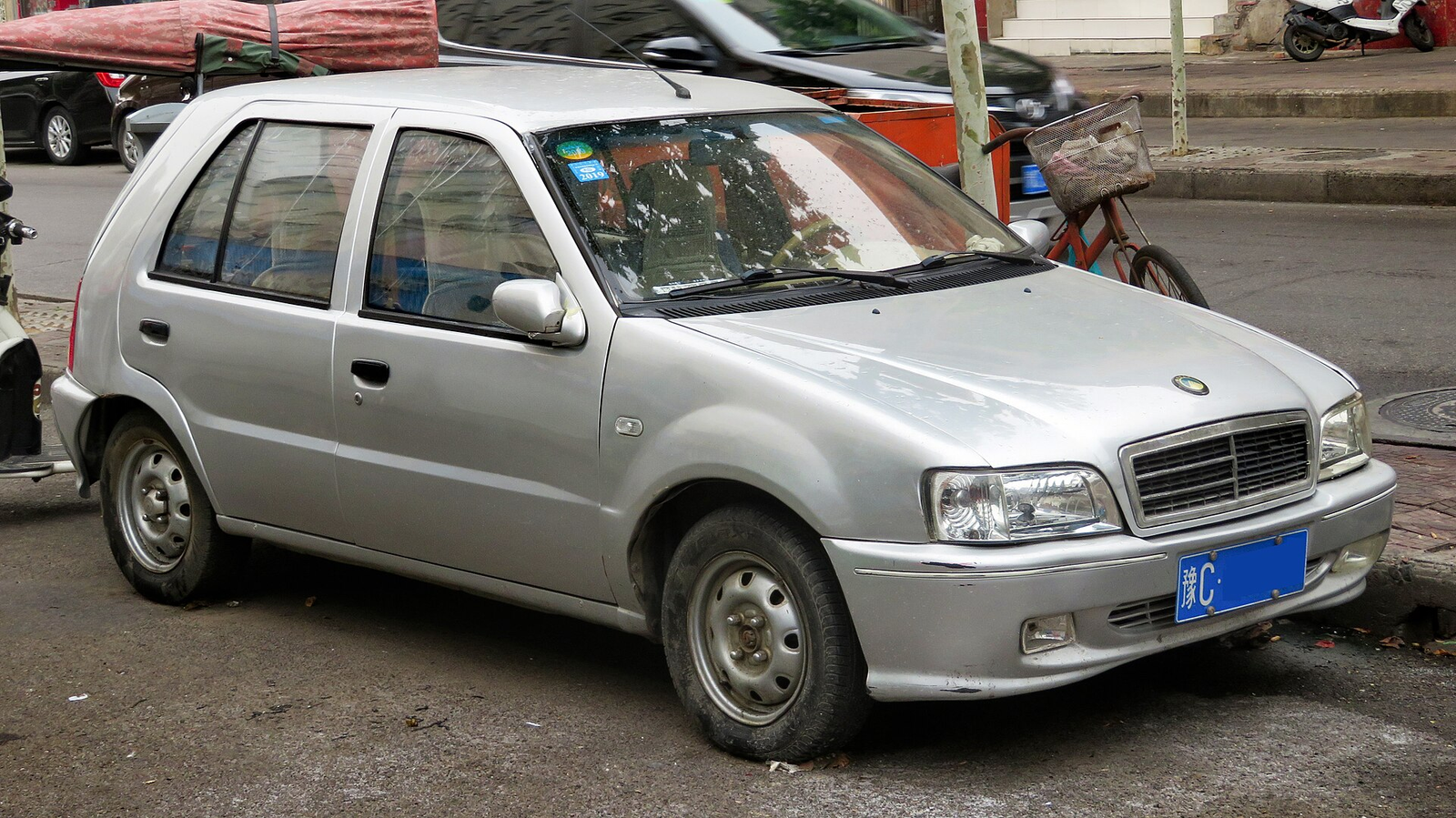
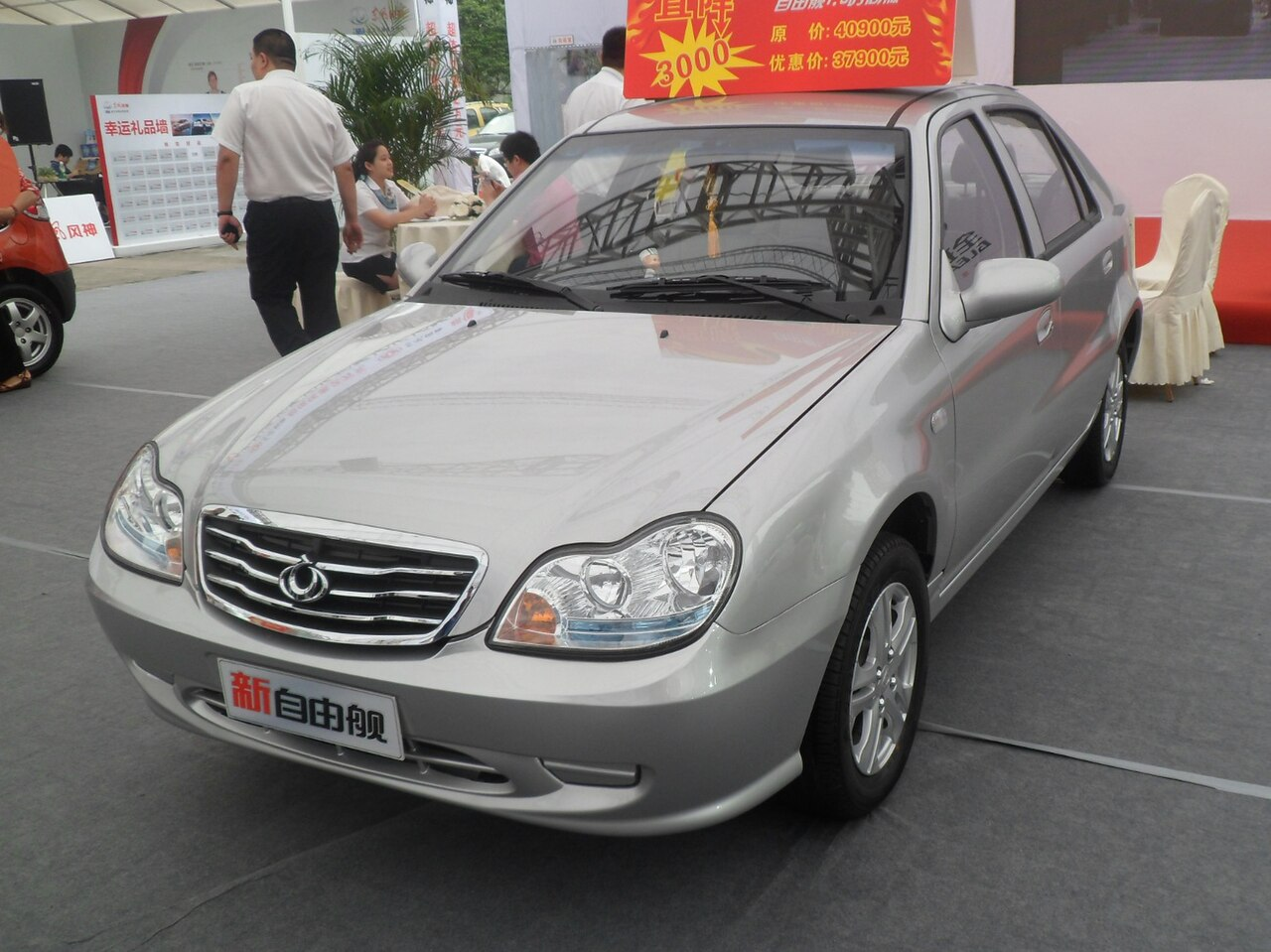
The first production car was the Haoqing hatchback, created on the basis of the Daihatsu Charade. Later, the Geely CK appeared, whose features resembled the Mercedes-Benz S-Class (W220).
The Number 01 prototype itself was last seen in 2009 — in a very neglected state. According to one version, it was disposed of, according to another, it is stored in the company's archives and will one day become a museum exhibit.
The automotive history of Geely began with outright imitation. But it was this clumsy sedan that became the first step towards the transformation of the company into a global player. The path from a homemade clone to the owner of European brands took less than three decades — and this is perhaps the main story of this history.
Read more materials:
- New Standard of China: Aluminum Body
- PSA and GM: Two Giants of the Automotive Industry
- From Skepticism to Leadership: The Path of Hyundai and Kia