In the automotive world, there are numerous persistent beliefs that many take as truth. Some of these beliefs do have historical foundations, but technological progress has long changed the rules of the game. As a result, cars and technologies evolve much faster than the views of their owners. To shake up this established worldview and correct clearly outdated notions, it makes sense to debunk several popular car myths that continue to be actively supported even today.
Myth 1: Darkened Oil Is a Sign That It Needs to Be Changed Immediately
One of the most enduring stereotypes concerns engine oil. It is believed that if it has lost its light shade and become dark, it means the resource is exhausted and immediate replacement is required.
Often, motorists experience anxiety when checking the oil level and discovering that the once transparent golden liquid has noticeably darkened. However, in most cases, this is a completely normal phenomenon. The change in color does not indicate a problem, but rather that the oil is performing its functions correctly.
During engine operation, the oil constantly goes through heating and cooling cycles. The engine starts, reaches operating temperature, then cools down after stopping - and this happens dozens and hundreds of times. Under the influence of such thermal loads, some additives darken. Additionally, the oxidation process has its effect, which accelerates at high temperatures - similar to how a cut apple darkens or rust appears on metal.
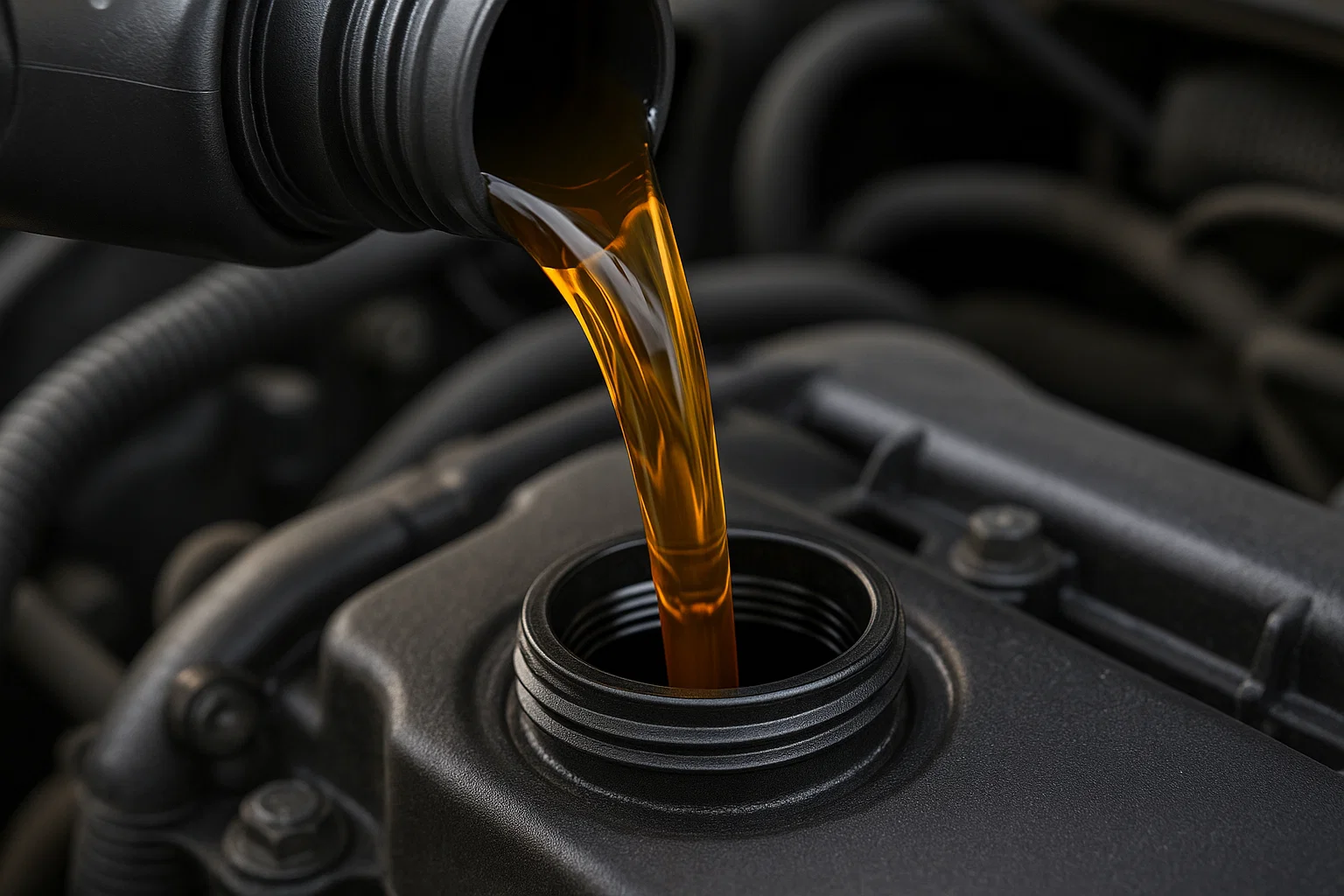
In addition, the oil comes into contact with engine parts on which carbon deposits, soot, and sludge form. Since these products have a dark color, the oil gradually changes its shade. At the same time, one of its key tasks is precisely cleaning: collecting microparticles and combustion products. Darkening in this case is a sign that the oil is working, not that it has failed.
Therefore, you should not rely solely on color when assessing the condition of the oil. Modern compositions, thanks to additives, retain their properties throughout the entire regulated service interval. It is only important not to exceed the recommended replacement intervals, and if in doubt, you can shorten the interval or conduct a laboratory analysis of the oil - although such a check is not cheap.
The only situation when the color should really be alarming is if the oil becomes almost black or there is a distinct smell of burning. This may indicate serious problems inside the engine and requires immediate attention.
Myth 2: "Manual" Is Always More Economical Than Automatic
While manual transmissions have not completely become a rarity, the belief in their unconditional economy remains surprisingly persistent. In the past, this statement had a strong basis: early automatics had fewer gears and operated at higher revs, and the presence of a torque converter further increased fuel consumption.
However, this picture has long changed. Modern automatic transmissions often have more gears than manual ones - up to nine versus six. This allows the engine to operate more often in optimal modes. Additionally, continuously variable transmissions (CVTs) and dual-clutch robotic gearboxes have appeared, as well as torque converter lockup and more precise control algorithms. All this has led to the manual transmission losing its status as the leader in fuel efficiency.
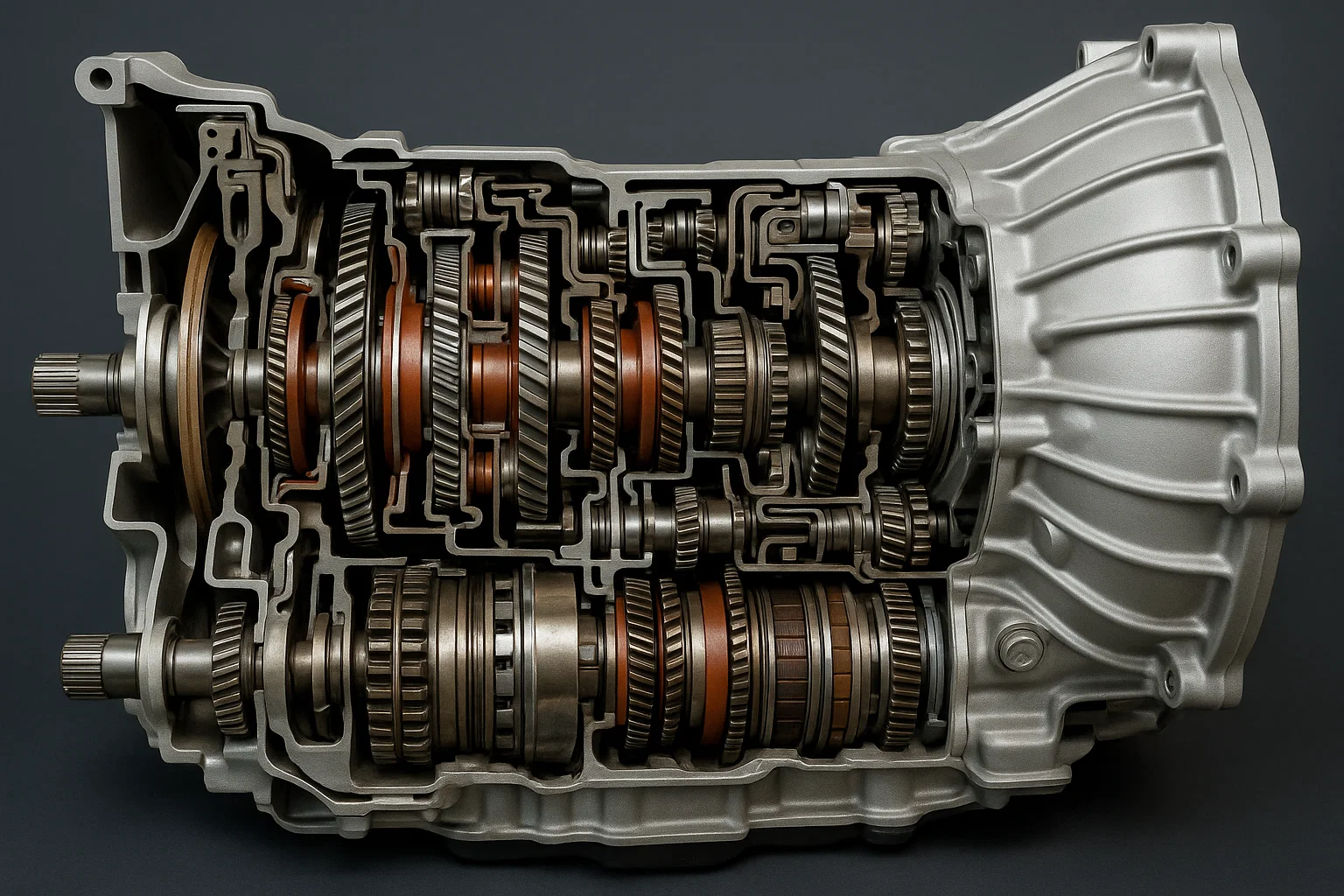
Characteristic examples are the fourth-generation Subaru Impreza WRX and the Toyota GT86. In the first case, the CVT version demonstrates lower fuel consumption in all modes, especially in the city: 12 liters per 100 km versus 12.8 for the manual. In the second, the automatic version of the GT86 consumes 7.1 liters per 100 km in a combined cycle, while the manual consumes 7.8. The difference is small, but it is enough to refute the established myth.
The only thing that remains true is that a car with a manual transmission is usually cheaper than an analogue with an automatic. But this no longer applies to the issue of fuel economy.
Myth 3: Overinflated Tires Help Reduce Fuel Consumption
From a theoretical point of view, there is a rational grain in this statement. At higher pressure, the contact patch of the tire with the road decreases, and therefore, so does the rolling resistance. However, in practice, everything turns out to be much more complicated.
To get a noticeable effect in real conditions, the tires would have to be inflated to an extreme pressure, close to the limit of strength. Obviously, not every tire can withstand such loads.
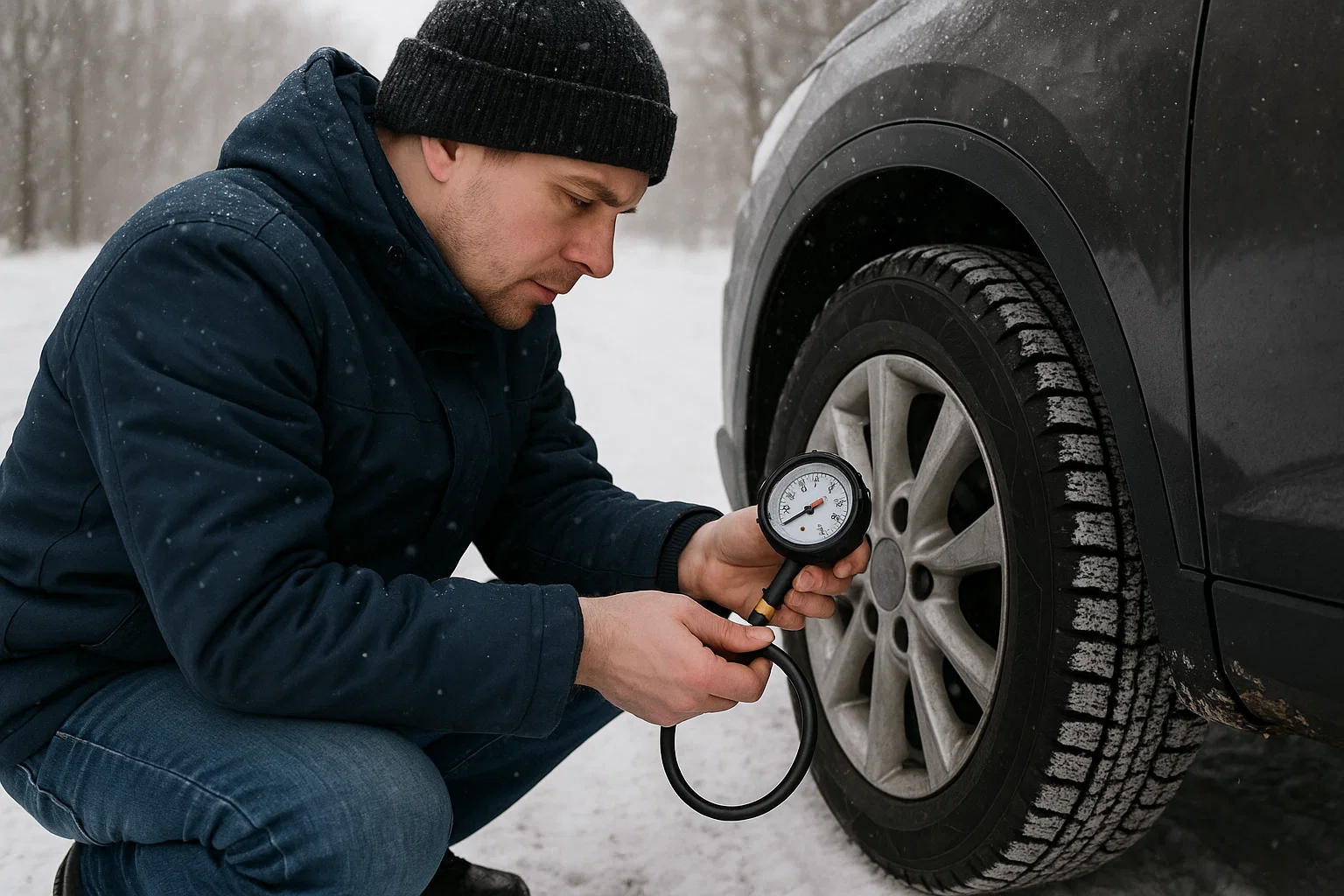
At the same time, even a moderate excess of the recommended pressure leads to a number of problems. Grip on the road is reduced, braking distance increases, and the risk of loss of control increases, especially on wet or slippery surfaces. Additionally, the wear of the central part of the tread accelerates, and the ride itself becomes noticeably less comfortable due to the increased stiffness of the tires. Finally, the risk of rupture increases, since the pressure increases during movement due to heating.
Therefore, experiments with pressure are not justified: the optimal balance between fuel consumption, safety, and comfort can only be achieved by following the manufacturer's recommendations.
Myth 4: Switching an Automatic Transmission to "Neutral" at a Traffic Light Saves Fuel
Many drivers automatically move the automatic transmission selector to the "N" position at every stop, hoping to reduce fuel consumption. In practice, this not only does not provide tangible savings, but also accelerates the wear of the gearbox.
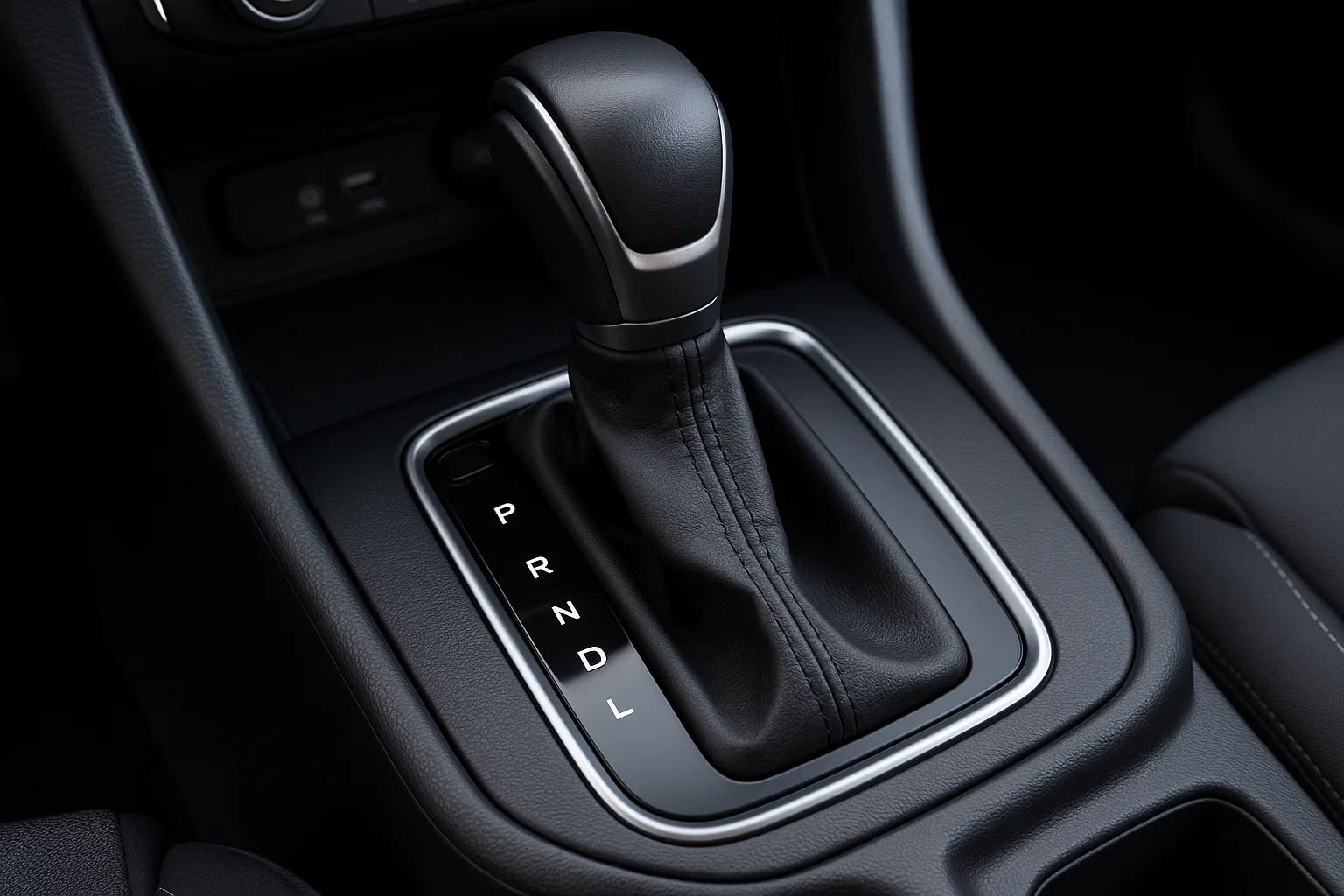
The torque converter continues to rotate, the engine runs, and fuel is consumed. But frequent switching increases the load on the friction clutches, accelerating their wear and contaminating the transmission fluid. Over time, this can lead to serious problems and costly repairs.
Additionally, many drivers, when returning to "D" mode, instinctively press the gas pedal slightly, which negates the alleged savings. As a result, this habit turns out to be harmful for both the wallet and the equipment.
Blindly trusting car myths is not the best strategy. Before following common advice, it is worth understanding the issue and taking into account that modern technologies have long changed the rules of car operation.
Read more materials on the topic:
- In what cases are Russians entitled to a car from the state
- Exhaust resonator: why is it needed
- How to protect the underbody of a car from rust with your own hands
Комментарии