Trading in motor oils seems like a simple field: hand the customer a canister and take the money. But the hero of this article proves otherwise. He is not only friendly and sociable, but also capable of giving a mini-lecture on quality classes, approvals, and oil ash content. His persuasiveness leaves the client with almost no choice, and at the same time he himself admits: "I am not a typical salesman — I have a Candidate of Sciences degree." His childhood passed among garages and the magazines "Za Rulem," and his first hands-on job at a service center allowed him to gain experience in "turning wrenches" as well as theoretical knowledge.
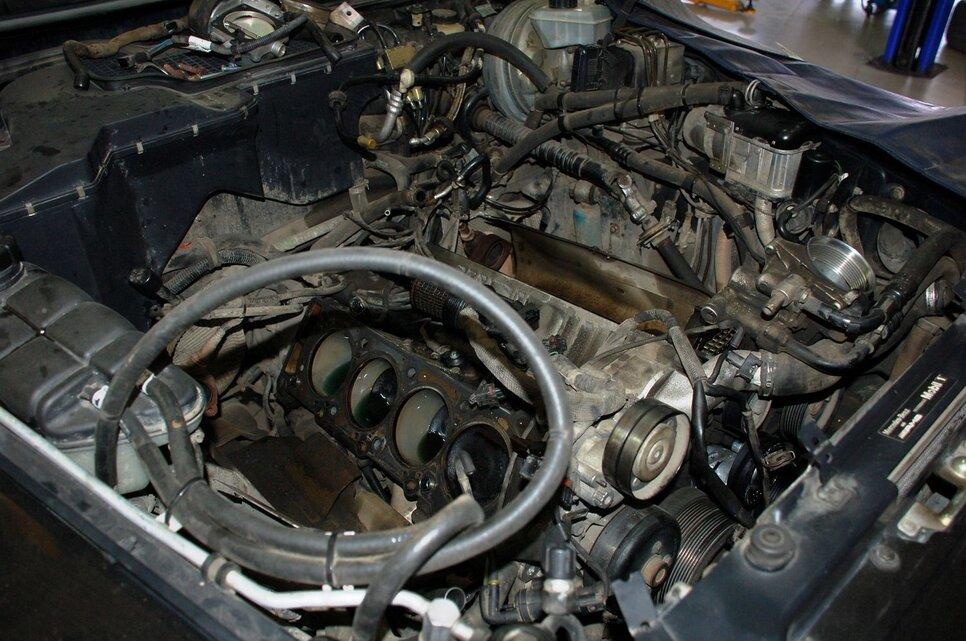
After university and postgraduate studies, the hero worked with heavy machinery, earning more than he would in teaching or government work. In 2010, together with a friend, he opened a service center, handled administrative matters, and gradually found a passion — major engine overhauls, mainly for Mercedes-Benz. The economic situation in the middle of the decade forced the service center to close, and in 2016 he went into the oil trade.
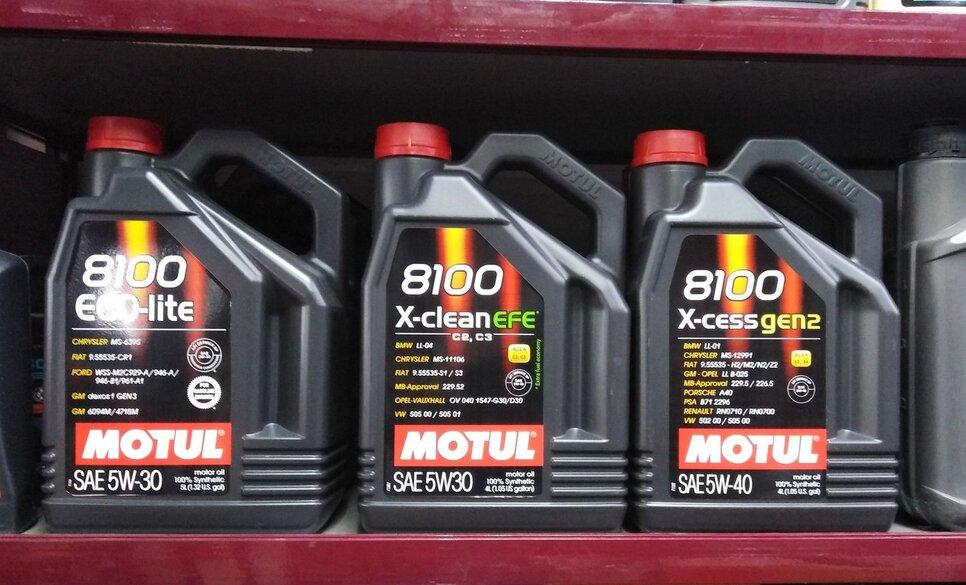
At the new company, he was offered a job right away because his level of knowledge was impressive. He was already using Motul in his personal car and had a strong understanding of viscosities, approvals, and quality classes. The company provided complete freedom in choosing brands — from Toyota, Honda, and Nissan to Mercedes-Benz and Volkswagen. There were top-tier European oils with polyalkylene glycol and ester bases, specialized transmission fluids, Asian oils, as well as competitors to domestic brands.
Before 2022, customers were offered Castrol, Mobil, and Shell, and the mass segment provided visitors with plenty of choice. After some manufacturers left, importers found replacements for the departed brands, new labels appeared, and even the American Mopar and Motorcraft remained on sale. The only notable loss for him was Petro-Canada oil, which offered quality products at a reasonable price. Logistics changed: deliveries from Europe became lengthy, prices rose, and exclusive products became unavailable.
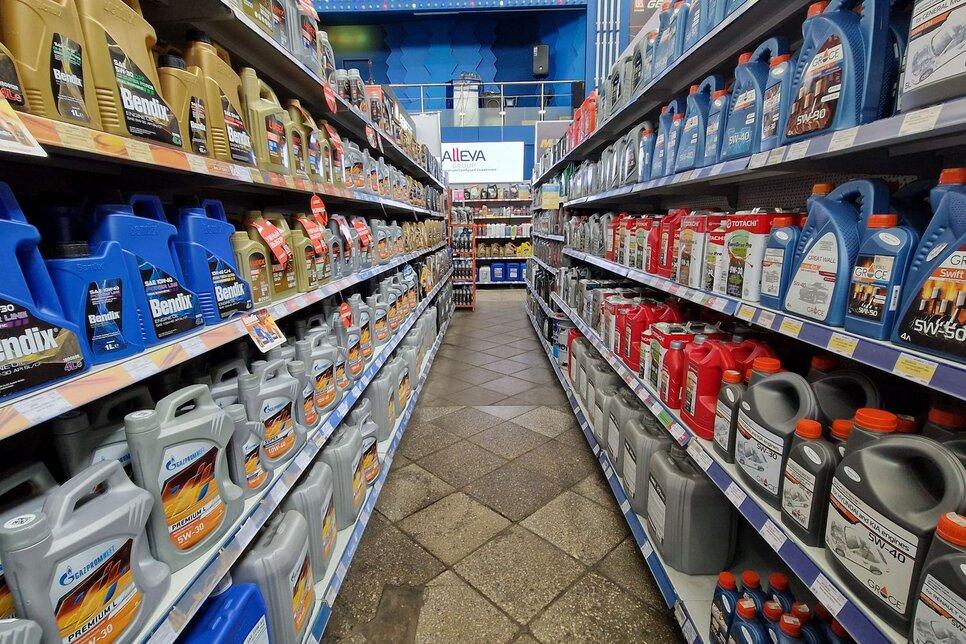
Almost all oils — European, Asian, Russian, Turkish, and Chinese — are worthy products. The differences are tied to the production approach: European brands differentiate products for specific models and gearboxes, while Asian brands use similar formulations and bases, more often focusing on their domestic auto industry. The differences are also visible in PAO oils: Asian brands label them Fully Synthetic, although the share of polyalphaolefins is small, while Europeans strictly follow the standards, showing a high level of regulation.
The seller encounters two types of colleagues: "dispensers" simply hand over the goods, while the "gudalinshchiki" try to help the customer by understanding the problem. Proper consultation on viscosity and approvals is important, especially for modern turbocharged engines. Sometimes oil consumption can be corrected by selecting a suitable fluid from a different product line, for example BMW instead of Toyota.
Counterfeit products are a constant threat. Popular brands are faked, and systems of labeling such as "Chestny Znak" are circumvented. The color and consistency of the fluid help identify a fake, and experiments with testing and analysis make it possible to verify quality. Customers react differently: some buy cheap oil, while others insist on strictly Japanese products. The seller has the right to refuse a sale if there are doubts about the compatibility of antifreezes or other fluids.
Regular customers form the basis of income, especially with routine oil changes every three months. Cooperation with fellow competitors helps satisfy demand for related goods. The average income on the market is about 70,000 rubles, but with a steady clientele and active work, it is possible to earn 100,000–120,000 in half a month.
Read more materials:
- AvtoVAZ officially explained which gasoline should be used in Lada
- Moskvich announced prices for the 2026 model year Moskvich 6 sedan
- Tank raised prices for the entire model range in Russia: Tank 500, 700, and 400 have become more expensive
Комментарии