Translated with AI from the Russian original.
In the public mind, it is the "Gazel" that is considered the vehicle that pulled the Gorky Automobile Plant out of a difficult financial situation in the 1990s. This is partly true, but the real contribution to the enterprise's survival came from the more utilitarian versions — the GAZ-3302 cargo truck and the van based on it. However, GAZ management quickly realized that the passenger transportation segment could prove even more profitable, especially if the market were offered something more compact.
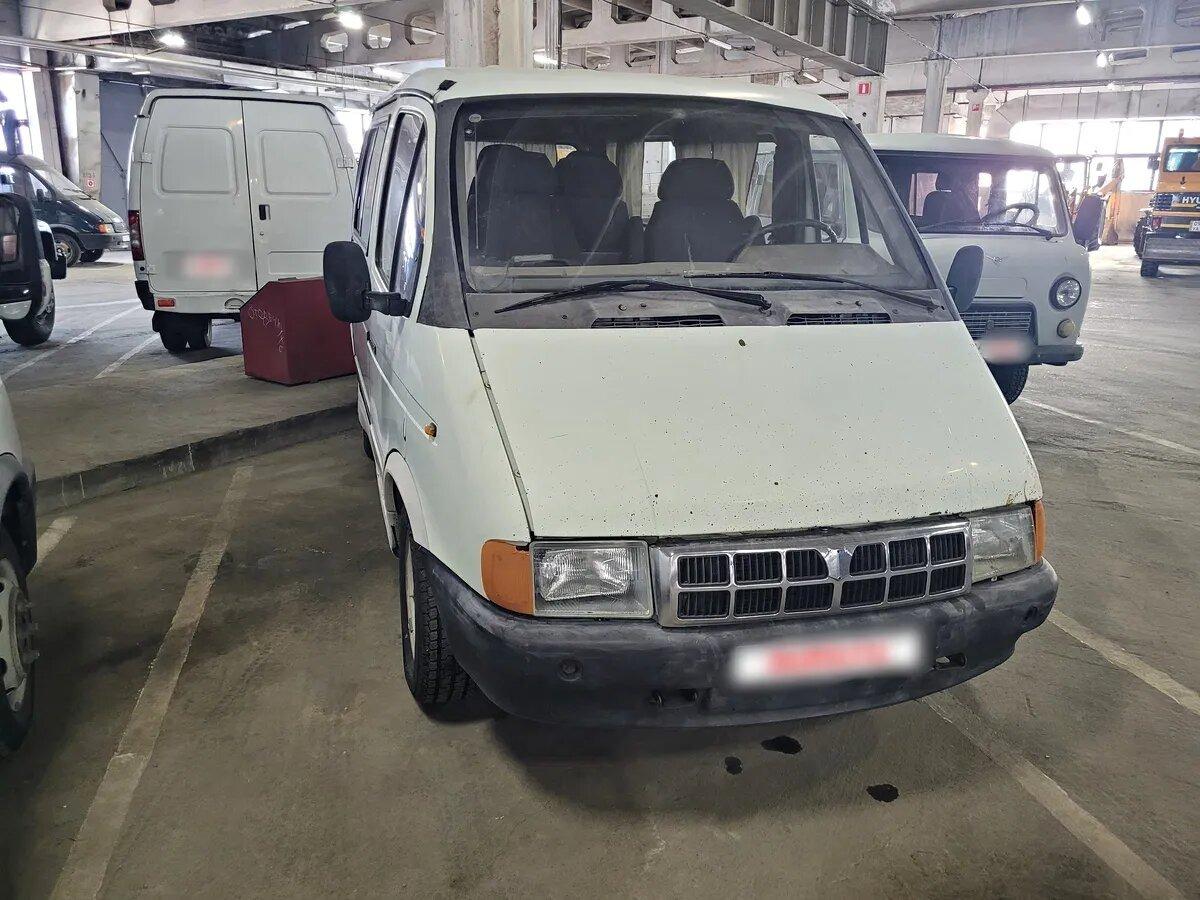
Peak demand for passenger "Gazels" came in 1995–1996, after which customers began to show increasing interest in shortened versions. Many were looking for a minibus not for route service, but as a company or family vehicle with 5–6 seats. An important condition was registering the vehicle as a passenger car rather than a bus or commercial van.
Marketers and the sales department saw the problem clearly: the market could not be retained with a single model, even a very successful one. In addition, the structure of demand was changing — private buyers were playing an increasingly important role, and for them the "Gazel" often turned out to be too large and heavy. The complaints were typical: it does not fit in the garage, it drives half-empty, fuel consumption is higher than expected.
Such buyers often ended up choosing more compact Korean or French vans. Realizing the risk of losing customers, GAZ already presented prototypes of a shortened version of the "Gazel" in 1996. The wheelbase was reduced by 140 mm, the overhangs by almost half a meter, and as a result the vehicle became 660 mm shorter, received a gross weight of 2.8 tonnes and a payload capacity of 700 kg.
However, even such parameters were considered excessive by the market. Buyers wrote to the plant, proposing dimensions of no more than 4.5 m in length, up to 2 m in height and about 1.9 m in width — effectively within the limits of a D-class passenger car. It was proposed to limit payload capacity to 500 kg, placing the emphasis on efficiency and lower weight.
The plant had its own constraints. There were no funds to develop a completely new model. Despite using up to 80% of the components from the "Gazel," the "Sobol" body required separate tooling. A set of dies and pressing equipment cost about 76 million dollars, and the default only worsened the financial situation. At the same time, both cargo and passenger versions were listed in the plans.
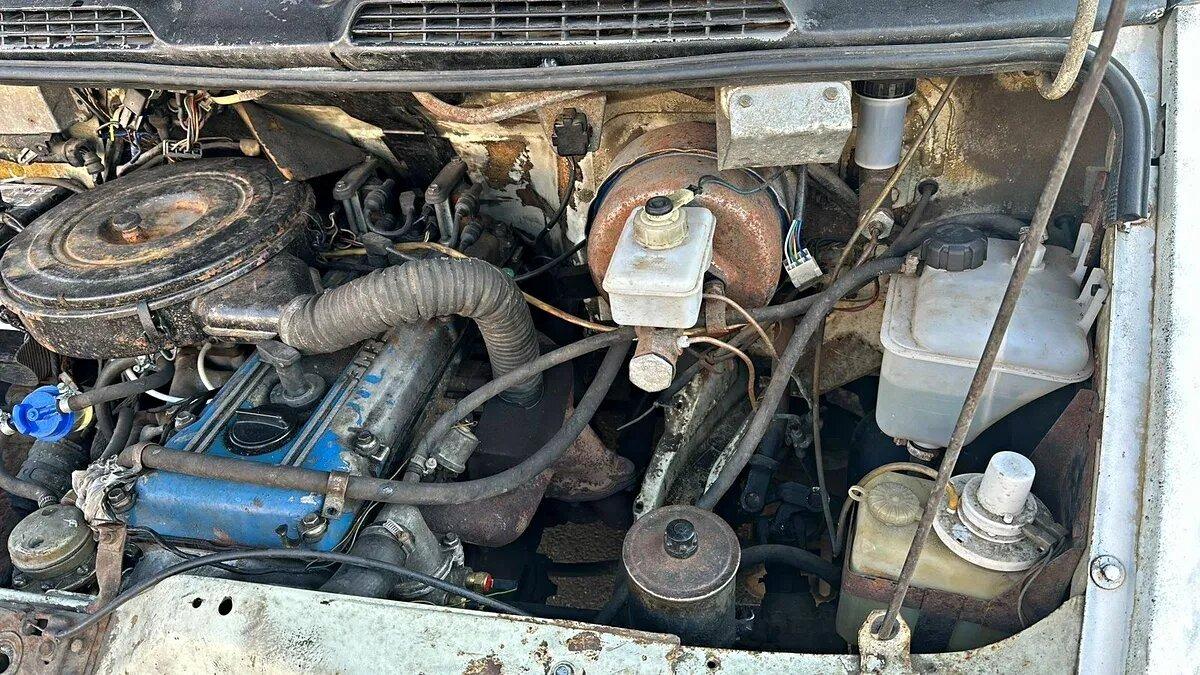
In 1999, the "Sobol-Barguzin" GAZ-2217 appeared with a lowered roof and more comfortable chassis settings — in effect the very minivan buyers in the mid-1990s had dreamed of. Later, a flatbed version with a payload capacity of 800 kg was released; demand for it grew slowly but steadily, and by 2006 production had become conveyor-line based.
Experiments continued: the all-wheel-drive GAZ-23107 attempted to win back part of the market from UAZ vehicles, while the version with ten seats remained a prototype. Today it is obvious that the launch of the "Sobol" based on the "Gazel" was a compromise of its time — forced, but timely, allowing GAZ to occupy a niche that otherwise might have been left to imports.
Read more articles:
- AvtoVAZ officially explained which gasoline should be used in Lada
- "Moskvich" announced prices for the 2026 model year "Moskvich 6" sedan
- Tank raised prices across its entire model range in Russia: Tank 500, 700, and 400 have become more expensive