Soviet motorcycles once kept pace confidently with global technical innovations. However, despite impressive production volumes, not a single motorcycle plant in the USSR ever ventured into deep and timely modernization. Even though many models were created in the image and likeness of the best German representatives of the market, a strategic leap into the future never happened.
By the beginning of the 1980s, the situation had become obvious: Soviet motorcycles were outdated in virtually all segments. The bulk still used two-stroke engines, while four-stroke boxer engines differed little in design from solutions of the mid-1930s.
Nevertheless, in the late 1980s Soviet engineers prepared power units that effectively had no counterparts in the world. Of course, these engines required serious refinement, but their potential looked extremely promising. These were rotary-piston engines, which attracted the interest of specialists from IMZ, KMZ, and the Izhevsk Motorcycle Plant. Each of these enterprises produced pilot batches of motorcycles with the new units. It was they that became the fastest motorcycles in the entire history of the USSR.
Prerequisites for the Emergence of Rotary Motorcycles
It became possible to freely purchase a motorcycle in the Soviet Union from around the beginning of the 1960s. By that time, specialized enterprises had reached their designed capacity and were providing transport to practically everyone who wanted it. The assortment was limited, but motorcycles could be bought even in rural stores.
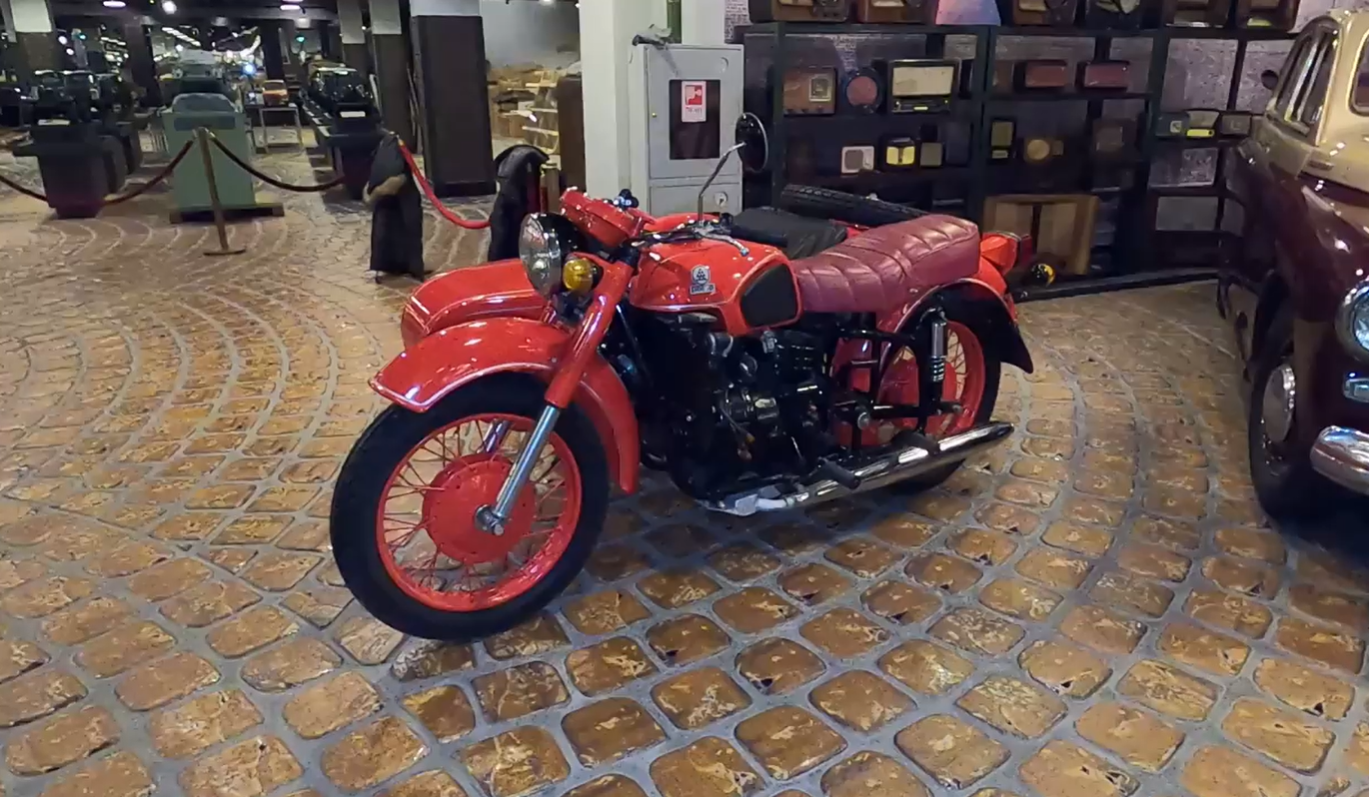
By the beginning of the 1980s, two-wheeled vehicles had firmly established themselves as an affordable means of transportation. However, the climatic conditions of most of the country implied a clearly seasonal pattern of use. It was possible to ride a motorcycle with relative comfort for about six months of the year. In winter, only a few people used them.
At the same time, car production was growing, which gradually changed attitudes toward motorcycles. Even in rural areas, demand began to decline. By the mid-1980s, buying a Zaporozhets no longer required years of waiting, and Moskvich cars were sometimes offered to employees of state enterprises without queues.
Perestroika in the second half of the 1980s finally exposed the technological backwardness of Soviet motorcycles. It was already too late to catch up with competitors by copying small- and medium-displacement four-stroke engines. Therefore, the Central Design and Experimental Bureau of Motorcycle Engineering placed its bet on a fundamentally different approach: rotary-piston engines.
Such engines were considered as the basis for escort and export models, and in the future, as a platform for serial units of various displacements.
The First Rotary Developments
Interest in rotary engines in the USSR emerged back in the 1960s, after NSU cars with Wankel engines entered the market. Although that project proved unsuccessful, Mazda picked up the idea, which only strengthened belief in the promise of the concept.
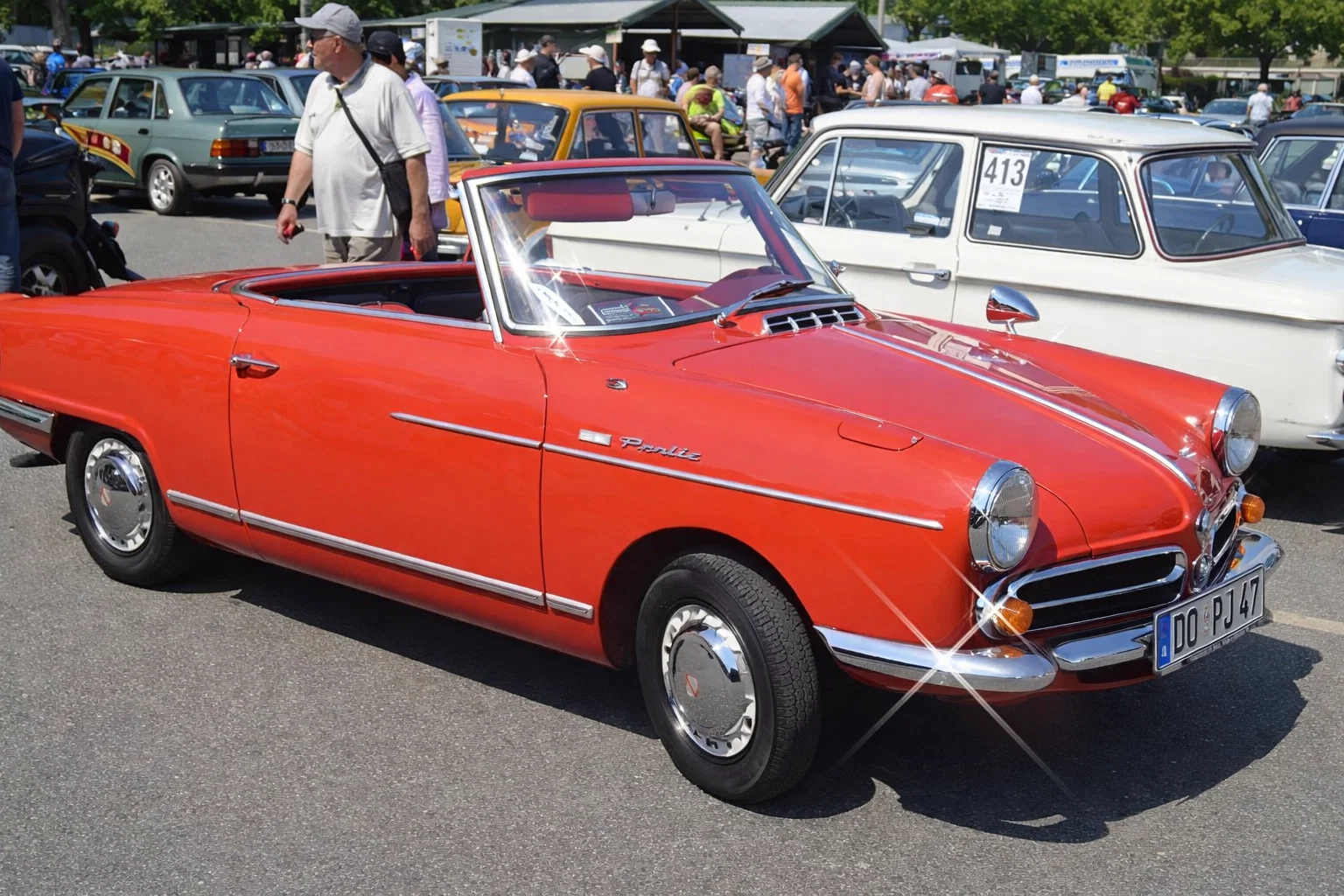
In the Soviet Union, it was also decided that rotary engines were the future. This led to experimental VAZ cars with such engines, which were later produced in small series and supplied first to the security services, and after the collapse of the USSR, to private buyers as well.
Based on automotive developments, the leadership of the Central Design and Experimental Bureau of Motorcycle Engineering in Serpukhov decided to create motorcycle rotary-piston units. As early as 1961, the experimental RD-250 engine was assembled. With a displacement of 250 cc, its power was increased from 8.5 to 17 hp.
Encouraged by the results, the engineers began developing more powerful engines that were supposed to replace the outdated boxers. In 1970, the RD-350V appeared: with a displacement of 350 cc, it produced 30 hp. However, the engine's service life turned out to be too short - no more than 100 hours, which forced the abandonment of further power increases at small displacement.
Rotary Dneprs
The next stage was the RD-500V engine with a displacement of 500 cc and power of 40 hp. After bench testing, it was installed in the frame of the Dnepr MT-9. In 1974, an experimental batch of ten heavy motorcycles was produced and sent for testing. In real-world conditions, the reliability of the engines proved insufficient.
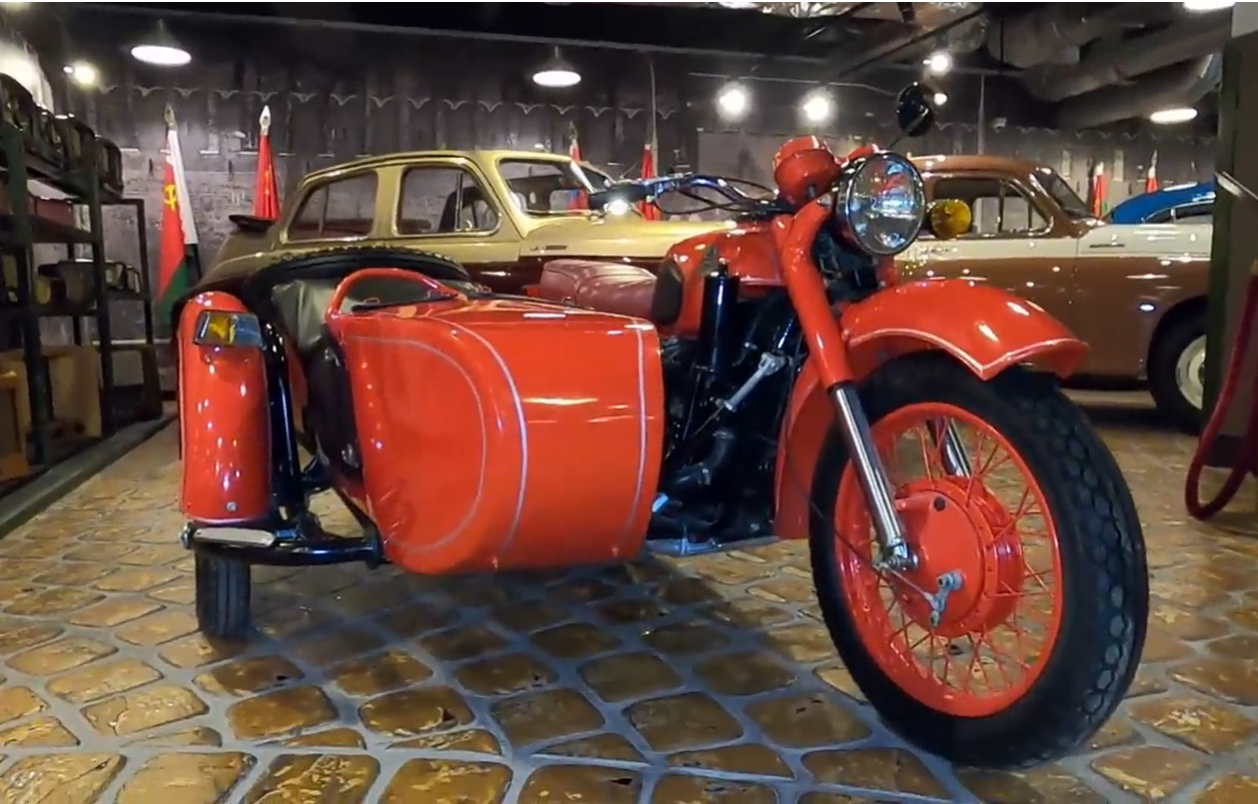
A year earlier than that, an RD-501 engine had been prepared in Serpukhov. A few years later, a new batch of 30 Dneprs with these units was produced. In terms of service life, the engines were already suitable for mass production, but they showed critical sensitivity to overheating and often seized during the summer period. It became clear that air cooling was insufficient.
KMZ specialists showed no interest in the further development of rotary motorcycles, and work on the Dneprs was curtailed.
Rotary Urals
Closer to the end of the 1980s, the RD-515 engine appeared, developed jointly with the Irbit Motorcycle Plant. With a displacement of 500 cc, it produced 40 hp, and its service life reached 50,000 km, which was a major breakthrough.
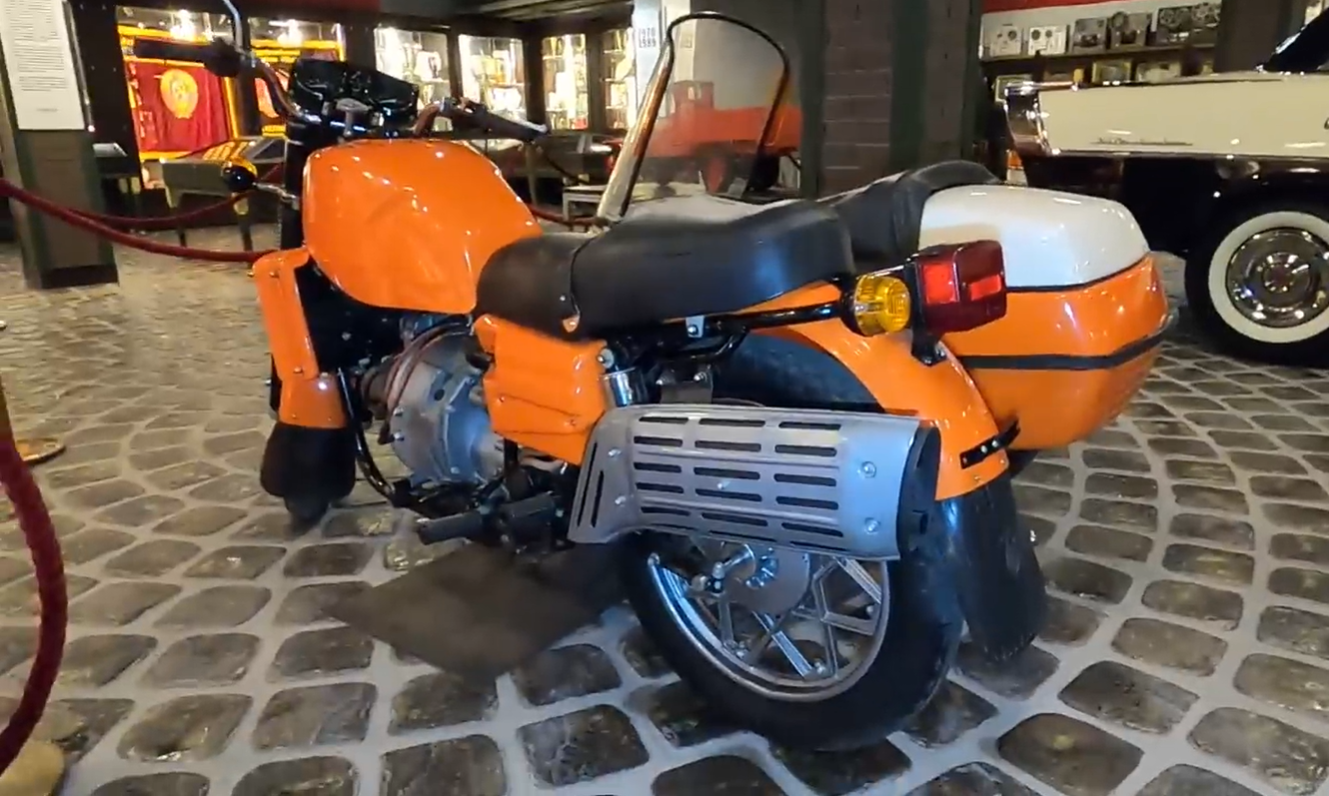
The promising motorcycle, known as the Ural, was being prepared for serial production. During testing, the model received the index 7.151. Taking past problems into account, the unit was equipped with liquid cooling.
The motorcycle received a whole range of technical innovations: a new frame, braking system, exhaust, and front fork. However, the collapse of the USSR put an end to the project - it went no further than several experimental examples.
Rotary Izhs
The Izhevsk Motorcycle Plant joined the topic later than the others. By that point, the most powerful engine of the series had been created - the RD-601. With a displacement of more than 600 cc, it produced 52 hp.
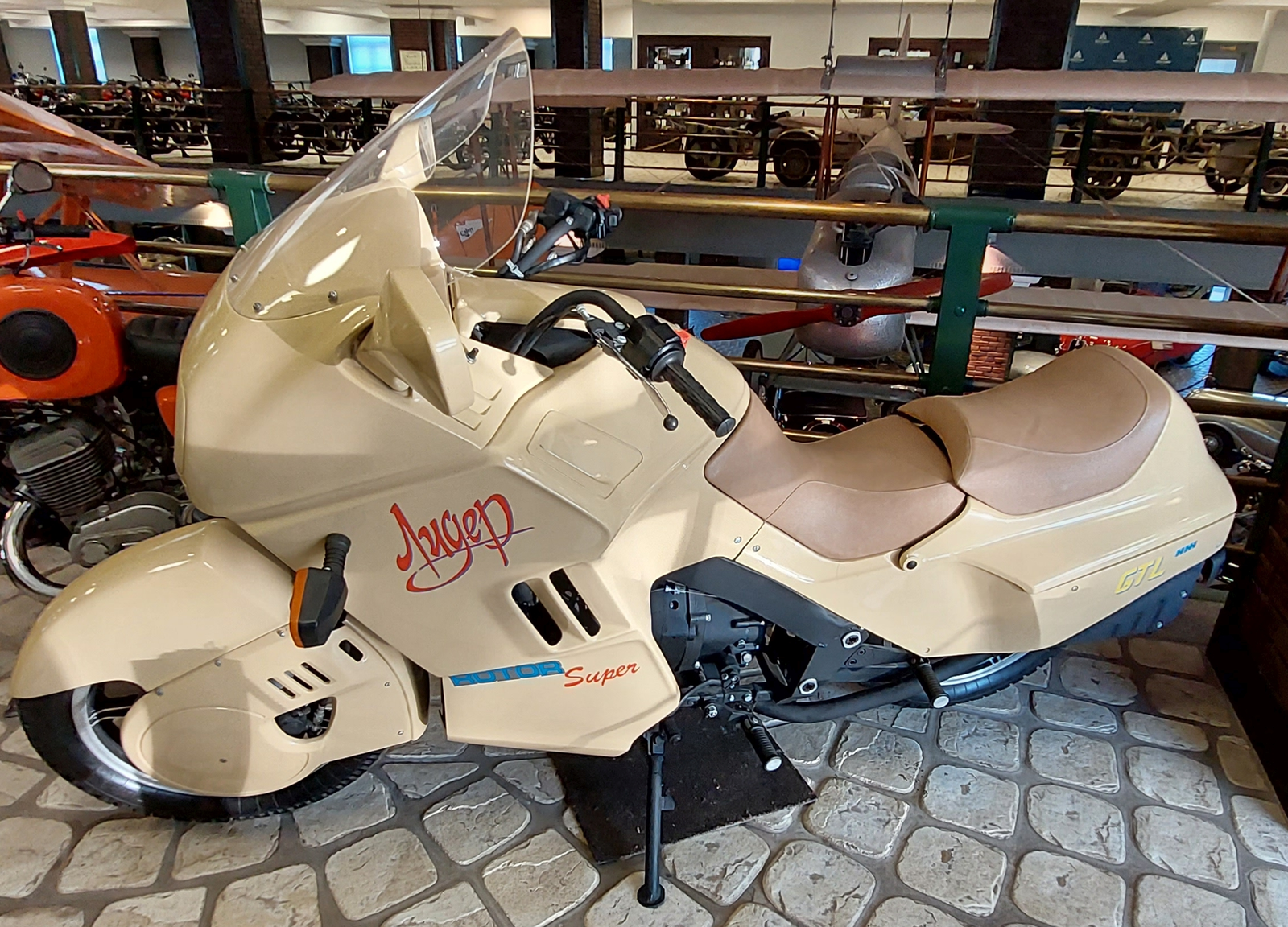
Having received a batch of such engines, the Izhevsk plant immediately focused on export. This is how the Izh Lider and Izh Vega models appeared, designed in the spirit of the foreign sport-touring class. For their time, these were outstanding motorcycles, but they too were not destined to become mass-produced because of the collapse of the country.
Today, full-fledged Russian motorcycles have practically disappeared. Even the boxer Urals ceased assembly at the end of 2025. Perhaps someday interest in rotary-piston engines will be revived - because even now such motorcycles would remain truly unique.
Read more articles:
- Samara and Moskvich: the main automotive rivalry of the late USSR
- Which automotive corporations ultimately lost their factories in Russia
- What the USSR-FIAT negotiations about an overhead-cam engine concealed
Комментарии