Hundreds of used cars from Japan and South Korea have accumulated at the Port of Vladivostok that arrived after December 1 or without documents submitted on time for the preferential recycling fee. The owners expected to take advantage of the reduced rate, but due to a change in the rules the recycling fee increased many times over — instead of 3.2 thousand rubles, they now have to pay up to 2.5–3 million. Announcements by the Ministry of Industry and Trade about the rate increase were made back in September, and responsible importers warned clients about delivery deadlines, but many relied on "maybe" and thought they would make it in time.
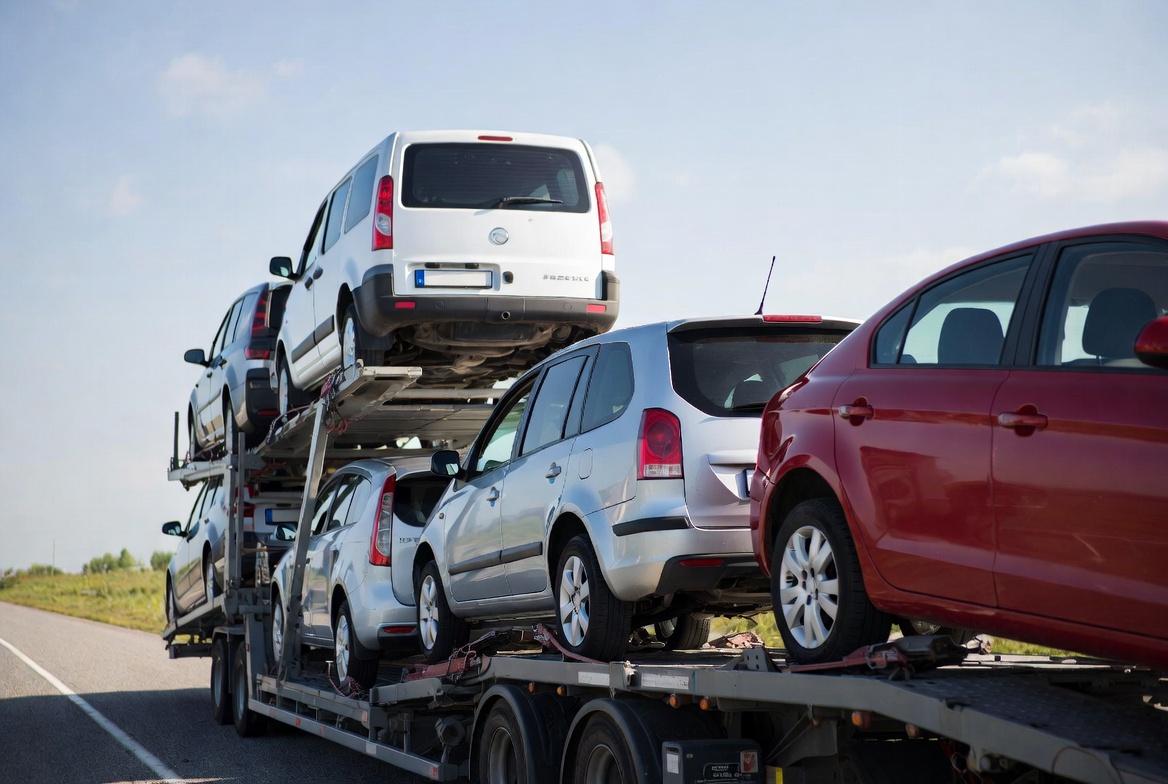
The Russian car market is structured so that intermediaries receive their percentage when the contract is concluded — usually 200–300 thousand rubles per car — and after that the client is concerned only with paying the customs duty and the recycling fee. Logistical delays, force majeure, or weather conditions, as happened by the end of December in Japan and South Korea, fall entirely on the buyer. A vessel that was supposed to arrive on November 28 entered the port only on December 2, and the cars fell under the new, increased tax.
Options for sending the car back to the export country are practically impossible. A certificate is issued for export, and a return would require approval from Japanese customs and verification of the vessel's route. Any attempts to circumvent these rules can put a "black mark" on the vessel and create major problems for exporters. Even if the company agrees to the return, the logistics costs will fall on the buyer and will prove extremely unprofitable.
Resale to third countries is possible, but it requires a customs transit procedure, time to find clients, and document processing. Any mistake in closing the transit or late registration at the warehouse threatens fines. In addition, the process of finding buyers in Kazakhstan or Belarus is complicated by restrictions on using and inspecting the car at the customs warehouse.
On the territory of a Russian port, a car may remain at a temporary storage warehouse (TSW) free of charge for only 20 days; after that, a fee of 5 thousand rubles per day is charged. After four months, customs may recognize the car as unclaimed and seize it into state revenue, which leads to a total loss of both the money and the car. Any attempt to sell the car within the country with the unpaid fee is practically impossible, since the documents and registration remain with the previous owner.
In practice, this creates a field for fraudsters: tempting offers like "Skoda Octavia at the price of a Lada Vesta" or loans at 3–4% per annum attract buyers, but almost always turn into hidden costs. In the best-case scenario, the client gets a cheaper car with inflated loan terms and additional insurance policies.
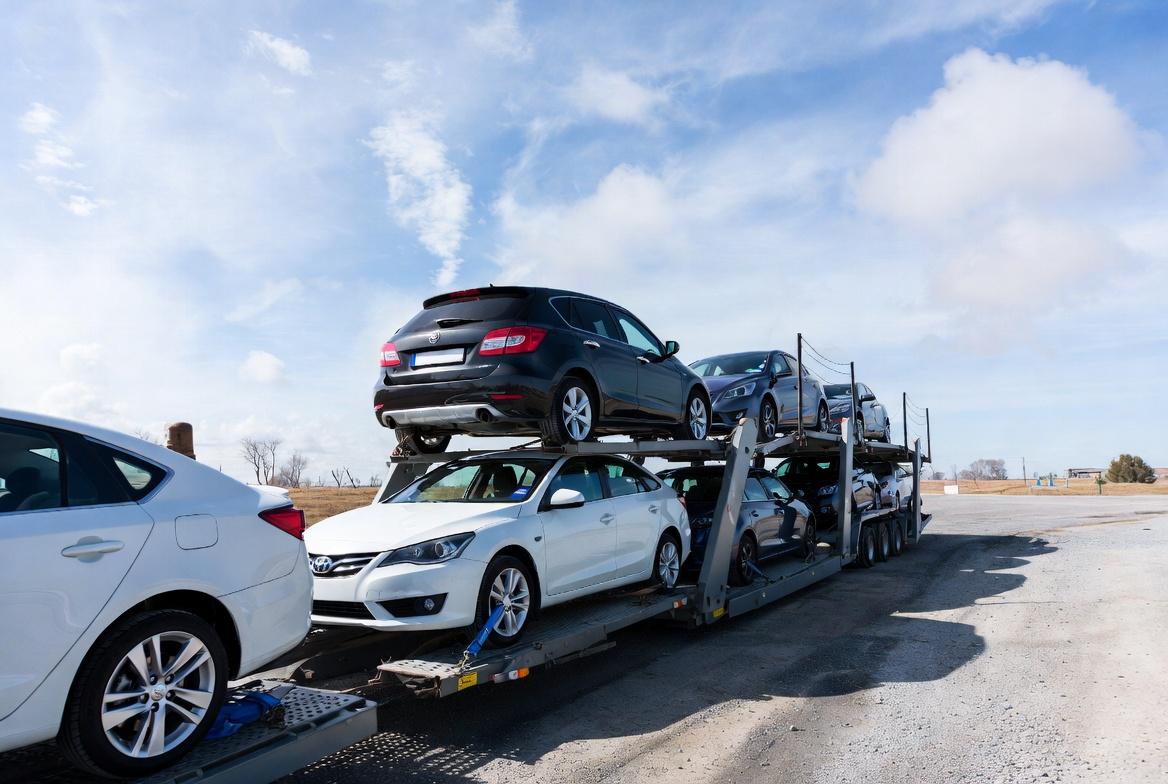
Experts note that the Russian market is not capable of independently cleansing itself of such schemes. Intermediaries act within the law and the contract, but in fact build their business on the gullibility and lack of knowledge of buyers. Everyone who missed the preferential recycling fee risks losing significant funds, and the car may end up in state revenue.
The situation with the increase in the recycling fee highlights structural problems in the Russian car market: dependence on intermediaries, restrictions on returns and resale, bureaucratic difficulties, and high risk for clients. Those who counted on the benefit and believed in "maybe" are faced with the fact that a delay of even a few days turns into multimillion losses, and there are practically no legal ways of compensation.
Read more articles:
- AvtoVAZ officially explained which gasoline should be used in a Lada
- Moskvich announced prices for the 2026 model year Moskvich 6 sedan
- Tank raised prices across the entire model range in Russia: Tank 500, 700, and 400 have become more expensive
Comments