Translated with AI from the Russian original.
From 2026, China is introducing a new subsidy scheme for trading in old cars for new ones, which replaces fixed payments with a percentage of the car's value, with a limit on the maximum amount. This measure aims to more precisely allocate support and stimulate the renewal of the vehicle fleet in different price segments.
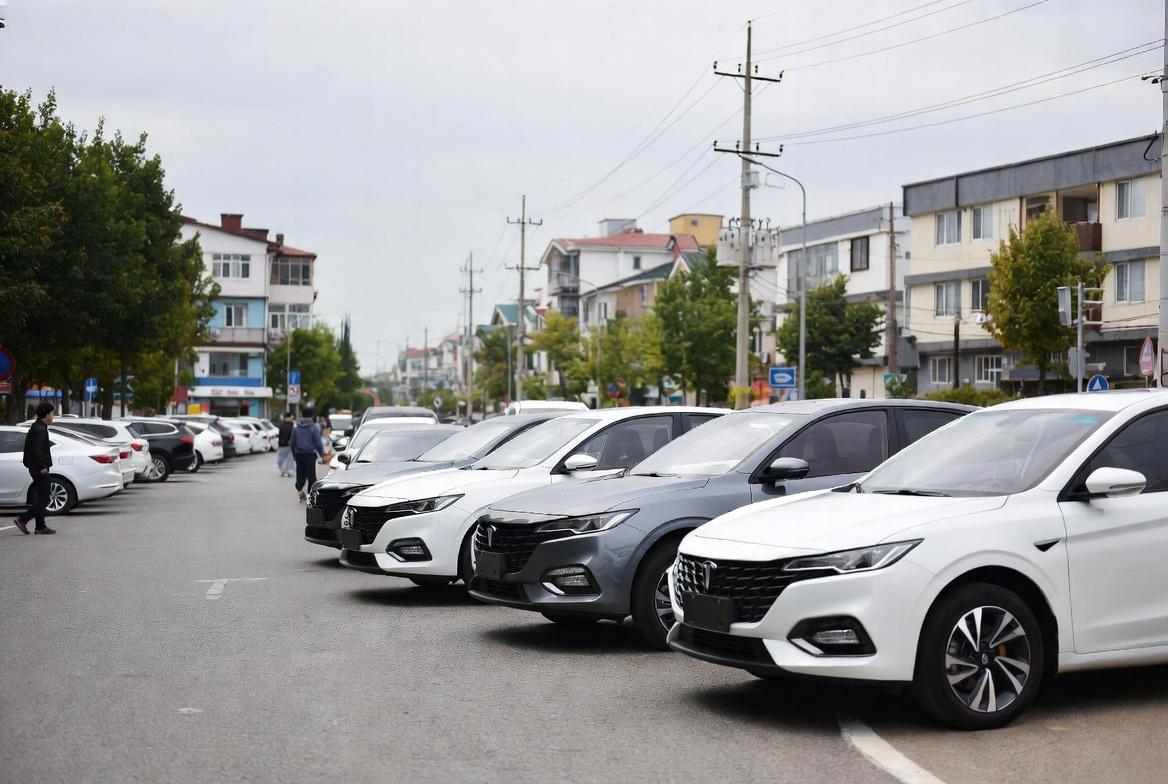
According to the new policy, when an old car is scrapped, the subsidy for electric vehicles will be 12% of the price, but no more than 20,000 yuan (US$2,800), and for gasoline models with engines up to 2.0 liters, it will be 10%, with a maximum of 15,000 yuan (US$2,100). When trading in a used car for a new one, the percentages will decrease: 8% for electric vehicles and 6% for gasoline models, with corresponding limits. Thus, support for budget cars becomes less significant, while expensive models will still be able to receive maximum payments.
The requirements for participants remain strictly regulated: the car being scrapped or traded in must be registered in the applicant's name before January 8, 2025, and the new cars must be in the same provincial region. There are also age restrictions for old cars: gasoline cars up to June 2013, diesel and alternative cars up to June 2015, and new electric cars up to December 2019.
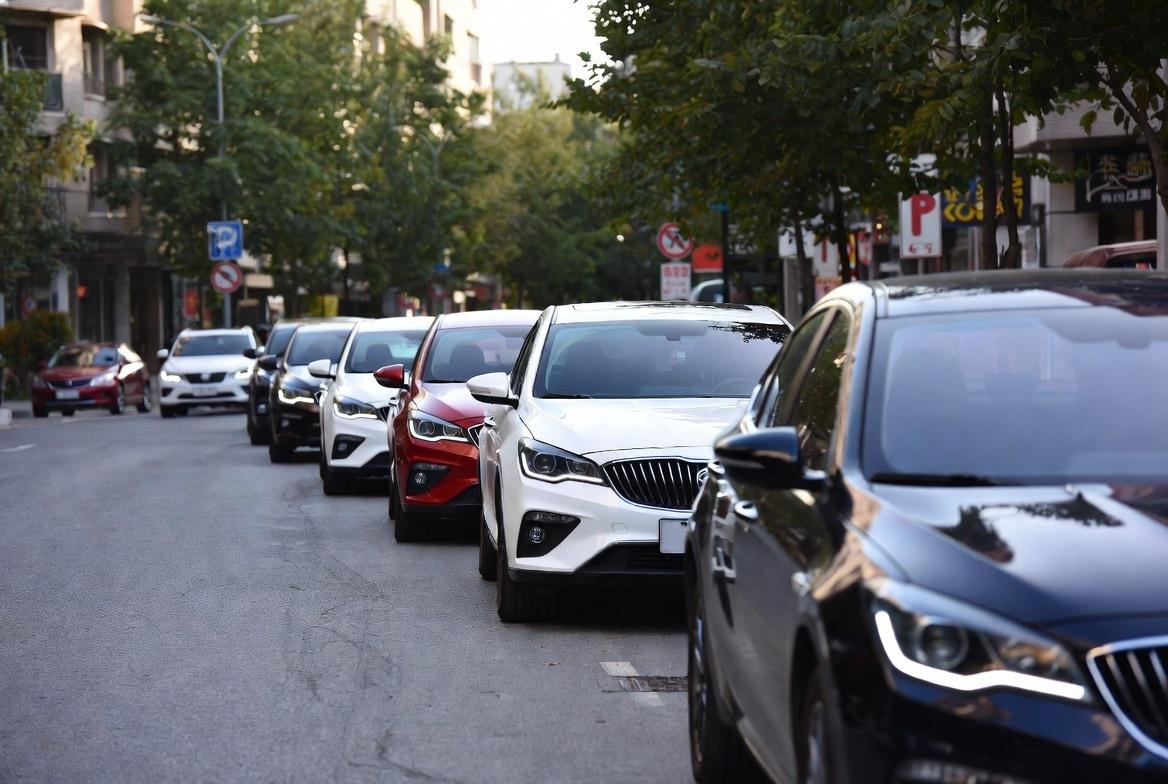
The change in the calculation method makes subsidies more proportional to the cost of the car. For example, the popular Geely Xingyuan, costing about US$10,000, could previously claim US$2,800 for disposal, but now the amount will decrease as it is calculated as 12% of the price. Maximum payments are only retained for more expensive models, which indirectly encourages the purchase of mid-range and premium cars.
Experts note that the new policy reflects China's strategic approach to streamlining the market: the state seeks to support the renewal of the vehicle fleet and the development of electric vehicles, while avoiding excessive subsidies for cheap cars that are massively purchased by consumers.
The percentage incentive system creates a more "tiered" subsidy structure, where payments increase proportionally to the price of the car. This allows the state to direct resources to more significant fleet upgrades and at the same time maintain a stimulating effect for manufacturers and buyers of electric vehicles.
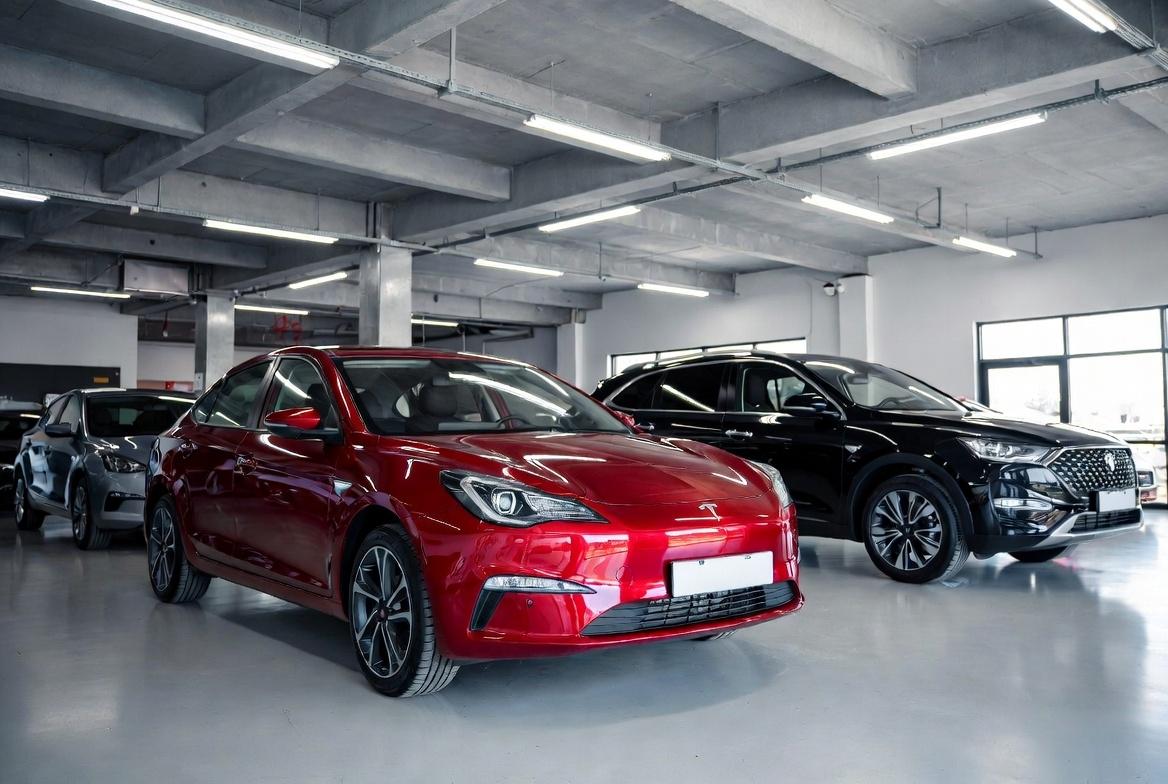
The new subsidy scheme is part of a broader Chinese initiative to stimulate the upgrading of equipment and consumer goods. In addition to the automotive industry, similar measures are being applied to household appliances, digital devices, and "smart home" systems, demonstrating the state's comprehensive approach to modernizing and technologically transforming the market.
Read more:
- AvtoVAZ Officially Explains Which Gasoline to Use in Lada
- Moskvich Announces Prices for the Moskvich 6 Sedan, 2026 Model Year
- Tank Raises Prices for the Entire Model Range in Russia: Tank 500, 700, and 400 Become More Expensive