The story of the purchase of an automobile plant from the Italian concern FIAT, along with the only production model at that time equipped with a 60-horsepower overhead valve engine, is often described in the press as an almost formal step. Usually, it all boils down to a simplified scheme: the Soviet Union expressed interest, and the Italian side, unable to refuse representatives of a strong state, agreed to the deal.
However, in reality, the situation was much more complicated. It was not just about licensing an existing car, but about a new sedan, around which Italian engineers built a serious system to protect their technical solutions. FIAT developers were extremely cautious about their own innovations and were not eager to share them even with large foreign partners.
Difficult negotiations with FIAT
Negotiations concerning the acquisition of the plant itself, machine tools, technological equipment, and basic equipment went relatively smoothly. The real difficulties arose later - at the moment when FIAT representatives actually presented the Soviet delegation with a tough choice: either accept the FIAT-124 in its current form, or the agreement will not take place.
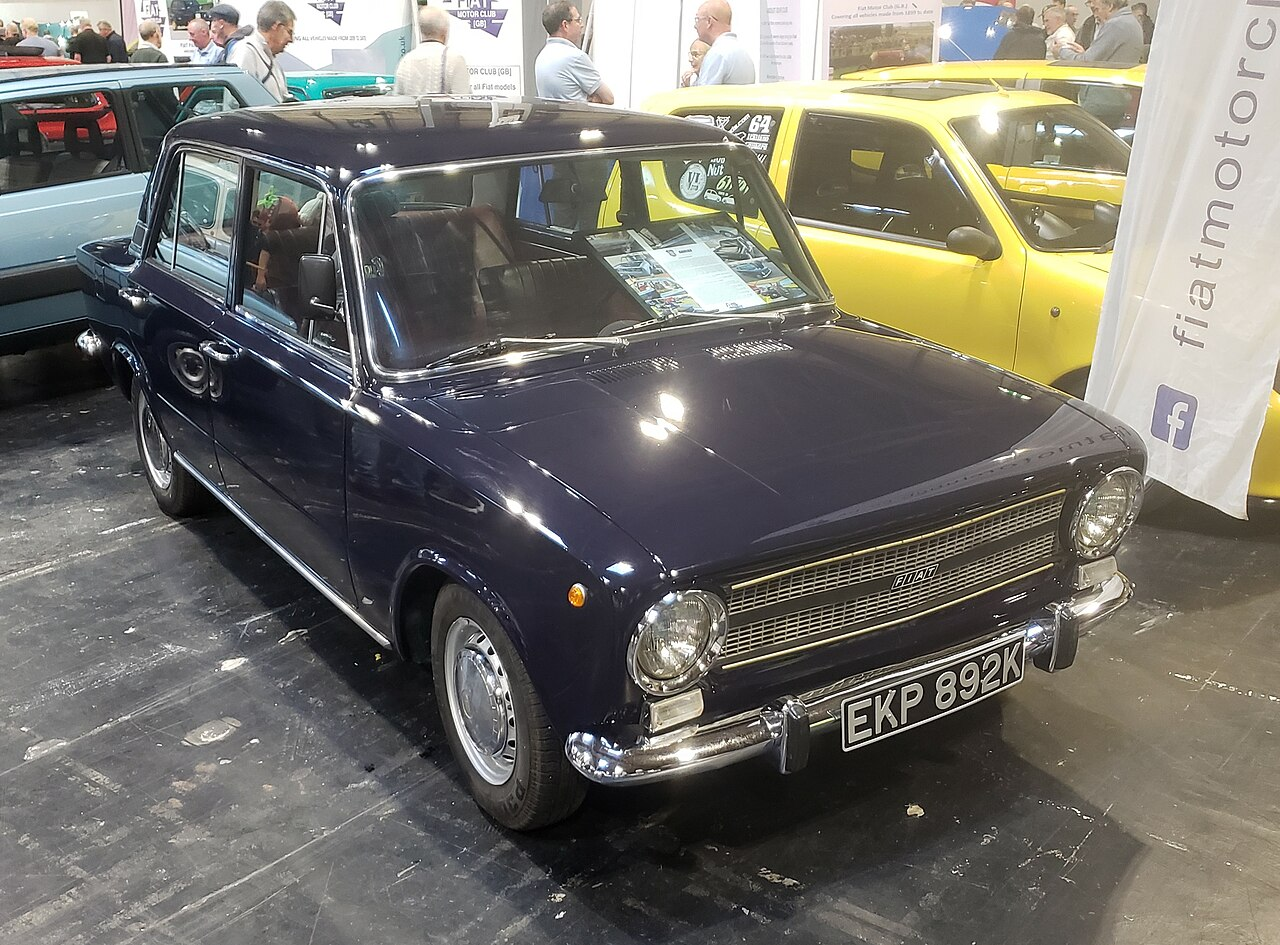
By that time, Soviet engineers and experts who were part of the delegation already had information about a fundamentally new version of the engine for the 124 model. It was about an experimental engine with an overhead camshaft. Moreover, specialists were also aware of the test results of this prototype, which showed very high performance.
That is why the Soviet side insisted on including clauses in the contract regarding the supply of such an engine. The delegation included the chief designer of the MZMA plant, Alexander Fedorovich Andronov, an engineer with extensive practical experience who, by coincidence, happened to participate in the creation of the latest power unit for the Moskvich M-412.
We are talking about the UZAM-412 engine with an aluminum cylinder block, replaceable wet sleeves and overhead camshafts in the cylinder head. By that time, Andronov already knew that this engine was showing excellent results, and clearly understood that the OHC scheme would soon become the standard for most global engine manufacturers.
A serious conflict arose within the Soviet delegation. A number of its members, including Andronov himself, refused to sign the documents on the terms proposed by the Italians. Only after lengthy consultations with the Ministry of the Automotive Industry, it was decided to officially put forward requirements for including clauses in the contract regarding the overhead camshaft arrangement, the use of an aluminum block and the use of wet sleeves. The Italian side, however, politely but unequivocally refused.
Why the Italians said "no"
At the same time, the requirements themselves could not be called excessive. All the requested solutions from FIAT already existed in the form of real samples and were in the preparation stage for mass production. Nevertheless, the concern did not want to transfer its own know-how to the Soviet Union, hoping to extract additional commercial benefits from them in the future.
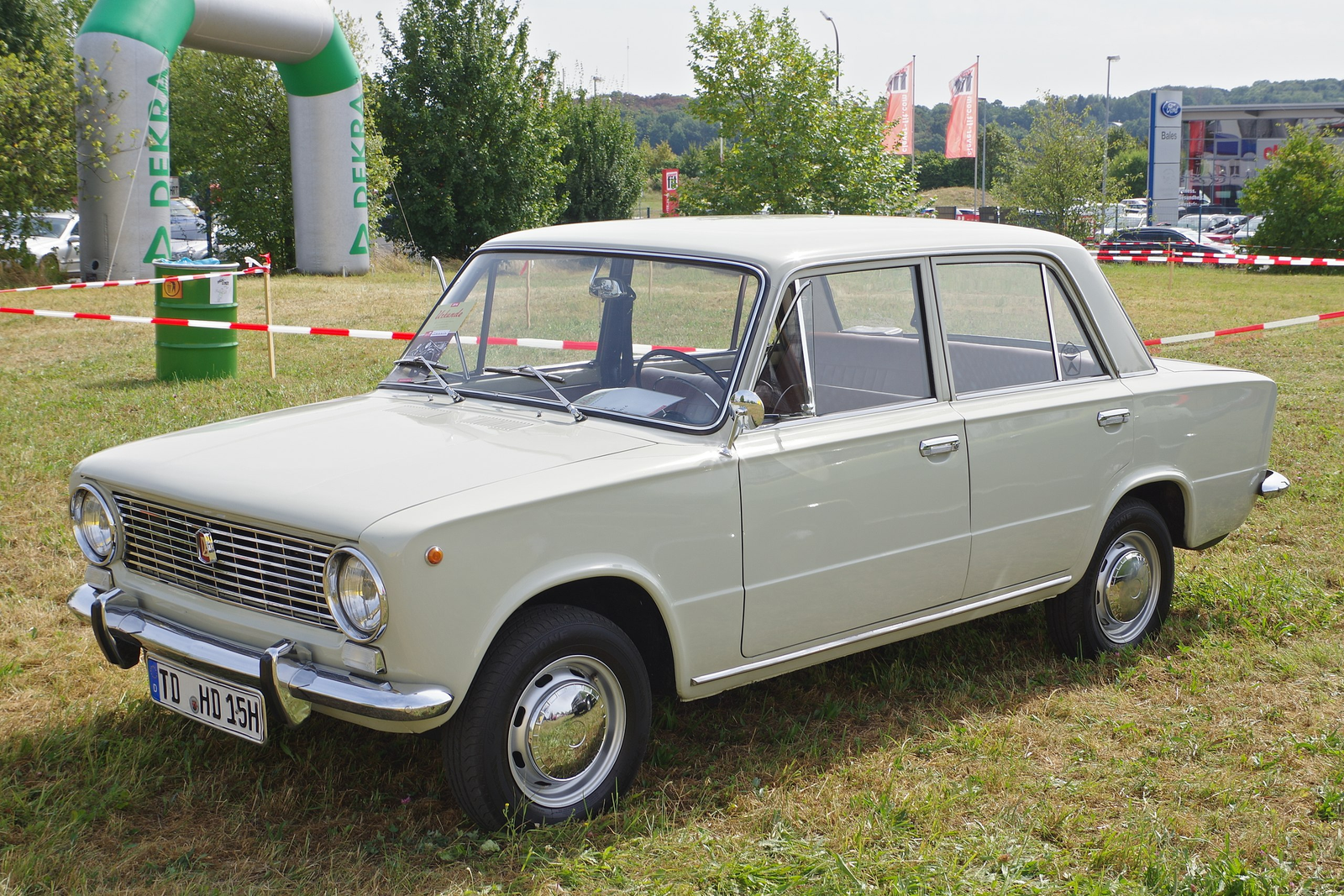
There was another motive - the fear of technology leakage to competitors. These doubts were well-founded, since at that time only a few automakers around the world had such technical solutions.
As a result of lengthy and difficult additional negotiations, the parties still reached a compromise. The engine retained a cast-iron cylinder block, but it provided for additional channels between the sleeves. The Soviet side received the overhead camshaft arrangement, but without an aluminum block and wet sleeves.
Compromise and its consequences
Even the Italians did not immediately agree to such concessions. The transfer of the new type of engine was allowed only on the condition that it would be carried out three years after the full launch of the plant in Togliatti.
In addition, the engine itself was noticeably changed. Its geometry became different: the distance between the cylinder axes increased, the diameter of the pistons increased, and the stroke of the connecting rod head, on the contrary, decreased. In fact, the engine was redesigned for a higher speed mode of operation.
Contrary to the original plans, it was not possible to withstand the three-year period. The development of the engine with the overhead camshaft began simultaneously with the launch of the plant. Formally, the Soviet delegation achieved what it wanted, but in practice new problems emerged. The technology for manufacturing overhead camshafts was significantly different from the previous one. Their production required different processes of cementation, nitriding and hardening of the cams, while Togliatti had furnaces and equipment designed for the production of shafts of the old type.

Thus, a plant was purchased for the production of one of the most modern FIAT-124 cars at that time and an equally modern engine, but without a full set of technologies necessary for the production of its key components.
The result was predictable. The real service life of the camshaft turned out to be about half of the estimated 150 thousand kilometers, and during the operation of the car it had to be replaced at least once. The situation was aggravated by the fact that there was practically no mass production of motor oils in the USSR suitable for FIAT engines.
Camshafts wore out quickly, there was an acute shortage of spare parts. Over time, the production of the required number of shafts was established at other enterprises, and a suitable technology was still found. However, all these difficulties seriously slowed down the planned export of VAZ-2101. Meanwhile, there were chances for successful sales in Europe - and they were very high.
Read also materials:
- KamAZ finished 2025 with a loss of 37 billion rubles
- Acceptance of orders for the 2026 Toyota Corolla has opened in Russia
- Li Auto i8 and Mega officially launched sales in Belarus
Comments