Every car owner has encountered this at least once - you go out to your car in the morning, and it's all "decorated" with traces of bird attention. And it seems as if the birds have conspired specifically against you. However, studies show that birds do not act randomly at all. Their choice depends on the color, shape, and even the coating of the car.
Color Matters
It turns out that birds are much more likely to "attack" large cars of dark shades - black, brown, and especially bright red. These colors are associated with their natural environment: earth, tree bark, or places where you can hide.
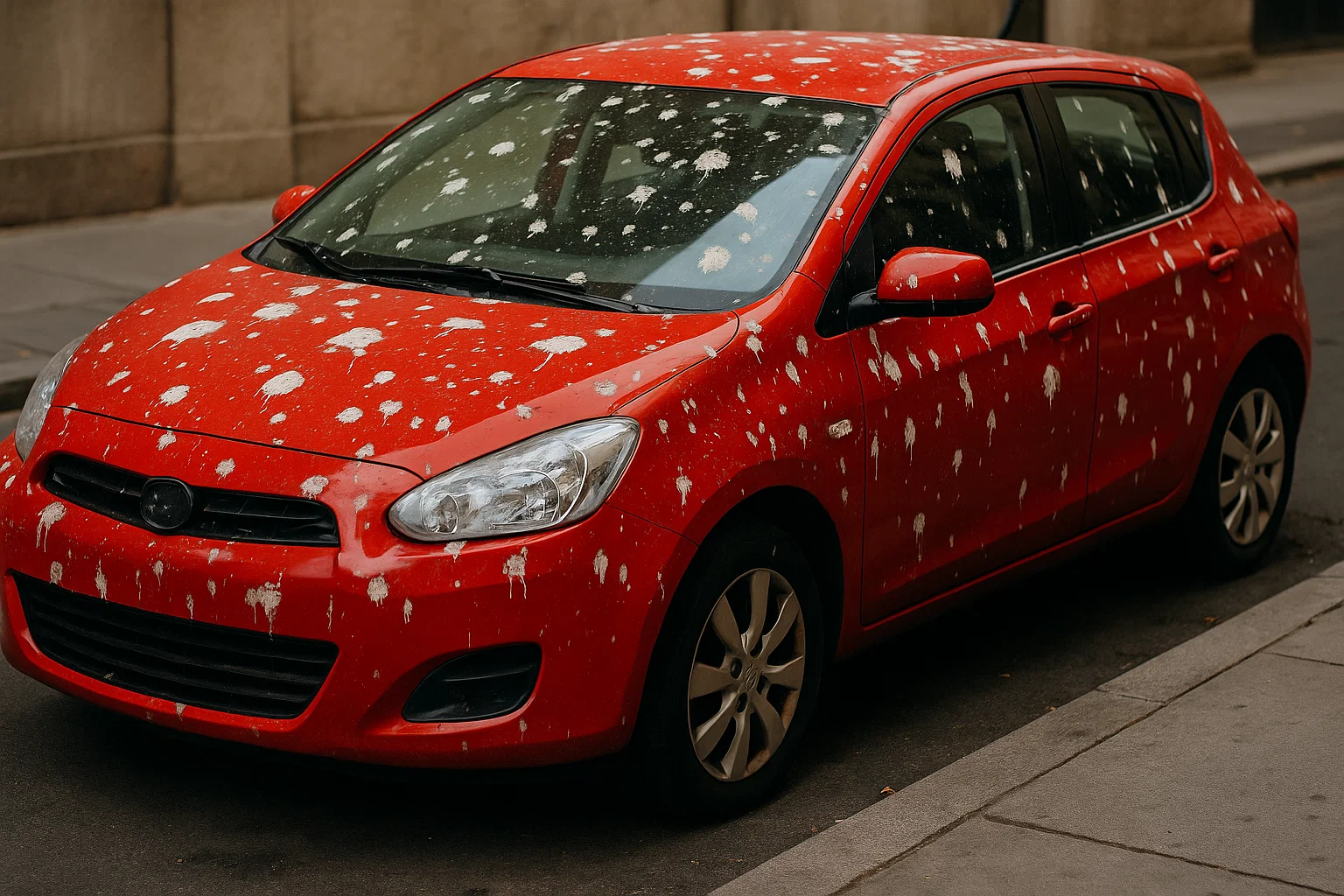
White, gray, and green cars, on the contrary, remain almost unnoticed. Ornithologists believe that these tones remind birds of open spaces - meadows or the sky - where they feel less protected. Therefore, such cars are simply uninteresting to them.
Gloss, Shine, and Mirrors - A Trap for Birds
But not only color plays a role. Shiny surfaces and glossy coatings act like a magnet on birds. They often mistake the reflection in the body or side window for their rival. This is especially evident during the mating season, when males guard their territory and react to any "invasion."
At such moments, birds can not only leave the products of their vital activity on the car, but also literally attack the reflection, scratching the paintwork with their beak or claws.
Why Birds Return to the Same Cars
Some species - such as pigeons and crows - have excellent memory and territorial attachment. If they have ever "visited" a specific car, it is likely that they will return again.
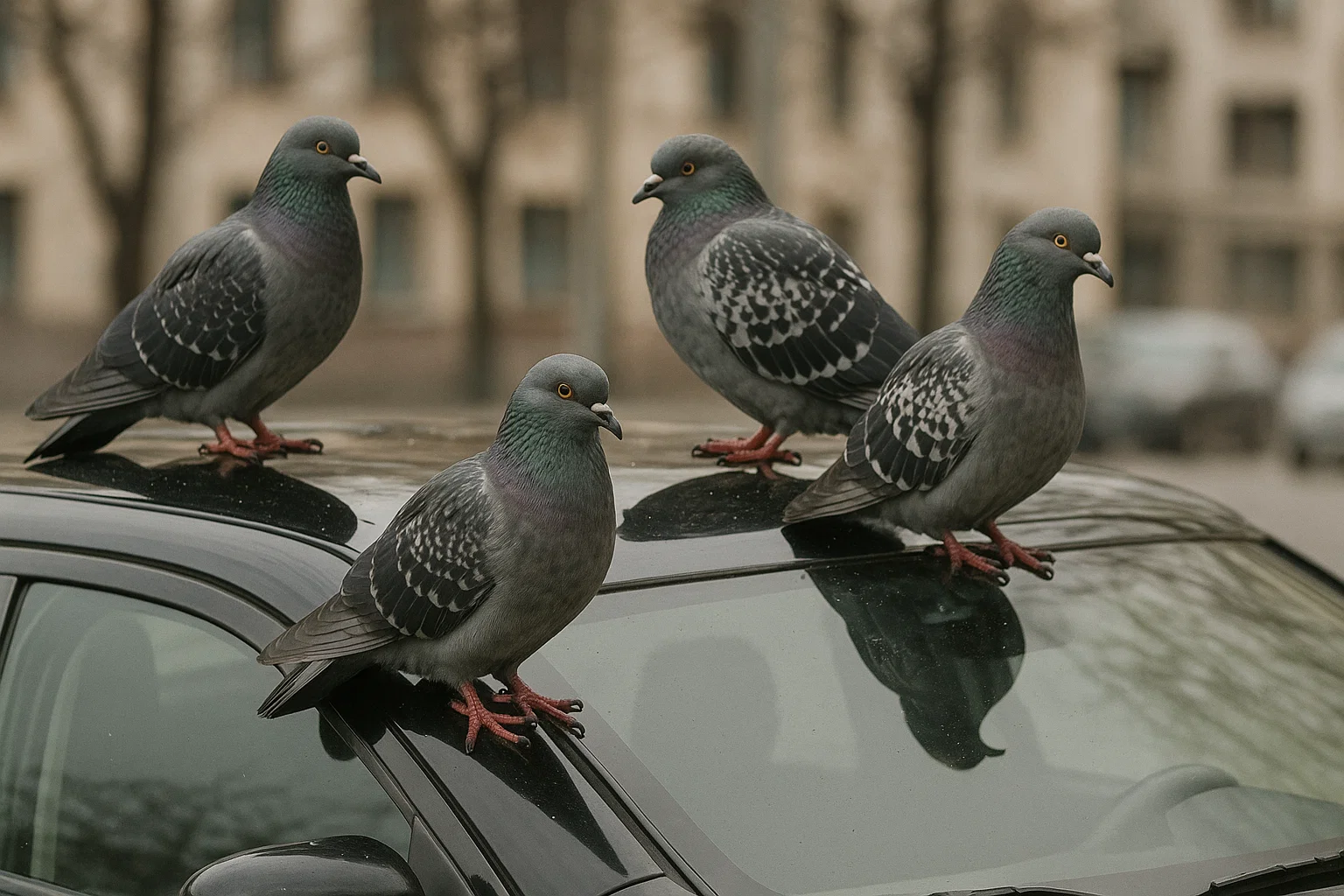
That is why you can notice that some owners' cars remain clean for weeks, while others have bird droppings almost every day - the birds simply remember a familiar resting place or source of reflections.
Which Brands Suffer More Often
According to researchers, Jeep, Chevrolet, Nissan, Dodge, and Kia cars are most often "under attack." However, it's not about the brand at all - it's just that these manufacturers are more likely to use rich dark colors and glossy coatings, which are especially attractive to birds.
Why Bird Droppings Are Dangerous for the Body
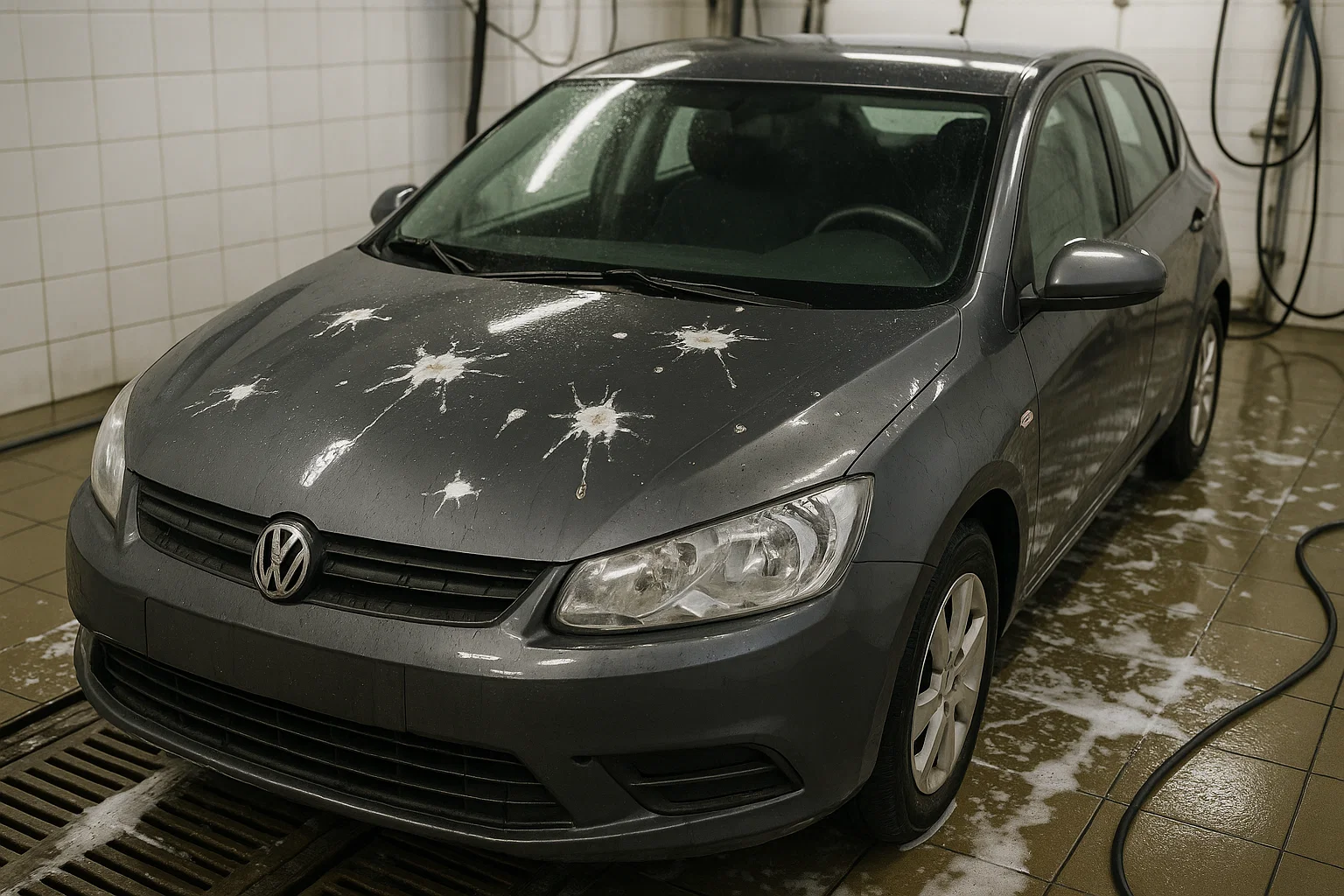
Bird droppings are not just an annoyance, but a real enemy of the paintwork. It contains aggressive acids, especially if the birds feed on grain, berries, or greens. If you do not remove the contamination in time, it can literally "burn through" the varnish and leave a matte spot, and eventually cause corrosion.
How to Protect Your Car from Bird Attacks
Experts advise following a few simple rules:
- Don't park under trees - these are favorite resting places for birds.
- Avoid parking under power lines - especially in hot weather.
- Use a car cover - it will save you from bird droppings and dust, and it is easy to wash if necessary.
- Wash the body regularly - without waiting for traces to eat into the varnish.
- If possible, put the car in covered parking or a garage.
Even simple measures can extend the life of the paintwork and save you from unnecessary polishing costs.
A Little Philosophy at the End
Funny but true: in a world where cars are becoming more and more technological, it is birds that remain one of the most unpredictable factors. They do not distinguish between brands, prices, and configurations - they are only interested in how shiny the surface is.
So, if your black SUV is again "decorated" by feathered artists, don't take it personally. Perhaps it's just too good to go unnoticed.
Read more materials on the topic:
- "The Big Picture is Seen from a Distance": Why Did the Japanese Fall in Love with the UAZ "Bukhanka"?
- What is the Audi E5 Sportback Quattro: The New Product Was Tested on the Go
- The Flagship That No One Bought, But Everyone Remembered: Volkswagen Phaeton
Comments