Lada Vesta, which entered the market in 2015, quickly established itself as one of the best-selling cars in Russia. For its class, the model offered a modern design, decent equipment and, by the standards of the budget segment, good reliability. However, over the years of operation, Vesta has developed a list of characteristic weaknesses that most owners face sooner or later.
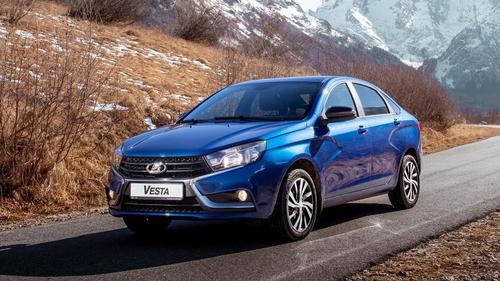
One of the most discussed problems remains the paintwork. It is quite thin on the Vesta, which is why chips on the hood, bumper, door edges and arches appear as early as 20,000–40,000 km. If you do not react in time, the damage quickly turns into foci of corrosion. The joints of plastic elements and, in station wagons, the lower part of the fifth door are especially vulnerable.
Another feature is squeaks and extraneous noises in the cabin. After the first winter, owners begin to notice noise from the door cards, center console, front panel and ceiling light area. The situation becomes noticeably worse in the cold. In the restyled Vesta NG, the problem manifests itself even earlier due to the increased amount of hard plastic. Most often, the reason lies in the friction of the trim elements and the loosening of the fasteners.
The model's electrics are also considered a weak point, and failures occur even on relatively new cars of recent years. Owners complain about incorrect operation of temperature sensors, windshield washer failures, freezes of the instrument panel and multimedia system, as well as interruptions with the rear view camera and heating. After 2022, the situation was complicated by the use of simpler components and a heterogeneous element base.
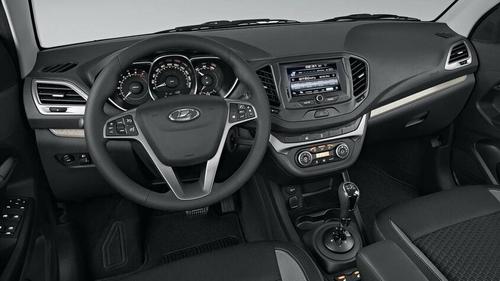
Engines require special attention, many of which are prone to increased oil consumption. On 8- and 16-valve VAZ engines, leaks often appear through gaskets and oil seals even at low mileage. The 1.8 engine is considered the most problematic, in which oil consumption can reach 0.3–1 liter per 1000 km. Even the Renault H4M engine is capable of "eating" up to a liter of oil for the same distance, which the manufacturer formally allows, especially after 50,000 km.
The timing drive is another unit that requires increased control. VAZ engines often experience noise during cold starts, vibrations at idle, and traces of oil in the belt area. On the 1.8-liter engine of early releases, a broken belt led to valve bending, while the updated version with other pistons is devoid of this problem. In the H4M engine with a chain drive, after 100,000–120,000 km, chain rattle and phase failures are possible.
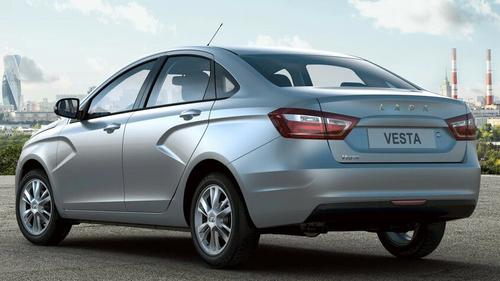
Finally, there are many complaints about the AMT robotic gearbox. Its typical symptoms are jerks when cold, jerks in traffic jams and slow gear changes. The reason lies in the design, based on a mechanical gearbox, as well as in clutch wear, weak actuators and electronic failures. At the same time, regular firmware updates and maintenance can somewhat reduce the severity of the problems, but it is not always possible to get rid of them completely.
Read also materials:
- AvtoVAZ officially explained what gasoline should be poured into Lada
- Moskvich announced prices for the Moskvich 6 sedan of the 2026 model year
- Tank raised prices for the entire model range in Russia: Tank 500, 700 and 400 have become more expensive
Комментарии