Remember the roads 10-15 years ago? A completely different car landscape. A practical Ford Fusion was scurrying around the city, a Nissan Note was quickly parking near stores, and you could meet an economical Toyota Yaris at every intersection. Along with them - a nimble Skoda Fabia, a hard-working Opel Corsa, and an unpretentious Chevrolet Aveo. A whole army of compact but optimal cars.
Their main advantage is honesty. A reasonable price, a clear purpose: a car as a tool, not a demonstration of wealth. Air conditioning and music are not mandatory overpayments. And at the same time, each had its own highlight: character, convenience, engineering logic. They were pleasing, despite their size.
But by the mid-2010s, this class quietly faded into the shadows. Without loud speeches. Just disappeared.
The Golden Age: when compactness was an advantage
Small cars were not born out of economy for the sake of economy. Engineers realized something important: a small car should be designed from scratch, not be a reduced copy of a large one.
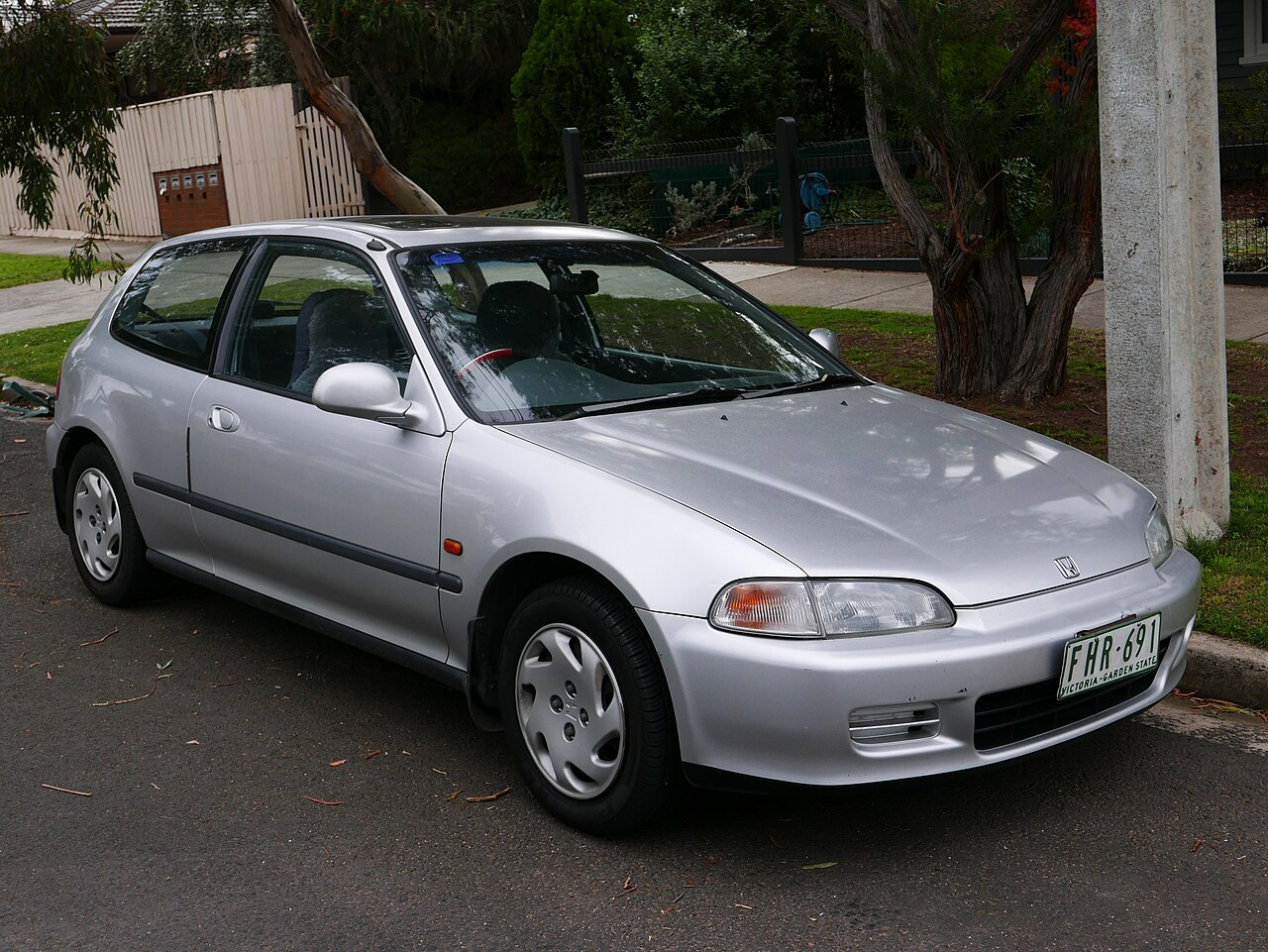
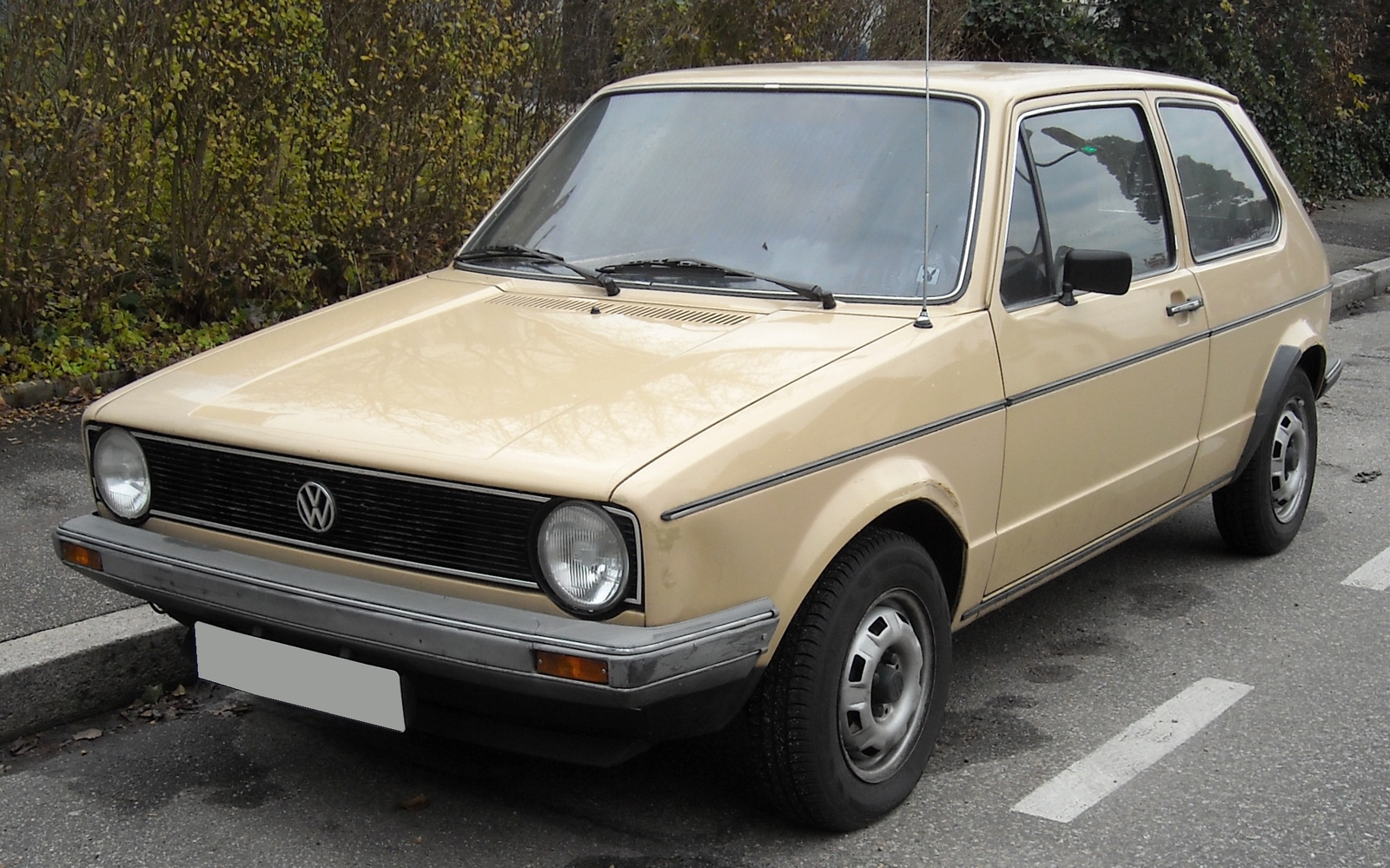
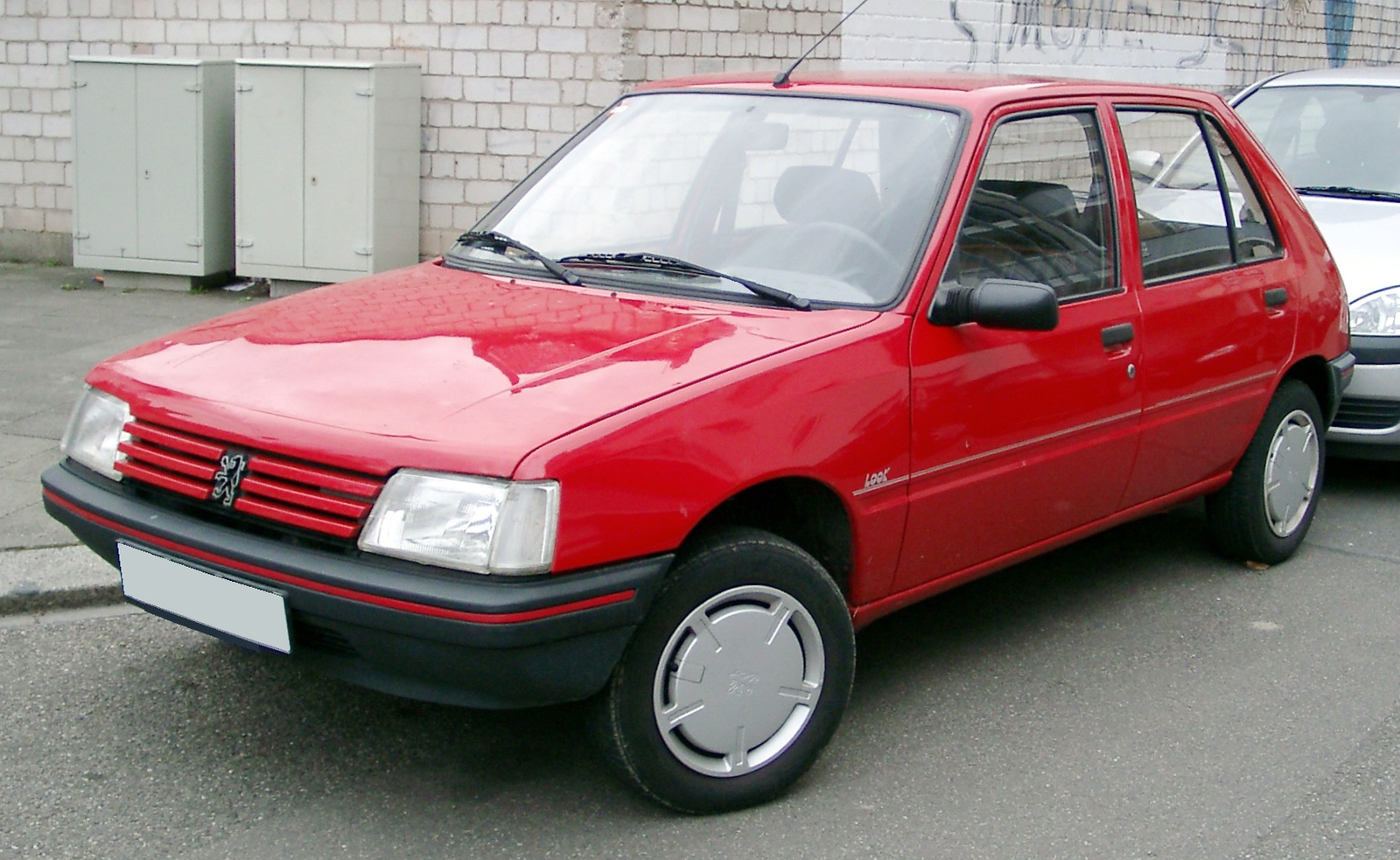
Americans failed with the monstrous Pinto and Gremlin, while the Japanese found the formula for success: Honda Civic, Toyota Corolla, Datsun. Light, reliable and, importantly, fun to drive. Europeans supported the trend: VW Golf, Peugeot 205, Fiat 500 - each model was a small masterpiece of engineering.
Tough competition created choice, and the buyer won.
The Age of Crossovers: when marketing defeated logic
The late 90s became a turning point. Crossovers have become a symbol of wealth. And the reason is not in the needs of consumers, but in the profits of manufacturers.
Why sell a hatchback for $14,000 if the same customer will easily take a crossover for $28,000? The cost is almost the same, the margin is twice as high.
Marketers did their magic:
- "You need all-wheel drive" - although it is often not needed
- "Safety is higher" - without statistical evidence
- "High seating position - status" - just instilled
And where there is status, there is also a wallet.
The Financial Trap: The "Just a Thousand a Month" Rule
Previously, they paid cash for a small car. Today, everything is tied to loans and leases.
The manager in the showroom smiles:
"Well, what are you... just a couple of thousand rubles a month more - and you're in a crossover!"
Overpayment of tens of thousands looks invisible. This is how small cars were deprived of their main competitive advantage - affordability.
The Myth of "Height" Debunked by Numbers
"Sit high - see far". But let's figure it out.
Let's compare a budget crossover and a regular sedan:
- ground clearance differs by 2-3 centimeters
- seating position - by 7-8 centimeters
In a city where 90% of cars are the same crossovers, this gives zero advantage.
But the disadvantages are real:
- more fuel consumption
- worse handling
- more weight → faster wear
Height is an illusion for which you overpay every day.
What we have lost
We have lost a reasonable choice. Compact cars have given way to inflated "urban SUVs", which: cost more, "eat" more, handle worse and do not give real advantages.
Small cars disappeared not because they were outdated. They were destroyed by greed and marketing - and our desire to feel "cooler".
Is there a chance of a return?
Maybe. When another generation of motorists realizes that status centimeters of height are not a reason to take out a loan for 7 years, the market may swing back to reason.
But for now, the roads are filled with the same crossovers, driven by drivers who believe in the magical power of seven centimeters.
Read more materials on the topic:
- Volkswagen XL1: the most economical hybrid in the history of the brand
- French technology outside the rules: 5 solutions that no one else had
- Why engine power is measured in horsepower
Комментарии