Lamborghini has a shadowy side of history that not everyone knows about. We are talking about concepts and prototypes that seriously claimed to live outside of podiums and auto shows, but eventually remained museum exhibits and rare tales for connoisseurs. We have collected five such cars and saw: the brand was not always associated exclusively with aggression, noise and demonstrative power. In certain periods, Lamborghini tried directions that today, perhaps, would not even pay attention to. Unlike us.
Lamborghini Bravo
The Bravo project was conceived as a relatively affordable supercar, but in the end it turned out to be too radical even by the standards of the Bertone studio. Absolutely clean surfaces, rigid geometry, extremely strict lines - without trying to please or smooth out the corners. The appearance looked so bold that parallels with much later experiments in automotive design involuntarily suggest themselves.
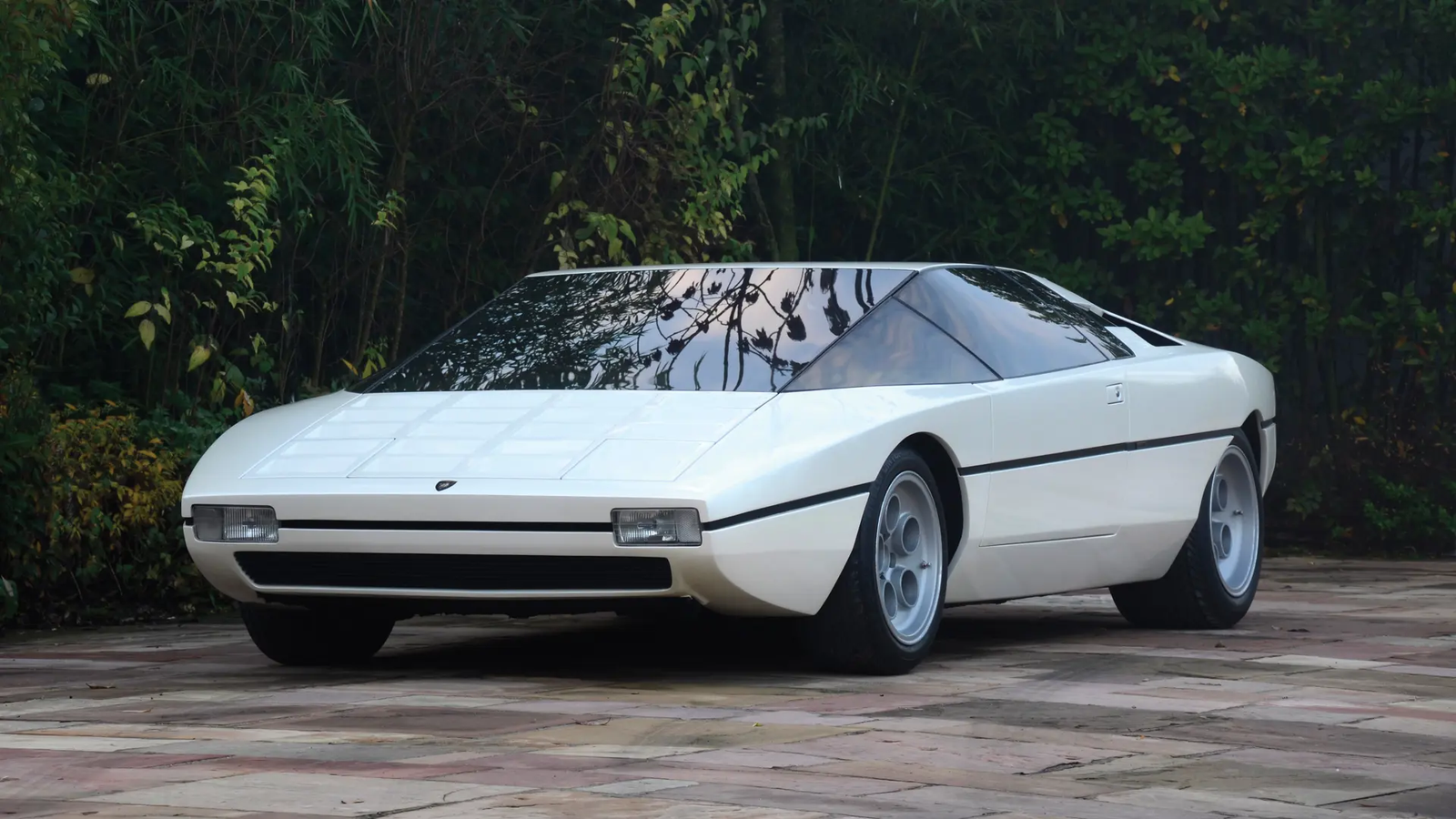
Technically, Bravo was no less interesting. It was based on a shortened Urraco platform and received a transversely mounted V8 - almost a textbook example of how to build a compact supercar. The car never went into series production, but its ideas were not lost without a trace: elements of the Bravo philosophy later appeared in the Gallardo and Huracan.
Lamborghini 400 GT Monza
The history of Monza is a rare case when a third-party workshop showed more confidence than the brand itself. The Neri and Bonacini atelier built a grand tourer based on the 350/400 GT, completely made the body out of aluminum and installed a V12, which seemed to be created for racing tracks like Le Mans.
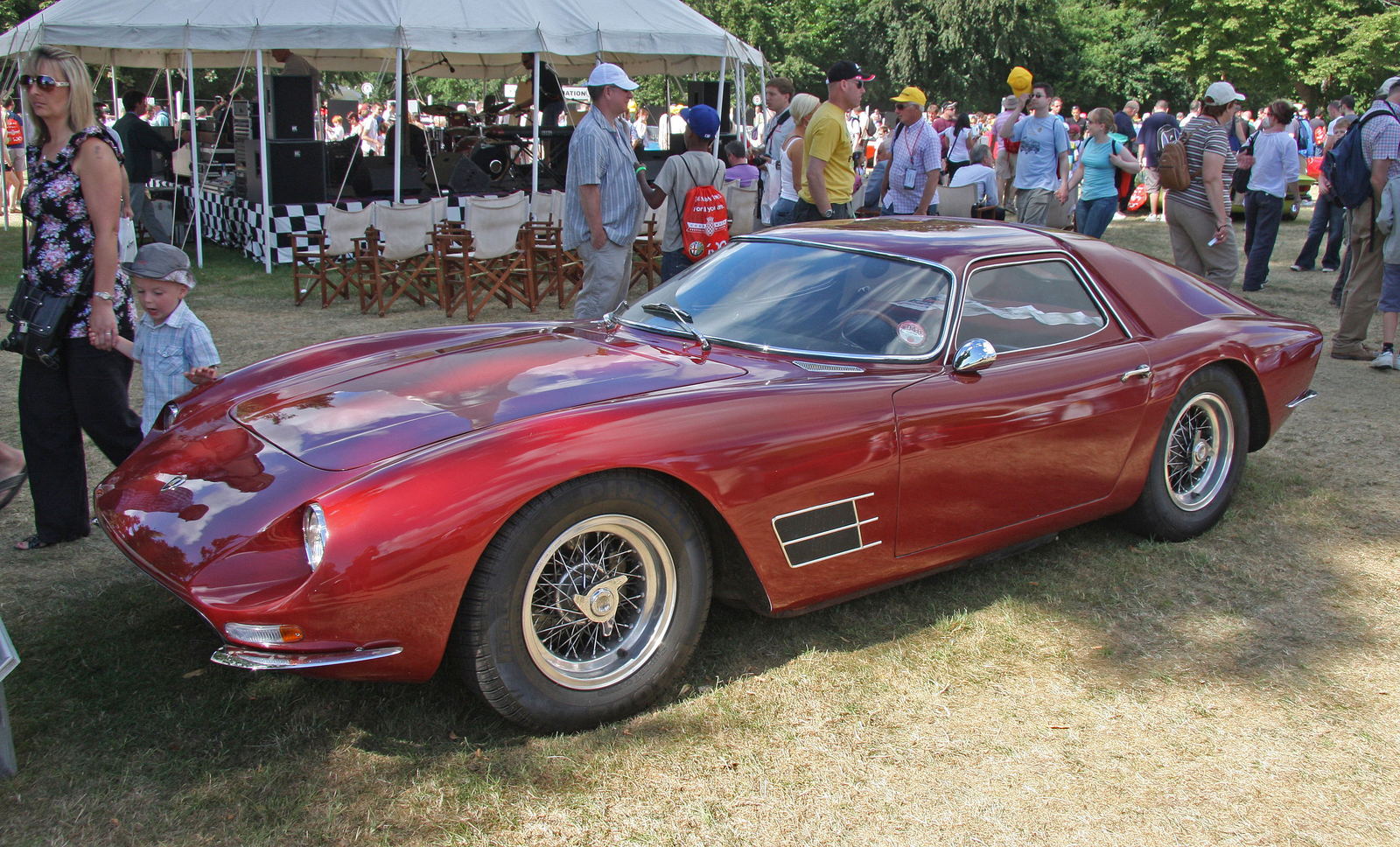
However, the regulations turned out to be inexorable. The project was not given the green light, and the car was with a Spanish enthusiast for some time, after which it literally disappeared for decades. Only years later, Monza was discovered and sold at auction, already as a historical rarity.
Lamborghini Marzal
The idea of Marzal was built around transparency - in the truest sense. Huge glass doors, a wedge-shaped profile, a flat nose and six headlights created the feeling of a car of the future, through which you could literally see through.
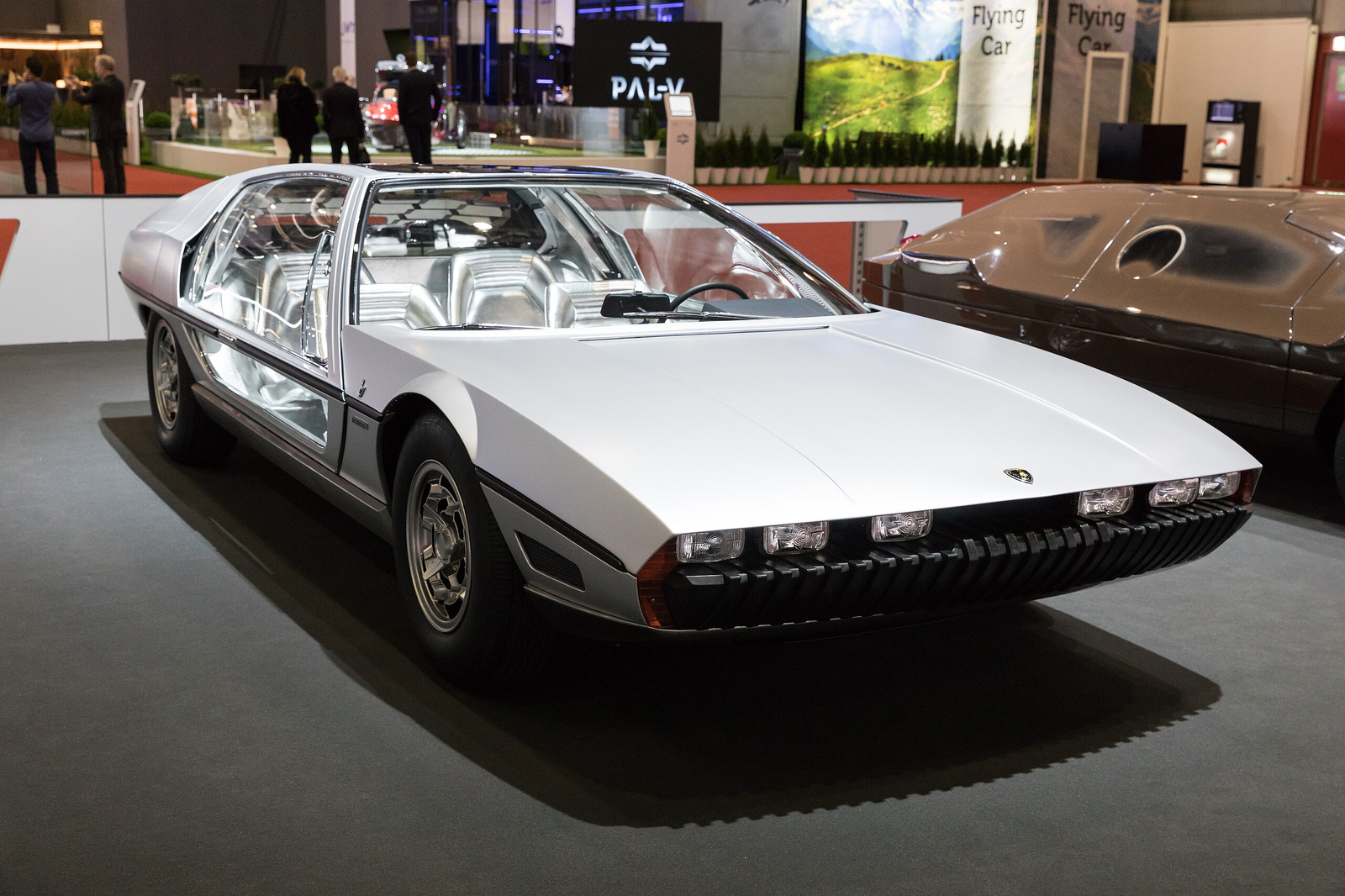
The model was conceived as a four-seater predecessor to the Espada, but with a much more modest technical filling: a two-liter inline "six" with a transverse arrangement. The long hood, however, was more of a visual deception. At that moment, Lamborghini was trying to enter the family segment, but the experiment turned out to be excessively bold and did not find support.
Lamborghini Faena
Faena became another attempt to get closer to the format of a family car. The project, to put it mildly, turned out to be controversial - both by the standards of its time and from a modern point of view. Designer Pietro Frua took the Espada as a basis, lengthened it, added two additional doors and tried to create the perfect tourer of the late 1970s.
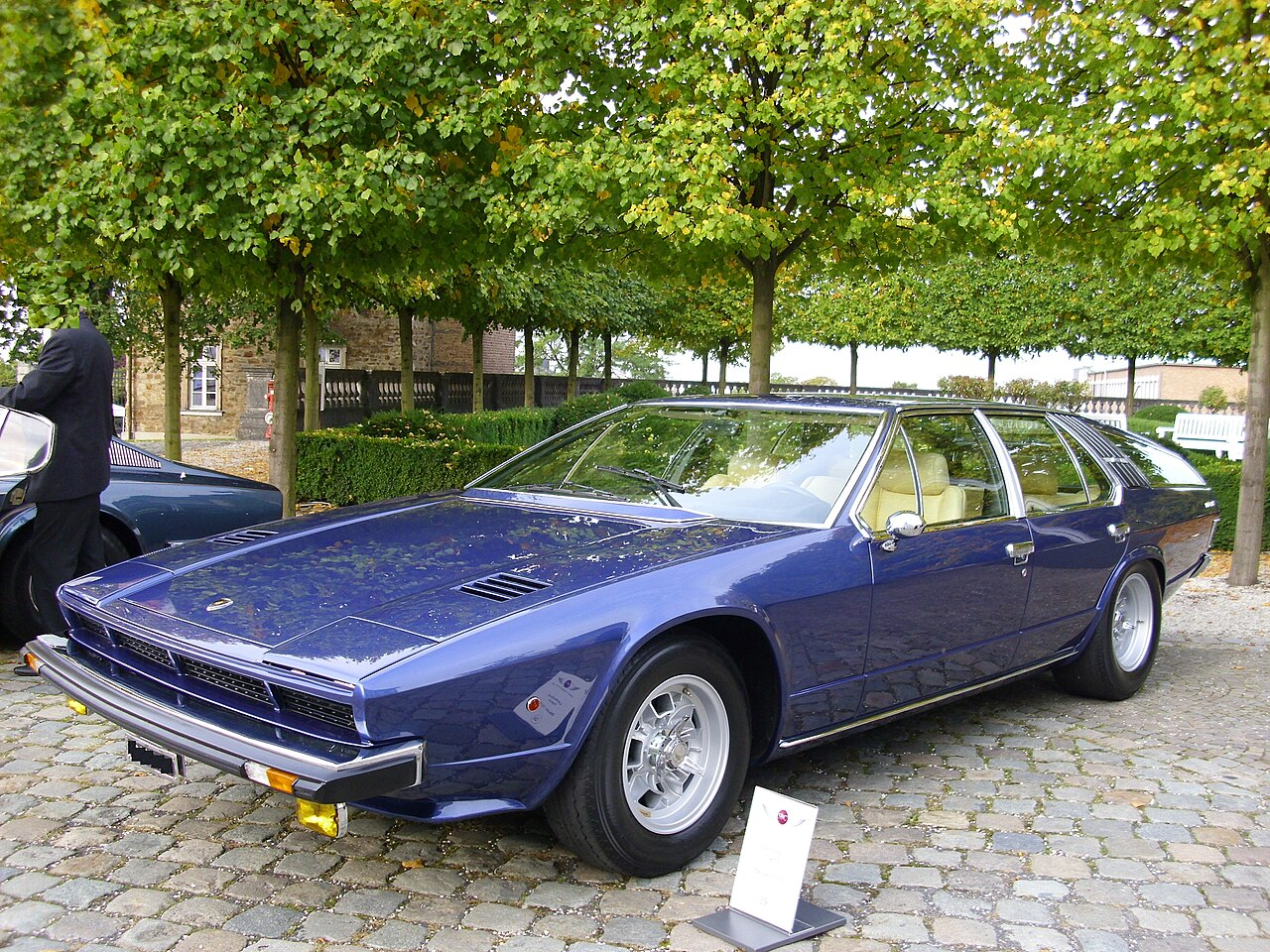
The result was a large car with impressive dimensions and a decent level of comfort in the cabin. However, the public was not ready for such a Lamborghini. Moreover, even today, the appearance of Faena evokes contradictory associations and seems frankly heavy.
Bertone Genesis
Genesis is an example of a concept that seemed to defy common sense itself. The idea sounded simple and crazy: take the engine from the Countach and install it... in a family minivan. That's what they did. Sliding rear doors, giant front doors that rise together with part of the wing, and a 5.2-liter V12 with a capacity of 455 hp, located in the front.
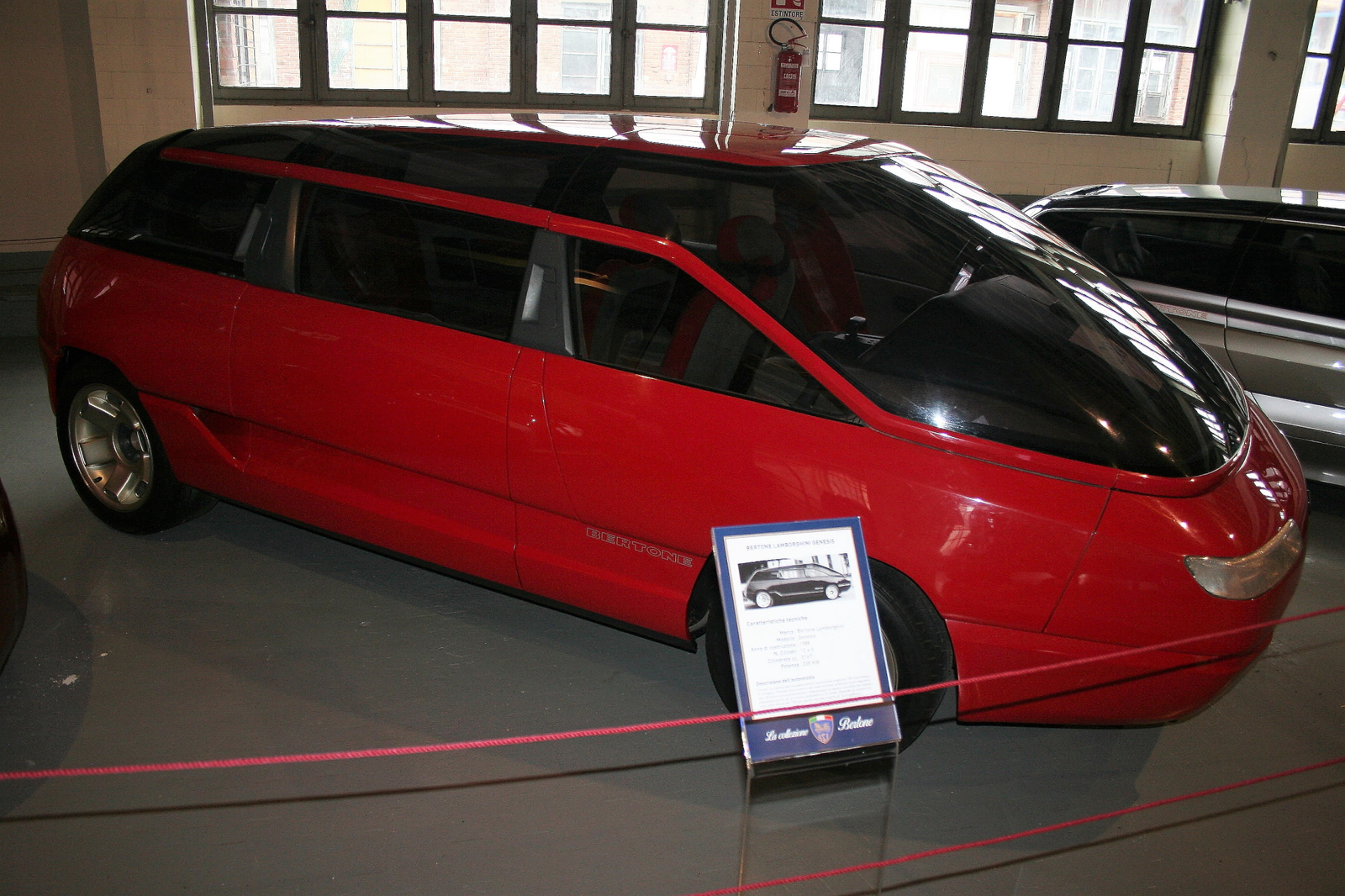
It was a car that seemed not to exist at all. Neither then nor now was the world ready for such a combination of design, format and philosophy. Nevertheless, it was Genesis that became one of the most memorable experiments of Lamborghini - pure, demonstrative madness without trying to justify itself.
The history of the brand shows: Lamborghini did not always follow the path of strength, noise and visual aggression. In different years, the company looked for alternative routes, experimented with formats and ideas that did not resonate with the public of its time. Today, these projects look incredibly bold and in many ways ahead of their time. And no matter how their fate turned out, it was these unsuccessful attempts that also shaped the Lamborghini brand as we know it now.
Read more materials on the topic:
- Why the US abandoned cabover trucks
- New Year with new signs: what road markings will appear from January 1?
- Thieves will not pass: the best methods of car protection in 2025
Комментарии