Cars that have served in carsharing are massively entering the secondary market and attracting buyers with impressive discounts. On specialized platforms, you can find popular models - from budget Volkswagen Polo to BMW and Mercedes - at prices 30-40% lower than the market. But along with the benefits comes a package of risks that many prefer not to think about.
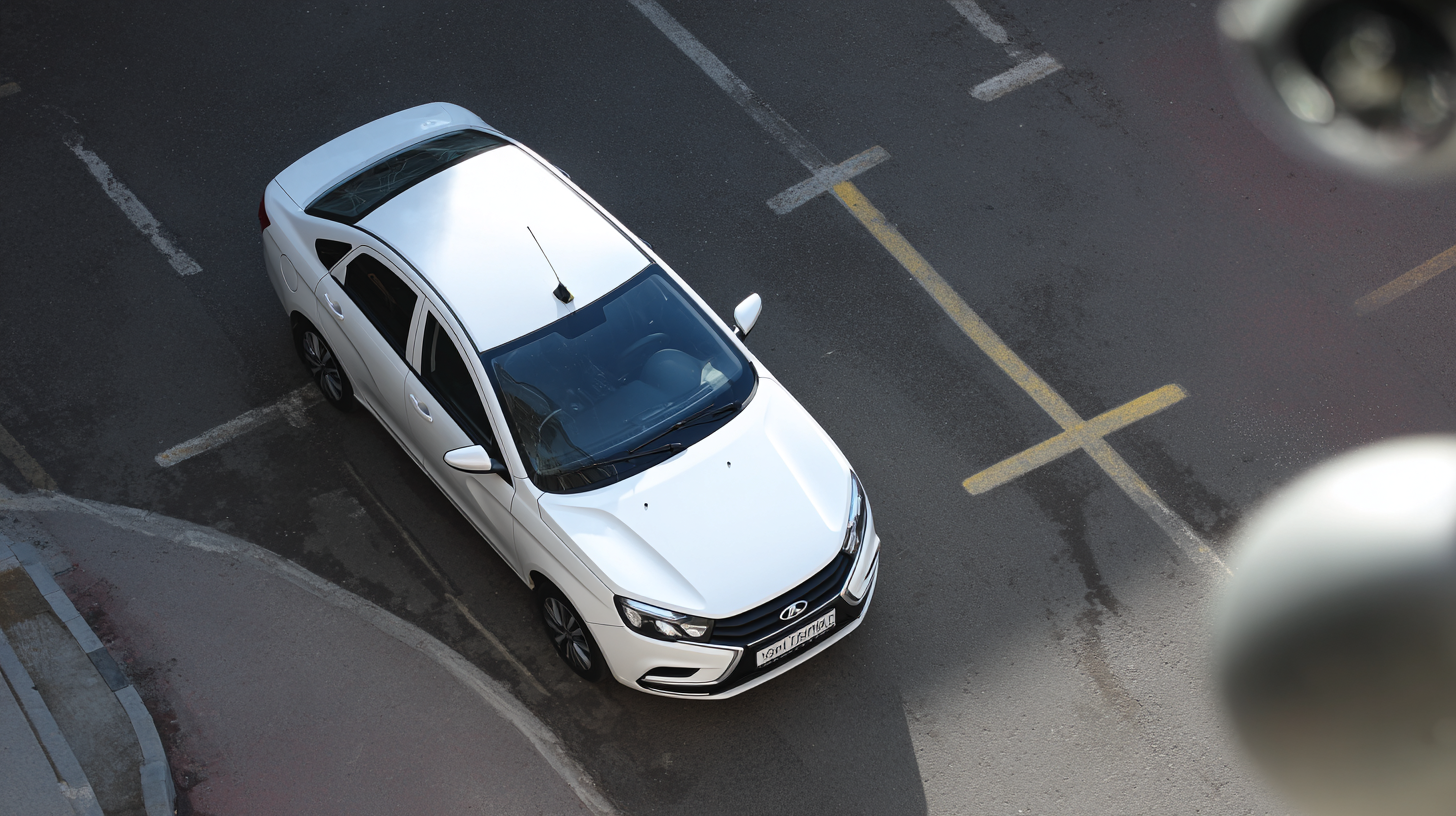
In the showroom on Varshavskoye Highway, the first impression is deceptive: from a distance, the cars look decent, but upon closer inspection, traces of budget repairs appear - uneven paintwork, Chinese glass, crooked gaps, re-stitched steering wheels, and worn seats. Telematics have been removed, there is no spare tire, the niche for it is closed with self-tapping screws, and the car interiors show scuffs and signs of wear. Managers assure that maintenance was according to regulations, but do not provide supporting documents.
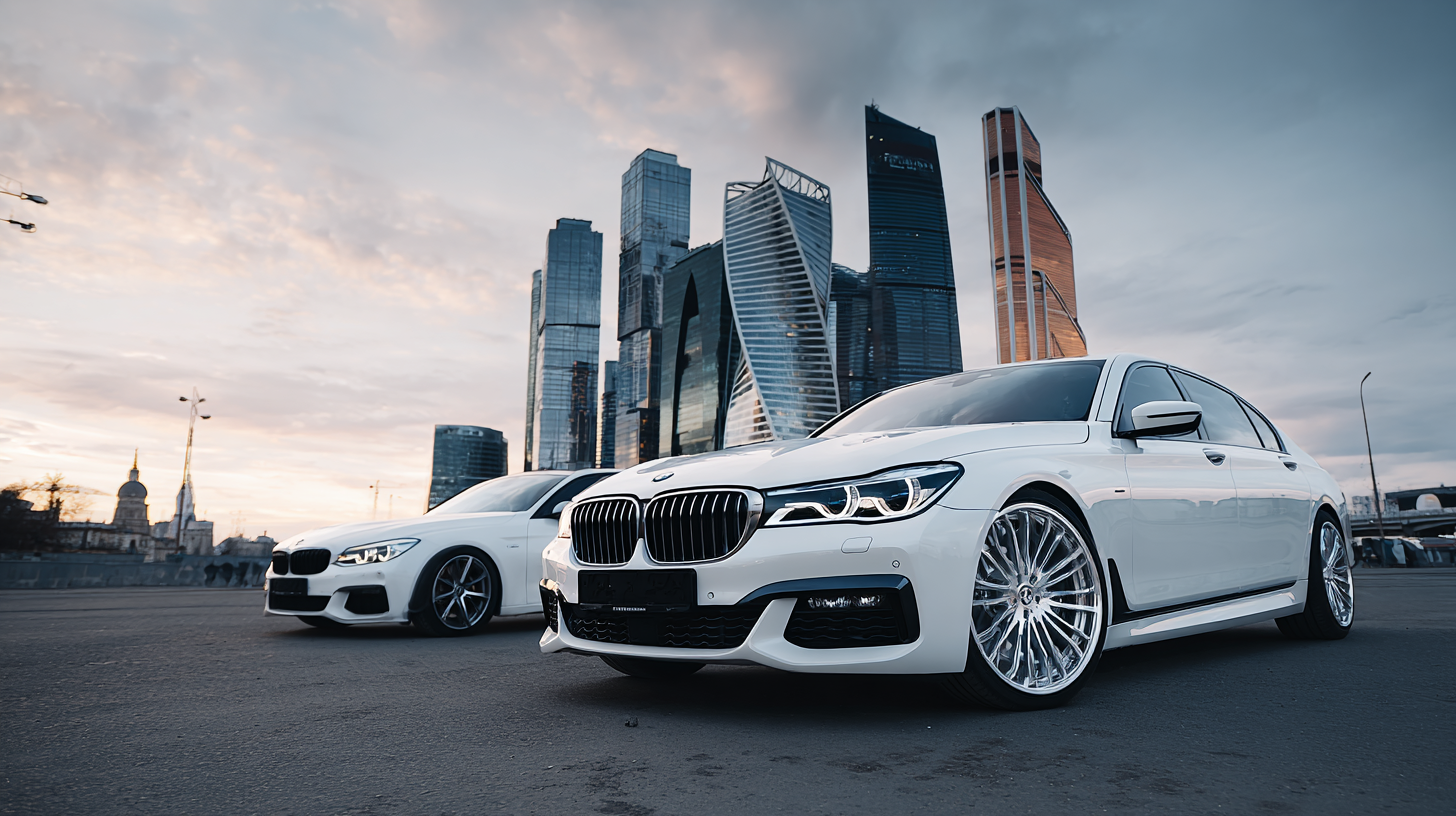
Upon inspection of some cars, it turns out that the mileage of 180-200 thousand seems underestimated; taking into account the operation, the expert advises to safely multiply it by two. Thickness gauges show repainting on half of the body, and a diagnostic scanner reveals a scattering of errors in a BMW. Only individual Mercedes specimens look more well-maintained, but even there, there are problems with the interior, missing elements, and tired trim materials.
Nevertheless, the savings are noticeable. 2017 Polo models are offered for 650 thousand rubles instead of million-ruble prices on the market. BMW 320s cost from 1.5 million, which is at least 500 thousand lower than average offers. Mercedes E200 - from 2.0 million with a market start from 2.7 million. For many, this is a decisive argument, and potential buyers - mainly visitors planning to work in a taxi - are crowding around the cars.

Separately, it is worth considering the psychological factor. A buyer, seeing such a tempting price, unconsciously lowers the requirements for the condition of the car, convincing himself that "in extreme cases, I will repair it." But in reality, the cost of bringing such a car into order can easily approach the price of a more well-maintained option from the market, and sometimes even exceed it - especially when it comes to BMW and Mercedes models with expensive components and electronics.
The main advantages are legal purity, transparent origin, fixed prices, the possibility of free diagnostics, and purchase directly from the owner. But the disadvantages are much more significant: extremely harsh operation, critical mileage, tired bodies, lack of service records, barbaric attitude to the interior, and future difficulties with resale due to the mark "used in carsharing."
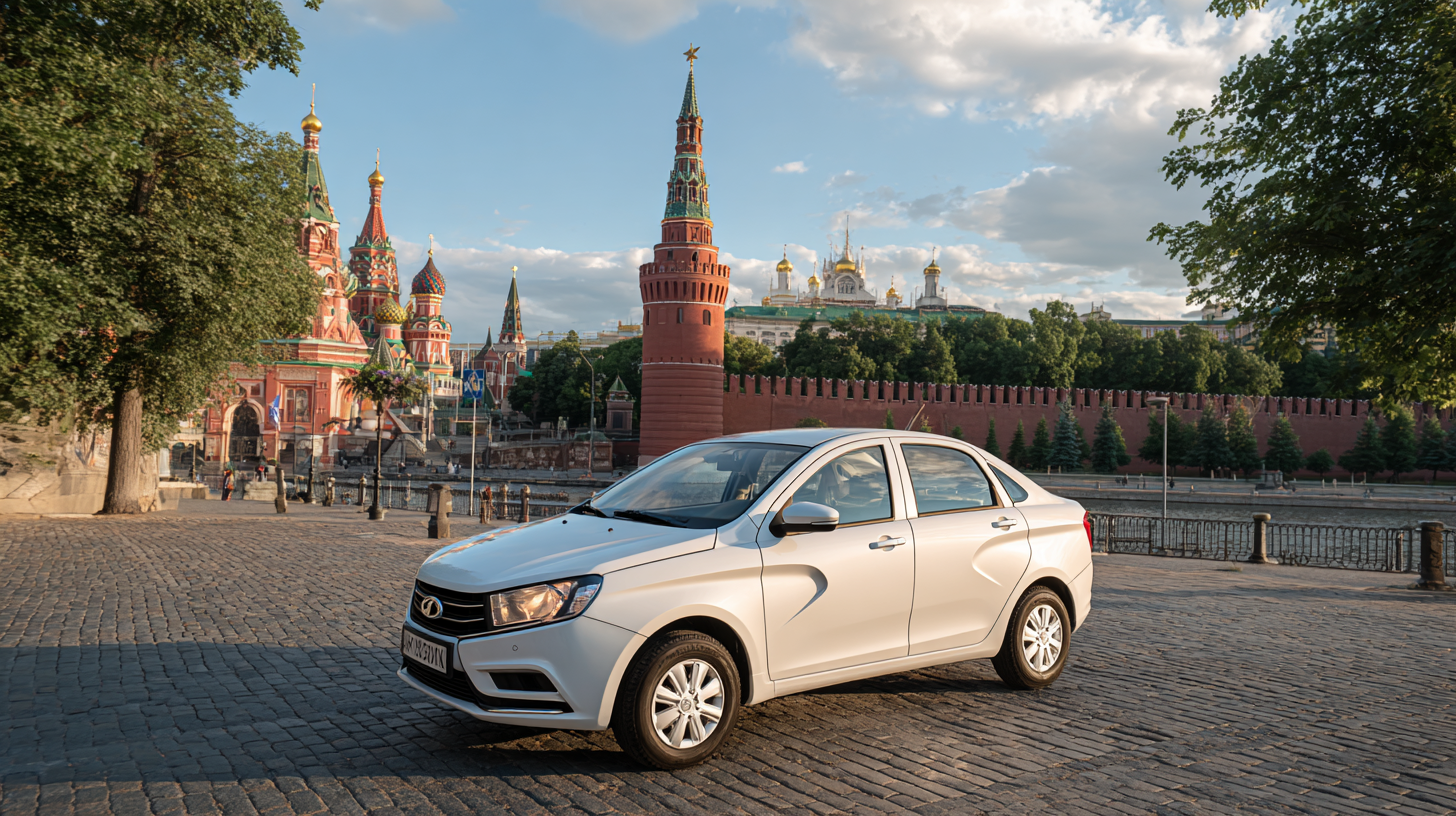
The conclusion is unambiguous: you can buy a car after carsharing, but only if you are ready for significant investments and understand the risks. This option is suitable for bold and pragmatic buyers with a financial cushion who consciously choose a low starting price for the sake of subsequent expenses. For the rest, this is an almost guaranteed lottery that can quickly turn savings into a costly problem.
Read more materials:
- AvtoVAZ Officially Explained Which Gasoline Should Be Poured into Lada
- Moskvich Announced Prices for the Moskvich 6 Sedan of the 2026 Model Year
- Tank Raised Prices for the Entire Model Range in Russia: Tank 500, 700, and 400 Have Become More Expensive
Комментарии