Antifreeze remains one of the most underestimated working fluids in a car. Most owners carefully monitor the condition of engine oil, less often brake fluid, but the cooling system is often only remembered when the engine overheats. Meanwhile, it is antifreeze that ensures a stable thermal regime, protects system elements from corrosion, prevents the formation of deposits, and guarantees the car's operability in winter.
Even high-quality coolant loses its properties over time. Its chemical composition changes, additives break down, and the effectiveness of protection decreases - all of this directly affects the reliability and life of the engine. There are a number of objective signs that can determine the need for replacement.
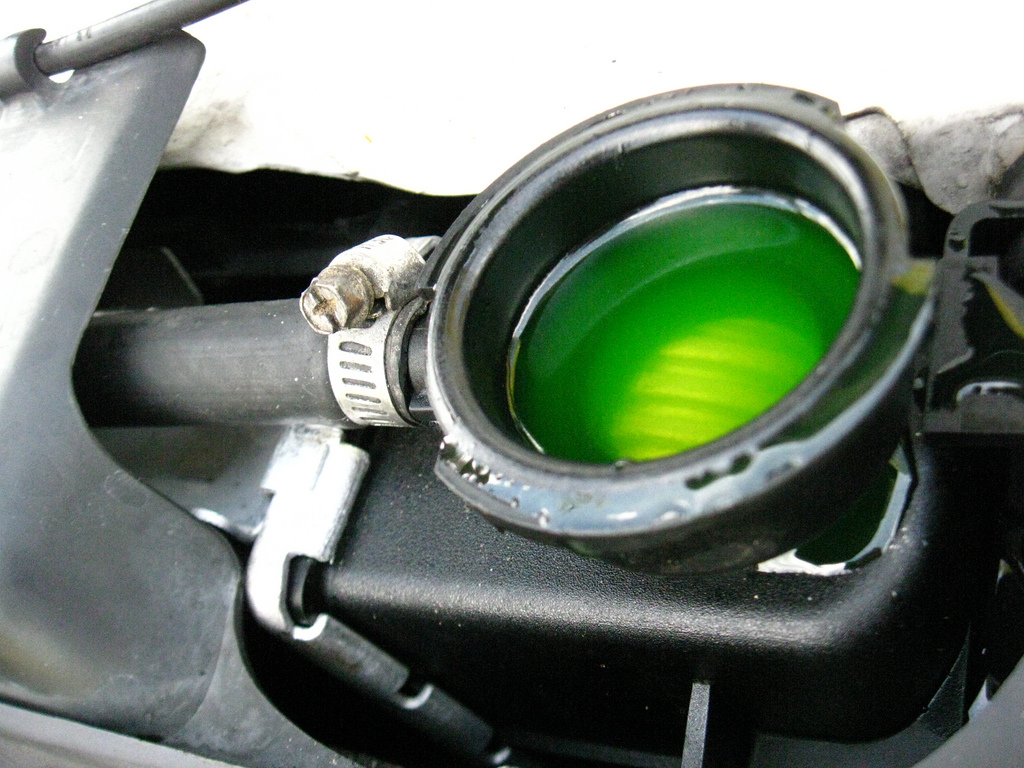
Signs Indicating the Need to Replace Antifreeze
The main signals include:
- Cloudiness or sediment. Good antifreeze is always transparent and homogeneous. The appearance of turbidity, flakes, or suspension indicates the destruction of additives.
- Color change. A sharp transition from the original shade to rusty, brown, or gray indicates the degradation of the composition.
- Foreign smell. The smell of burning, chemicals, or pronounced sweetness indicates the decomposition of components.
- Temperature regime violations. Frequent deviations of the temperature needle towards overheating require checking the cooling system.
- Exceeding the service life. Most universal antifreezes are designed for 2-5 years, but a safe guideline is to replace every 3 years or after 60-80 thousand km of mileage (taking into account the recommendations of the car manufacturer).
Common Mistakes During Replacement
An incorrect approach to servicing the cooling system can be no less harmful than a complete lack of care:
- Waiting for a critical moment. Operability in winter does not mean maintaining anti-corrosion properties.
- Excessively frequent replacement. High-quality antifreeze does not require updating every season.
- Adding incompatible liquids. Mixing antifreezes of different types and manufacturers can cause chemical reactions, sediment formation, and radiator damage.
Common Myths
There are several persistent misconceptions:
- "Antifreeze does not need to be changed until the engine overheats." In practice, overheating is already a consequence of the loss of protective properties.
- "Replacement is only required before winter." Modern compositions are designed for year-round operation.
- "Color determines the properties of the liquid." Color is only used for identification and does not reflect the chemical composition.
How to Check the Condition of Antifreeze Yourself
A basic assessment can be carried out without specialized equipment:
- inspect the expansion tank for transparency and color;
- assess the consistency of the liquid;
- check the smell;
- use test strips to measure pH;
- monitor the level - its sharp drop may indicate leaks.
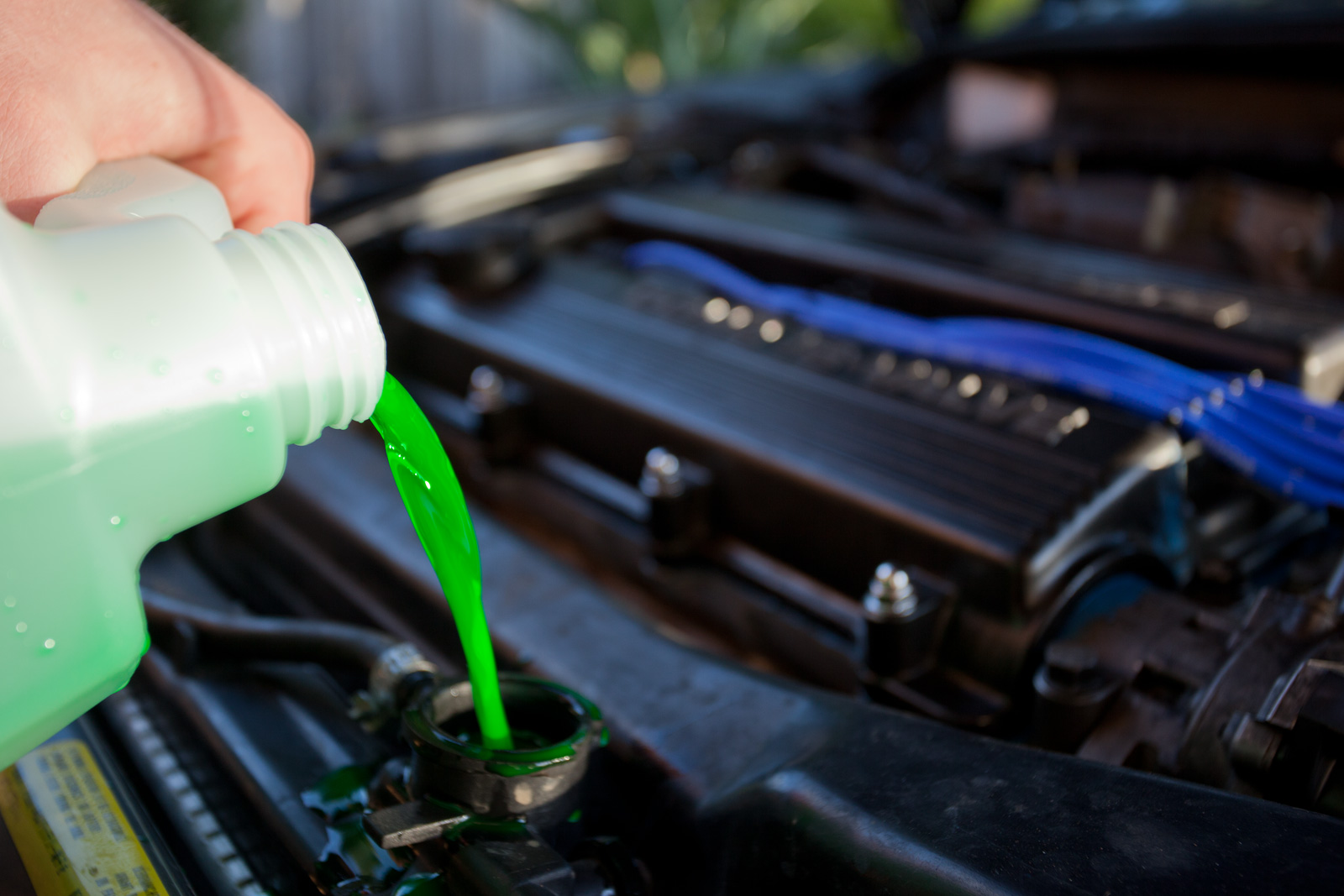
Consequences of Untimely Replacement
Operating old antifreeze leads to a number of serious problems:
- internal corrosion of the radiator, pump, and pipes;
- formation of deposits that impair circulation;
- incorrect operation of the thermostat;
- expensive repair of the cooling system and engine.
Recommendations for Selection and Maintenance
When replacing, it is necessary to strictly observe the tolerances specified by the car manufacturer (G11, G12+, G13, etc.), do not mix different types of liquids, and, in the absence of experience, entrust the procedure to specialists.
Antifreeze is not a formal consumable, but an important element of engine protection. Regular inspection and timely replacement are much cheaper than eliminating the consequences of overheating and corrosion. The optimal approach is to record the date of service and adhere to the regulations, ensuring stable and reliable operation of the cooling system.
Read more materials on the topic:
- Engine Misfiring: Causes, Signs, and Why It's Dangerous
- Why Small Turbo Engines Drive Faster Than Large V8s
- Is It Possible to Install Directional Tires Backwards: Myth and Reality
Комментарии