The Porsche 911 Carrera S is an often underestimated model. It doesn't sound as impressive as the GT3 or Turbo S, doesn't offer a manual gearbox like the Carrera T, and doesn't showcase hybrid innovations like the GTS. But this version remains the sweet spot of the entire 911 lineup - and perhaps the most balanced.
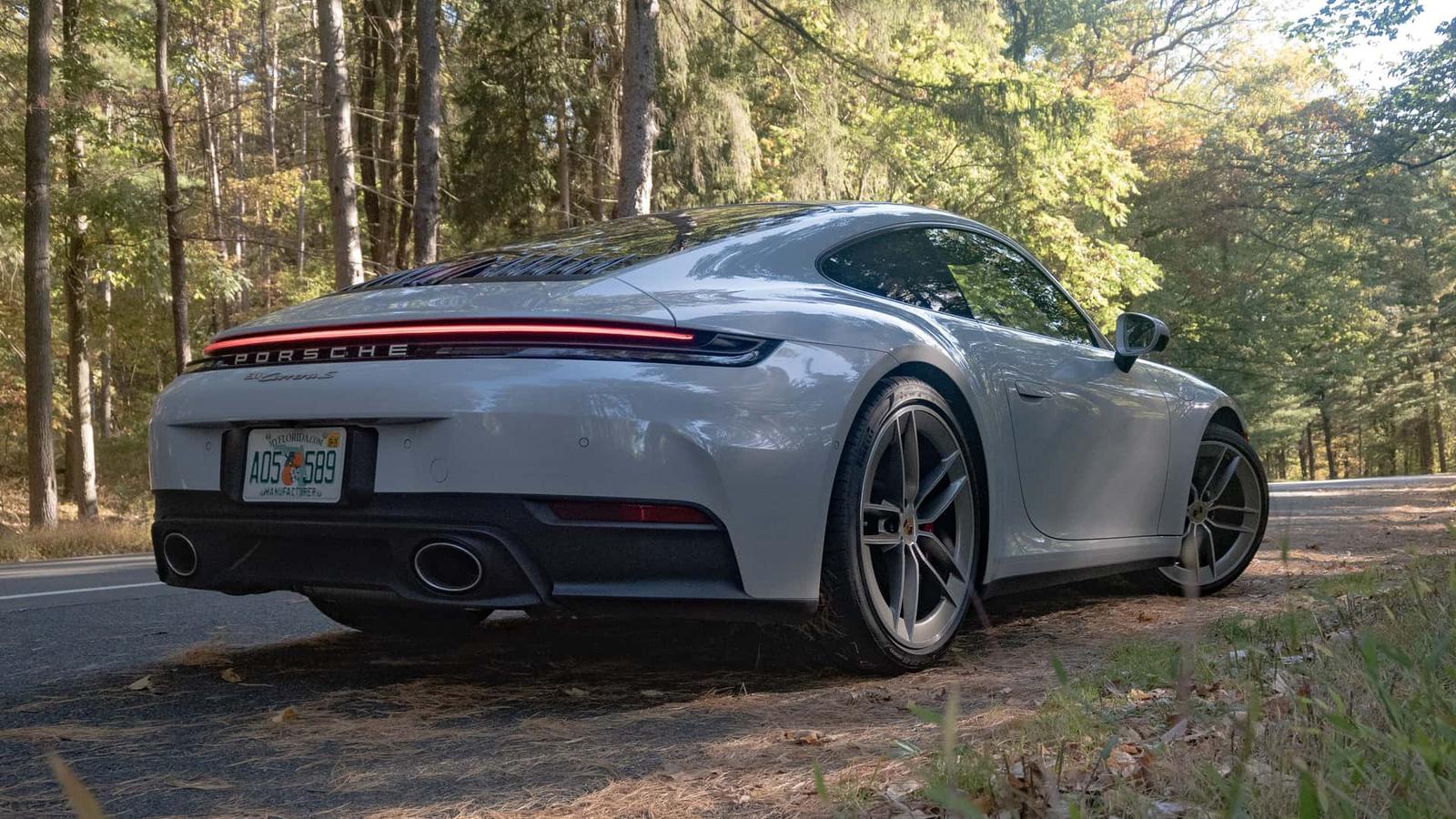
Under the hood is a 3.0-liter flat-six with two turbines, producing 473 hp and 529 N·m of torque. Paired with an 8-speed PDK "robot" and rear-wheel drive, the coupe accelerates to 100 km/h in just 3.3 seconds. The top speed is 307 km/h. Despite the tightened Euro 7 environmental standards, the engine has become even more responsive: the turbines hardly feel the "turbo lag", and after 6000 rpm the engine literally explodes, spinning up to 7500.
The balance of the chassis and the responsiveness of all controls are what make the Carrera S a truly "alive" car. Even in everyday driving, you can feel the signature "rear-engine" dynamics of the 911. The test car is equipped with an adaptive PASM Sport suspension, which lowers the ground clearance by 10 mm. On smooth roads, it provides perfect body control, but on uneven surfaces, the stiffness is felt - for the sake of comfort, it is better to abandon this option.
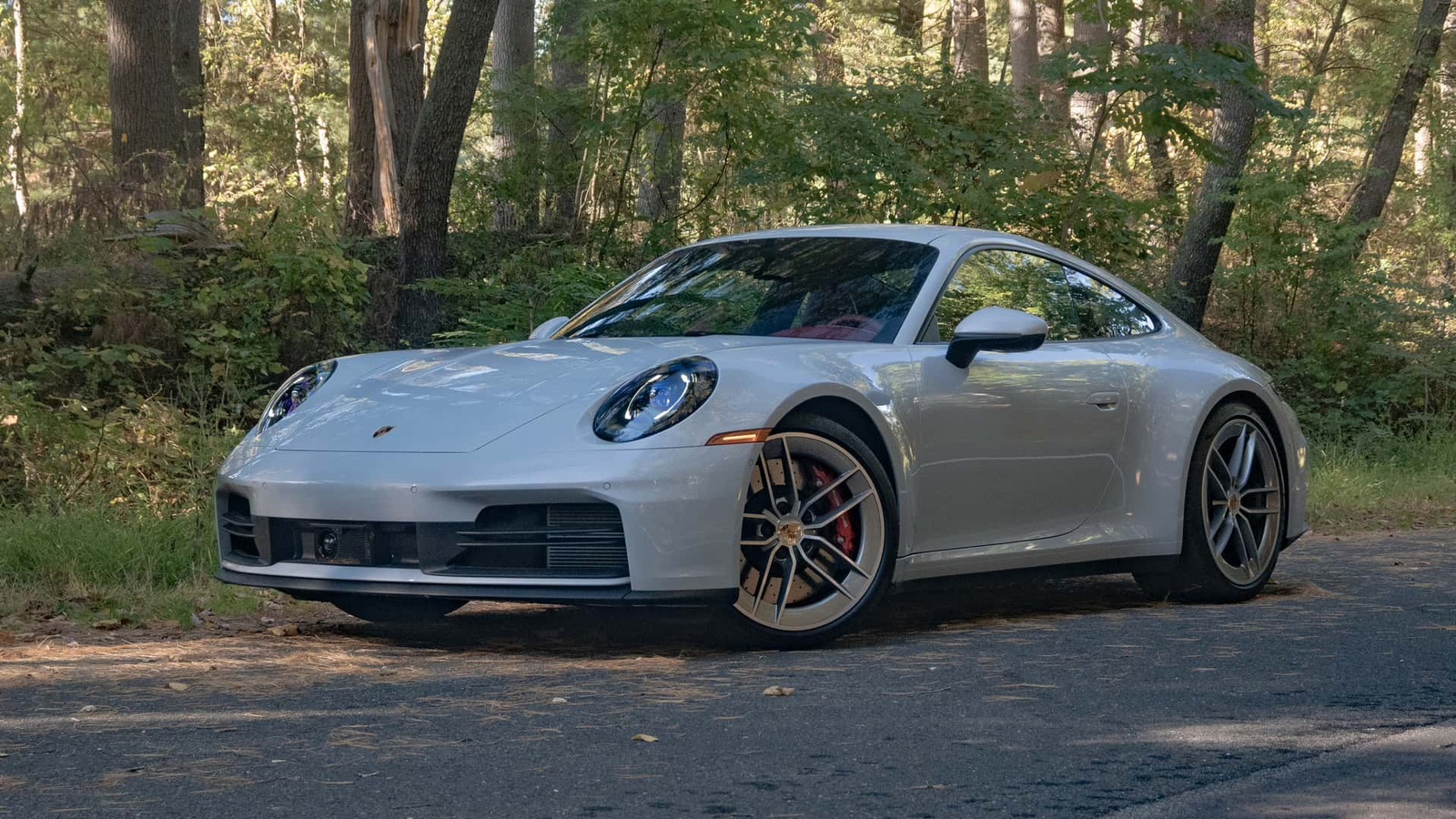
The braking system deserves special mention: the pedal provides incredibly precise feedback, allowing you to feel the moment the pads contact the disc. This is the very detail that distinguishes real sports cars from just fast ones.
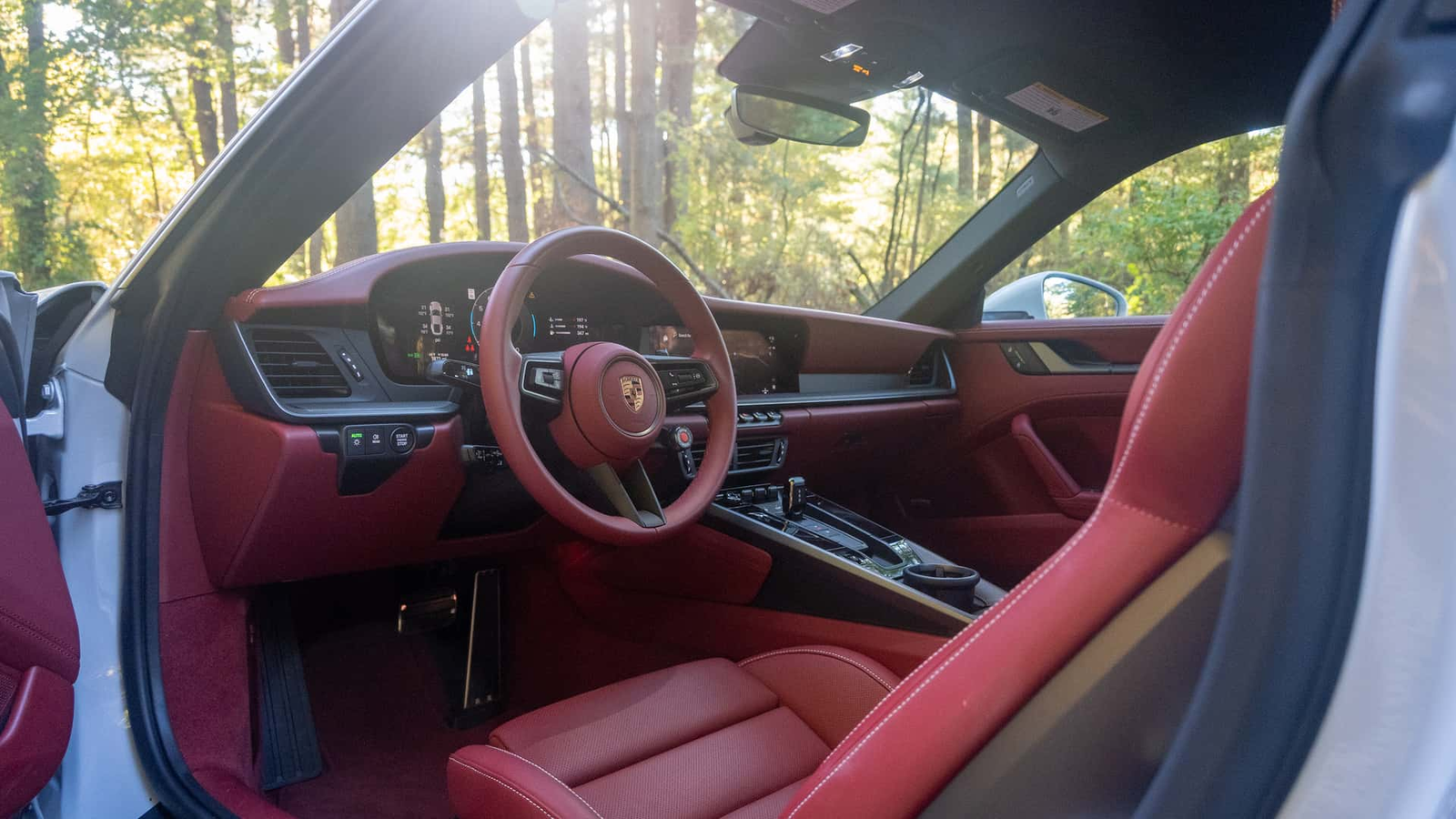
The Carrera S is a versatile sports car. In everyday conditions, the engine runs quietly, the gearbox smoothly shifts gears, visibility is excellent, and the interior retains physical buttons - a rarity these days. The multimedia system is intuitive, and the ergonomics are impeccable.
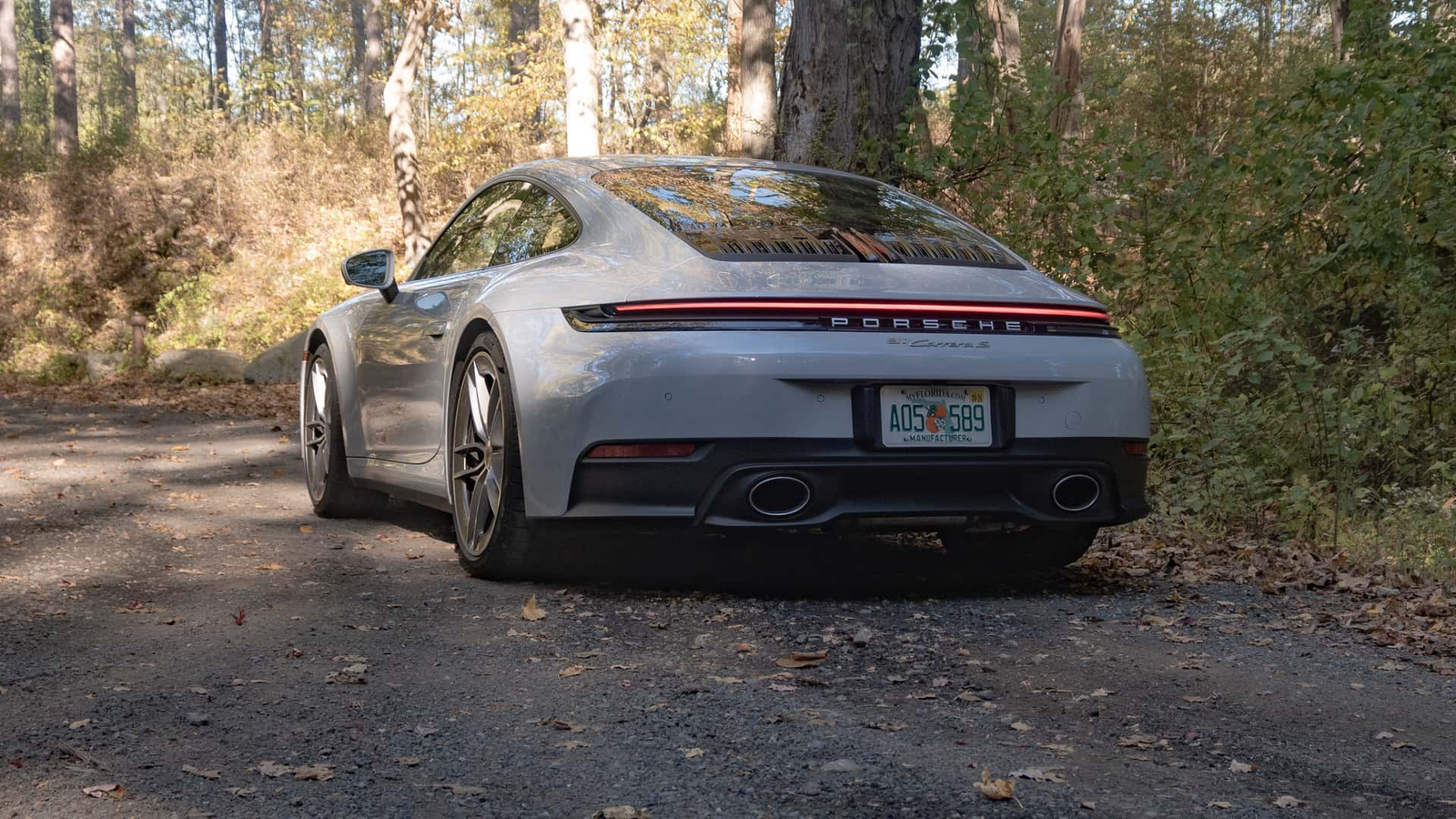
Fuel consumption for this class is more than moderate - on average, about 11.8 l/100 km in the city and 9.8 l on the highway. The curb weight is 1553 kg, and the trunk, although modest, holds almost 140 liters.
The main advantage of the Carrera S is the balance between drive and practicality. It is fast enough to give emotions, but does not require the driver to fully concentrate on every kilometer. On winding roads, the car is obedient and predictable, and on long highways it is calm and comfortable.
Cons? There are few of them. Stiff sports suspension, lack of "mechanics" and high price. In the USA, the base cost is $153,700 (about 12.5 million rubles), and the test copy pulls almost $178,800 (more than 14.5 million rubles). This is a lot for a version that does not bear the GT index.
The Carrera S has everything that the 911 is loved for: rear-engine architecture, recognizable fit, steering precision and a rare sense of connection with the car.
Read more materials:
- 2004 in the Russian auto industry: production growth, boom of foreign cars and Lada Kalina
- What will the new generation of BMW 3-Series be like
- The most affordable Chinese crossovers in Russia are named
Комментарии