Great Wall Motors continues to strengthen its position in the global market, and its updated Haval H6 crossover is another proof of the brand's ambitions. The 2025 model promises more premium features, improved equipment, and a modern hybrid system. However, despite all its advantages, the car is not without its contradictions, especially when it comes to on-road behavior.
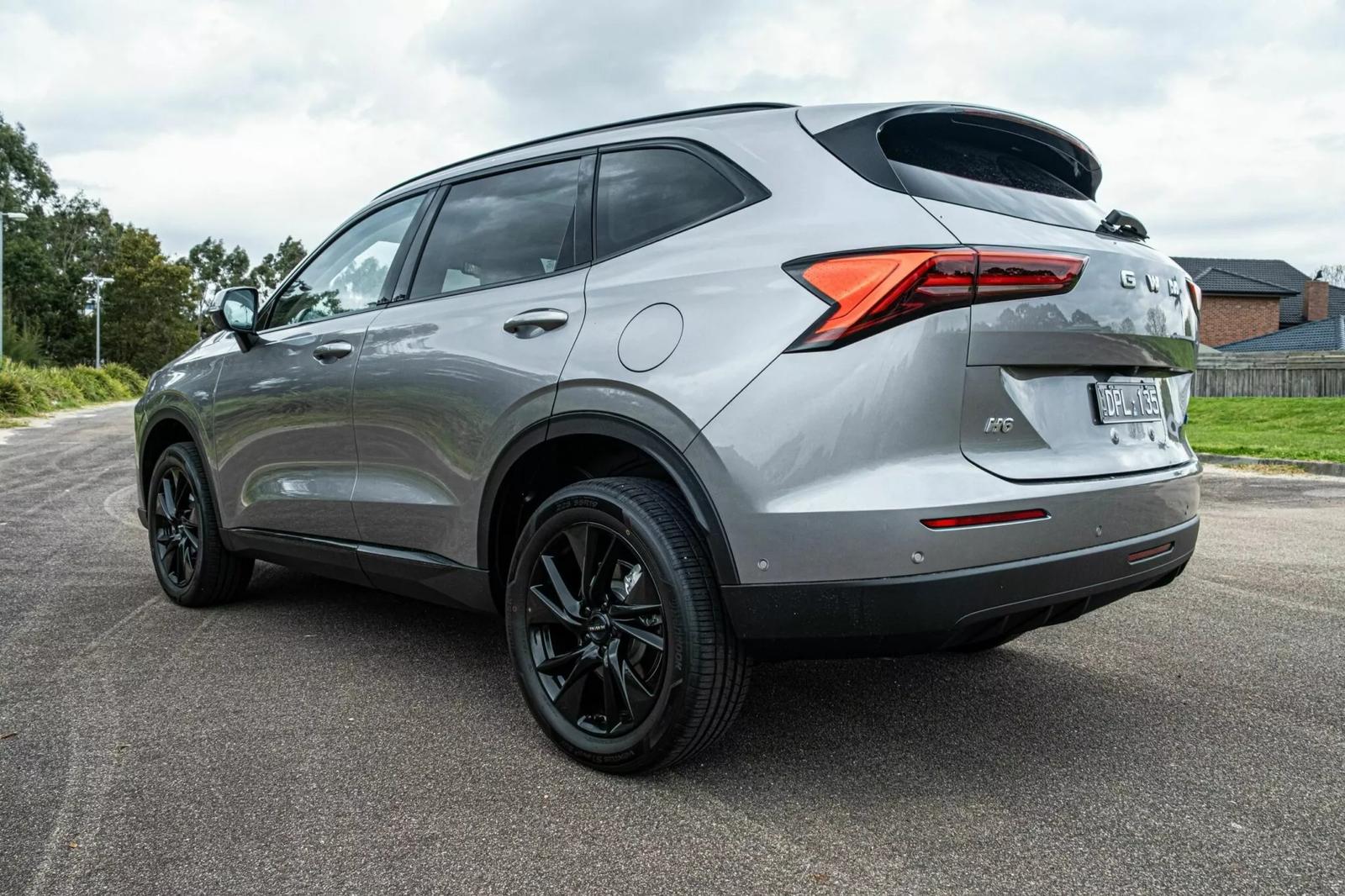
A lot of years have passed since the release of the first generation H6, and during this time, Great Wall has done a tremendous job. Now the brand has firmly established itself among the sales leaders in Australia, surpassing even Volkswagen, and has become the second most popular Chinese automaker after MG. The main share of success was ensured by the Haval H6 - one of the most popular crossovers of the brand, which is now being released in the updated Ultra HEV 2WD version.
The car is based on a 1.5-liter turbocharged engine, working in tandem with an electric motor. The total output of the power plant is 240 hp and 530 N⋅m of torque. These figures are impressive, especially considering that the H6 does not pretend to be a sports car. Acceleration to 100 km/h takes 7.5 seconds, and the average fuel consumption is only 5.2 liters per 100 km - a figure close to that claimed by the manufacturer. When driving calmly on the highway, fuel consumption can be reduced to 4.7 liters.
In terms of dimensions, the car has grown and now has a length of 4703 mm, a width of 1886 mm and a height of 1720 mm with a wheelbase of 2738 mm. The curb weight is 1720 kg. For a hybrid crossover, these are quite balanced parameters, ensuring stability and comfort on the road.
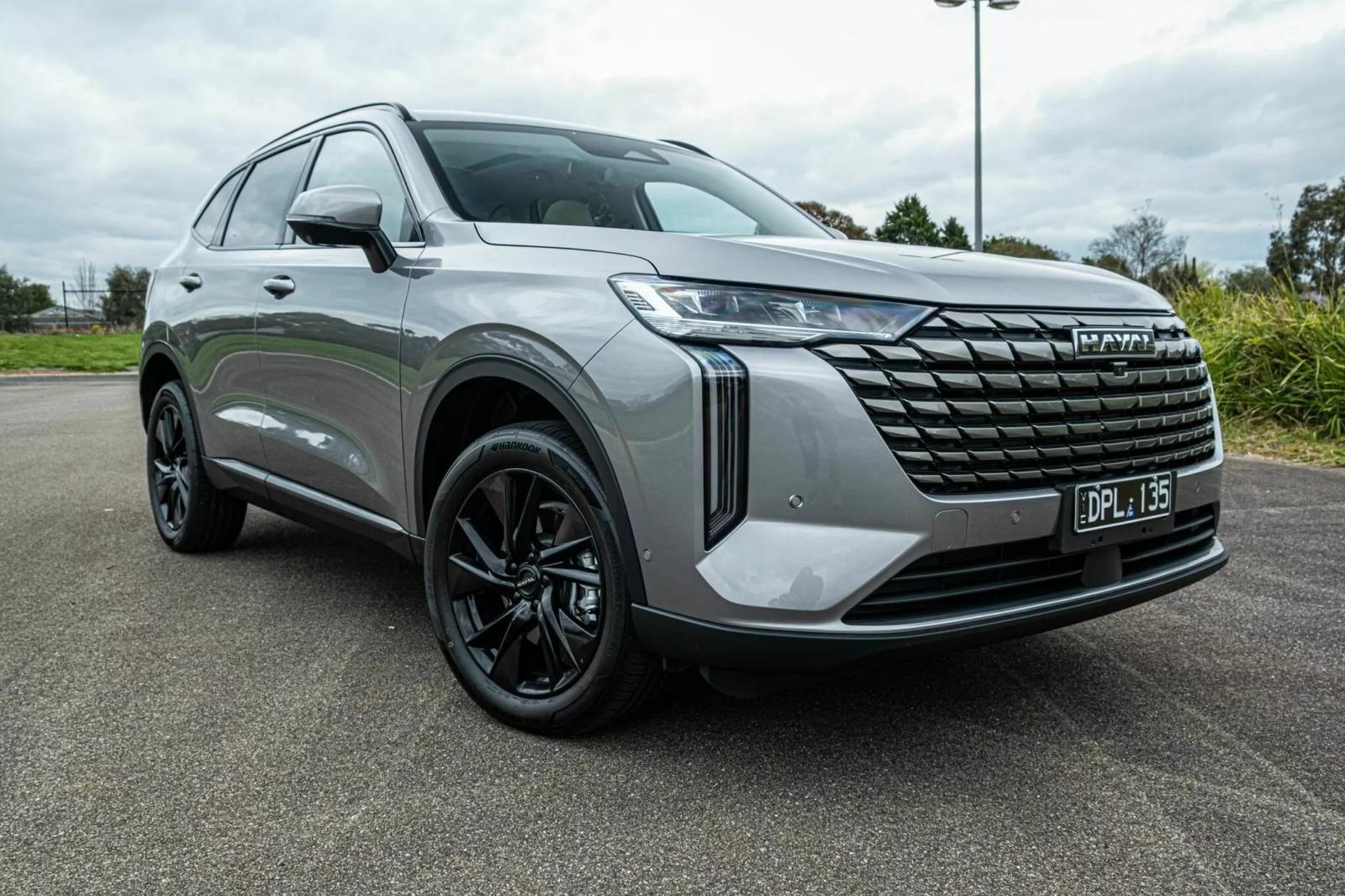
The exterior of the new H6 looks restrained, but impressive. A huge radiator grille with vertical slats gives the model solidity, and LED optics with thin daytime running lights add modernity. In general, Haval strives for a premium look, and it does it quite well. The car has become closer to European competitors like Hyundai Tucson or Kia Sportage, although they are still far from the level of detail.
The main changes are hidden inside. The interior is made in a style typical of modern Chinese models - minimalism with an emphasis on technology. The central place is occupied by a large 14.7-inch screen of the multimedia system, complemented by a virtual instrument panel. The interface has been updated and has become more convenient, especially compared to previous generations of Haval. There is wireless Android Auto and Apple CarPlay, wireless charging, acoustics with metal speaker grilles and pleasant to the touch finishing materials. The cream leather used in the test sample visually makes the interior more spacious and brighter.
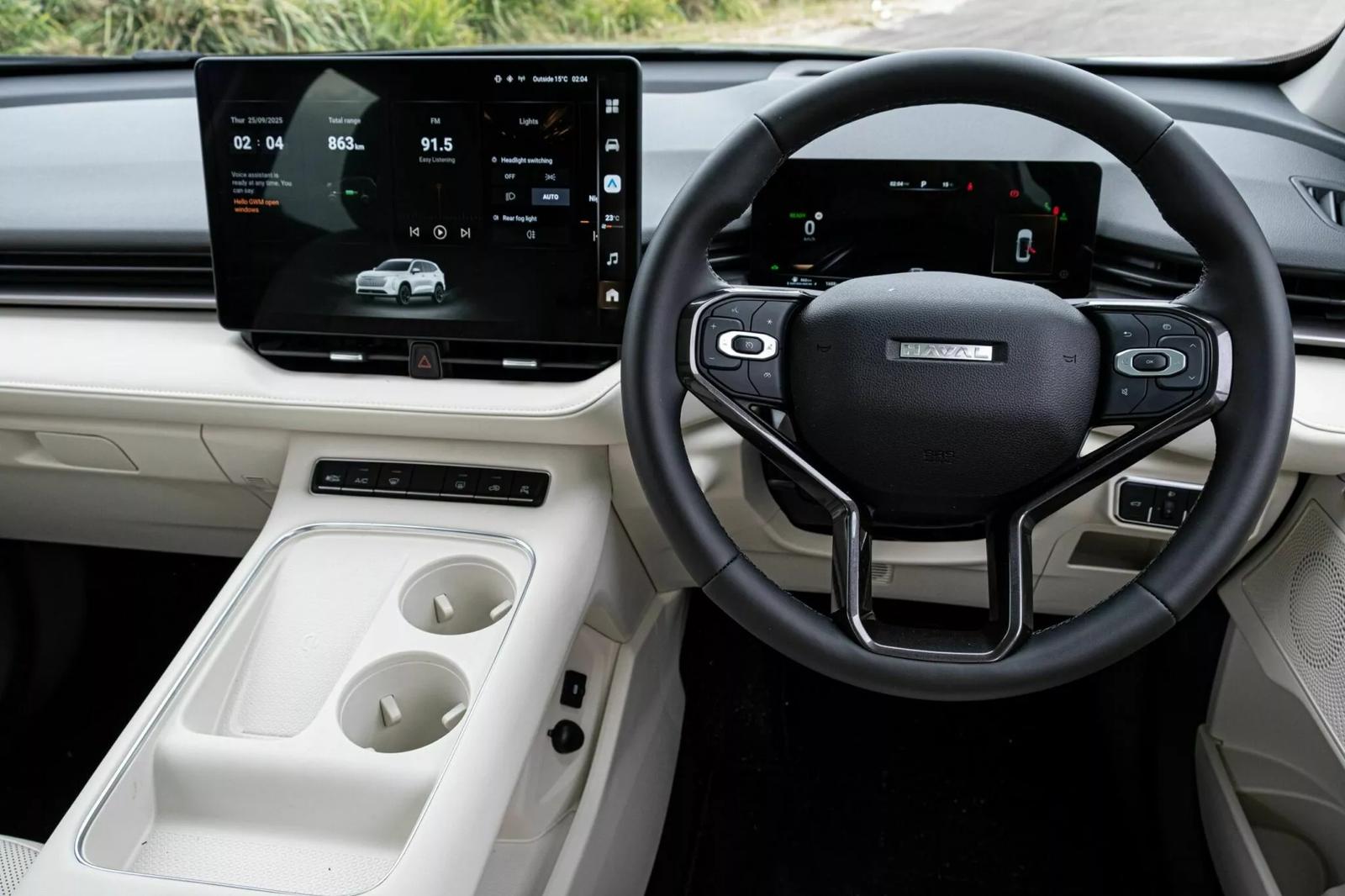
However, ergonomics raise questions. The steering wheel remained from the previous model and is not very convenient. Thick horizontal spokes interfere with the correct grip, and the control buttons on it are located unintuitively. It is especially unusual that the same keys are responsible for both multimedia and the digital instrument panel. According to the manufacturer, a new two-spoke steering wheel should appear later, and this will clearly benefit the car.
The power plant works efficiently, but not always predictably. When starting off, there is a noticeable delay between pressing the gas pedal and the car's reaction. Especially on a cold engine, the electronics seem unable to decide which engine to start moving with - gasoline or electric. In the city, this leads to uncertain starts, especially when driving actively. Another feature is the tendency of the front wheels to slip. With high torque and front-wheel drive, the H6 often loses traction, especially on wet surfaces. Add to this the torque steer, and it becomes clear that all-wheel drive (in the AWD version) may be a more preferable choice.
Nevertheless, the smoothness of the ride and sound insulation deserve praise. The H6 behaves confidently on the highway, the suspension smoothes out bumps well, and when driving on electric traction, there is silence in the cabin. In one-pedal mode, the car drives smoothly, which is especially convenient when driving in heavy traffic.
The driver assistance system includes lane keeping, distance control and lane departure warning functions. They work correctly, although they do not reach the level of Hyundai or Kia - the H6 more often steers with a delay and sometimes loses the center of the lane. Nevertheless, most drivers will appreciate the presence of a full set of electronic assistants already in the standard configuration.
In general, the new Haval H6 HEV offers an attractive design, a spacious and technological interior, moderate fuel consumption and an impressive power reserve. But the unsuccessful settings of the hybrid system and excessive torque make its character a little rough. If GWM engineers manage to eliminate these shortcomings, the H6 will be able to compete not only in price, but also in quality with recognized global brands. For now, this is an interesting, but not ideal crossover, which demonstrates how far Chinese automakers have advanced - and how much they still have to go.
Read more materials:
- 2004 in the Russian auto industry: production growth, foreign car boom and Lada Kalina
- What will the new generation of BMW 3-Series be like
- The most affordable Chinese crossovers in Russia have been named
Комментарии