Many drivers have noticed that the speedometer on the dashboard and the GPS navigator often show different speeds. The difference may be small - 3-10%, but it still makes you wonder: which one is right? To understand the nature of these discrepancies, you need to understand how both devices "calculate" speed and what factors affect the accuracy of measurements.
How a car speedometer works
A standard speedometer is not just an arrow on the dashboard, but a complex system that measures speed indirectly. The device analyzes the number of revolutions of the drive wheels or transmission elements over a certain period of time.
In modern cars, the speed signal comes from electronic sensors, often associated with ABS and ESP systems. Theoretically, this allows you to achieve high accuracy, but in practice, dozens of small things interfere:
- tread wear,
- incorrect tire pressure,
- ambient temperature,
- installation of non-standard size wheels or tires.
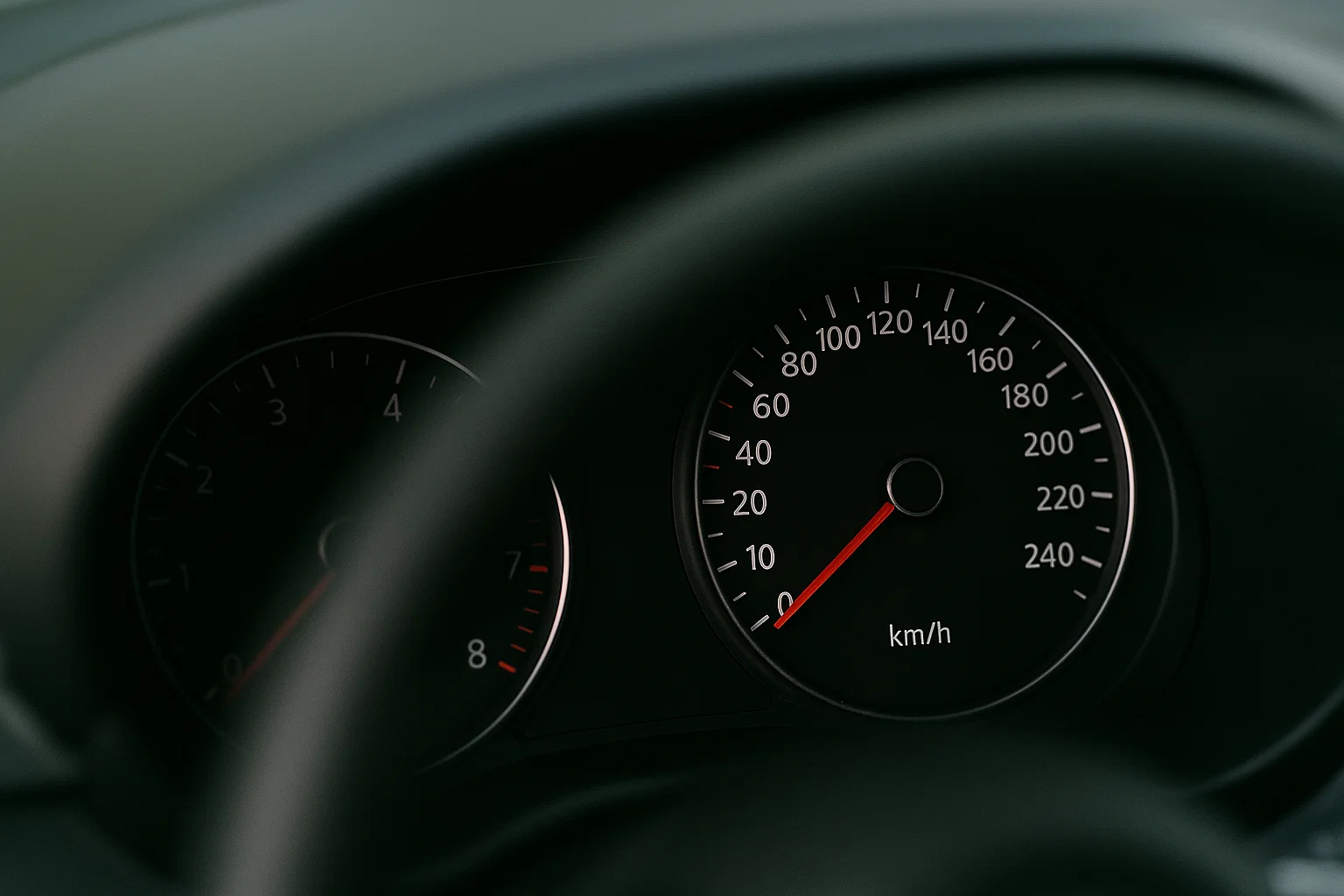
In addition, manufacturers specifically configure speedometers to slightly overestimate the speed. This is a requirement of international standards: the device does not have the right to show less than the actual speed, because this is a matter of safety. So if the speedometer "lies" - it does it for the benefit of the driver.
The principle of operation of a GPS navigator
The navigator determines the speed in a completely different way - using satellites. The GPS receiver tracks the change in the geographical coordinates of the car and calculates how quickly the car moves between points.
This method of measurement does not depend on wheels, tires, or road conditions. But GPS also has weaknesses. Accuracy is affected by:
- number of visible satellites,
- signal reception quality,
- atmospheric conditions,
- terrain.
If the car is moving on an open road with a stable signal, GPS shows almost perfect accuracy in measuring speed with an error of 1-2 km/h. But in a tunnel, dense buildings, or under a bridge, accuracy decreases.
Who is more accurate: speedometer or GPS
Comparative tests show that most speedometers consistently overestimate readings by 3-10%. For example, if the device shows 100 km/h, then the car is actually traveling at 93-97 km/h. GPS, at the same time, provides data that is as close as possible to reality - especially on a straight road with uniform movement.
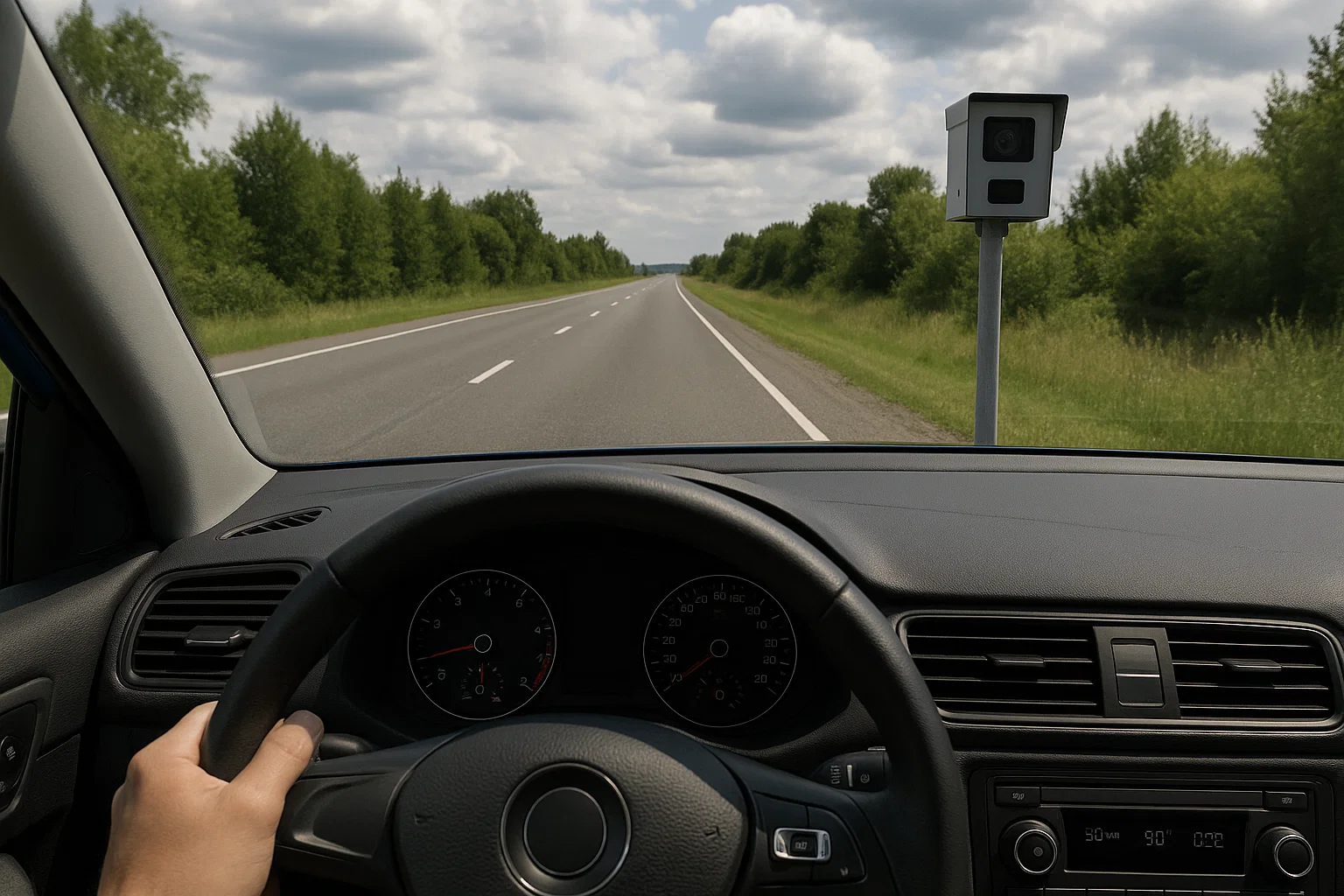
Speed cameras of the traffic police also use technology close to GPS, so their data coincides with navigation measurements. The higher the speed, the more noticeable the discrepancy:
- at 60 km/h the difference is 2-3 km/h,
- at 120 km/h - already 5-7 km/h.
Which speed is considered correct
For everyday driving, it is better to focus on the speedometer. It is designed so that the driver does not accidentally exceed the permissible limit. If the device is slightly "deceiving" - this is provided for by the manufacturer.
However, GPS can be useful as an additional source of information - for example, when driving on sections with speed cameras or if you want to check the actual calibration of the dashboard.
Useful tips for drivers
- Don't be afraid of overestimation. If the speedometer shows a little more than the GPS, that's okay.
- Watch the tires. Changing their diameter directly affects the speedometer readings.
- Use GPS on the highway. Especially if it is important to know the exact speed on long straight sections.
- Don't rely on GPS in the city. In tunnels and under bridges, data may "jump".
- Compare readings. The difference between devices is normal, the main thing is to understand its nature.
The difference between the speedometer and GPS is simple: the first measures speed mechanically and deliberately overestimates the readings, the second - by satellites and closer to the truth. For daily trips, it is enough to look at the speedometer, and leave GPS as a control tool.
Understanding why the devices "do not converge" helps to be more calm about the readings and more confidently maintain a safe speed mode. And that means - less chance of getting a fine and more pleasure from driving.
Read more materials on the topic:
- Porsche crossover turned into a drift car
- New Sollers SUV released for running tests
- Russian drivers have found a brilliant way to save wipers in winter
Comments