Hyundai Motor Group has quickly transitioned to electrification and now produces a full range of electric vehicles - from premium Genesis models to mass-market Hyundai and Kia.
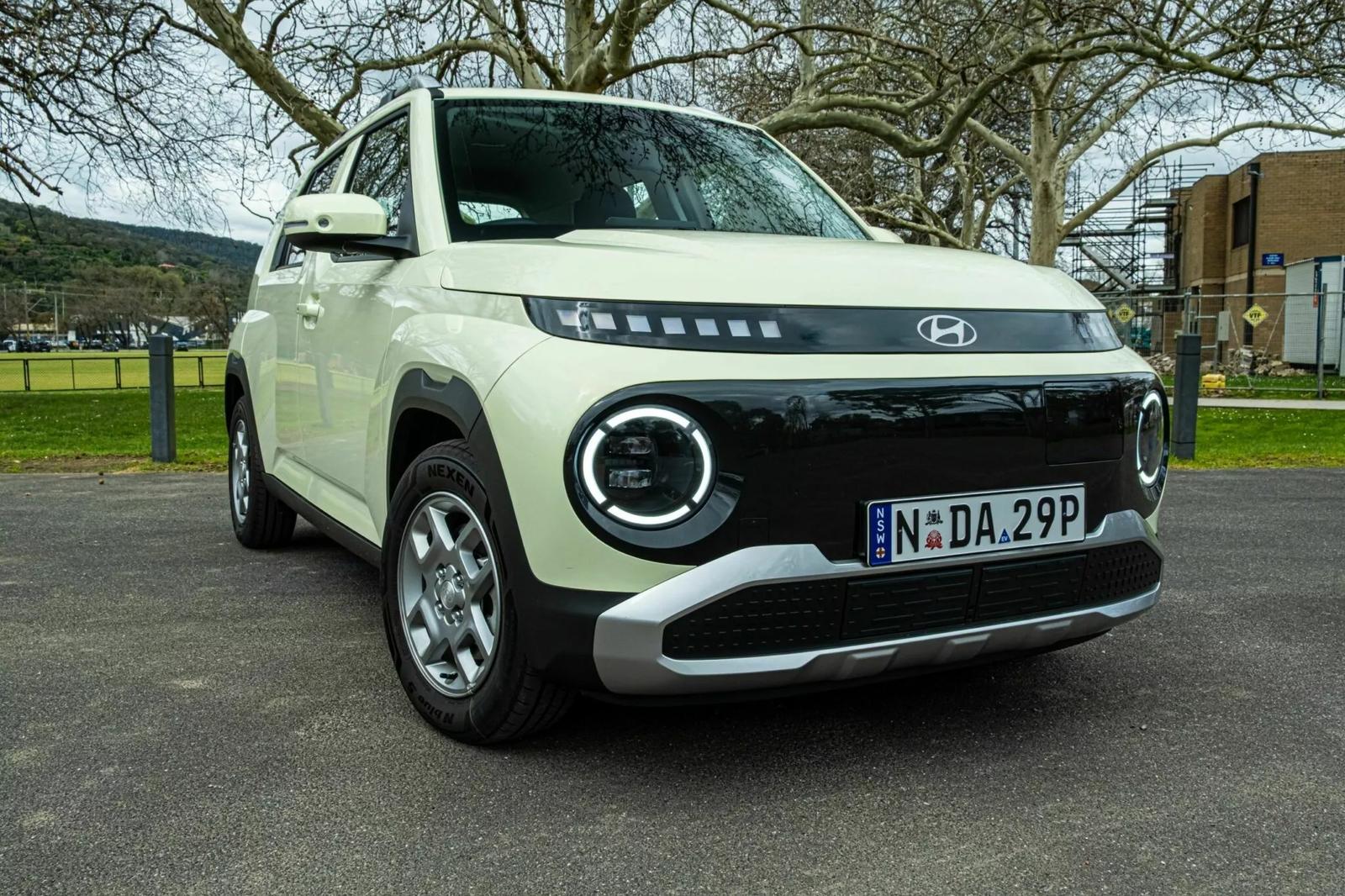
But the new Hyundai Inster stands out even among other models of the brand: it is built not on the modern E-GMP platform, but on the simplified K1 architecture, familiar from the compact Hyundai Casper. This is Hyundai's smallest electric car, aimed at competing with affordable Chinese models - BYD Dolphin, GWM Ora, MG 4 - and with the recently revived Renault 5.
The Inster has a good set of qualities, but it faces one serious obstacle: the price. In Australia, the base Standard Range version costs 39,000 Australian dollars (about 26,000 US dollars), and with mandatory fees - already 43,646 Australian dollars. The Extended Range version starts at 42,500 Australian dollars, and the pseudo-crossover Inster Cross - from 45,000. These are significant amounts for a small city car. The same GWM Ora is cheaper by about 6,000 Australian dollars, MG 4 - by 3,000, and BYD Dolphin - by almost 9,000.
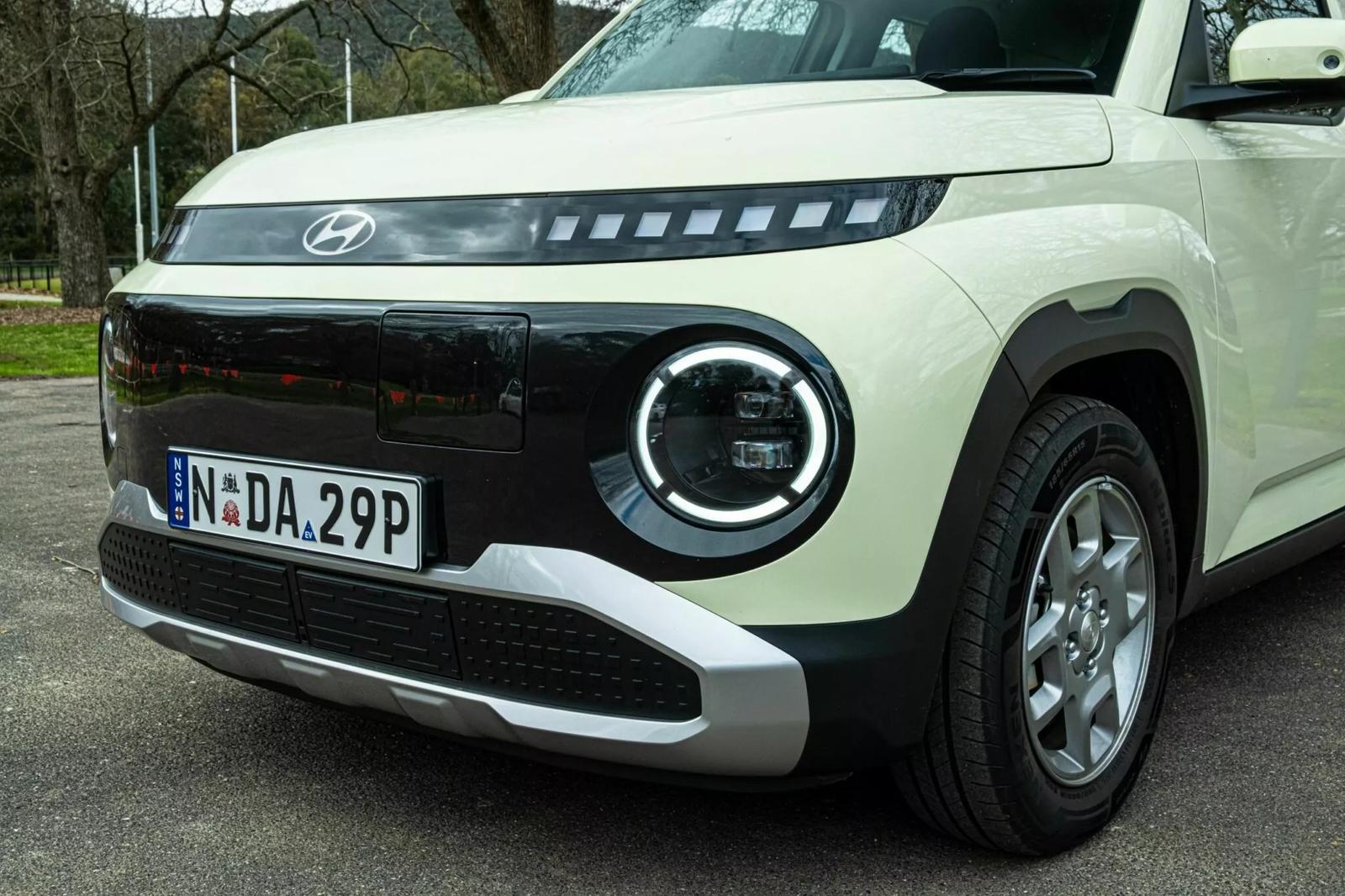
The base Inster is equipped with a 42 kWh battery, the Extended Range version - 49 kWh. The range is 327 and 360 km according to WLTP, respectively. Regardless of the version, there is one electric motor: 95 hp and 147 N⋅m in the base or 113 hp in the top version. Acceleration to 100 km/h takes about 11 seconds. But the efficiency is decent - 13.9 kWh/100 km in a real test, which almost coincides with the passport.
Charging is a weak point: Inster supports a maximum of 120 kW, which turned out to be unexpectedly slow for a compact battery. From 10 to 80 percent - about 30 minutes at a fast station or almost an hour at a 50 kW charging station. But there is a standard home cable for a regular outlet, which helps to compensate for the need for frequent overnight charging.
However, the real surprises await in the cabin. Despite a length of only 3825 mm, with a height of 1575 mm and a wheelbase of 2580 mm, the Inster offers a phenomenally convenient layout. A driver with a height of 190 cm has enough space in all directions. The high ceiling provides additional comfort, and the flat floor in the front opens up more freedom for the legs. The dashboard is equipped with two 10.25-inch screens, and the climate control - a separate physical unit with convenient keys.
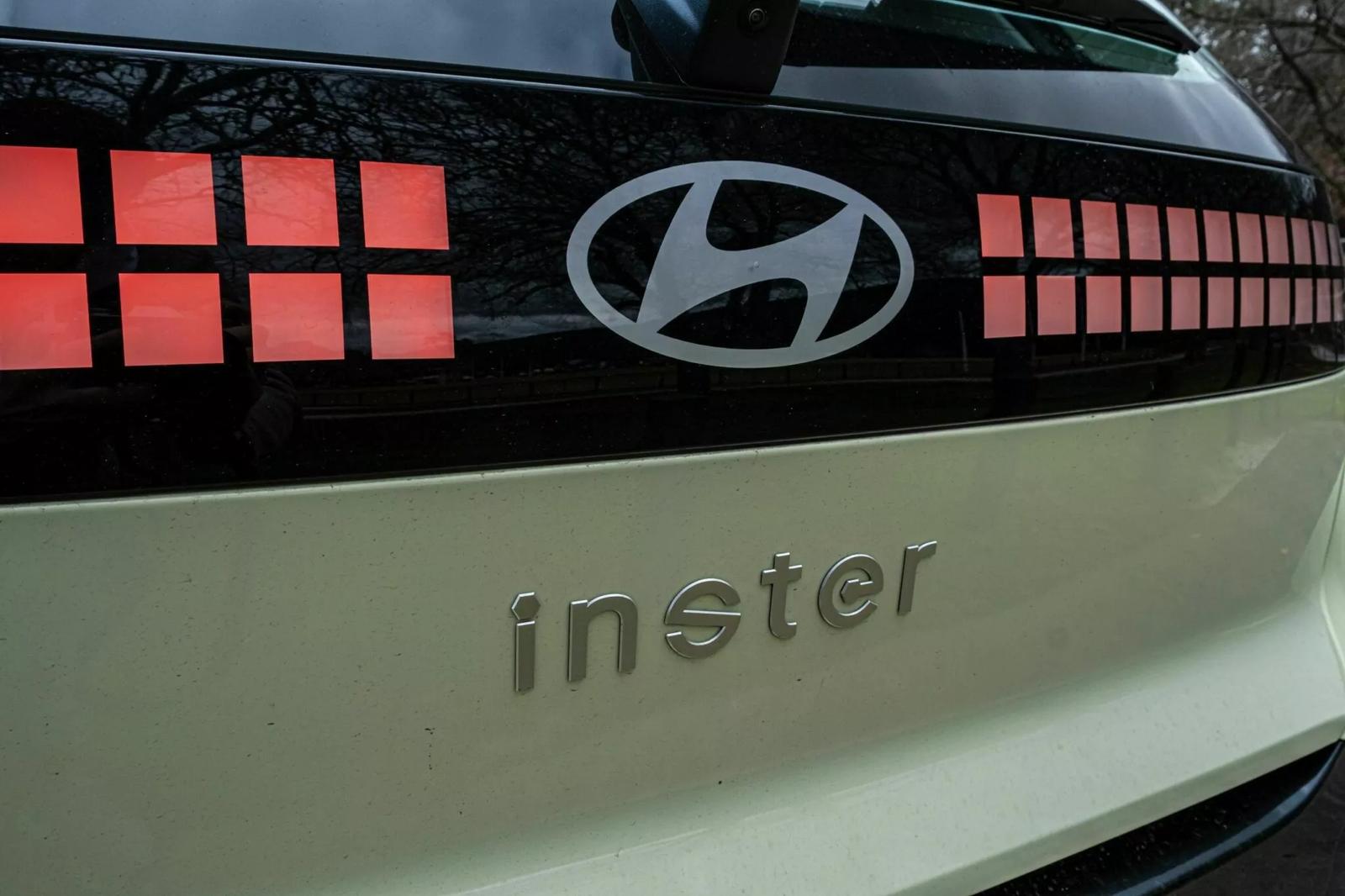
The finishing materials are simple, sometimes too hard, and there is no full-fledged center console between the seats - only cup holders and a small armrest. But the rear row is even more surprising: the seats move back and forth, providing up to 5 inches of legroom - almost like in the Ioniq 5. There is also a "magic" seat folding scheme, reminiscent of Honda solutions: you can get a completely flat floor or increase the space for long objects by folding even the front passenger seat. The trunk is 280 liters with the seats moved forward as much as possible, and up to 1059 liters when folded.
On the road, the Inster behaves more like a small city hatchback than a crossover. Light steering, excellent visibility and a small turning radius make it ideal for dense traffic. Four levels of recuperation, including one-pedal driving, allow you to adapt your driving style. The suspension is noticeably stiff due to the mass of the battery, but it is suitable for daily use.
The main disadvantage of the Inster is not the technology, but the positioning. The model is really convenient, well-thought-out and cute, but its price makes the choice difficult: competitors from China offer more range and better equipment significantly cheaper. And if you compare it with ICE models, the Hyundai Venue will cost 11,000 Australian dollars less.
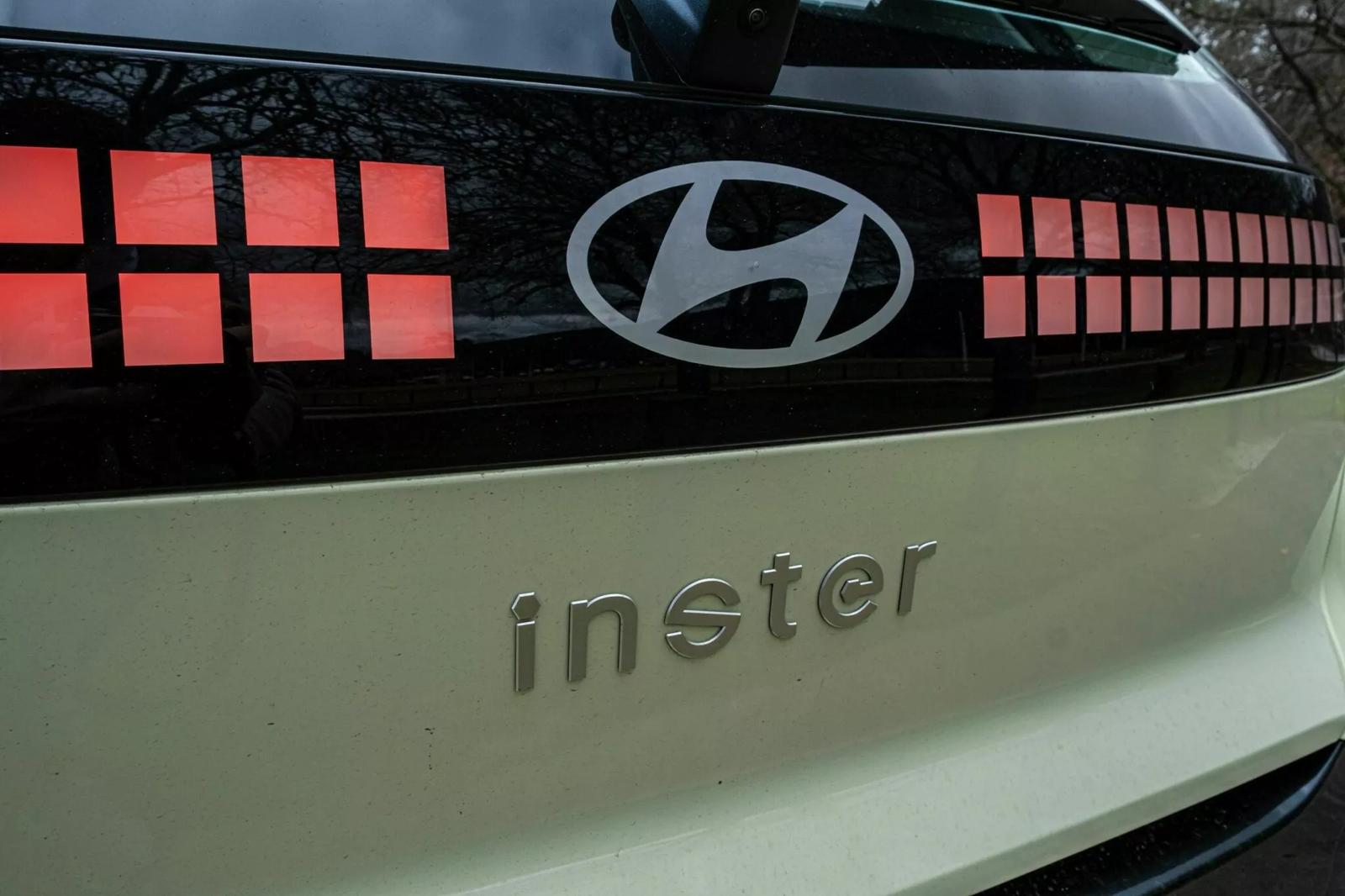
The Inster turned out to be an interesting and honest product, but the market will probably see it differently: as a good electric car at a high price. This is a choice for those who want exactly an EV from Hyundai - and not just a profitable city car.
Read more materials:
- AvtoVAZ Officially Explains Which Gasoline to Use in Lada
- Moskvich Announces Prices for the Moskvich 6 Sedan of the 2026 Model Year
- Tank Raises Prices for the Entire Model Range in Russia: Tank 500, 700 and 400 Become More Expensive