Haval Jolion has long been established as one of the most popular foreign cars in Russia - in some months it even bypassed Lada Vesta. But how durable is this budget crossover really if you operate it not in city traffic jams, but on the merciless Kaluga dirt roads?
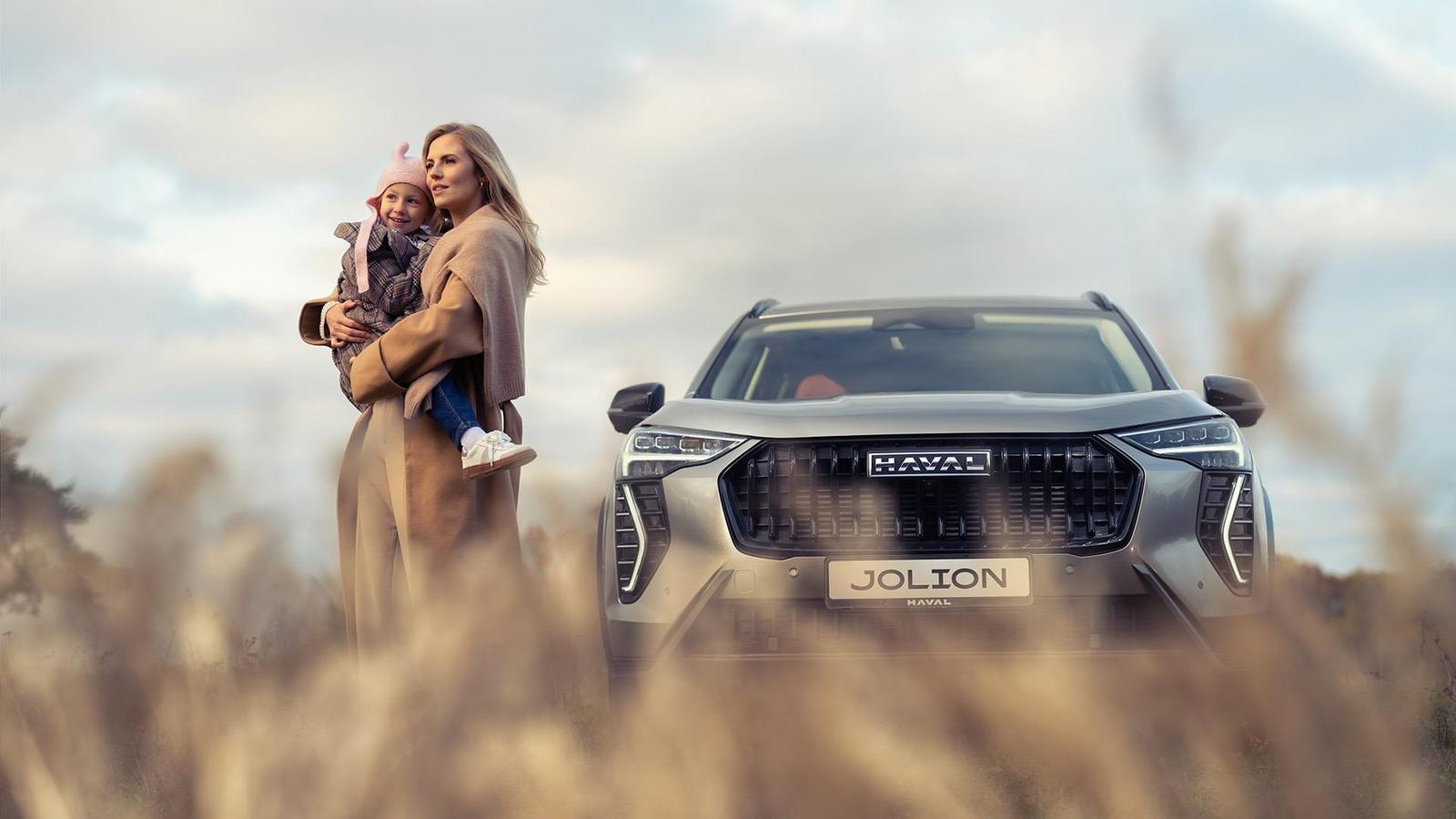
The answer was given by the owner, to whom the authors went two hundred kilometers from Moscow. For three years he has been driving an all-wheel drive Jolion with a DCT "robot", having wound 120,000 km in the mode of constant travel between the village and the city. The asphalt ends immediately behind the yard, and the rest of the road is stones, ruts and seasonal rivers of mud. Under such conditions, any car quickly shows its true character.
Sergey, who is already over fifty, has been driving for more than a dozen years. In his history there was everything: from "Zhiguli" and Hyundai Sonata to Qashqai and several "Frenchmen". Relations with the "Chinese" did not start in the best way - once he bought a killed Great Wall H3 from a reseller and brought it to his senses for a long time. The experience turned out to be so negative that he returned to the brand with doubts. But in 2022, the choice was limited, prices for "Koreans" were growing rapidly, and when evaluating the old Nissan in a trade-in, dealers generally announced amounts from which they only wanted to turn around and leave. As a result, Sergey was "transferred" to the Haval salon, and the choice narrowed down to F7 and Jolion. Hearing that the first requires frequent oil changes and is not famous for the reliability of the engine, he settled on Jolion, especially since the sellers generously added a lot of accessories to the purchase.
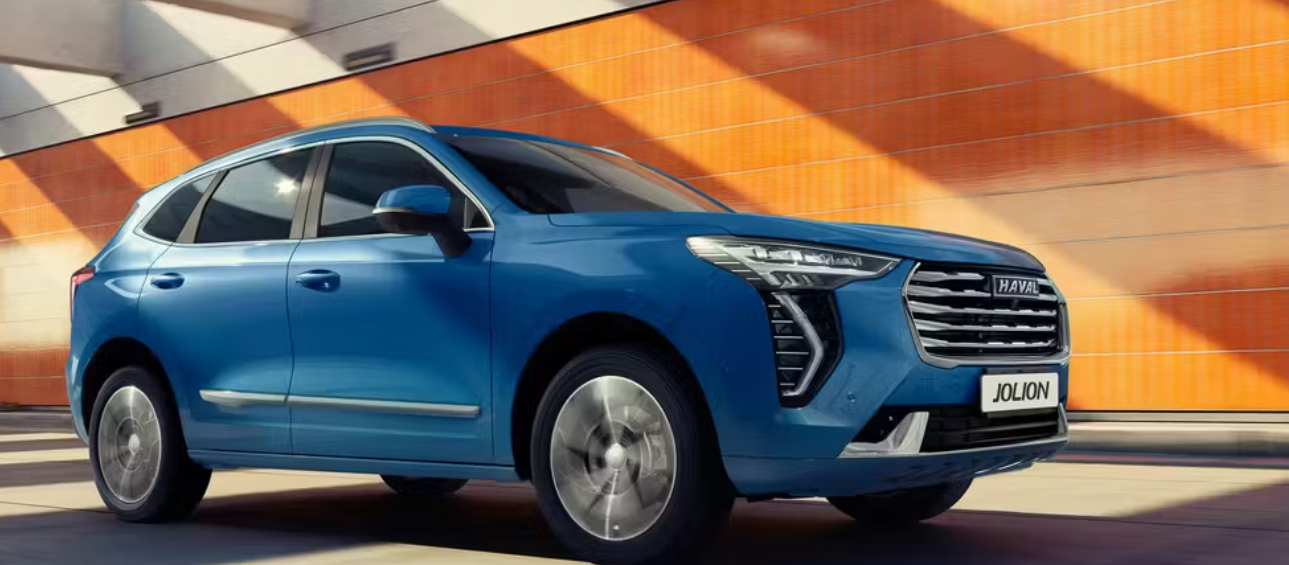
The operation turned out to be tough: speeds of 160-170 km/h on the highway and daily trips on clay porridge. But the fuel consumption on 95 Plus remained on average at the level of 7 l/100 km, and the engine ran smoothly. For 120 thousand km, the car survived one clinching caliper at a mileage of 10,000 km, replacement of stabilizers and a suspended bearing, which could not be diagnosed for a long time in an official service. Sergey changed the oil in the box more often than the regulations - every 50 thousand. He put inexpensive, "German" analogues on the pads, and they confidently walked 30-40 thousand. Ball joints and levers remained native, despite the kilometers on broken roads. According to him, other owners complain about weak joints, but his car seems to be immune to this.
Next - dry numbers. For three years, Sergey carefully saved all the order orders. Zero maintenance, oil changes, filters, brake fluid, candles, antifreeze, gearbox and rear axle maintenance - all together resulted in an amount of about 284,000 rubles. If you divide by mileage, you get 2.47 rubles per kilometer (excluding fuel). For a crossover with all-wheel drive and DCT, this looks unexpectedly humane, especially against the background of current market prices. And it is not surprising that Sergey has already firmly decided: if anything, he will take Jolion again. After "test drives" on the Duster of a relative, he only became convinced of his choice.
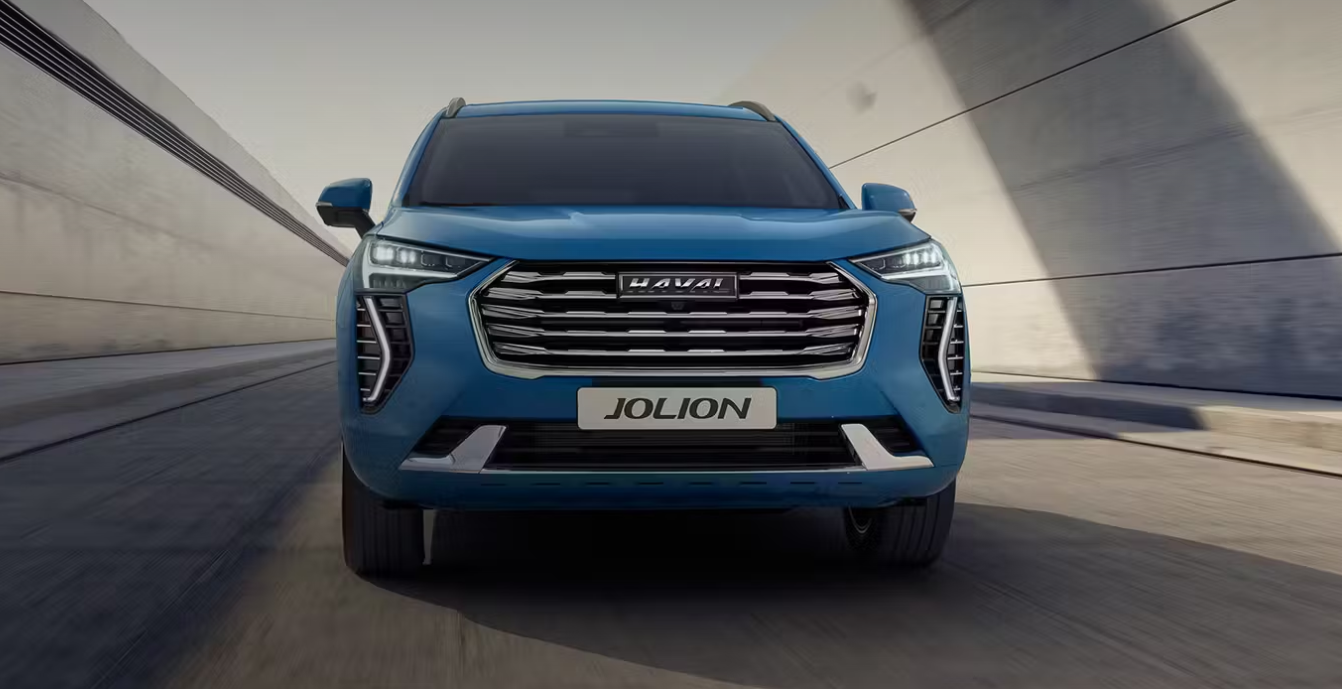
Sergey's story ultimately shows: under aggressive operating conditions and a large daily mileage, Haval Jolion holds up surprisingly confidently. Of course, it is not ideal, but for two million the owner received a car where "there is only no toilet and front cameras, everything else is there." And while some argue about the resource of Chinese models, this copy continues to storm the Kaluga dirt roads and, it seems, is not going to stop.
Read also materials:
- AvtoVAZ officially explained what gasoline should be poured into Lada
- "Moskvich" announced prices for the "Moskvich 6" sedan of the 2026 model year
- Tank raised prices for the entire model range in Russia: Tank 500, 700 and 400 have risen in price
Комментарии