Among motorists, especially off-road enthusiasts, there has long been a persistent myth: supposedly, for better cross-country ability in mud and snow, directional tires can be installed "backwards" - against the Rotation arrow on the sidewall. Proponents of this idea claim that the inverted pattern begins to work like a shovel, scooping up soil under the wheel and providing phenomenal grip.
This theory is actively fueled by videos on the Internet and subjective reviews from experimenters. But is this technique really capable of improving cross-country ability, or is this another dangerous misconception? We analyze it from the point of view of physics, engineering, and real off-road experience.
Why do you need a directional tread at all?
To understand the essence of the myth, you first need to understand why tires get a directional pattern, most often in the form of a "herringbone" or the letter V. This design is not a decorative element, but the result of engineering calculations and repeated tests.
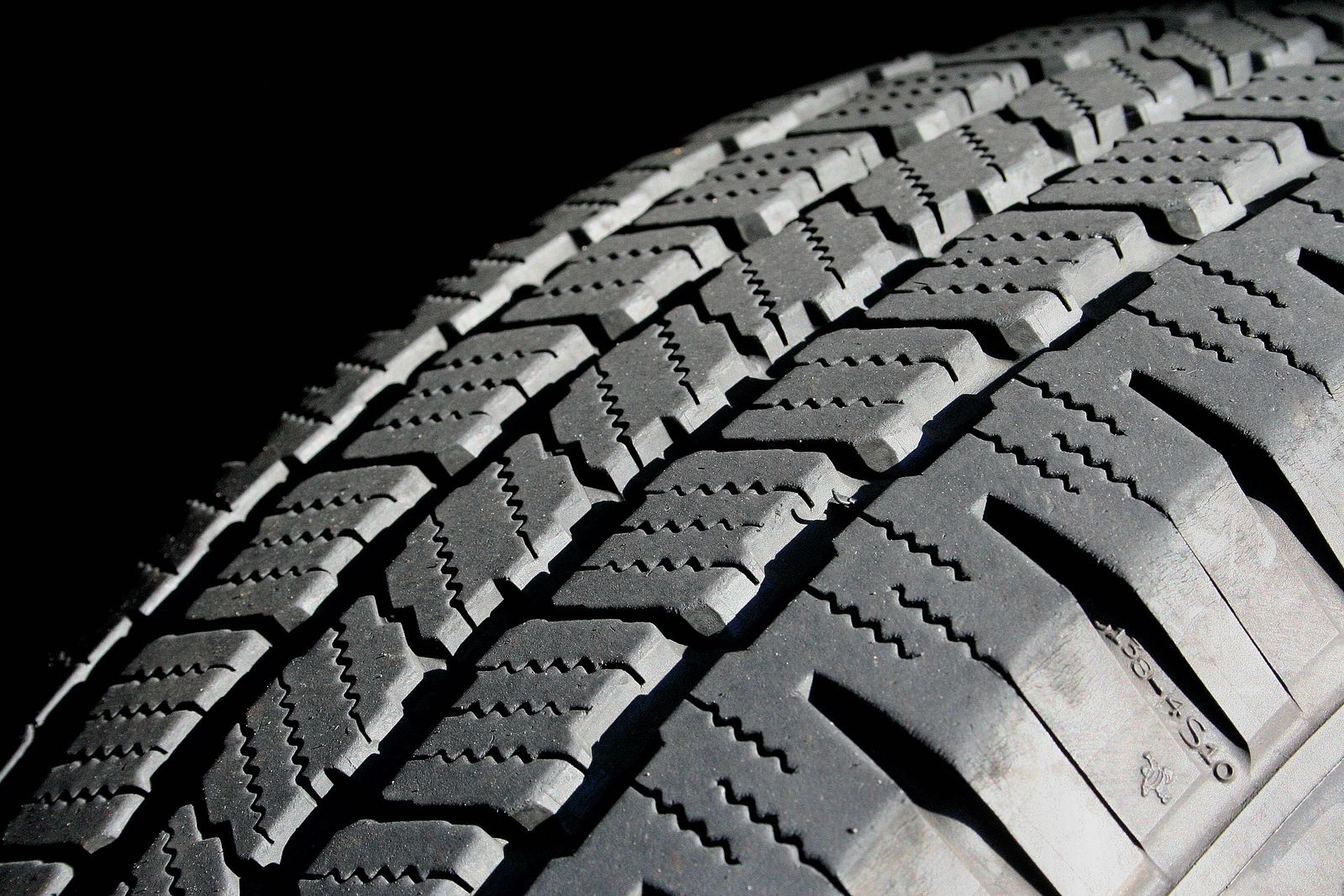
The main task of a directional tread is to effectively remove water, dirt, and snow slush from the contact patch. When installed correctly according to the Rotation arrow, the grooves work like a pump: in the contact zone, they capture liquid or dirt and push it back and to the sides.
This gives several effects at once:
- reduces the risk of aquaplaning on wet asphalt;
- ensures self-cleaning of the tread on mud and snow;
- improves directional stability and handling;
- promotes even wear and reduces noise.
It is in this direction that the pattern works as intended by the engineers.
Why does the idea of installing a tire "backwards" arise?
The logic of the supporters of inverted tires seems clear. If in the normal position the tread "pushes out" dirt, then when installed in reverse, it should supposedly "scoop" it under the wheel, like a shovel or a tractor track. In theory, this should help in loose snow, on sand, or in a muddy rut.
Many are attracted by the simplicity of the solution: no expensive mud tires, just changed the direction of rotation - and got a free upgrade to cross-country ability. But this is where the beautiful theory clashes with harsh practice.
What happens in reality
The experience of off-road vehicles participating in trophy raids and expeditions shows the opposite. Most either tried this method and abandoned it, or initially consider it erroneous. The main problems look like this:
- Self-cleaning disappears. The inverted tread does not throw out dirt, but clogs it inside. The grooves quickly fill up, and the wheel turns into a smooth drum.
- Grip drops sharply. Instead of "scooping" the ground, the tire begins to slide on a layer of adhering clay or snow.
- Handling becomes unpredictable. On wet clay, snow, or rut, the car can unexpectedly skid, especially on slopes.
- Wear accelerates. The tread works in a mode for which it is not designed. As a result, the shoulder zones wear out quickly, and the tire's lifespan is reduced several times over.
- Danger on asphalt. On the way to off-road, such a tire removes water worse, sharply increasing the risk of aquaplaning even at moderate speeds.
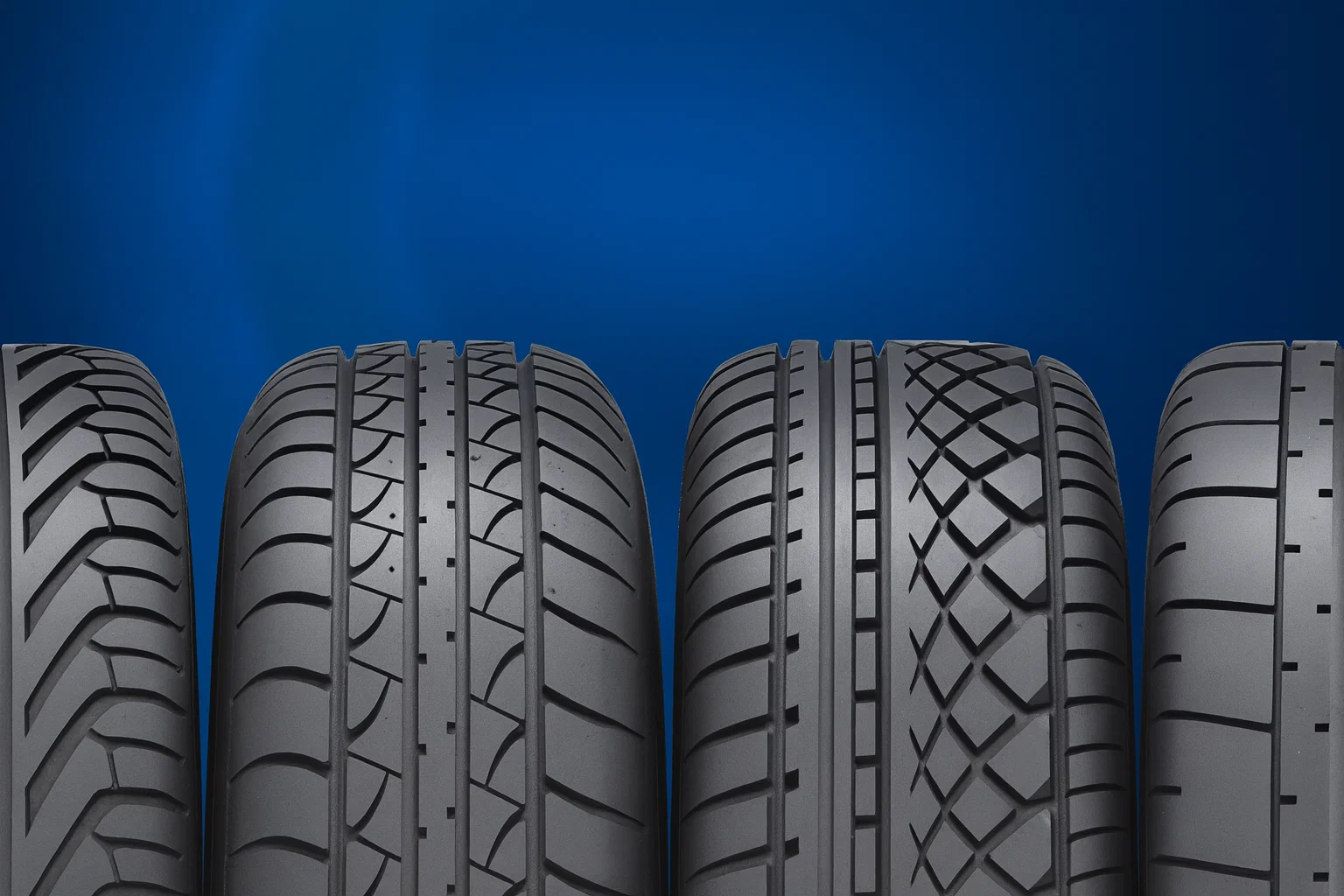
The result is the same: instead of improving cross-country ability, the driver gets a whole set of new problems.
Why are engineers against such experiments
Tire engineers agree: a directional tire is a system designed for a strictly defined direction of rotation. The entire geometry of the tread, the distribution of loads, and the operation of the rubber compound are optimized specifically for it.
When installed "backwards", the balance is disturbed in several parameters at once: grip, handling, wear, noise, and fuel efficiency. There is not a single official test or recommendation from the manufacturer confirming the safety or effectiveness of such an installation.
The Rotation arrow on the sidewall is not advice, but a requirement.
What really works off-road
If the standard tires cannot cope, there are proven and effective solutions:
- Specialized A/T or M/T tires with an aggressive pattern and reinforced construction.
- Reducing tire pressure, increasing the contact patch on loose ground.
- Additional equipment: winch, tracks, sand tracks.
- Driver skills, trajectory selection, and competent transmission operation.
All these methods really increase cross-country ability - unlike dubious life hacks from the Internet.
Turning directional tires over for better cross-country ability is a typical "garage myth", not confirmed by physics, engineering, or practice. Instead of the expected effect, such an experiment leads to loss of grip, deterioration of handling, and accelerated tire wear.
Vehicle safety is not an area where you should check dubious advice. The most reliable way is to use tires for their intended purpose and trust those who designed them.
Read more materials on the topic:
- RunFlat - salvation on the road or an expensive compromise?
- Check Engine: scary light or minor error?
- Lifetime warranty in words and months of waiting in reality: what actually awaits owners of Chinese cars
Комментарии