The Kaiyi brand, which has recently been mentioned more often in the context of a possible departure from Russia, entered our market at the very beginning of 2023. It became the first foreign brand after February 2022 to launch local assembly, and the E5 sedan turned out to be the very model with which the Avtotor conveyor belt started working after a six-month downtime. Later, the lineup was supplemented by the X3 and X3 Pro crossovers, which were reworked Chery Tiggo 4s, as well as the larger X7 based on the Tiggo 8 Pro. However, promises of all-wheel drive for the X7 and updates to the X3 family remained on paper, and the models themselves failed to gain a foothold in the market. Even the E5 sedan, which was predicted to have a starting price of around 1 million rubles, turned out to be much more expensive and did not become mass-produced, although it is still most strongly associated with the Kaiyi brand in Russia.
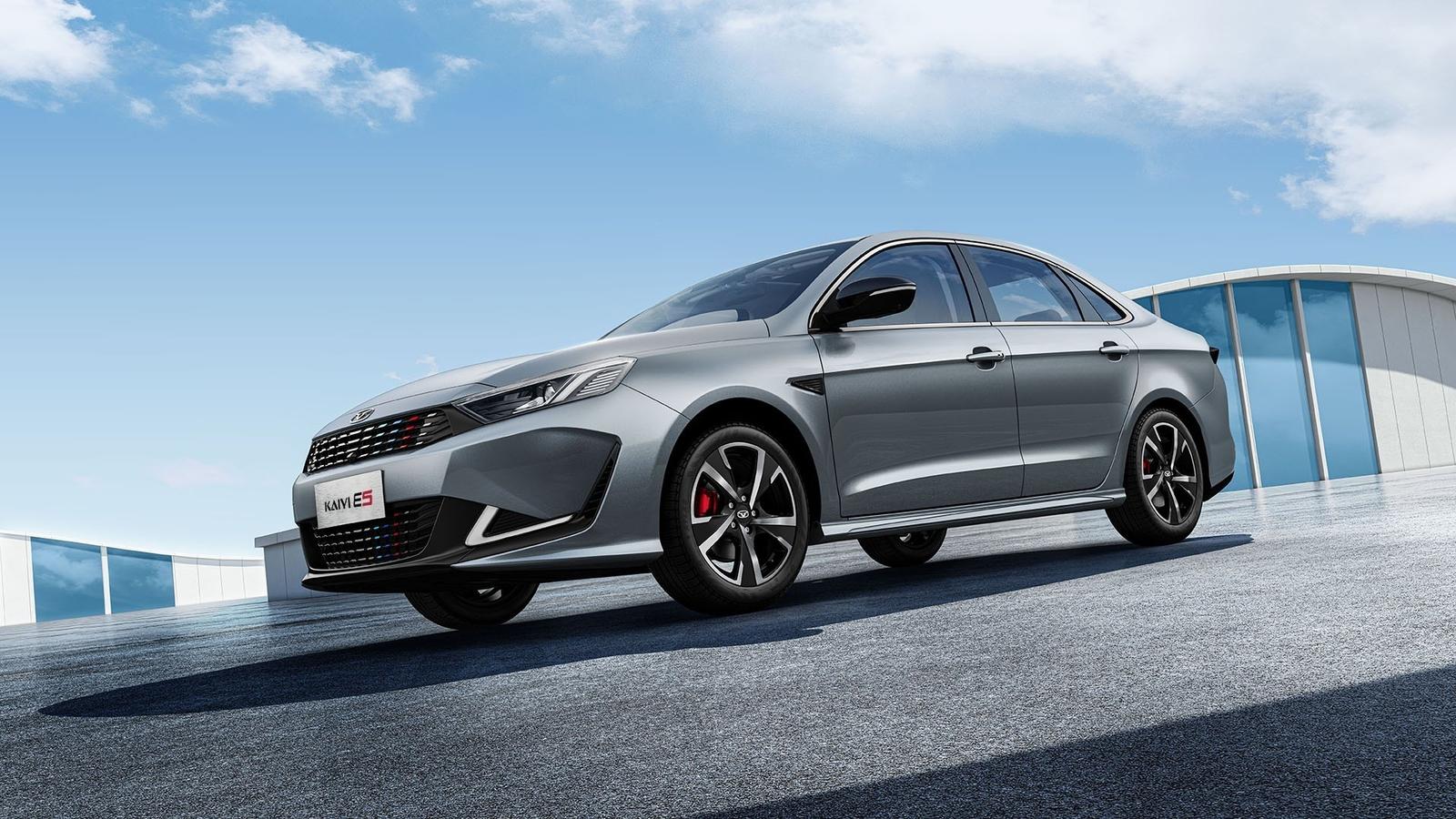
Formally, the Kaiyi E5 did not intersect with similar Chery models on the Russian market, but in essence it is a direct successor to the Chery Arrizo 7. This sedan was sold in Russia in 2014-2016 and had a very modest circulation - about 150 copies. In China, the Arrizo 7 appeared back in 2013, during the so-called "second wave" of the Chinese automotive industry, when, against the background of growing prosperity and changing consumer habits, manufacturers first began to think not only about quantity, but also about quality. At the same time, two paths of development were outlined: some companies built close cooperation with foreign partners, others, like Chery, tried to go their own way.
Chery's joint ventures were not easy. Attempts to negotiate with Chrysler in the late 2000s were unsuccessful, and the partnership with Jaguar, formalized by 2012, was limited for a long time to the assembly of British cars. As a result, the company developed almost autonomously, without an industrial ally of equal status. This meant a compromise approach: licenses, borrowed solutions, the purchase of components from third-party suppliers, and the inability to create complex components completely independently. The first results of this course were contradictory - from the unsuccessful M11 to the controversial Fulwin 2, known in Russia as Chery Bonus.
The turning point was the arrival of James Hope at Chery, who previously worked at Opel and Ford. Already in 2012, under his leadership, the Chery TX concept was shown - a bold and technological show car that stood out sharply against the background of familiar Chinese cars. It was Hope who became the ideologist of the Ambition Line, which included the Tiggo 5 and Arrizo 7. These models were not based on new platforms, but were completely redesigned at the level of architecture, design and perception of quality. The Arrizo 7 became the flagship and symbol of a new approach, demonstrating that a Chinese sedan can be neat, logical and thoughtful.
The Ambition Line quickly reached Russia, becoming one of the first export projects of the updated Chery. Hope himself actively presented the cars and spoke a lot about the importance of gradually forming a corporate style, and not forcibly imposing it. He insisted that the designer should set the direction, and the engineer should implement the idea, and not vice versa. This approach was new to the company and required restructuring internal processes, including the work of research centers in Wuhu and Shanghai, where Hope himself headed the latter, assembling an international team.
Under his influence, Chery began to treat unification and quality differently. Reducing the number of components, such as steering wheels or interior elements, made it possible to save money and invest it in materials and durability. These principles formed the basis of the models of the mid-2010s and prepared the ground for more ambitious projects, including the Exeed TX, which in 2017 became a notable event even against the background of European competitors. The use of components from Getrag, BorgWarner, Bosch and other major suppliers drastically changed the perception of the brand outside of China.
However, the focus on quality and complex solutions turned into a serious financial burden for Chery. By 2017, the holding's debts had grown to critical values, and parallel projects, including Qoros, exacerbated the situation. The company made a sharp turn towards simplification and economy: foreign specialists left the Shanghai R&D center, the design became simpler, and new models were increasingly reworked versions of existing ones. The Tiggo 5X and its numerous restylings became a clear example of this course.
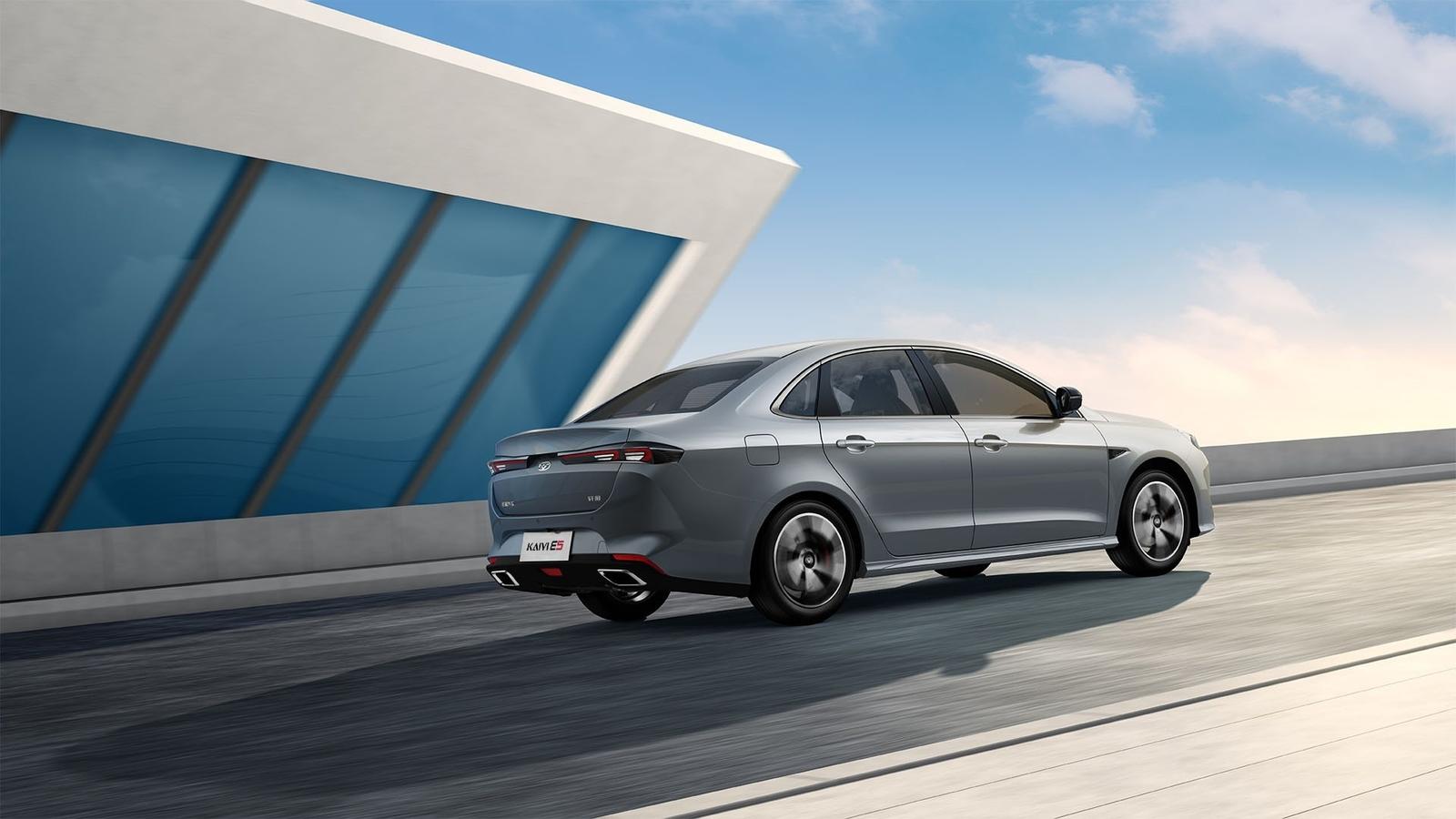
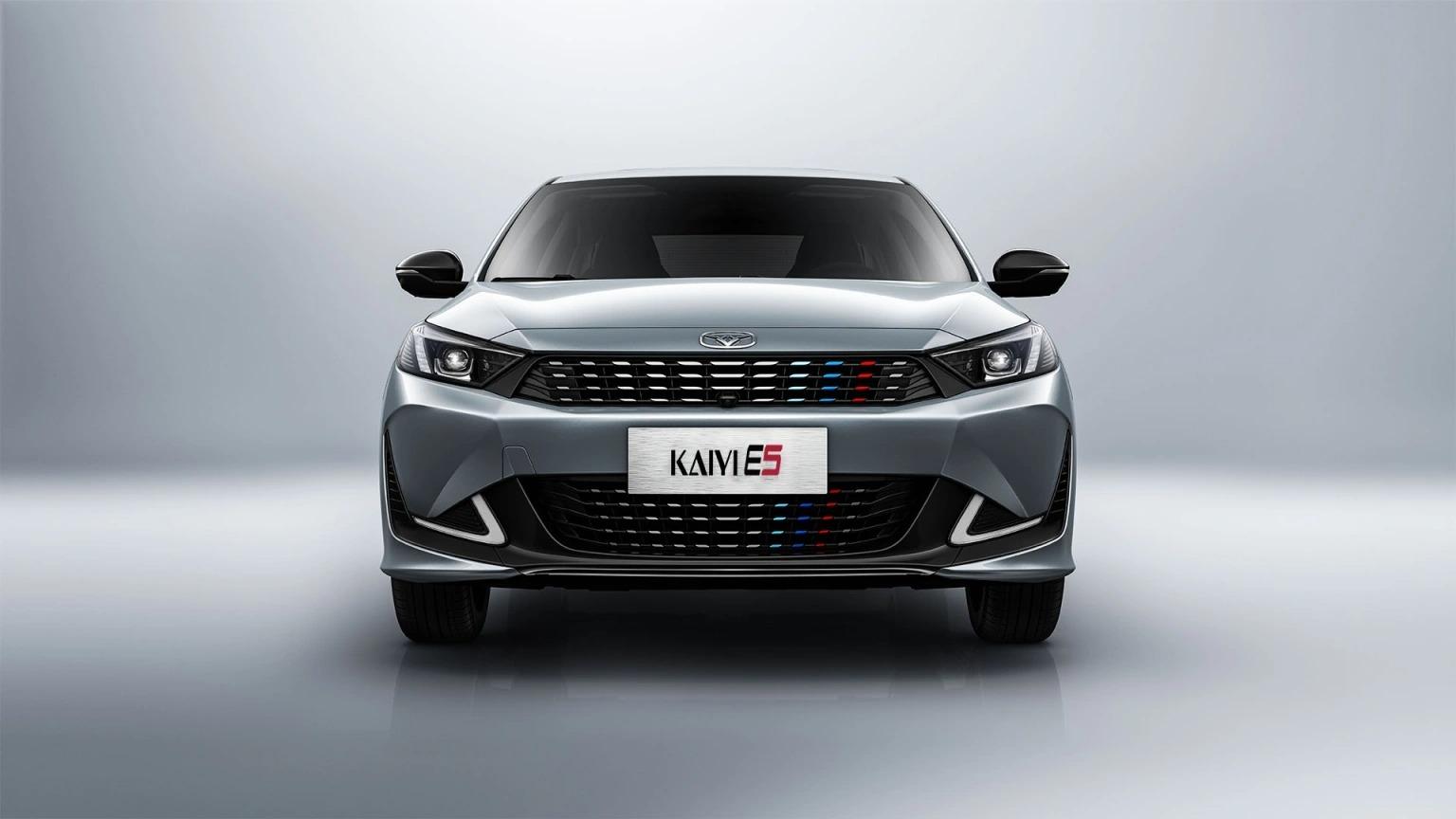
Against this background, the Kaiyi E5 looks like a logical result of the chosen strategy. The sedan, presented in 2021, became a reworked version of the 2013 Arrizo 7, but with a simplified design, cheaper materials and controversial stylistic elements. The car, which once symbolized Chery's desire for a new level, in the Kaiyi version has become a reflection of a long journey - from cautious experiments and ambitions to mass replication of proven but outdated solutions.
Read more materials:
- AvtoVAZ officially explained which gasoline should be poured into Lada
- Moskvich announced prices for the Moskvich 6 sedan of the 2026 model year
- Tank raised prices for the entire model range in Russia: Tank 500, 700 and 400 have become more expensive