The color of a car's body is rarely considered a significant factor when buying a vehicle. Most car owners justify their choice with practical considerations — ease of use, aesthetic appeal, model availability, or current trends. However, psychologists and behavioral pattern experts argue that a particular choice of car color is by no means accidental.
It demonstrates the owner's inner world, their life position, their level of self-confidence, their propensity for risk, and even their driving style. Moreover, numerous studies demonstrate that there is a stable correlation between the color of a vehicle's body and the type of behavior behind the wheel.
Color as a Reflection of the Driver's Personality
Color plays a key role in human consciousness, influencing the emotional sphere, perception, and decision-making. Carl Jung argued that color symbolizes archetypal states of the psyche. In the automotive environment, this effect is amplified because the car is perceived not just as a means of transportation, but as an extension of individuality.
When a person chooses a certain color of car, they subconsciously choose the emotional state with which they want to associate themselves daily.
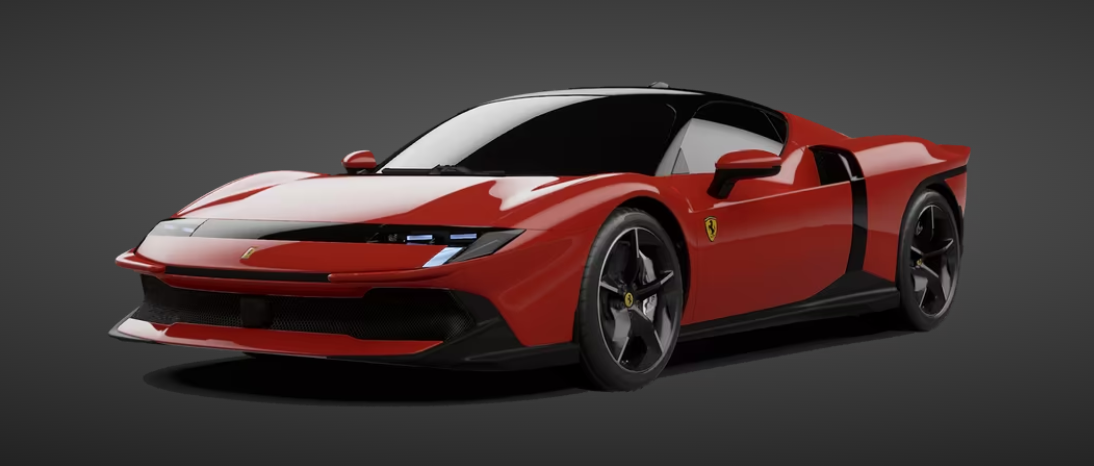
Red symbolizes energy, power, passion, and dynamism. People who prefer cars of this shade are generally extroverts, they are active, impulsive, and prone to risky actions. On the road, they are more likely to take the initiative, make maneuvers, overtake, and do not tolerate slowness. Studies show that owners of red cars are more likely to exceed the speed limit and become involved in conflict situations.
Black, on the other hand, is associated with strength, control, prestige, and inner restraint. However, in traffic, it often becomes a symbol of dominance and status. Drivers of black cars tend to see themselves as leaders of the flow, which often results in persistent, assertive behavior.
Psychologists explain this phenomenon by the fact that a person surrounded by a color that symbolizes strength and dominance begins to behave in accordance with these associations.

White and silver cars, on the other hand, are more often chosen by people who strive for cleanliness, order, safety, and predictability. These drivers are generally more disciplined and less prone to impulsive decisions. White symbolizes neutrality and distance, and therefore helps to maintain emotional stability in stressful situations.
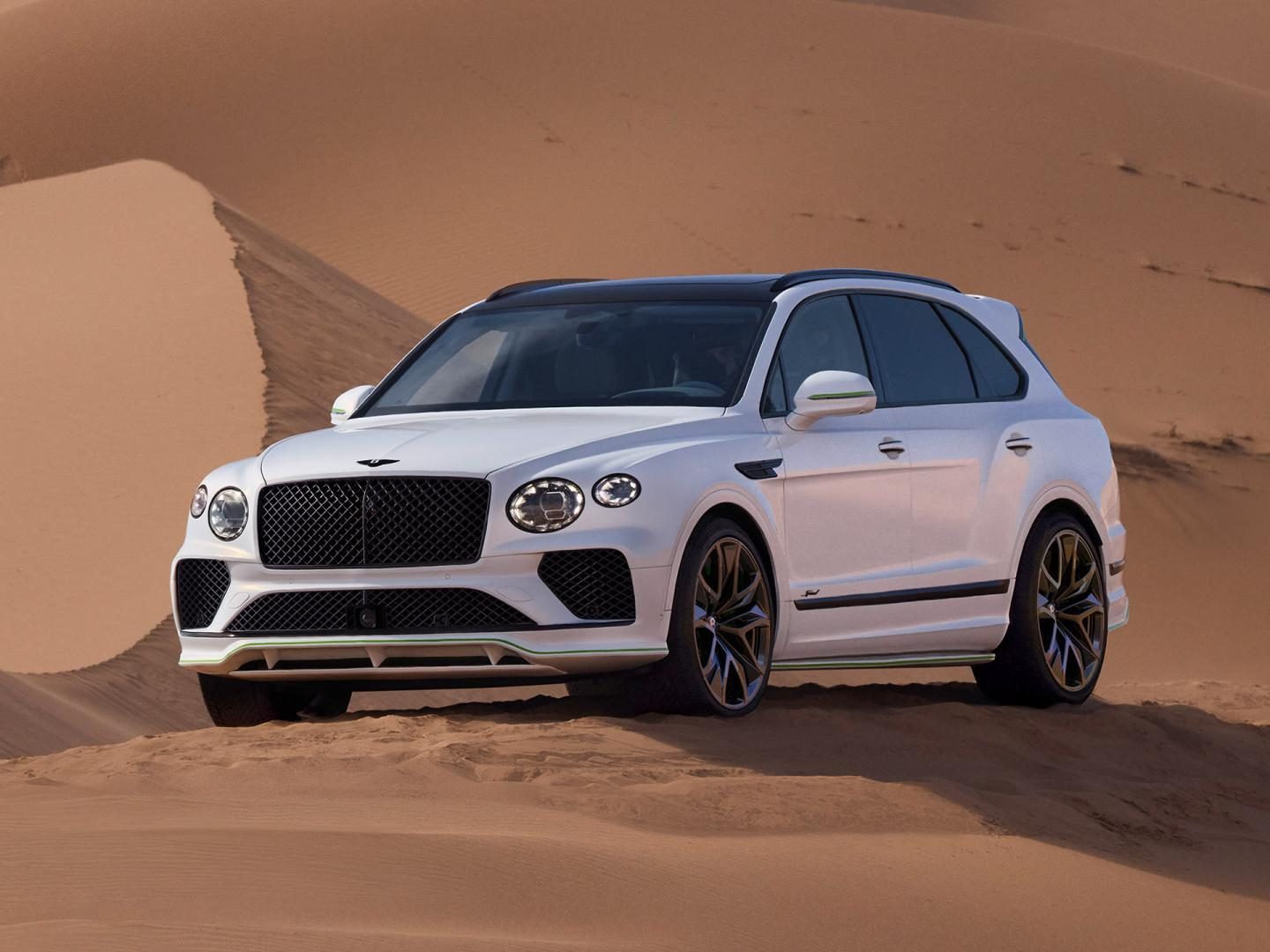
Gray and blue cars are chosen by people who are prone to calmness, prudence, and attentiveness. Their behavior on the road is less conflicting, but more cautious. They are not prone to risk, prefer stability and control over the situation.
Social Factors: How Society Shapes Color Preferences
The choice of car color cannot be considered in isolation from the social context. In each country and in each era, there are symbols of prestige, success, and status that directly affect which shades are perceived as "solid", "sporty", or "safe".
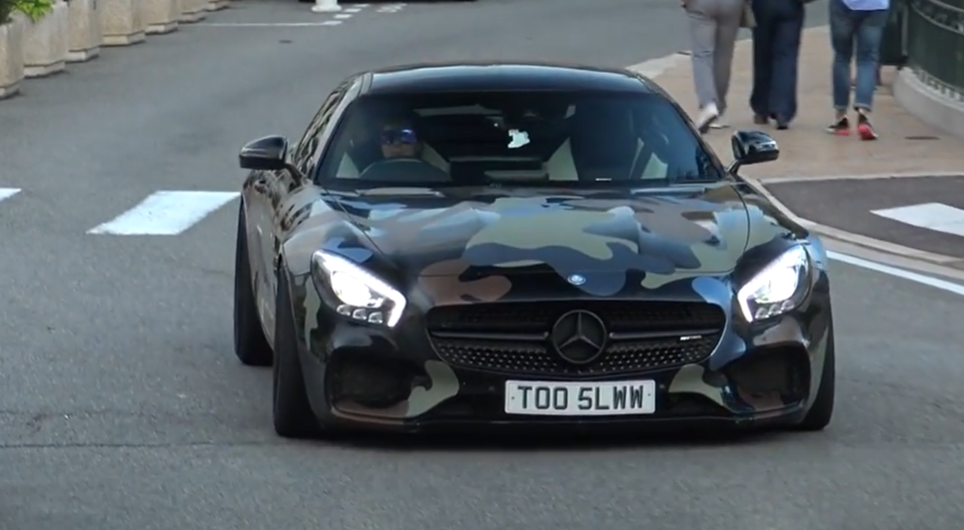
In Russia, as in many post-Soviet countries, black is traditionally associated with power and wealth. This is partly due to history: in Soviet times, black cars were more often owned by government structures and leaders, which закрепляло за этим оттенком символику силы и статуса.
Red cars, on the other hand, are associated with individualism, drive, and the desire for attention. In megacities, where competition for attention is particularly high, this color becomes a means of self-expression.
White, silver, and gray cars have become a symbol of rationality and pragmatism. Their owners are most often focused on convenience and neutrality, which reflects the modern trend towards minimalism and restraint.
Thus, the color palette of the car fleet reflects not only personal preferences, but also the general state of society. When dark cars prevail on the roads, this indicates a mood of stability, control, and isolation. When the number of bright cars grows, it indicates a desire for self-expression and emotional freedom.
Perception on the Road: How Others React to Color
The color of a car affects not only the owner, but also how it is perceived by other road users. Psychologists call this the "color perception effect". A person subconsciously forms an attitude towards the driver based on how their car looks.
Red cars evoke associations with danger, speed, and unpredictability in others. Therefore, they are treated with caution. Other drivers are less likely to argue with them on the road, but are more likely to expect aggressive maneuvers from them.
Black cars, on the other hand, are associated with authority and power. They are more likely to give way to them, less likely to honk, which, in turn, reinforces the feeling of dominance in their owners.
White and silver cars are perceived as neutral and safe. Their owners are more likely to be trusted, less likely to be attributed to aggression.
The color of a car is not just an element of design or a fashionable detail, but an important psychological and social signal. It affects how the driver feels behind the wheel, how they react to stress, how they perceive other road users, and how they themselves are perceived by them.
Read more materials on the topic:
Now on home

Two cars of the same era, created for currency export, but with different philosophies

The crisis, compromises, and wrong decisions that buried a promising model


Resident of Sverdlovsk Region Recovers 192,000 Rubles and Receives Compensation

At the end of 2025, the crossover topped the sales ranking of new cars in the capital

The legendary racer moves around in a wheelchair and is under constant medical supervision

What malfunctions do owners of the Togliatti flagship most often encounter?
Slow shifting in the cold is not normal, but the first sign of transmission problems

The car features improved design and electronics

Now it's Rolls-Royce
Even with the recycling fee, the car will cost less than from official dealers

The model also received new trim levels