2004 was a milestone for the global and Russian automotive industry. Globally, about 50 million passenger cars were produced and sold - for comparison, in 2025 this figure will exceed 90 million, with the People's Republic of China being the main driver of growth.
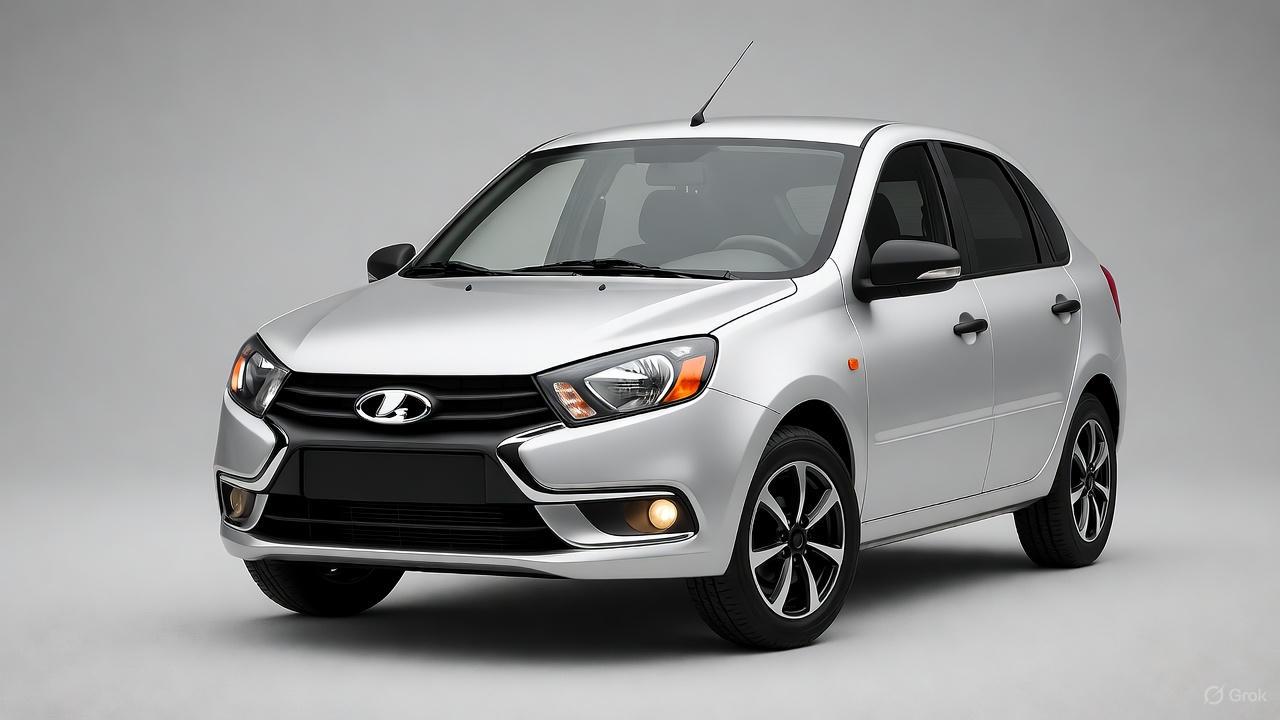
In Russia, sales of new passenger cars in 2004 amounted to 1 million 285 thousand units - a level to which we are returning in 2025. In China, 2.33 million cars were sold during the same period, which is now comparable to the monthly sales volume in China. In the USA and Europe, market indicators are also comparable to 2004, while in Asia and a number of developing countries, growth has been much more rapid.
Returning to Russia, it can be noted that almost all domestic car factories increased production in 2004. In total, 1.38 million cars were produced, of which 1.1 million were passenger cars - 10% more than the year before. The share of foreign cars in the domestic automotive industry remained small - about 12%, including Chevrolet Niva. However, new foreign models were steadily gaining popularity in the market: their sales increased from 216 to 408 thousand units, and the market share reached 32%, which became a real "foreign car boom".
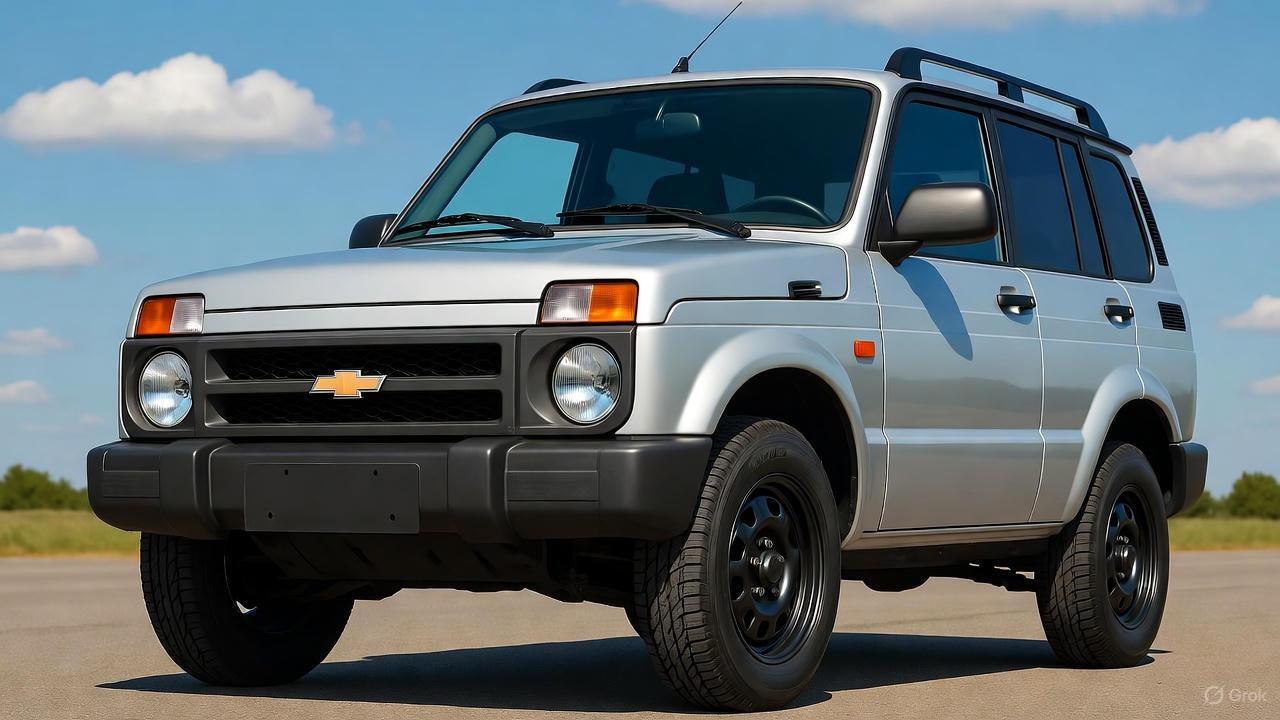
Chevrolet led the Russian market thanks to the Niva, Hyundai, supported by the assembly of Accent in Taganrog and the active work of Rolf in importing from Korea, and Toyota, which took third place, ahead of Ford and Daewoo.
The top 10 foreign car sales looked like this:
- Chevrolet - 56 061 pcs.;
- Hyundai - 50 686 pcs.;
- Toyota - 43 867 pcs.;
- Ford - 39 241 pcs.;
- Daewoo - 35 398 pcs.;
- Mitsubishi - 30 097 pcs.;
- Nissan - 28 434 pcs.;
- Kia - 18 759 pcs.;
- Renault - 16 126 pcs.;
- Opel - 9 153 pcs.
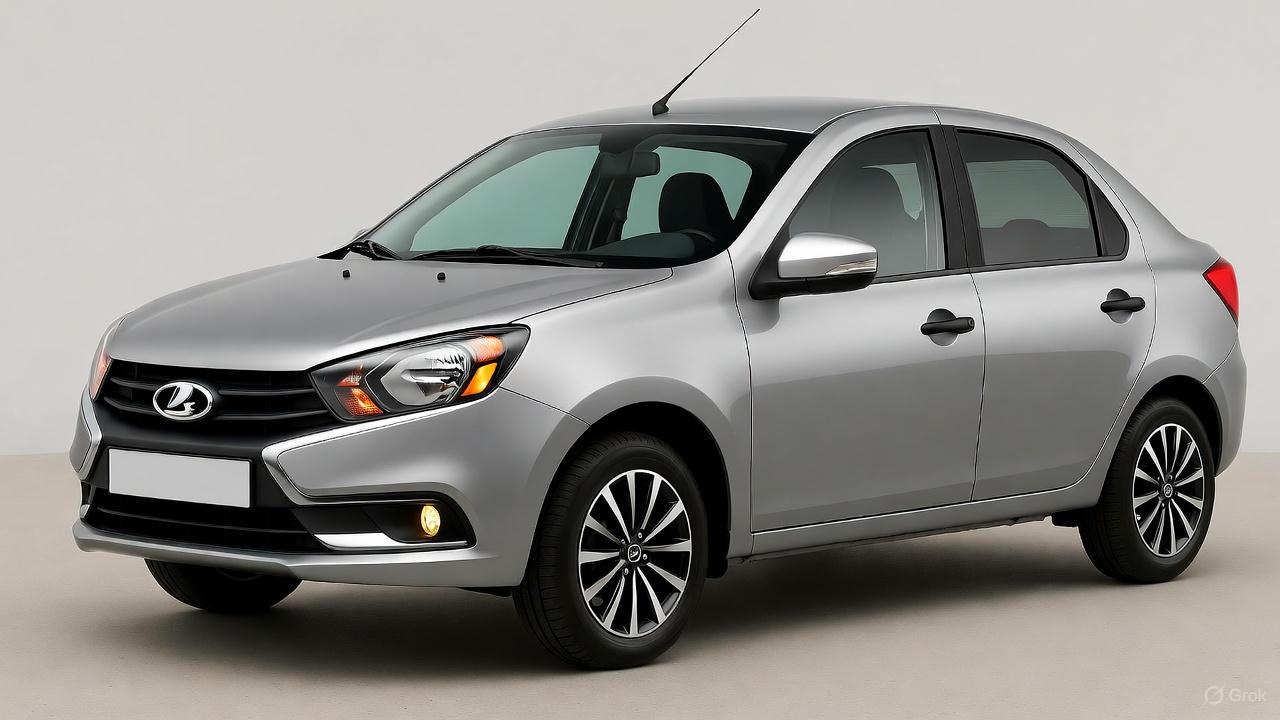
Special attention should be paid to important events in the Russian automotive industry. At AvtoVAZ, the year turned out to be economically difficult, but productive. The company completed the transition to a single Lada brand, and on November 18, the serial assembly of the new Lada Kalina model, which received the factory index VAZ-1118, was launched in a solemn atmosphere.
At Izhavto, the first batch of KIA Spectra was assembled in March 2004, and during the year the plant produced a record 97 thousand cars, which became a record for the newest history of the enterprise, not counting the USSR period. Avtotor expanded its range: GM models were added to KIA and BMW, starting with the Hummer H2, then the Chevrolet Tahoe and TrailBlazer, which were assembled using the large-unit method.
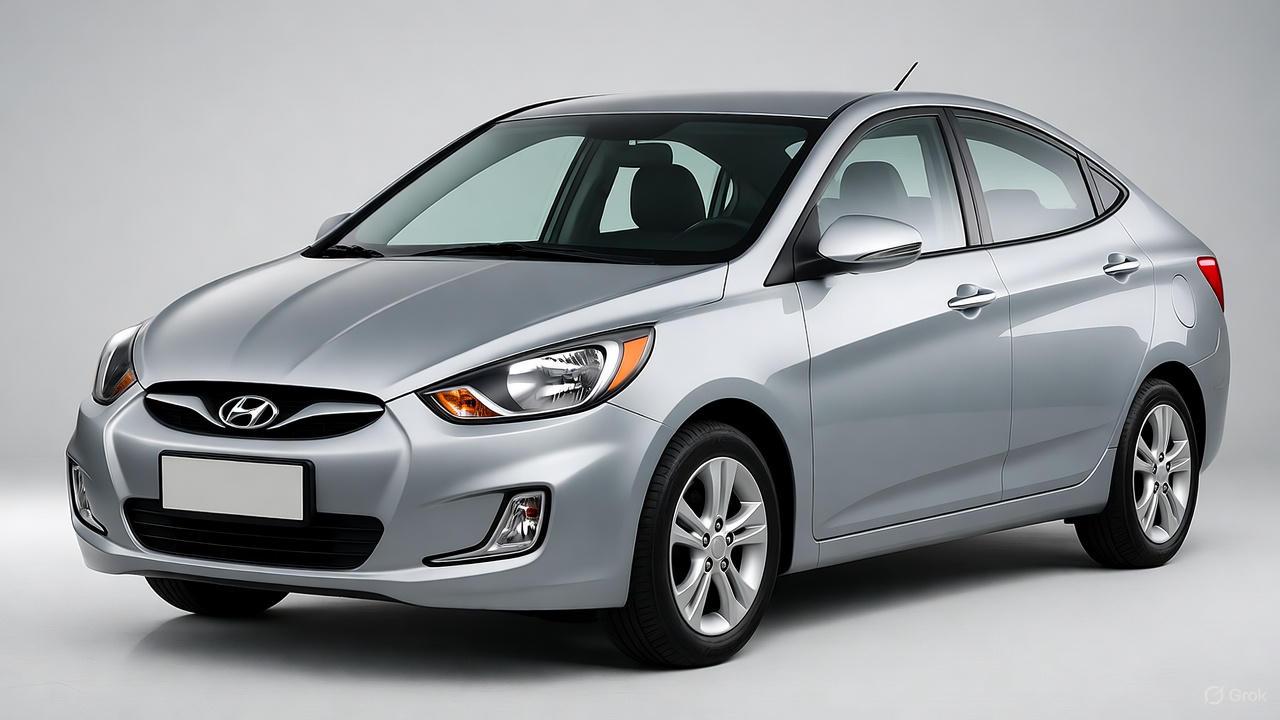
TagAZ expanded the Hyundai line: the Sonata business sedan was added to the Accent, and later they began producing Hyundai Porter mini-trucks. Moscow Avtoframos was preparing a site for the assembly of the Renault Logan, which started in the spring of 2005.
The American Ford, inspired by the success of the Focus, decided to increase the capacity of the plant in Vsevolozhsk first to 40, and then to 60 thousand cars per year. And Toyota, already in September 2004, announced plans to build its own plant in Russia: during the same period, the search for a site began, and less than a year later, the first stone was laid in the Shushary industrial zone. In 2004, Volkswagen AG fully assumed the functions of a general importer, and preparations for the construction of a plant in Kaluga began two years later.
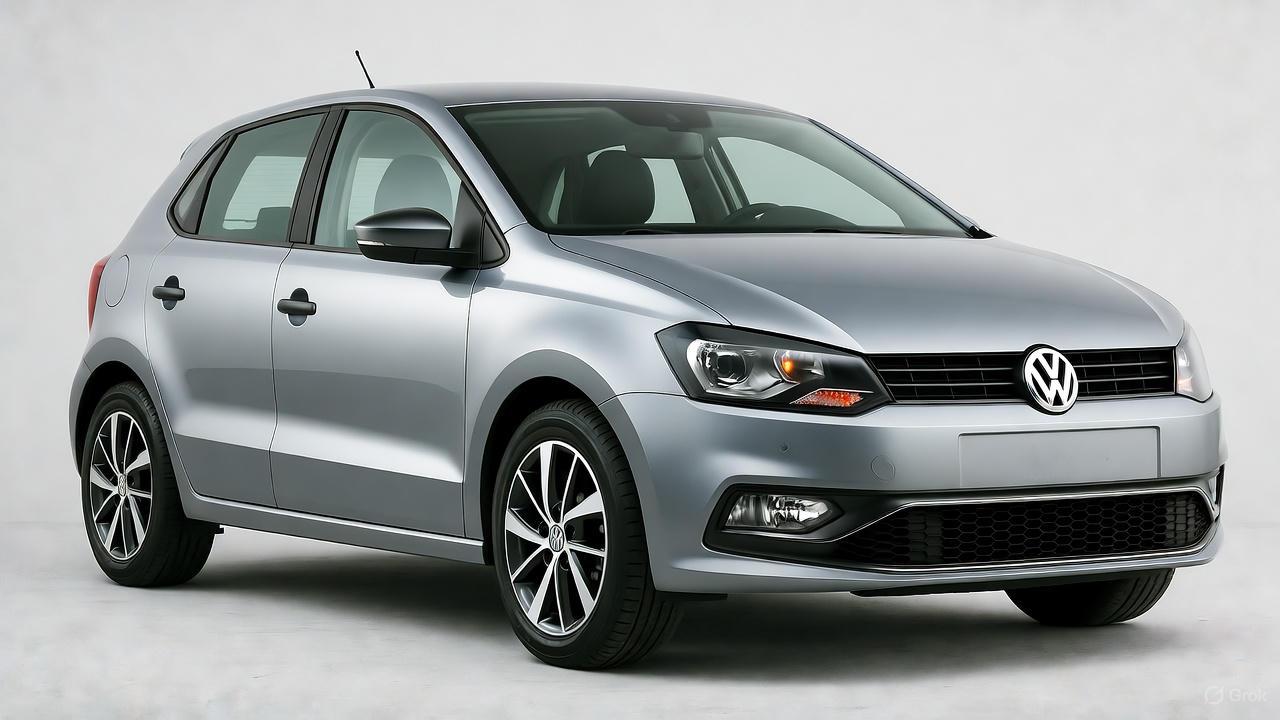
2004 was a time of growth, adaptation and preparation for future changes for the Russian automotive industry. The appearance of Lada Kalina, the increase in production at all key plants and the rapid growth in the popularity of foreign cars laid the foundation for the further development of the market.
Read more materials:
- Very expensive: Audi A6 is being sold again in Russia
- In Belarus, only two Lada Auras were sold in eight months - and not quickly
- Prices for Exeed Exlantix ET have been revised in Russia
Комментарии