Over the past few years, we seem to have become accustomed to the fact that in the once colorful sky of domestic official dealerships, all positions have suddenly become uniformly Chinese. And although formally the number of brands and models has not exactly decreased, but perhaps even increased due to all sorts of Chery Tiggo 7 Pro Max and other Omoda, a certain sense of hopelessness hangs in the air.
One might think that those brands that promptly left the domestic market are thriving at home, but in reality, things are not so rosy. Today we will present a dozen brands that have every chance of disappearing, if not in the near future, then in the next five years for sure. If you happen to own something similar, it makes sense to think about where to get spare parts and what will happen to the price in the secondary market.
Mitsubishi - Slow Fading of a Japanese Brand
First on the list, and this is quite surprising, is the seemingly relatively stable Japanese Mitsubishi. Once known for its compact models, sports cars, SUVs, and pickups, today their model range is only a small fraction of what it used to be.
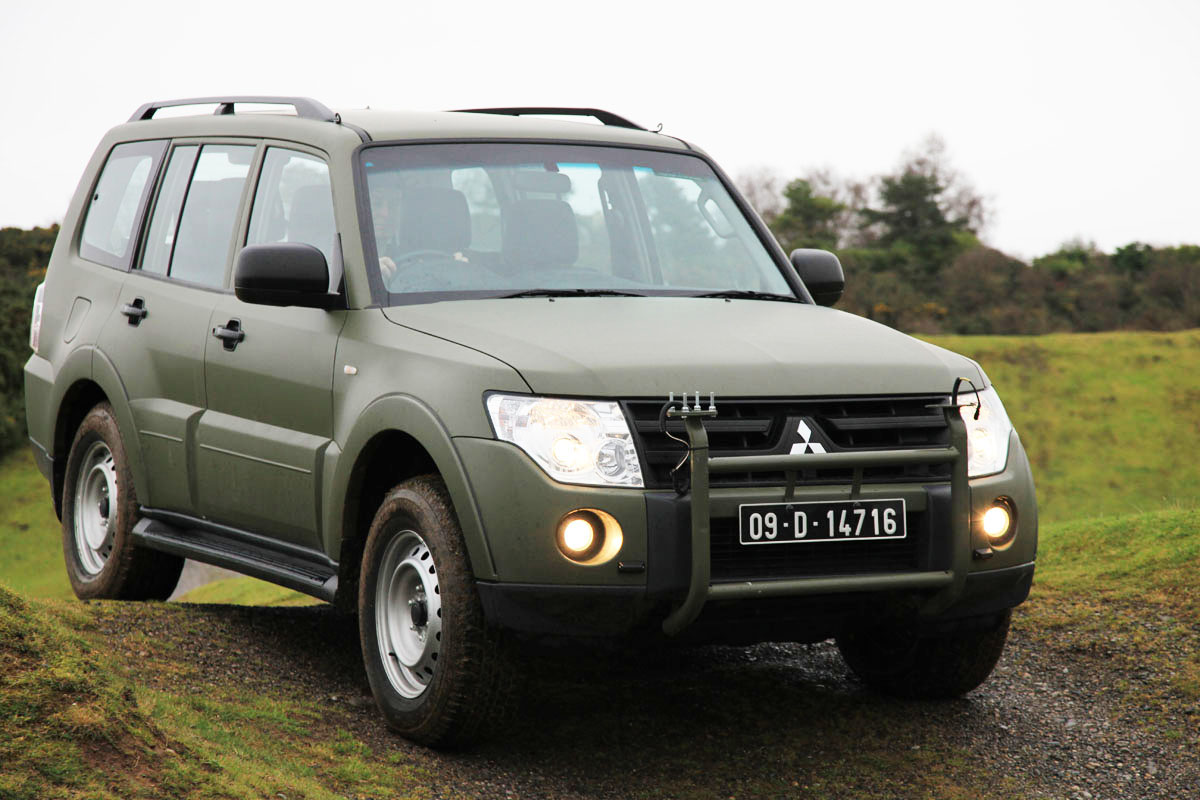
Let's be frank, there are no more cars to dream about. After all, no one will seriously admire the Eclipse Cross or the new Outlander with a Nissan engine under the hood. It turns out that by consistently destroying all its legendary positions, such as the Lancer Evolution and the classic Pajero, Mitsubishi never offered any worthy replacement for these hits, and now their disappearance is only a matter of time.
Chrysler - One Model Doesn't Make a Brand
Another real candidate for departure. Once it was a name with a capital letter, at least in America for sure. Even relatively recent models, such as the 300C, still carried remnants of that reputation. But what about today? Go to any Chrysler dealership, and you won't find anything there except one single car - the Pacifica family minivan.
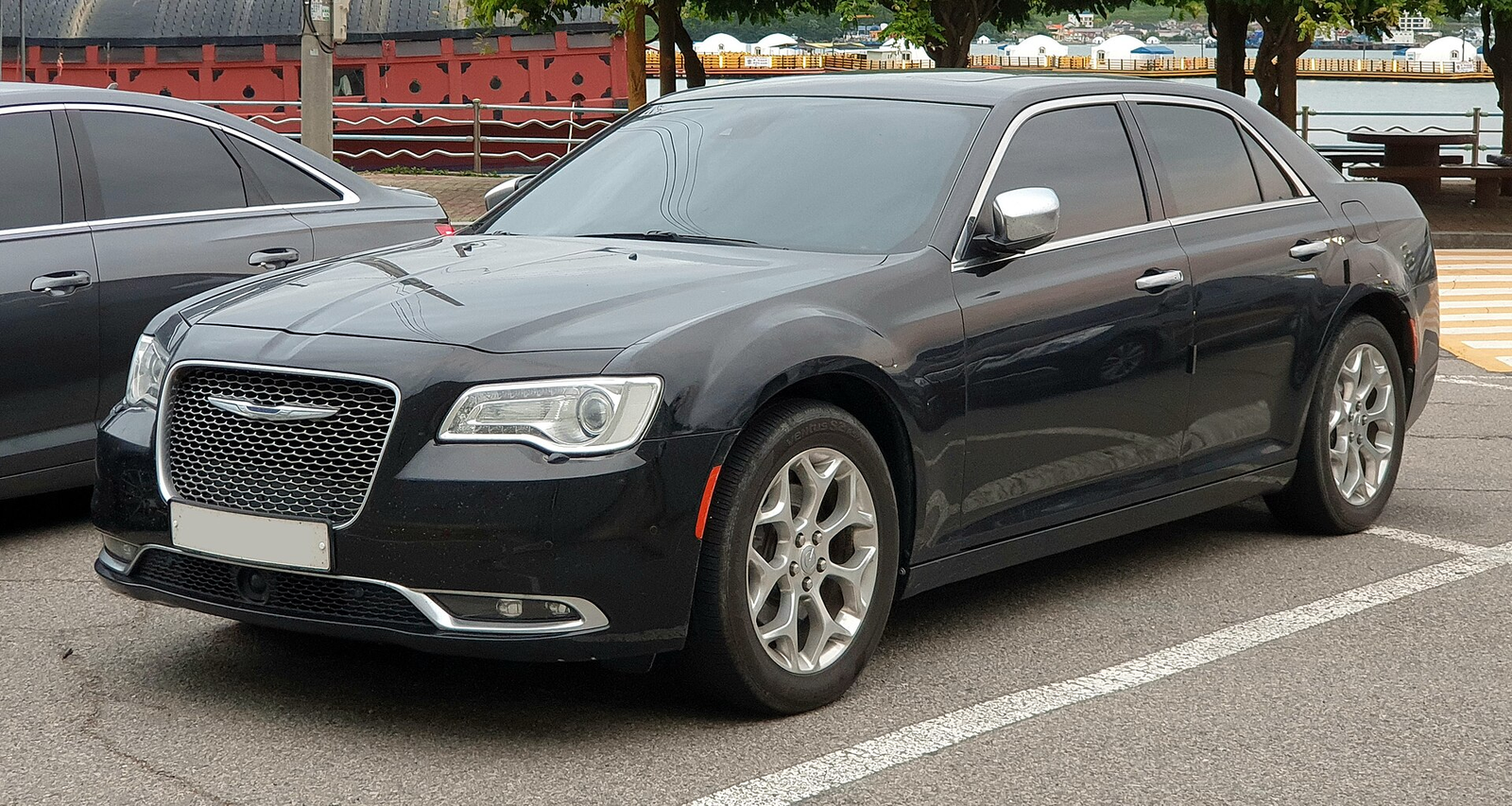
Pacifica was supposed to give the brand an impetus for development, but alas, it has become mired in recall campaigns. Problems with electrics, knocking engines, batteries of the hybrid system that burn along with the cars. Sales have collapsed so much that management has gradually shifted the focus from Chrysler to brands such as Jeep and Ram. No plans to revitalize the brand have been announced to this day.
Infiniti - Premium Without Individuality
Nissan's luxury division, created with an eye on the wealthy American market. An attempt to compete with everyone at once, from Lexus to Mercedes and BMW. In practice, Infiniti cars sorely lacked originality - they were too much like Nissans.
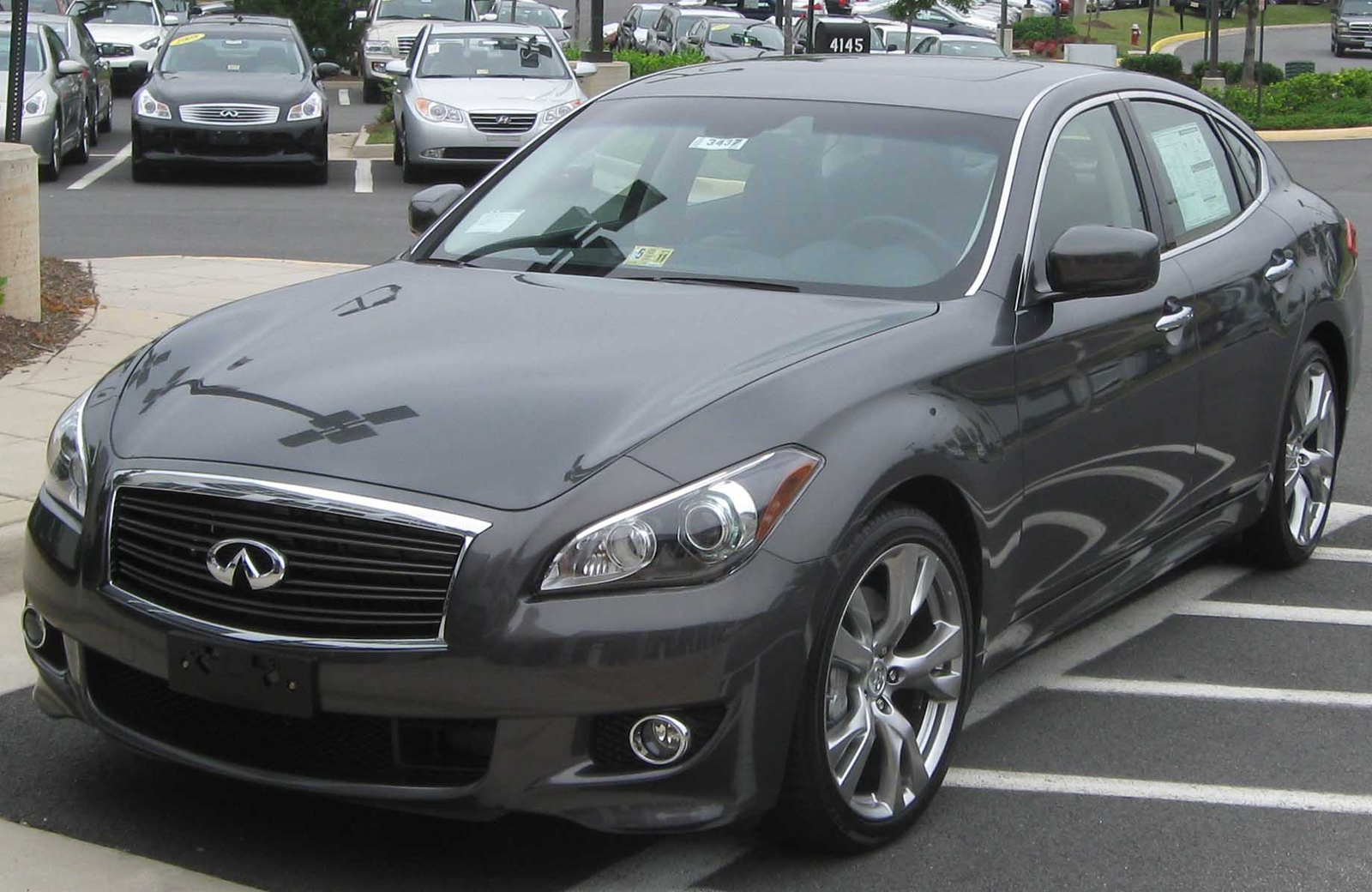
Sales in the main market for the past year have halved. The root of the evil? The widespread dominance of continuously variable transmissions and the departure from "sports crossovers." Few people like to buy a collection of problems of a budget car at the price of a luxury car.
Lincoln - Lost Status
Another brand from the glorious cohort of American luxury. Once this emblem was carried by executive-class cars, in which politicians moved up to the level of the president. Today, Lincoln no longer makes limousines or ordinary sedans. Today, these are crossovers and SUVs, which are slightly restyled Fords.
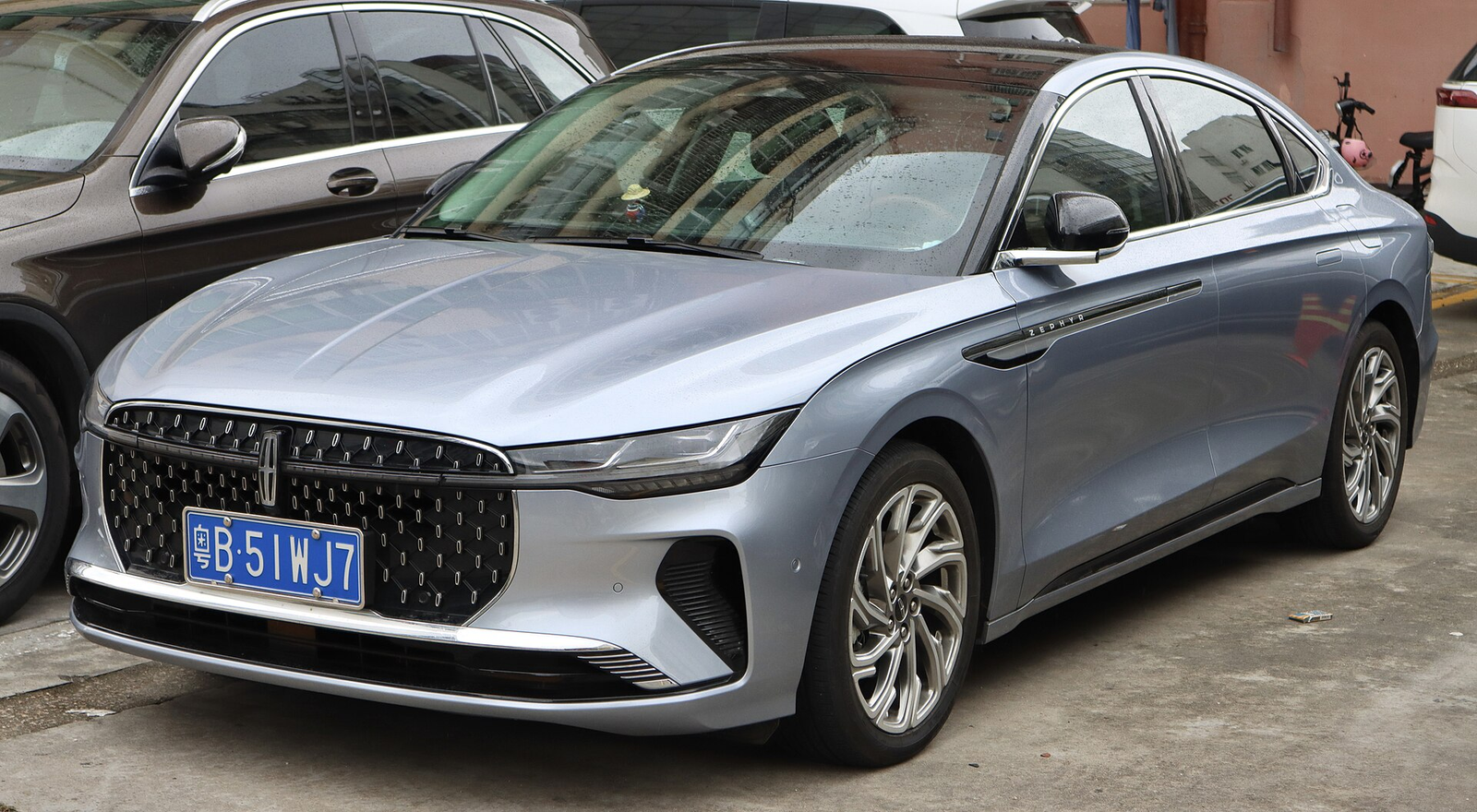
Navigator became a "lifesaver" for the brand for a while, but that time has passed, and new equally high-profile cars have not appeared. This brand simply ceased to be status at some point.
Alfa Romeo - Beauty Requires Sacrifice
Italians have always been able to make unusual and beautiful cars, but in the modern world, where competition for the consumer is a matter of life and death, just being beautiful is not enough. Yes, the Alfa Romeo Giulia or the Stelvio crossover look like masterpieces externally, but the apt expression: "Alfa is the best of what I have driven, but the worst of what I have owned" accurately reflects the problem.
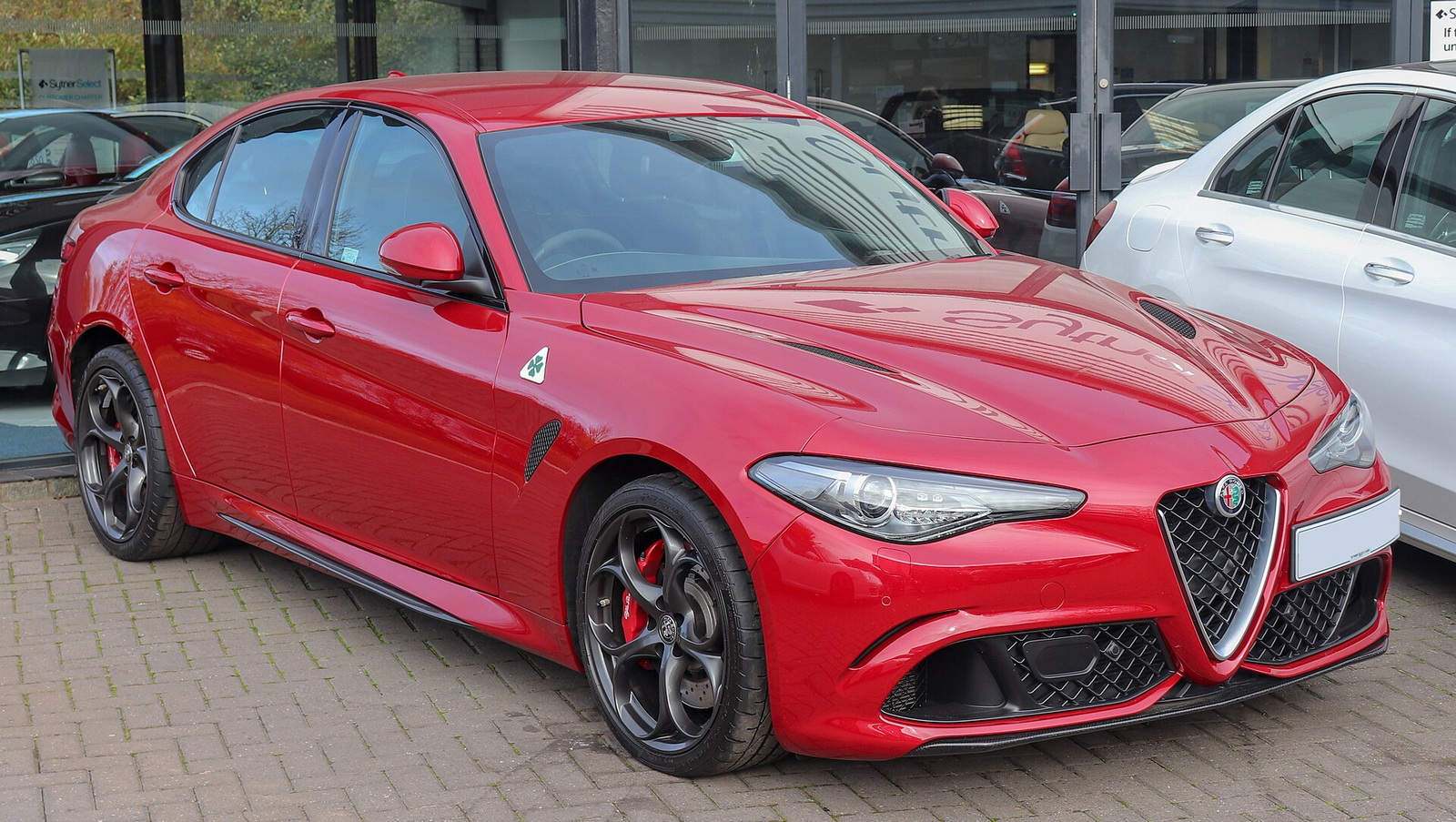
Modern Alfa Romeos piously honor the traditions of "theoretical reliability", disappoint owners with garlands of signal lamps, periodic equipment failures, and very solid amounts in repair bills. Sales in the USA do not exceed 15 thousand cars per year.
Fiat - Quality Failed
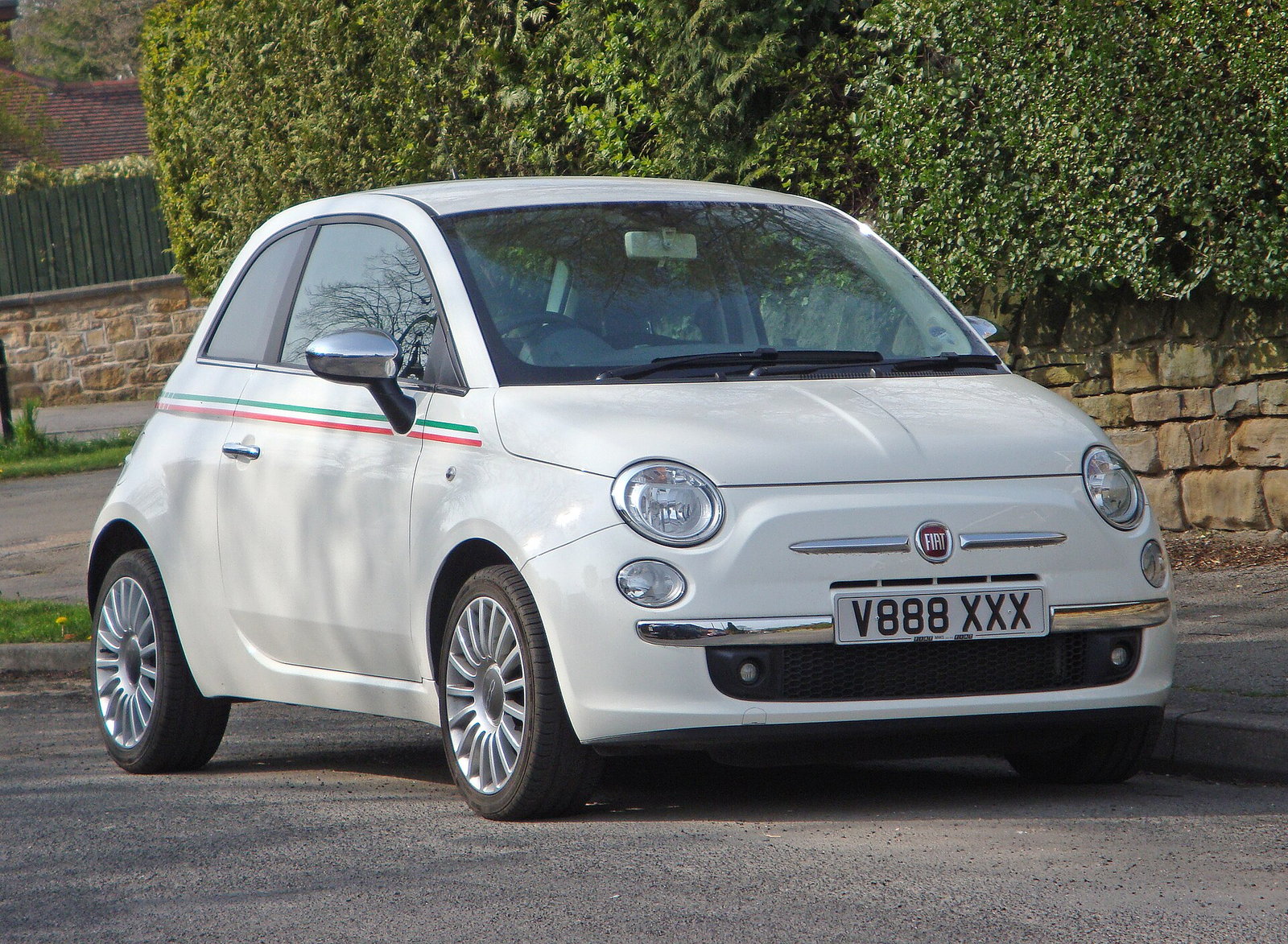
Another Italian brand is far from in the best shape. When a new Fiat 500 appeared around 2010, stylish, nimble, and unlike other subcompacts, hope dawned. But as usual with the Italians, quality failed. Numerous problems with electronics, problematic transmissions, cheap materials at a normal price. The company has practically withdrawn from the US market.
Mazda - Lack of Resources
An unexpected candidate. If the previous ones have a problem with low reliability, then this cannot be said about Mazda. For decades, Mazda has built cars that drove better than most competitors, looked better, and were no less reliable. So why are they at risk?
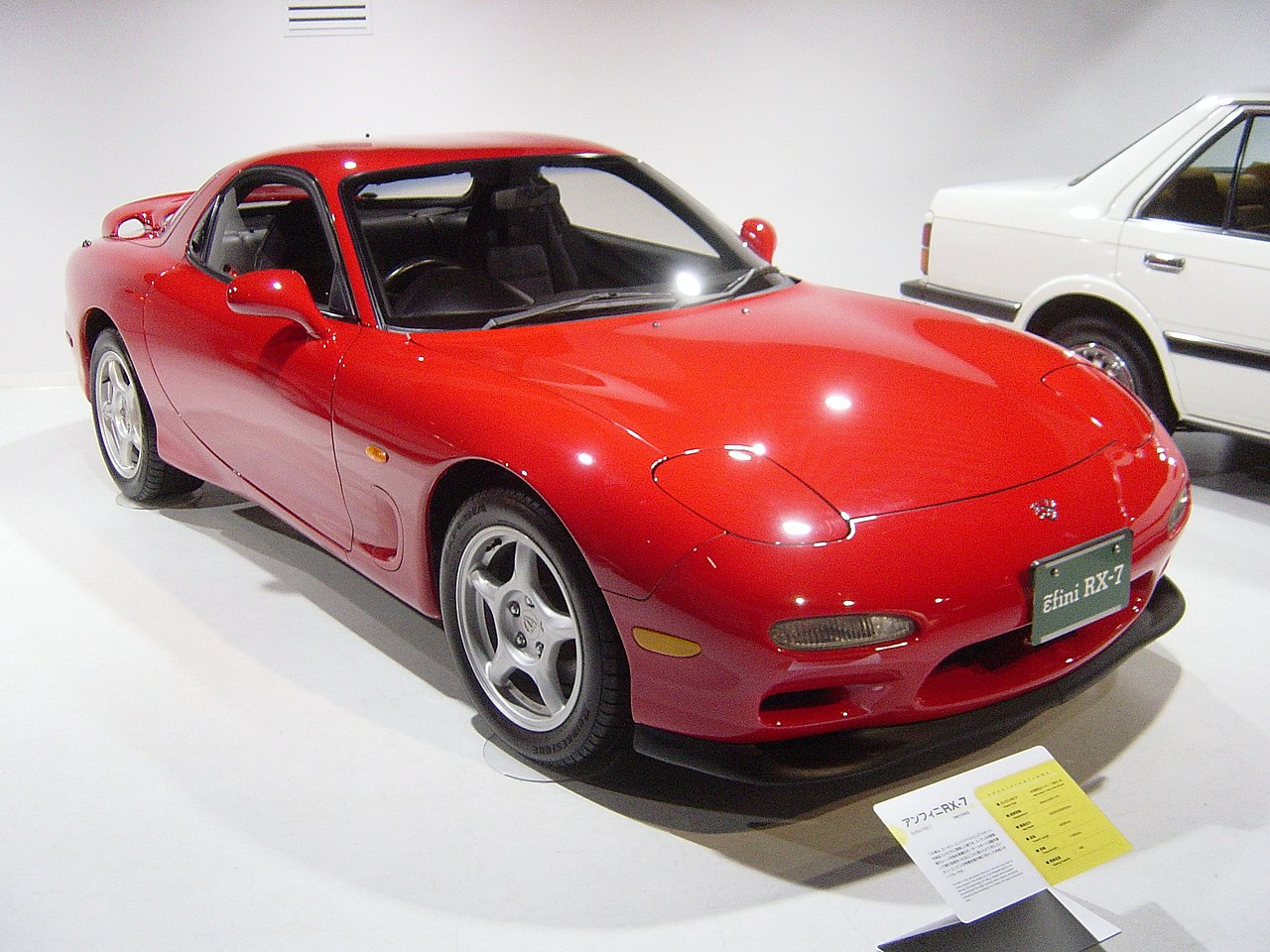
Resources. Mazda does not have the same resources as Toyota or Hyundai/Kia. While everyone is climbing into the niche of electric vehicles, Mazda is modest. Mazda has already retreated from some markets, and is stagnating in others. Whether this brand will remain independent or its fate is to disappear inside a giant corporation, we will see.
Genesis - Young Premium Without History
Despite the fact that this elite Hyundai is doing better than Infiniti, the situation is such that in the next 5-10 years we may not count it. These powerful and well-equipped Koreans are really in demand. Sedans G70 and G80, crossovers GV70 and GV80 are worthy cars.
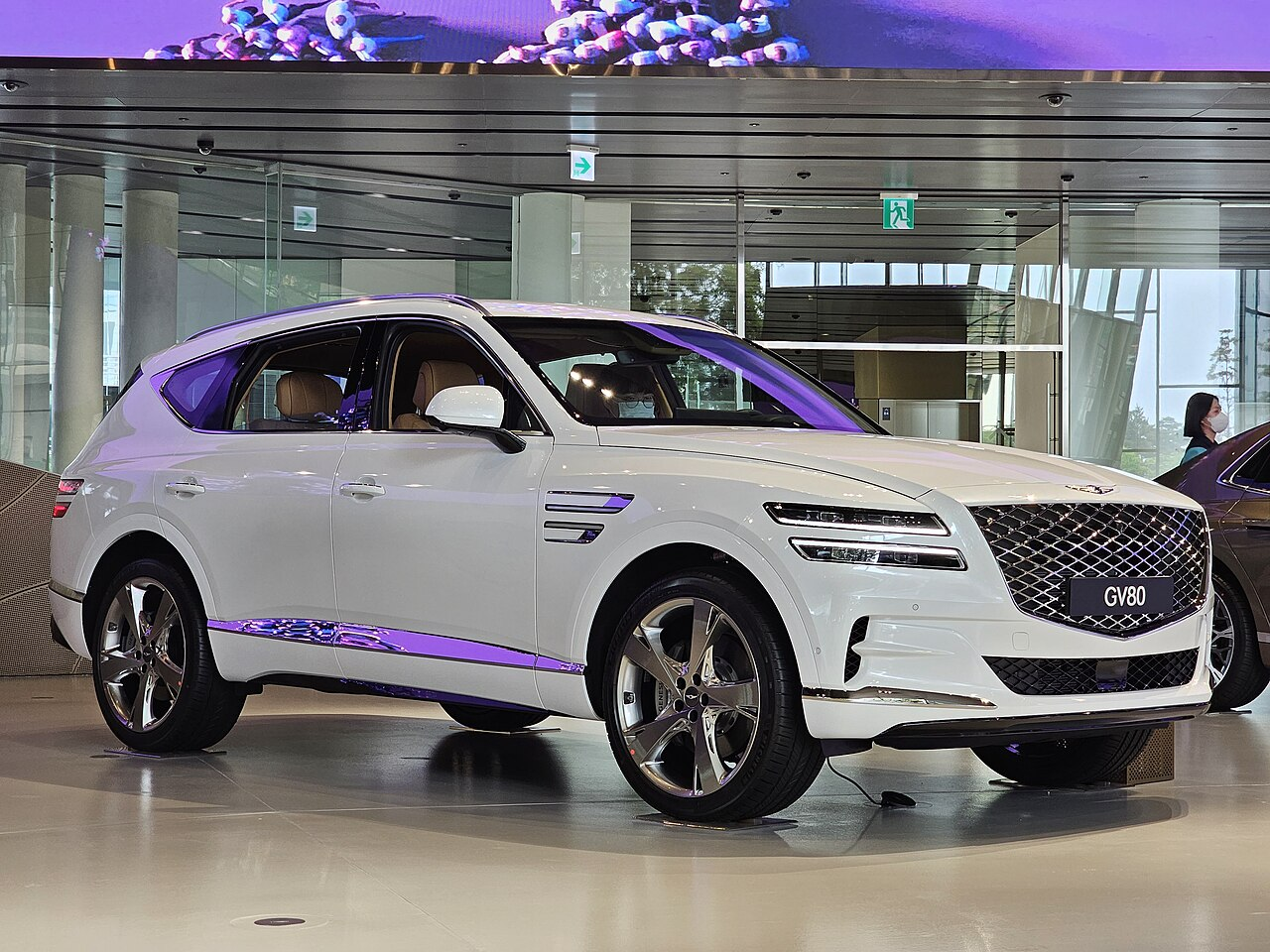
Why is Genesis at risk then? When it comes to expensive brands, product quality is not the only thing that determines survival. There is also reputation, history, image. Compared to German competitors, Genesis as a brand has only just crawled out of diapers. Most of the sales are provided either by serious discounts or by leasing companies.
Acura - Honda with a Markup
Again the Japanese. And again a brand personally created for America - now from Honda. Once, luxurious, fast cars were sold under the Acura brand, the key quality of which was reliability. Today, Acura looks good, is technologically advanced, and is still reliable. What's the problem?
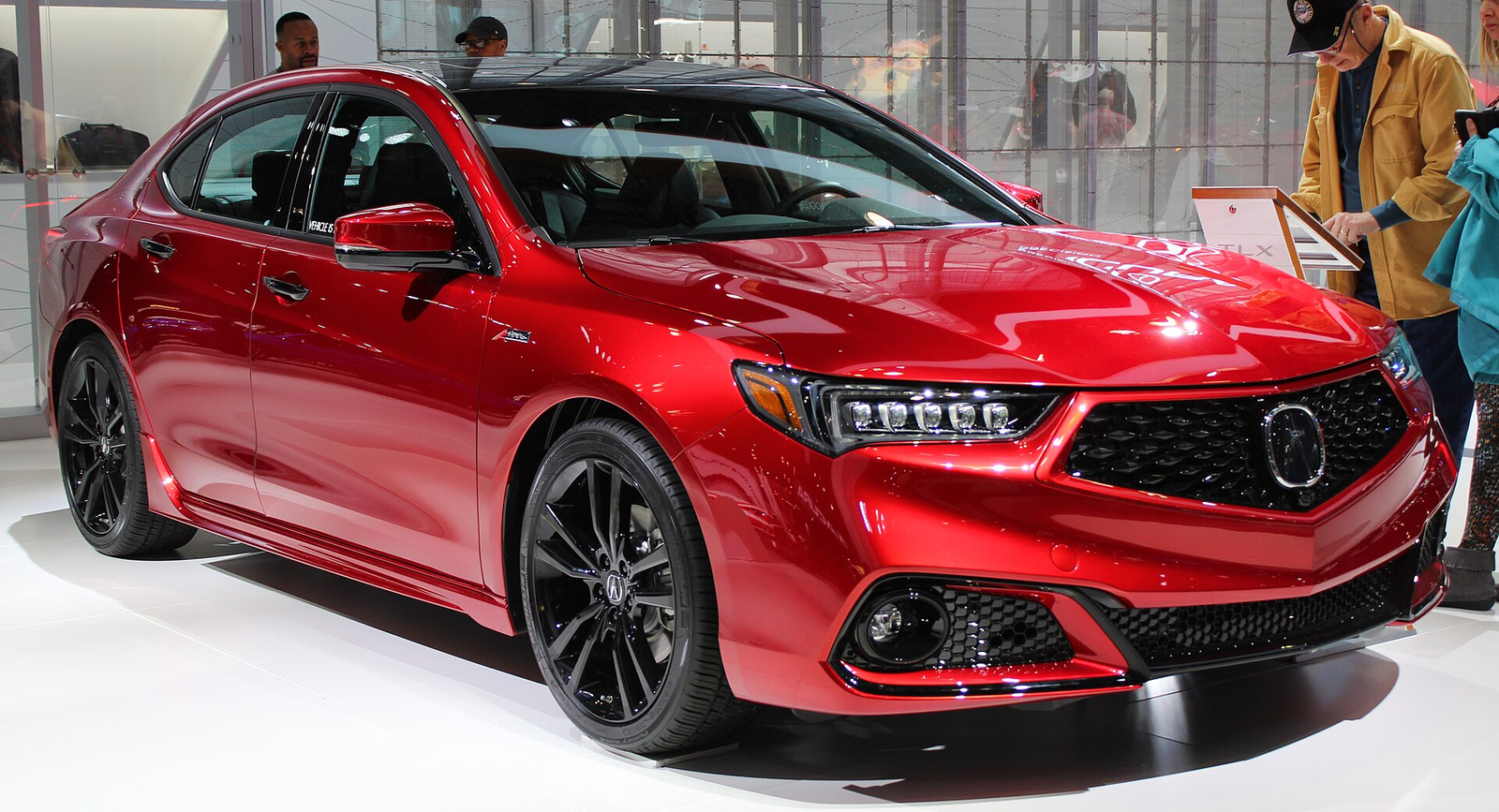
In price. For a price higher than the original Honda, you get essentially the same thing, slightly modified externally, but not in terms of driving experience or technology. They do not take either dynamics or comfort. If Acura does not offer something that will draw a clear line between the usual Honda and the premium one, it is unlikely that this brand will last long as a separate phenomenon.
Jaguar - Agony of a Legend
This luxury British brand has reached the last stage. And this is despite the fact that Jaguar is all right with history - any Asian concern would sell its soul for such a track record. Having behind him such masterpieces as the E-Type, recognized as one of the most beautiful cars ever created, by 2025 Jaguar was left with practically nothing.
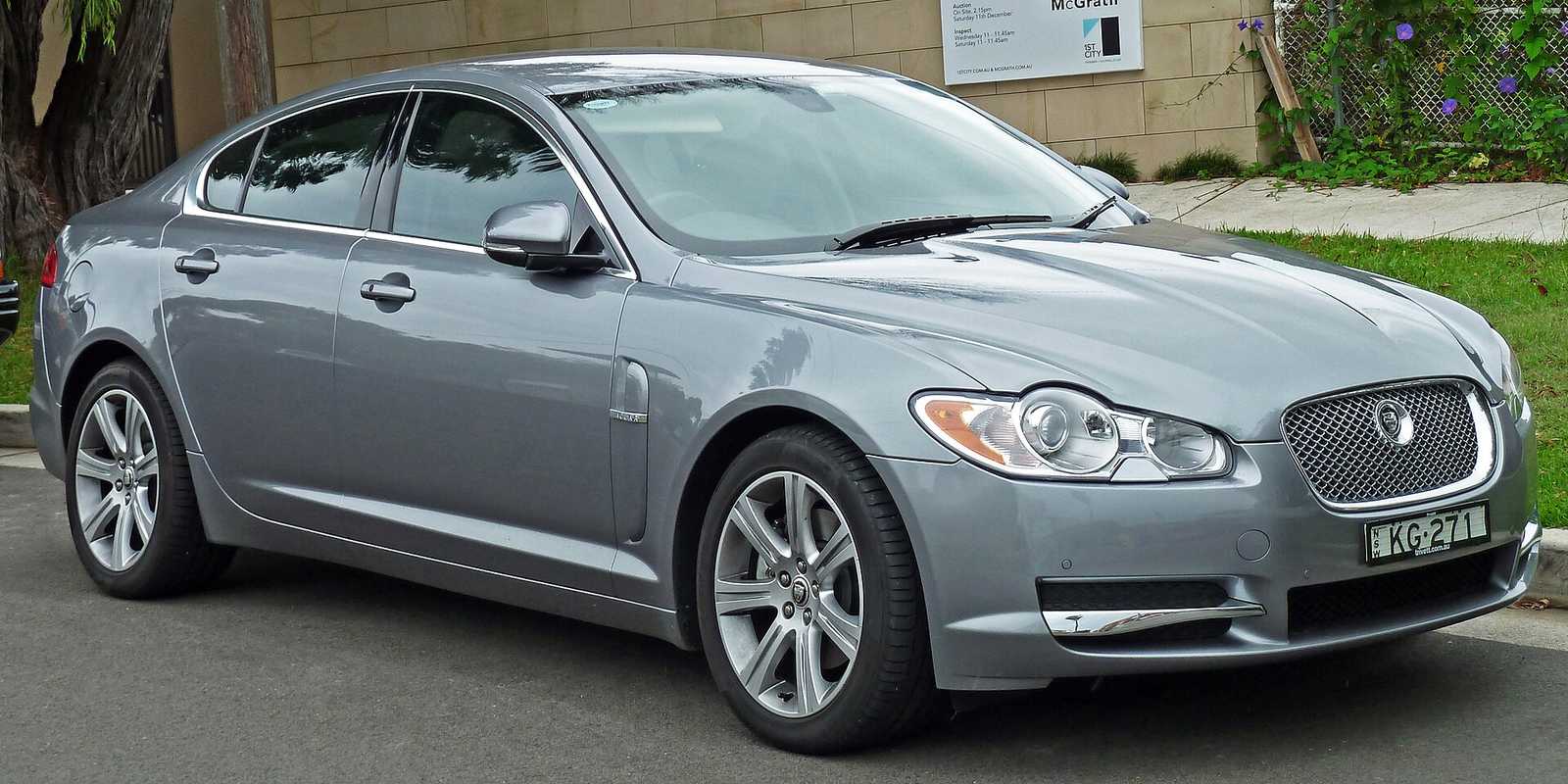
Global sales have collapsed to 60 thousand cars per year. The model range is shrinking, it was decided to abandon gasoline cars in favor of electric vehicles. Jaguar dealerships are empty. Despite promises, there were no electric vehicles, only vague concepts. Gasoline cars are outdated. Apparently, by 2030, the "big cat" will still join the ranks of extinct species.
Read more materials on the topic:
- 2004 in the Russian auto industry: production growth, boom in foreign cars and Lada Kalina
- What will the new generation of BMW 3-Series be like
- The most affordable Chinese crossovers in Russia are named
Комментарии