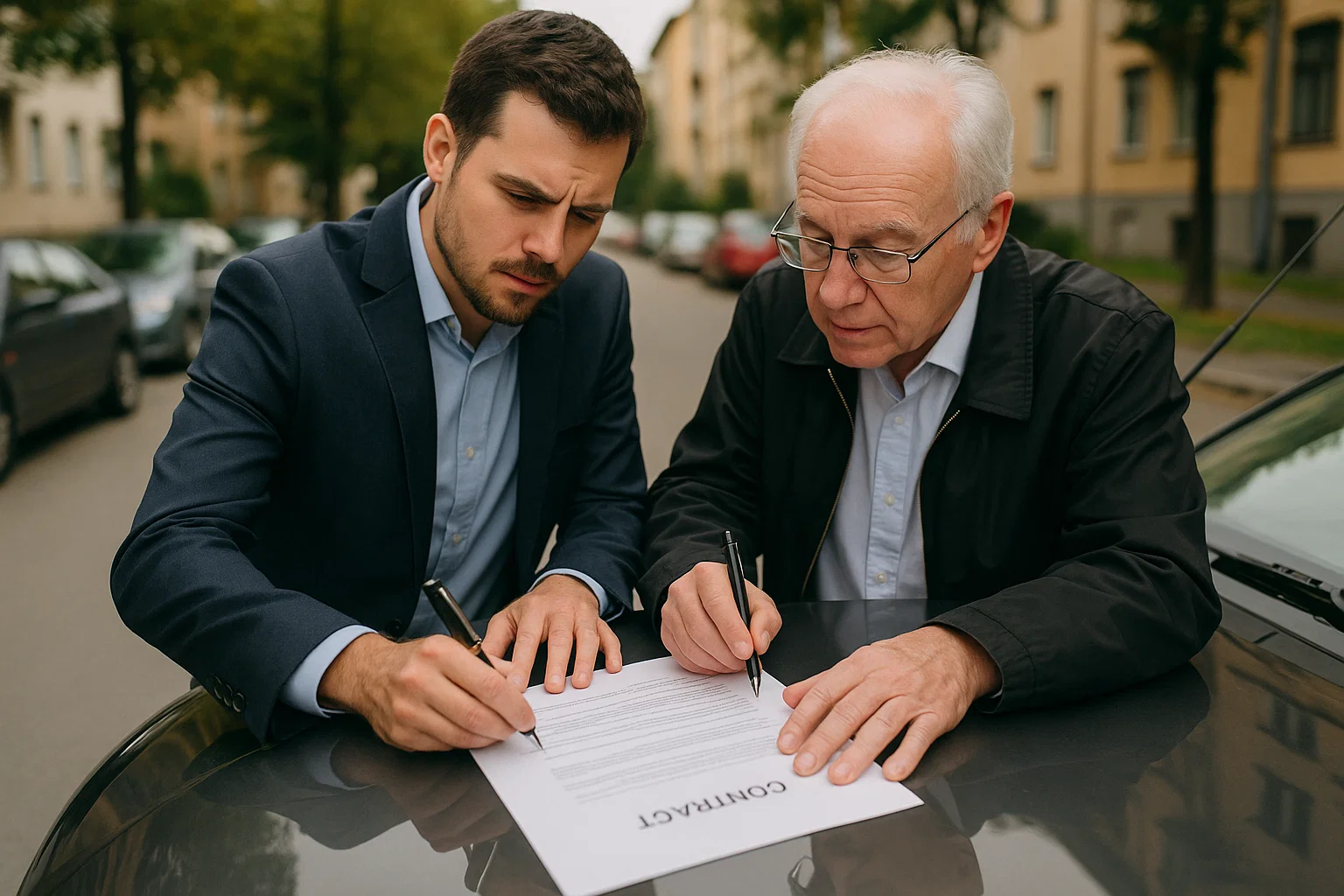
Today, оформление сделки купли-продажи автомобиля проще простого: не нужно нотариуса, достаточно распечатать шаблон договора, вписать данные продавца и покупателя — и всё, документ юридически действителен. На первый взгляд.
However, in practice, everything turns out to be not so smooth. Even if the sales agreement is signed by both parties, government agencies do not always consider it sufficient proof that the car has indeed been transferred to the new owner. And this means that the old owner risks receiving fines for violations committed by another person.
When is a car considered unsold, even if there is a contract?
The most typical situation is when the new owner did not manage to register the purchased car within 10 days, as required by law.
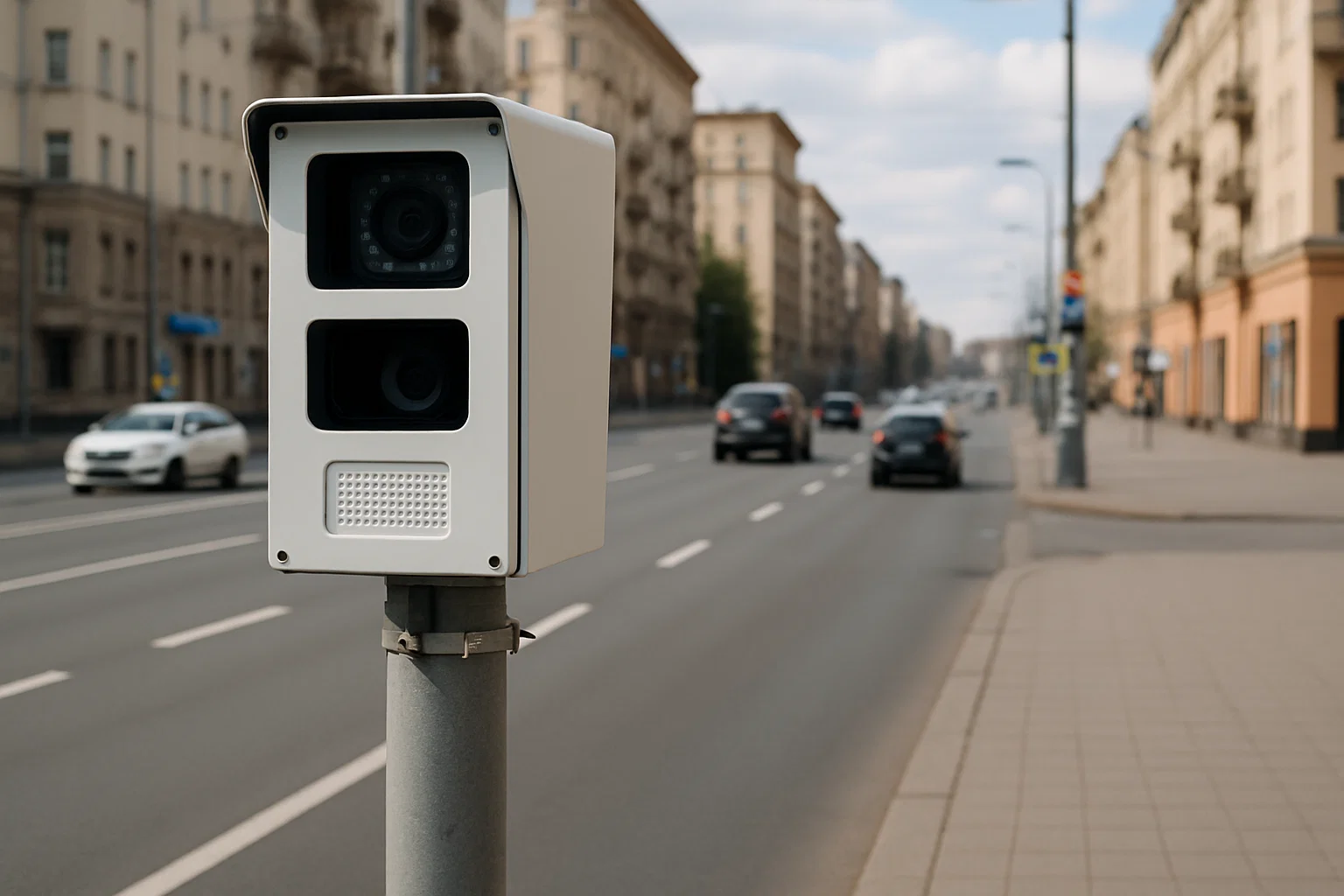
Imagine: you sold the car, the new owner drove away happy, but postpones the registration "for later." And then photo-fixation cameras catch him speeding or running a red light. The fine comes not to him, but to you - because according to the traffic police database, the car is still registered to the previous owner.
Attempts to prove that you did not commit the violation often end in failure. Neither the traffic police nor the courts are in a hurry to believe the piece of paper that you call a "sales agreement."
Why the Traffic Police Doesn't Trust Contracts Concluded in Simple Written Form
The main reason is the lack of official confirmation of the transaction.
A sales agreement drawn up between private individuals without a notary is not certified in any way. It can be easily forged, and it is almost impossible to verify its authenticity. Especially when it comes to a copy, not the original document.
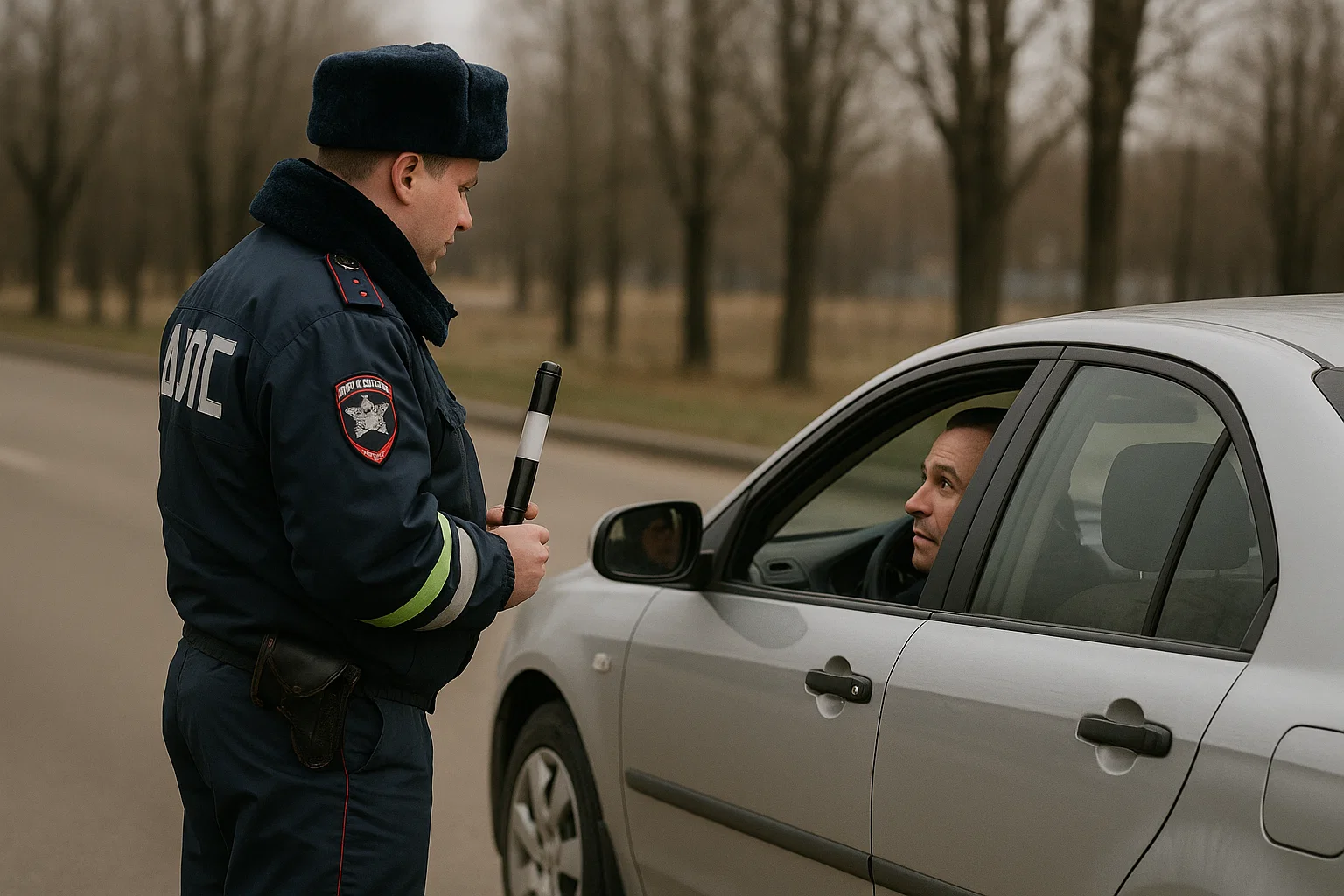
When the former owner appeals the fine, attaches a copy of the contract and asks to cancel the decision, the inspectors politely but firmly refuse. They say, who signed it and when. The traffic police is not obliged to verify the authenticity of the document.
Theoretically, the inspector could call the buyer and clarify the fact of the transaction with him, but in practice no one does this. And the courts consider this approach legal: according to Article 1.5 of the Administrative Code of the Russian Federation, the driver must prove his innocence if the violation is recorded by a camera. That is, until you bring the new owner and he confirms the purchase, the contract will not be believed.
Why Courts Support the Traffic Police
Judicial practice is unambiguous: a simple copy of the sales agreement is not proof of the transfer of the car.
The reason is that if the courts began to massively cancel fines on the basis of such agreements, this would become a loophole for abuse. Every violator could retroactively draw up a fictitious contract and avoid punishment.
In addition, the courts cannot impose a fine on the new owner on their own initiative - they simply do not have such powers. The court either upholds the decision or cancels it. Therefore, in order not to create a legal vacuum, judges more often support the position of the traffic police.
Example from Practice: Case of the Supreme Court
The case considered by the Supreme Court in 2023 illustrates the problem well.
A resident of the Chelyabinsk region sold her Toyota Hilux Surf, but the new owner did not register the car. A few days later, the camera recorded a red light violation. A fine of 5,000 rubles came to the former owner.
She sent a complaint, attached a copy of the sales agreement and an extract from the website of the Russian Union of Motor Insurers - there was a new insurer. However, the traffic police did not accept the evidence, and the courts of all instances, including the Supreme Court, supported the inspection.
The court explained: even the presence of a contract and new insurance does not prove that it was the buyer who was driving the car at the time of the violation. Theoretically, the former owner could have been driving - which means the fine is legitimate.
How to Act to Be Believed
If you want to achieve justice and prove that the car has indeed been sold, you will have to be persistent.
- Write a complaint to the traffic police. In the application, demand not only the cancellation of the fine, but also a personal consideration of the complaint with the participation of you and the new owner.
- Come to the hearing together with the buyer. Let him give written explanations, confirm the fact of the transaction and the transfer of the car.
- Provide the original sales agreement, not a copy. The more "live" evidence, the higher the chance of success.
If everything is done correctly, the fine will be removed from the previous owner and transferred to the new one. But without the participation of the buyer, this is almost impossible.
Is it worth spending effort for a small fine?
Frankly, not always. If we are talking about an amount of 500 or 1000 rubles, it is easier to pay and forget. The appeal procedure requires time, money and nerves, and the new owner is not always ready to help.
To prevent problems, it is worth acting differently:
- when selling, immediately go to the MREO with the buyer and register the transaction;
- submit a notification of sale through the State Services portal or in person — this will remove the car from your registration;
- do not rely only on a handwritten agreement.
Acceptance certificate — will it help or not?
Some lawyers advise signing a separate acceptance certificate along with the contract. Formally, this confirms that the car and documents were actually transferred to the buyer.
But in practice, courts are increasingly skeptical of these papers, just like the contract itself. If the certificate is not notarized, its value in court is small. Sometimes it helps, sometimes it doesn't — it's a matter of luck.
Do not delay registration and record the sale officially
Selling a car is not just exchanging money for keys. From a legal point of view, responsibility for the car remains with you until the new owner registers it in their name.
Therefore, in order not to receive other people's fines and not run around the courts:
- do not transfer the car without registration;
- execute the transaction in the presence of witnesses or with a notary;
- submit a notification of sale immediately after signing the contract.
Then the sales contract will really have legal force — and you will not have to prove the obvious.