Winter in Russia is a severe test not only for drivers, but also for their cars. When the thermometer drops to minus twenty and below, you can often see cars with a closed radiator grille on the roads. Someone attaches cardboard to it, someone closes the grille with a piece of plastic or even an old mat. At first glance, it's a logical solution: less cold air means the engine will warm up faster. But is everything as simple as it seems?
A couple of decades ago, such tricks were really justified. Old engines heated up slowly, and cooling systems were not particularly efficient. Then a piece of cardboard in front of the radiator really helped - it limited the flow of icy air, and the engine reached operating temperature faster. However, technologies have come a long way, and what used to be useful can play a cruel joke today.
Why the old method doesn't work today
Modern cars are equipped with sophisticated temperature control systems. Electronic thermostats, dampers and fans regulate the air supply and ensure optimal engine thermal conditions. The car itself understands how much cooling it needs, and how much heat.
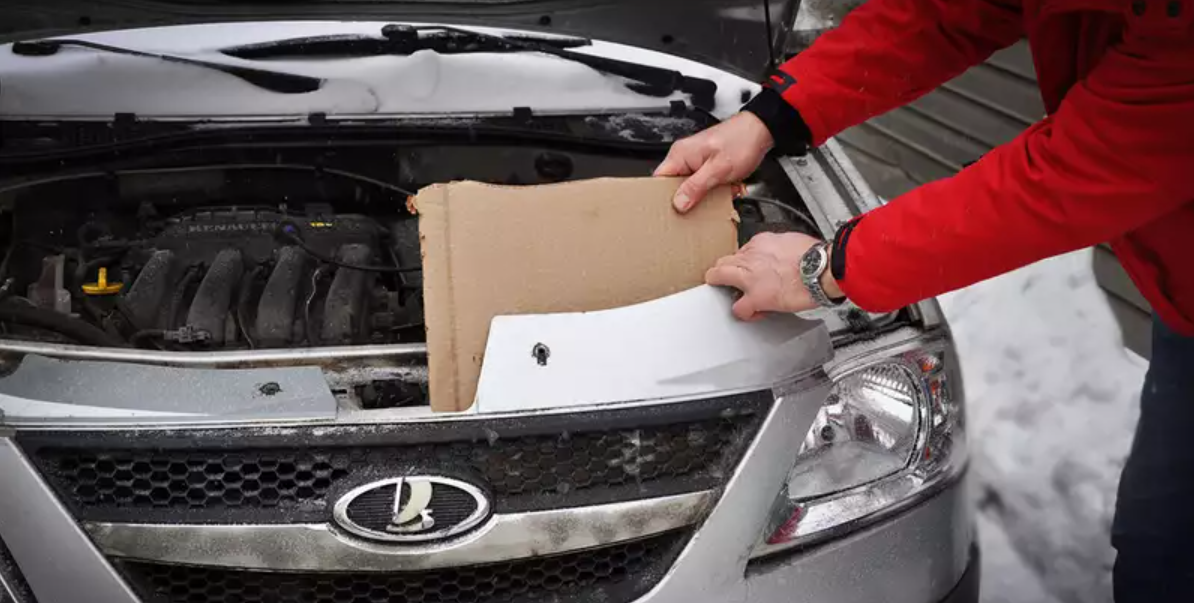
If the driver manually interferes with this process, closing the radiator with improvised means, the consequences can be unpredictable. Yes, in the first minutes after starting, the engine will really warm up a little faster, and it will become warmer in the cabin. But during a long trip or standing in a traffic jam, the engine risks overheating.
Partial overlap of the grille is acceptable, but it is important to observe the measure. It is optimal to leave at least a third of the radiator area open. This will maintain a balance between heat retention and efficient cooling.
When insulation is really needed
Of course, there are situations when additional protection is justified. In regions with particularly harsh winters - Yakutia, Krasnoyarsk Territory, Komi - frosts drop to -30 °C and below. On the highway, with a constant oncoming air flow, the engine cools down faster than it has time to warm up. In such conditions, a partially covered radiator helps to maintain a stable coolant temperature.
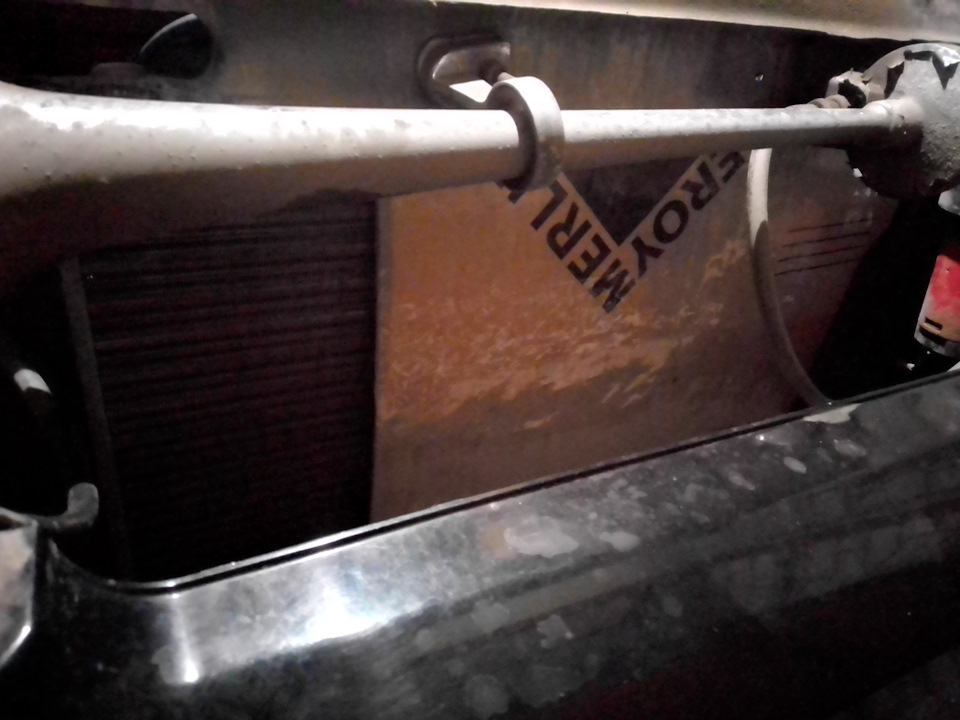
The main thing is to do everything correctly. First you need to choose the right material. Cardboard is the most popular option, but also the most unreliable: it can get wet, deform, and in the worst case, ignite when in contact with hot parts. It is better to use special pads made of heat-resistant plastic or composites. They are designed for high temperatures and are installed with a gap of at least three centimeters from the radiator surface.
What is the danger of "cardboard in front of the radiator"
If you block the entire area of the radiator, the engine will not be able to cool normally. In traffic jams or when driving at low speeds, the temperature under the hood rises sharply, the antifreeze boils, and the pressure in the system increases. This can lead to:
- overheating and deformation of the cylinder head;
- breakdown of the cylinder head gasket;
- failure of the fan or thermostat;
- reduction of engine life.
In addition, with excessive heating of the engine compartment, plastic elements, wires and hoses suffer - they lose elasticity and crack. As a result, "saving on warm air" results in expensive repairs.
In warm regions - pointless and harmful
For most regions of Russia, where the temperature rarely drops below -15 °C, insulating the radiator does not have a noticeable effect. Modern engines can easily cope with cold air - the cooling system adapts to any weather conditions.
Moreover, if the car is equipped with a turbocharger, intercooler or Start-Stop system, installing cardboard can disrupt air circulation and affect the operation of related systems. In this case, the harm from "insulation" will be much greater than the potential benefit.
How to insulate the car correctly
If you still decide to help your car survive the harsh frosts, follow simple rules:
- Use special winter pads. They are sold for most popular models and are precisely sized.
- Do not close the radiator completely. Leave at least a third of the grille open so that air can circulate freely.
- Do not allow the material to come into contact with hot elements. There should be a gap of at least 3 cm between the pad and the radiator.
- Monitor the engine temperature. If the temperature arrow is rapidly creeping up, remove the insulation immediately.
- Remove the pad when it gets warmer. Even a slight plus can cause overheating if the radiator remains closed.
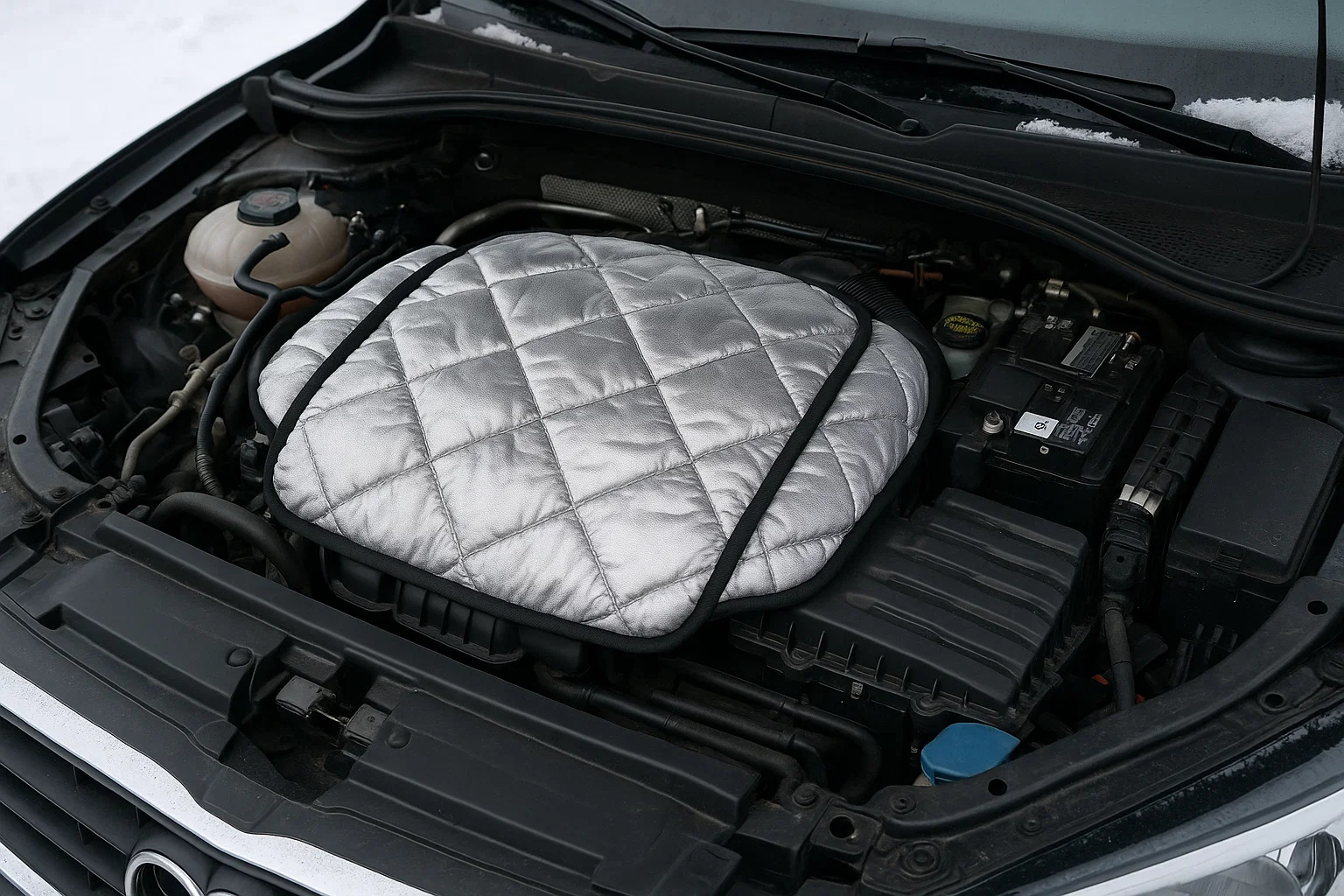
Caring for the car is not in the cardboard
Taking care of your car in winter is the right thing to do. But it is important to understand: modern engines can perfectly cope with the cold even without additional "cardboard". Where "insulation" was previously required, a working thermostat and good antifreeze are enough today.
If you still decide to protect the radiator, do it wisely - taking into account the manufacturer's recommendations and the features of your car. Remember: the car does not need a "blanket", it needs a technically competent approach.
In the end, winter is a test not only for the car, but also for the driver. And the one who knows the measure between care and excessive zeal will pass it without losses.
Read more materials on the topic:
- Cheap gasoline: savings today - repairs tomorrow
- Top 5 most reliable two-liter turbo engines from Europe
- First snow: how to survive the winter start without accidents?
Comments