The history of the Soviet automotive industry is an amazing mix of engineering enthusiasm, forced compromises, and gross mistakes. In the conditions of a planned economy and total scarcity, cars were created that are difficult to call successful today, but then they were the only affordable means of transportation. People stood in lines for years for cars, put up with noisy engines, uncomfortable seats, and rusting bodies - simply because having their own car meant a lot.
Some models, despite blatant technical failures, became symbols of an entire era. Let's consider the most controversial creations of the Soviet automotive industry - those that simultaneously caused both pride and headache for their owners.
SMZ S-3D: "motor carriage" for those whom the state left no choice
The Serpukhov motor carriage SMZ S-3D is perhaps one of the most ambiguous Soviet cars. It was created not for comfort, but to solve a social problem - to provide transport for war invalids. The car received a steel frame with aluminum cladding and an engine from the IZH-Planeta motorcycle. The 346 cm³ engine produced only 12 horsepower, and the maximum speed barely reached 60 km/h.
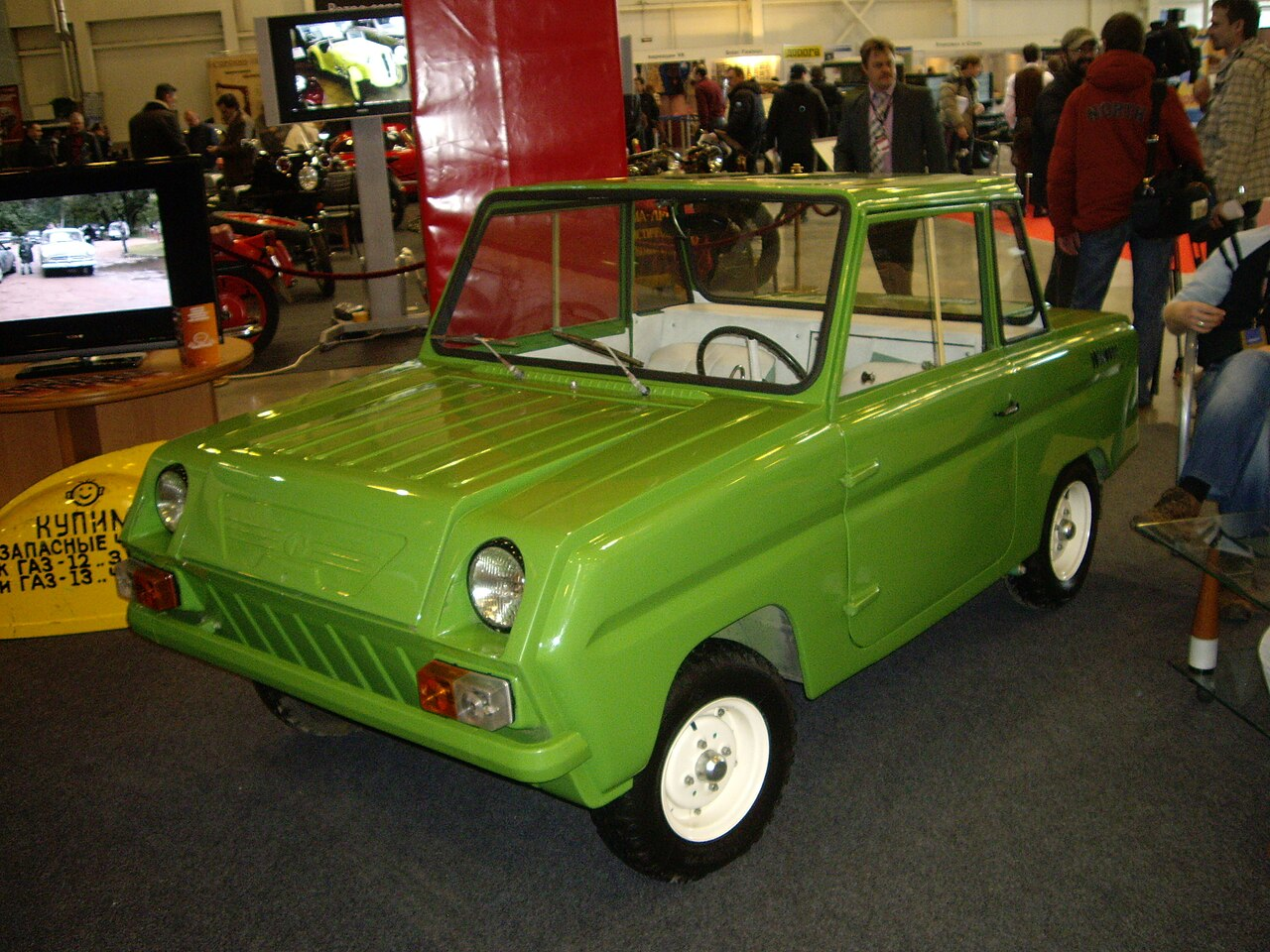
The working engine resembled a mini-tractor: loud, vibrating, overheating after just a couple of kilometers. The cooling system constantly failed, and a trip in the heat turned into a test. However, the problem was not only technical. People who were entitled to a motor carriage for medical reasons were distributed through social security agencies. As a result, the SMZ itself became a kind of "badge of honor" - driving it meant automatically standing out on the road.
Driving required skill: levers and pedals adapted for various forms of disability made mastering the car difficult. Despite all the problems, the SMZ S-3D was produced until 1997 - almost thirty years! For many owners, it was not just a car, but the only chance to feel freedom of movement again.
LuAZ-969: off-road hero and owner's nightmare
The Lutsk Automobile Plant conceived the LuAZ-969 as an affordable all-terrain vehicle for the countryside and the army. The car had independent suspension of all wheels, switchable all-wheel drive and a small engine with a volume of 887 cm³. Power - 30 hp, consumption - about 10 liters, and dynamics - almost none.
But the LuAZ went through the mud like a tank. Its cross-country ability was amazing, especially where "Zhiguli" and "Moskvich" got stuck. That's why it was loved. But then the problems began: the torsion suspension required constant repair, the rear axle gearboxes quickly failed, the engine overheated, and the body "bloomed" after a couple of years.
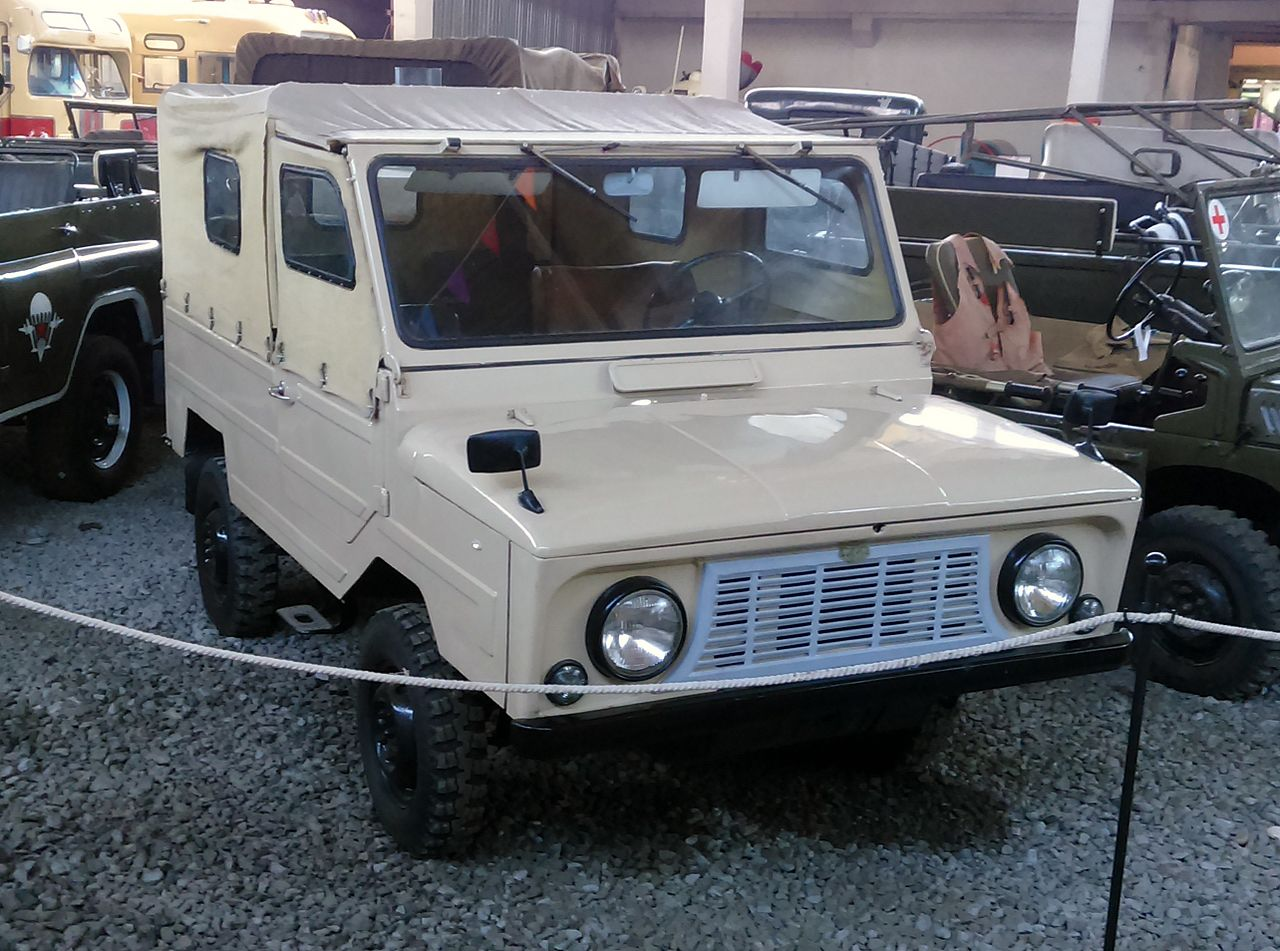
The interior resembled a tin can - noise, vibration, heat in summer and cold in winter. The seats are uncomfortable, there is almost no ventilation. Despite this, the LuAZ had its fans: hunters, fishermen and rural residents forgave him everything for his phenomenal ability to overcome off-road.
ZAZ-965: "eared", which became a legend in spite of everything
ZAZ-965 - the very "Zaporozhets", without which it is impossible to imagine the Soviet era. Small, noisy, but its own. It was created as a "people's car" so that every Soviet citizen could afford personal transport.
The designers chose a rear-engine layout to reduce production costs. Under the hood is a V-shaped four-cylinder engine with 746 cm³ and 23 hp. The car turned out to be compact, but extremely capricious.
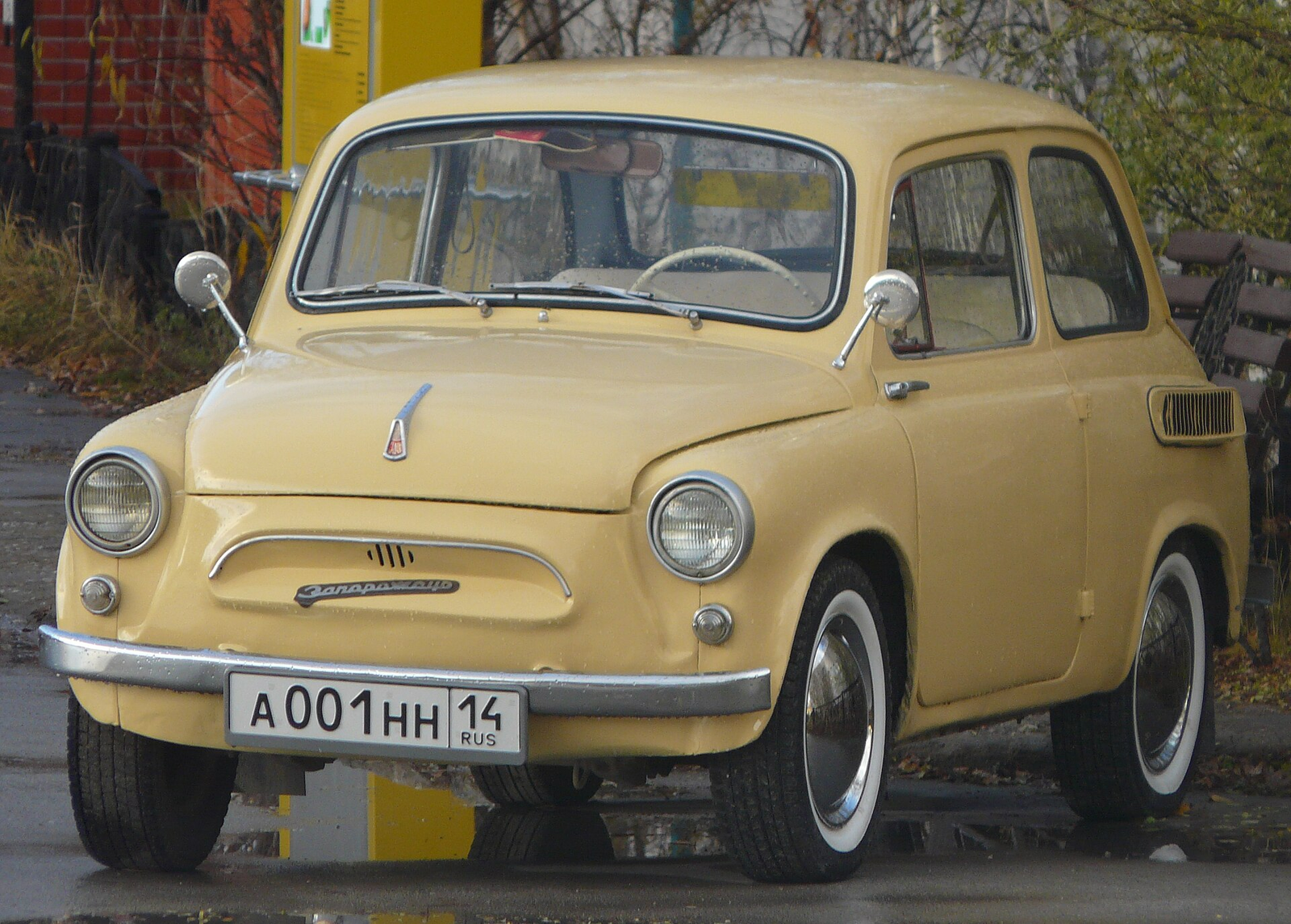
The main trouble is overheating. The air cooling system could not cope even in summer when driving around the city. Oil was consumed in liters, the engine roared like a motorcycle, and vibrations made the mirror shake. The interior is cramped, stuffy and noisy, but you could repair it right on the side of the road: everything is simple and accessible.
Safety left much to be desired - the thin metal of the body could not withstand even minor impacts. But despite this, the "eared" became a favorite of the people. They bought it, repaired it, scolded it - and still loved it.
"Oka" and "Tavria": the final chord of the Soviet automotive industry
The end of the 1980s became an era of crisis for the entire Soviet machine-building industry. Then two symbols of survival appeared - VAZ-1111 "Oka" and ZAZ-1102 "Tavria".
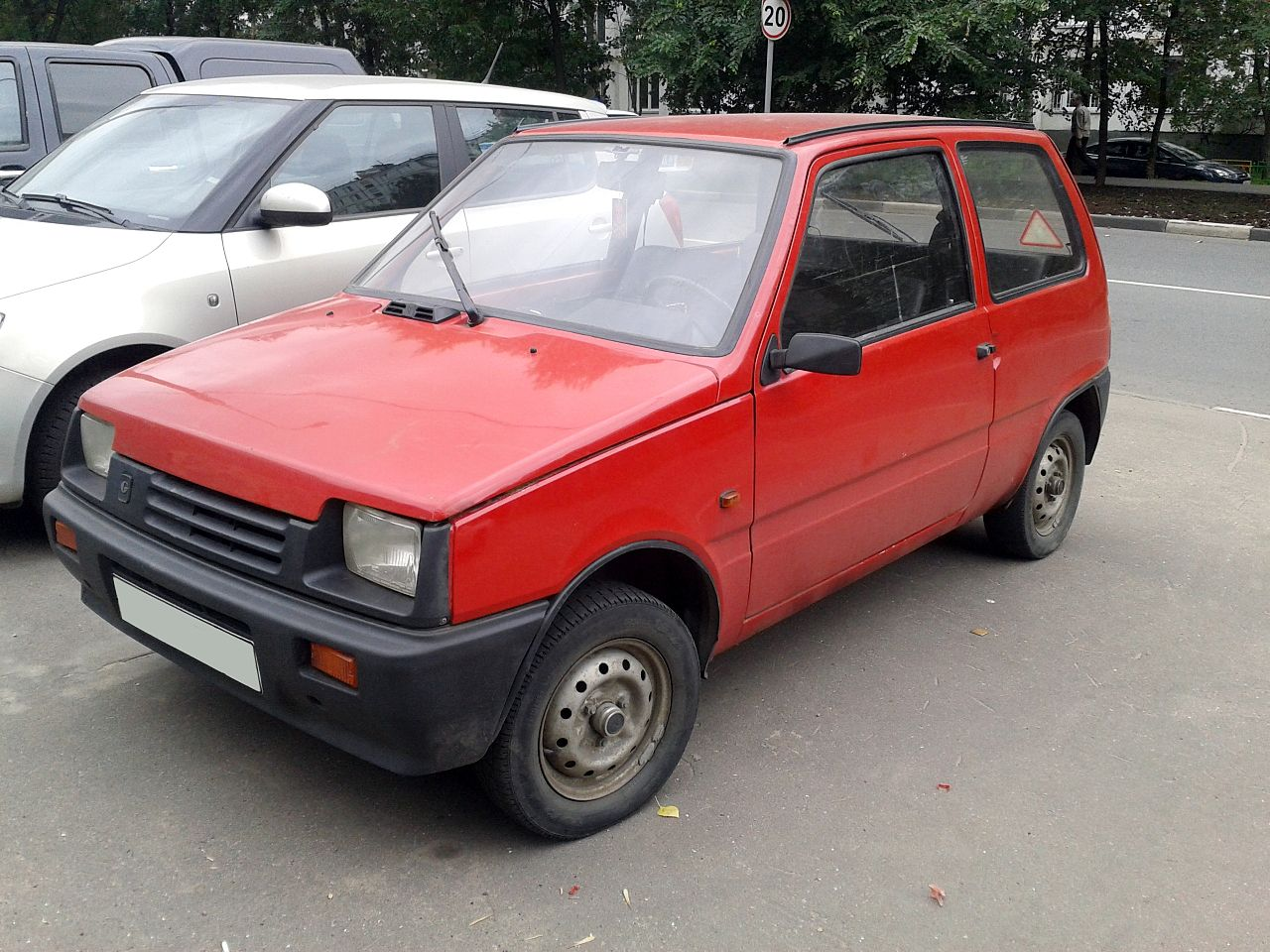
"Oka" was conceived as a compact city car, but it turned out to be extremely unsuccessful. The 649 cm³ engine produced 29 hp, the car did not pull even uphill. The suspension and steering made it unstable at speed, and the body folded like an accordion at the slightest collision. Poor anti-corrosion treatment turned the "Oka" into a rusty exhibit after a few winters.
"Tavria" was supposed to become the new hope of the Zaporozhye Automobile Plant. The project started back in the 1970s, but by the time it was released, the model was morally outdated. Yes, the 1.1-liter engine with 53 horsepower sounded good for its time, but the build quality negated all the advantages. The interior creaked, the plastic looked cheap, the body rusted quickly, and the safety was at the level of a children's scooter.
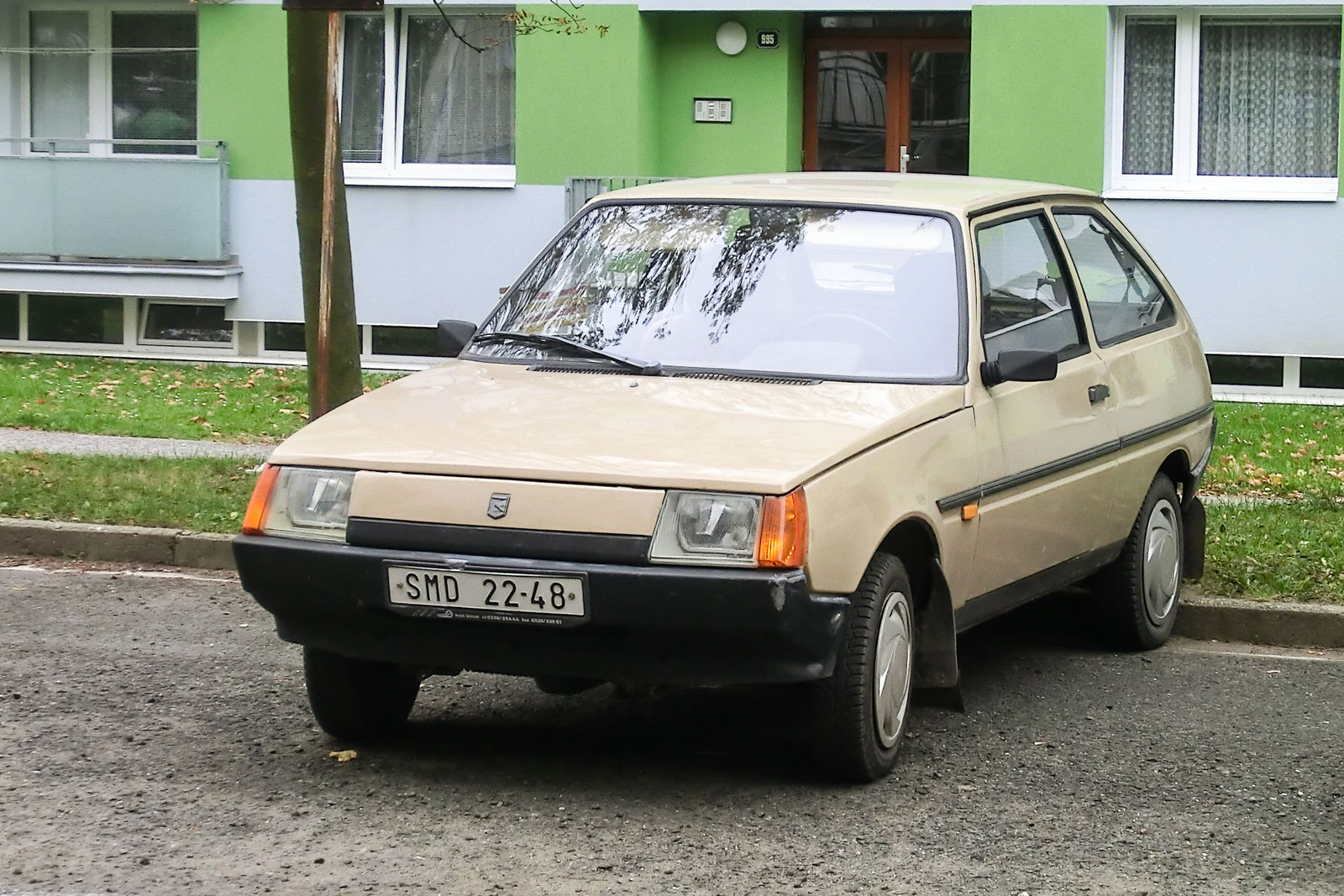
Even modernization did not save the situation: in the 1990s, "Tavria" hopelessly lost to the influx of foreign cars, becoming another symbol that the Soviet automotive industry did not have time to rebuild.
Why Soviet cars were like that
The main reason for most failures is the economy. In the USSR, everything was subject to the plan: it was necessary to make it cheap, massive and fast. Quality was talked about last. Engineers often made compromises, abandoning promising ideas in order to reduce costs.
Nevertheless, even the most unsuccessful models played their role. They gave millions of people freedom - albeit noisy, rusty and vibrating, but still freedom. Each ZAZ, LuAZ or SMZ is not only technology, but also part of an era when a personal car was a symbol of status, pride and dream.
The Soviet automotive industry left behind a strange legacy - cars that simultaneously evoke a smile and respect. They were imperfect, but honest: created for people, not for profit. And, perhaps, that is why they still arouse such lively interest.
Read more materials on the topic:
- Cardboard on the radiator: protection or harm to the car in winter?
- Cheap gasoline: savings today - repairs tomorrow
- Top 5 most reliable two-liter turbo engines from Europe
Комментарии