Many drivers are convinced that engine oil needs to be changed as often as possible - because it supposedly prolongs the life of the engine. Some do it twice as often as the manufacturer recommends, while others change the lubricant every month. It seems as if such "care" for the car saves the engine from destruction. But in reality, everything is not so simple.
Where Did the Fear of "Old Oil" Come From?
The roots of this myth go back to Soviet times. Back then, you really had to change the oil every 3-5 thousand kilometers - otherwise the engine could give up the ghost. Production technologies were primitive, roads were terrible, and gasoline was of poor quality. The oil quickly lost its properties and could not withstand the loads.
But today the situation is different. Modern synthetic oils are created using high technologies and can easily withstand mileages of 10-15 thousand kilometers. However, the habit of "changing more often" is passed down from generation to generation. Especially among owners of used cars who are afraid of every sound under the hood.
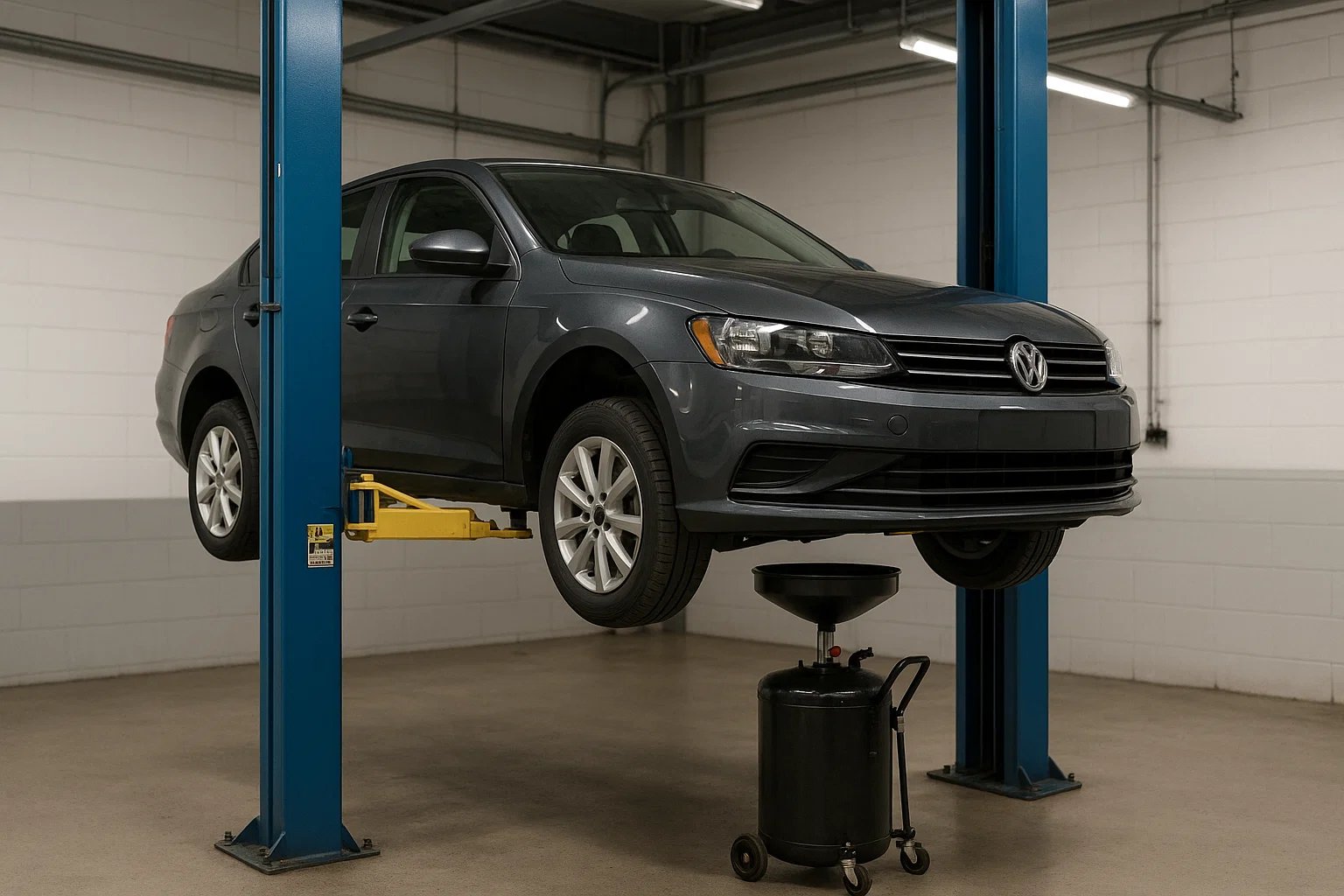
This fear is skillfully fueled by unscrupulous auto mechanics. For them, every "panic-stricken" driver is a source of stable income. After all, along with the oil, the client buys a new filter, gasket, and pays for the master's work. All this seems like taking care of the car, although in reality it is just an unnecessary waste of money.
What Manufacturers Say
Car manufacturers conduct resource tests of engines, strictly adhering to the recommended oil change intervals. These regulations are designed for real loads and operating modes.
Example: for Kia Rio, the oil needs to be changed every 10-15 thousand kilometers or once a year. BMW, under moderate operating conditions, recommends changing it every 20 thousand kilometers. The exception is extreme modes: frequent short trips, working in a taxi, constant traffic jams, or towing a trailer. But even in these cases, we are talking about 7-9 thousand kilometers, and not about two!
Modern synthetic oils contain a whole set of additives that clean the engine, prevent wear and tear, and prevent the formation of carbon deposits. There can be no talk of any "old age" after a couple of thousand kilometers.
Here are the average intervals for different types of oils:
| Oil Type | Replacement, km | City | Highway |
|---|---|---|---|
| Mineral | 5000 | 3500–4000 | 5500–6000 |
| Semi-synthetic | 7500–10000 | 6000–7500 | 10000–11000 |
| Synthetic | 10000–15000 | 7000–12000 | 14000–17000 |
In winter, the oil really ages faster - especially if you often drive short distances. But even then, there is no point in changing it more often than every 6000-7000 km.
Why Frequent Oil Changes Can Be Harmful
Each replacement is an intervention in the engine lubrication system. The more often you unscrew the drain plug, the higher the chance of stripping the thread or damaging the seal. And if the master is in a hurry, the consequences can be dire: oil leaks, unnecessary vibrations, and costly oil pan repairs.
In addition, replacement is always a risk of contamination. Dust, lint from rags, metal shavings - all this can get into the engine during the procedure, especially if the work is carried out in a garage or at a car wash.
Another problem is non-original parts. "Left" filters and seals not only do not provide tightness, but can also accelerate engine wear.
Manufacturers warn for a reason: do not open the system unnecessarily. A driver who changes the oil every 2000 km is like an owner who vaccinates a dog every month - seemingly for the best, but only to the detriment.
Economics and Ecology Against
Frequent oil changes are not only a risk, but also a blow to the wallet. High-quality synthetics are expensive, plus the cost of filters and labor. By changing the oil three times more often than the norm, you are simply burning money.
In addition, it is not environmentally friendly: liters of used oil require recycling, which creates an additional burden on the environment.
Due to constant intervention, rubber and plastic seals suffer - they age faster and begin to leak oil. Moreover, if you violate the manufacturer's regulations, the official dealer has the right to refuse warranty repairs.
When It's Really Time to Change the Oil
There are situations when frequent replacement is justified. Check yourself against the checklist:
- stand in traffic jams for hours - especially in summer;
- often make short trips of 2-3 km;
- use LPG - the temperature is higher, the load on the oil is greater;
- love active driving and frequent overtaking;
- often tow a trailer or carry heavy loads;
- the engine mileage has exceeded 200 thousand km;
- the oil has darkened sharply, smells of burning or a metallic sheen is visible on the dipstick.
In all other cases, adhere to the factory regulations. Check the oil condition with a dipstick every couple of weeks. If everything is in order, don't waste your time, money, and nerves.
Frequent oil changes are not care, but a bad habit inherited from the past. Modern engines and oils are designed for long service without fanaticism. Respect the technology, follow the instructions - and your engine will thank you with long, reliable operation.
Read more materials on the topic:
- Cardboard on the radiator: protection or harm to the car in winter?
- Cheap gasoline: savings today - repairs tomorrow
- Top 5 most reliable two-liter turbo engines from Europe
Комментарии