25 years after its debut, the Mitsubishi Lancer Evolution VI is still considered the pinnacle of the Evo series. This car became not just a fast machine, but an embodiment of rally engineering and the Mitsubishi philosophy of the late 1990s. It was created not for the sake of spectacular numbers, but for victories on special stages and a feeling of complete control on any road. The Evo VI version became a homologation model, as close as possible to the Class A rally cars, and it was in this car that Tommi Mäkinen won the WRC World Championship title in 1999.
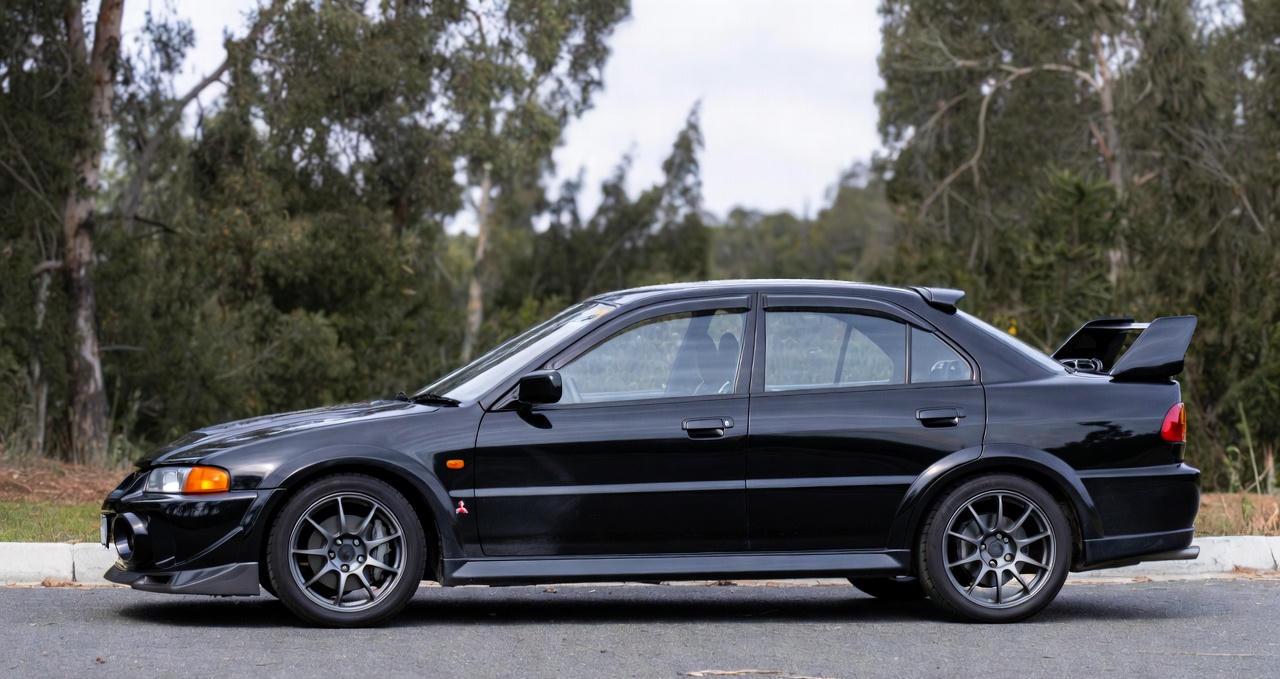
Unlike many sports cars of its time, the Evo VI maintained a direct connection with "combat" technology: the transmission, turbo engine, and traction control systems were almost identical to those used in competitions. The basis of the car consisted of three key elements - an improved all-wheel drive, a 2-liter four-cylinder turbo engine, and an electronic active yaw control system AYC. The coordinated work of these technologies allowed the car to literally stick to the asphalt and corner with phenomenal accuracy, minimizing oversteer and understeer.
Journalists who first tested the Lancer Evo VI GSR compared it to a jet fighter - the car seemed to defy the laws of physics, pressing into the asphalt and instantly responding to the slightest movement of the steering wheel. In 1999, for £31,000, the buyer received a real rally legend, and even today this amount allows you to buy a used copy, although experts advise avoiding tuned cars and looking for "clean" original versions in order to avoid engine and transmission problems.
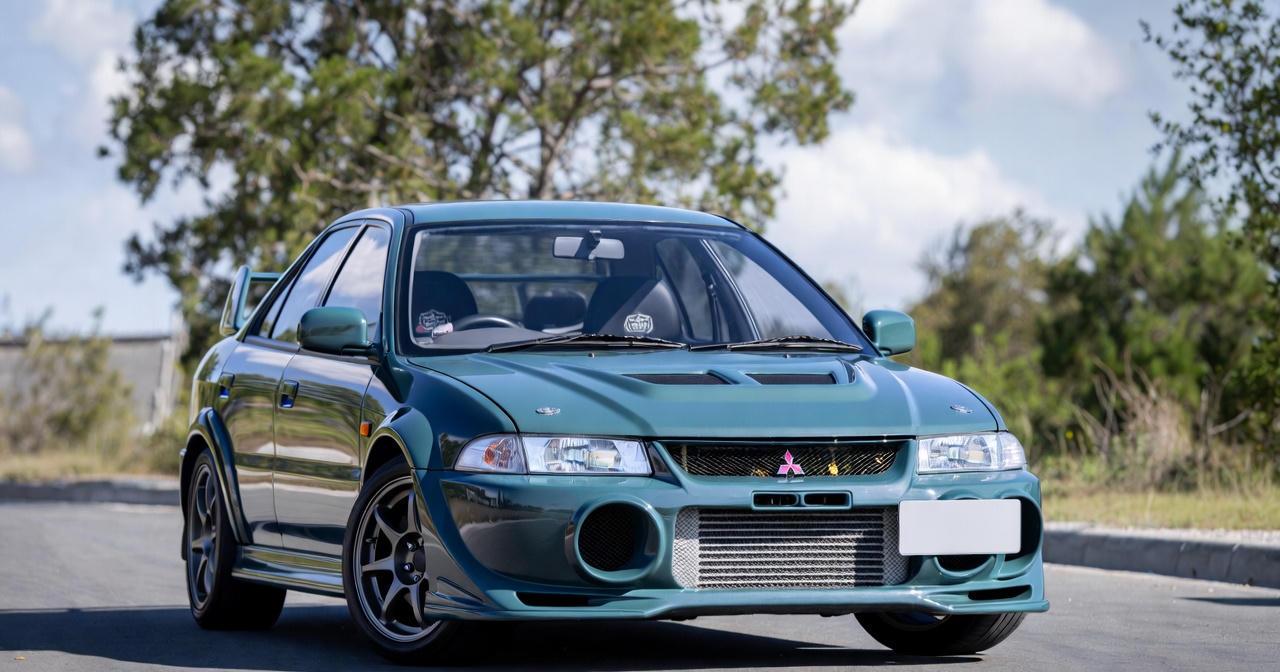
Despite the frantic dynamics, the Evo VI also had disadvantages. The steering seemed too sharp, and the feedback was not always ideal. Nevertheless, testers gave it the highest marks, because the 276-horsepower engine accelerated the car to 100 km/h in just 4.4 seconds, and the maximum speed reached 240 km/h. Adding to this the all-wheel drive grip, it becomes clear why the Lancer Evo VI at one time could compete with the Ferrari 550, which cost twice as much.
At the same time, the Japanese sports sedan did not forget about comfort. The cabin had climate control, power windows and mirrors, and Recaro seats provided excellent support. All this made the Evo VI not only a racing tool, but also a practical everyday car, albeit with a tough sports character.
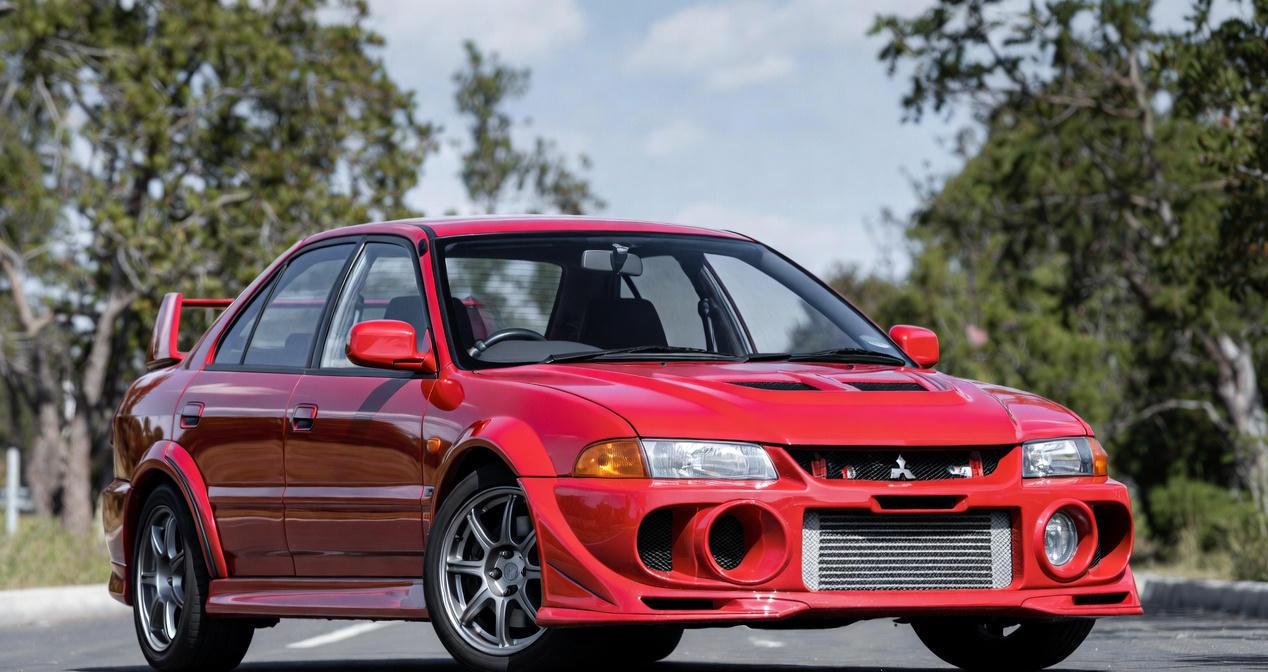
The real pinnacle of evolution was the Tommi Mäkinen Edition, dedicated to the Finnish pilot's fourth championship title. It differed from the standard model with a titanium turbocharger, retuned suspension, a new exhaust, and a more responsive steering mechanism. The bumpers and optics have changed, and the signature 17-inch Enkei wheels and red paint with rally livery gave the car a recognizable sporty look.
Only 250 copies of this version made it to the UK, and today such cars with original paint and low mileage are especially valued. TME became the last and perhaps the most perfect embodiment of the Evo philosophy: compactness, precise control, lightning-fast reactions and impeccable stability on asphalt.
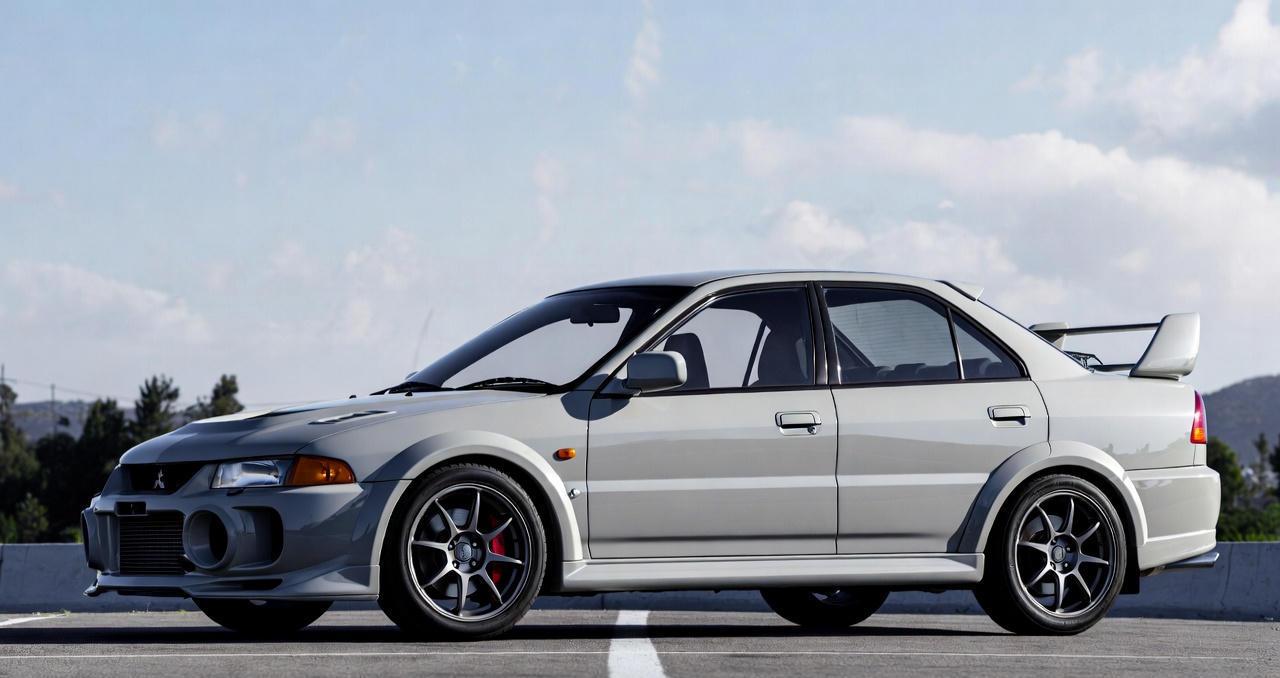
Since then, a generation of fans has changed, and Mitsubishi has long left the WRC, but the Lancer Evolution VI remains a symbol of the golden era of Japanese motorsport. This car is not just a car, but a living legend, the cost of which in the secondary market is only growing today.
Read more materials:
- AvtoVAZ officially explained what kind of gasoline should be poured into Lada
- "Moskvich" announced prices for the Moskvich 6 sedan of the 2026 model year
- Tank raised prices for the entire model range in Russia: Tank 500, 700 and 400 have become more expensive
Комментарии