Henry Ford once said, "The customer can have any color he wants as long as it's black." And the meaning was simple: the Model T was conceived as the first affordable car, and a variety of shades would mean extra costs. Later, technologies made it possible to paint cars in any color without compromising the budget, but even today, some brands are associated with a specific shade. Let's find out why Ferraris are red, Mercedes are silver, and Lamborghini loves yellow so much.
Why Ferraris Are Red
Not every Ferrari is painted blood red, but this is the color that first comes to mind when the brand is mentioned. It all started with the racing rules of the early 20th century, when the international organization Association Internationale des Automobile Clubs Reconnus (later FIA) introduced its own color for each country. France got blue, Germany got white, Great Britain got green, Belgium got yellow. Italy got red.
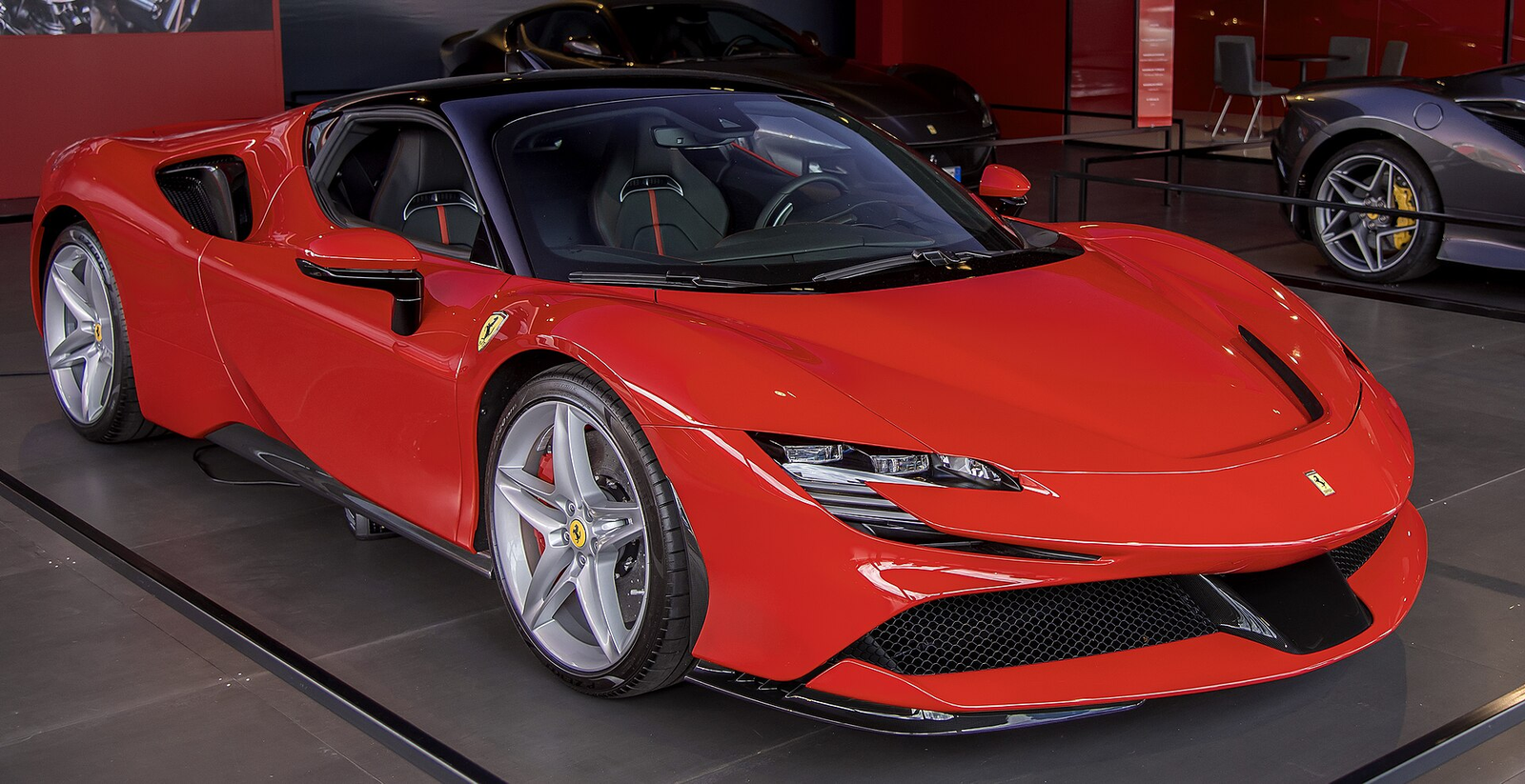
When 10-year-old Enzo Ferrari visited the Bologna Grand Prix in 1908 and saw Felice Nazzaro speeding at 119 km/h in a red Fiat, he forever associated this color with speed and victory. Later, when creating his own cars, Enzo didn't even doubt the choice - only red, national and passionate.
By the way, other brands also keep the memory of their racing colors. Bugatti is traditionally associated with blue, Jaguar and Aston Martin with British racing green, and BMW with white.
Why Mercedes-Benz Are Silver
"Silver Arrows" is a sonorous nickname that Mercedes-Benz earned thanks to its racing cars of the 30s. It is believed that it all started in 1934 at the Nürburgring, when the W25 car was a kilogram heavier than the allowed limit of 750 kg before the start.
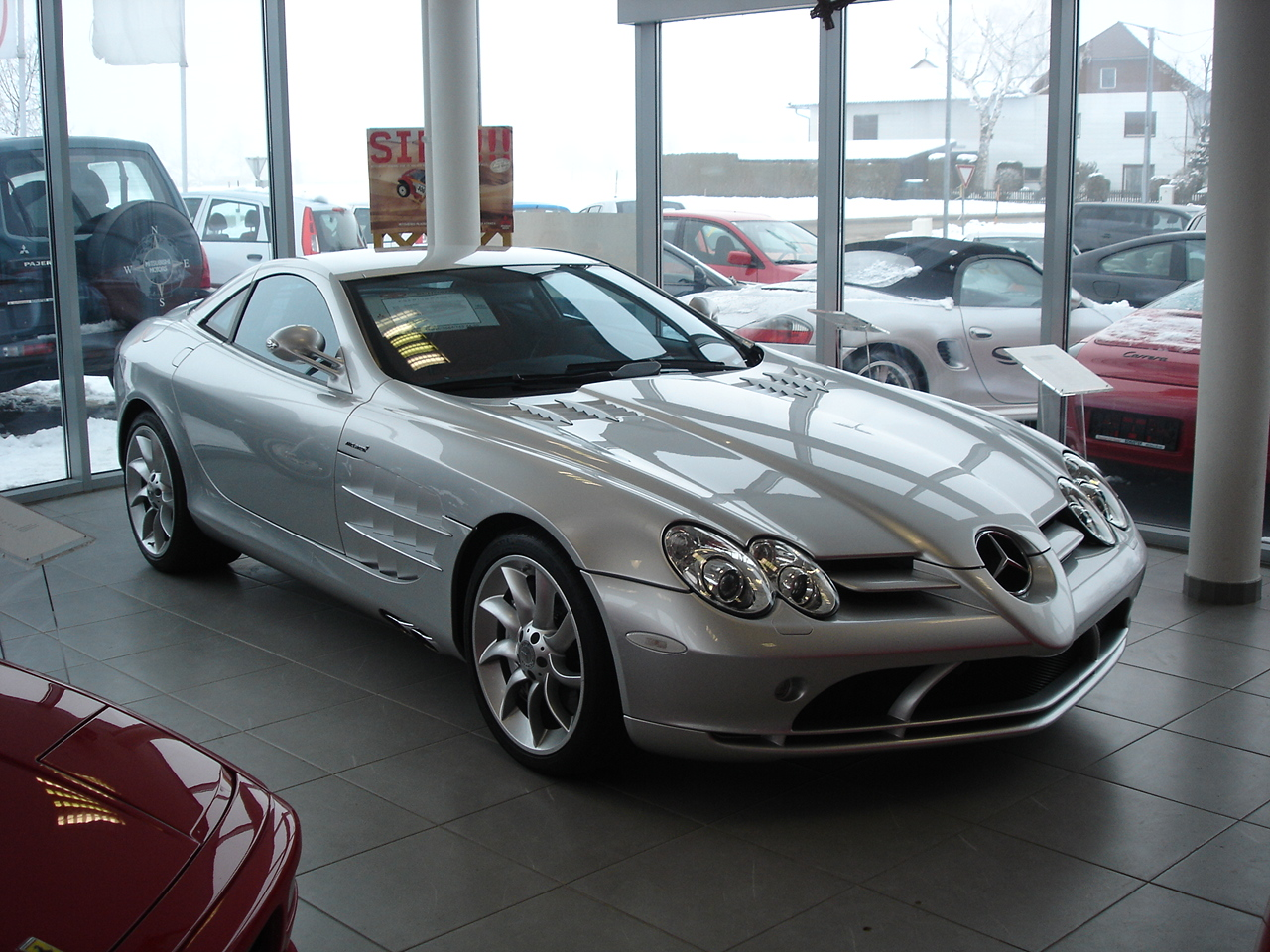
To comply with the rules, engineers scraped the white paint off the body all night, exposing the bare aluminum. In the morning, the car passed the weighing, started - and won. Since then, silver has become the signature color of Mercedes, and the team began to be called the "Silver Arrows."
Some historians doubt the veracity of this story - they say there is no confirmation until 1958. But be that as it may, silver has become firmly established for German cars. Over time, Porsche and Audi began to use this color, and BMW remained true to the classic white.
Why Aston Martins Are Green
When we talk about Aston Martin, a noble green hue comes to mind - British Racing Green. This color is not accidental: it was born at the dawn of motorsport.
By the beginning of the 20th century, national colors for racing cars had already been distributed, and when the British team Napier first decided to compete in 1902, white, blue and red - the colors of the British flag - had already been "taken" by other countries. Then the owner of the company, Montague Napier, chose his favorite color - green.
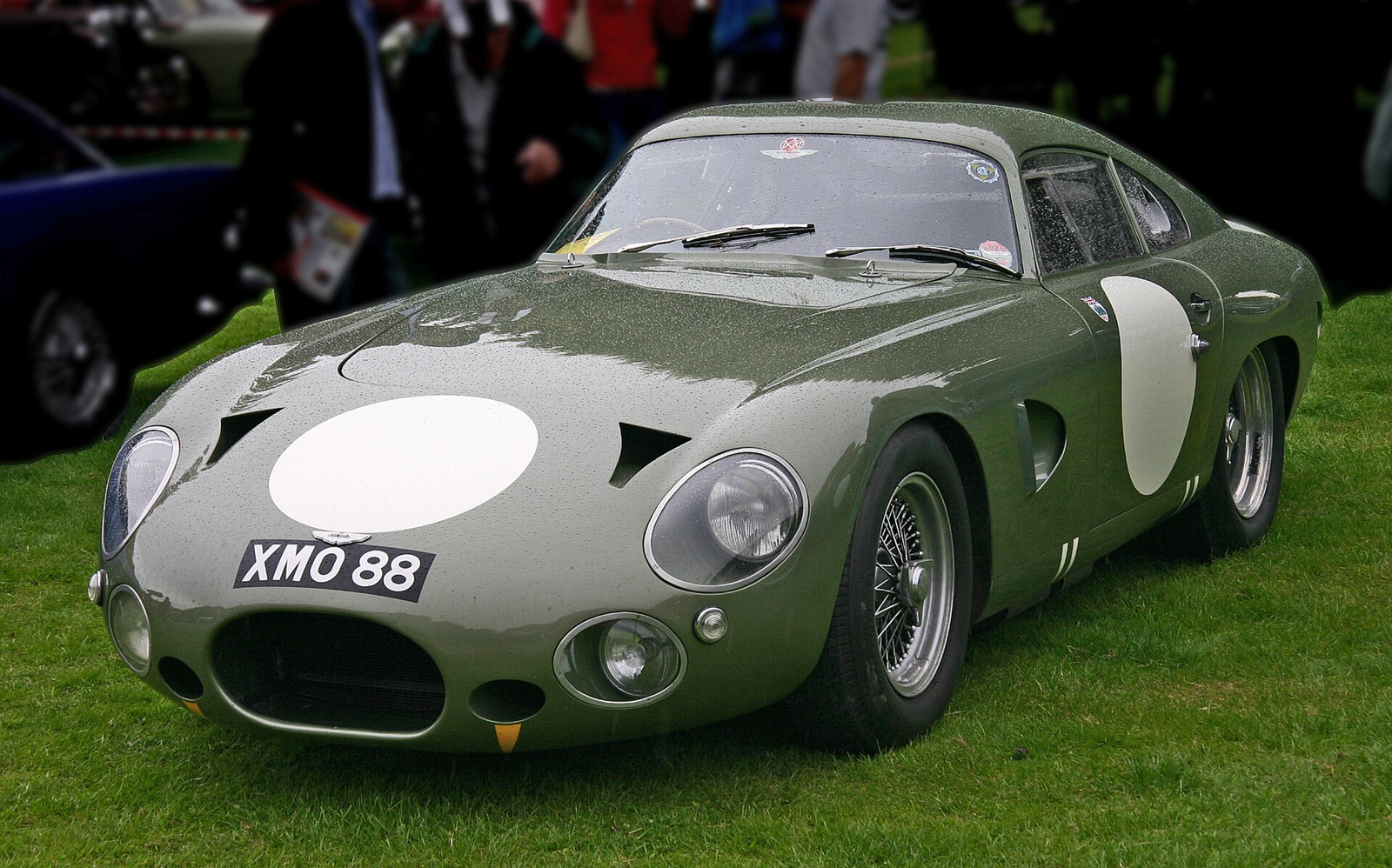
The British won their first victory on such a car, and the next stage of the race took place in Ireland - the "green island." Thus, green finally became the national color of British motorsport. Since then, it has been used by Jaguar, Lotus, Mini Cooper and, of course, Aston Martin, James Bond's favorite car.
Why Lamborghinis Are Yellow
With Lamborghini, everything is not so obvious. The company almost did not participate in races, and therefore did not have a traditional "racing" color. Nevertheless, it was the yellow Lamborghinis that became the symbol of the brand.
The brand's CEO, Stephan Winkelmann, explained that the basic colors of Lamborghini are green, orange, yellow and black, as on the company's logo, where a golden bull is depicted on a black shield. These shades emphasize the audacity and expression for which the brand is famous.
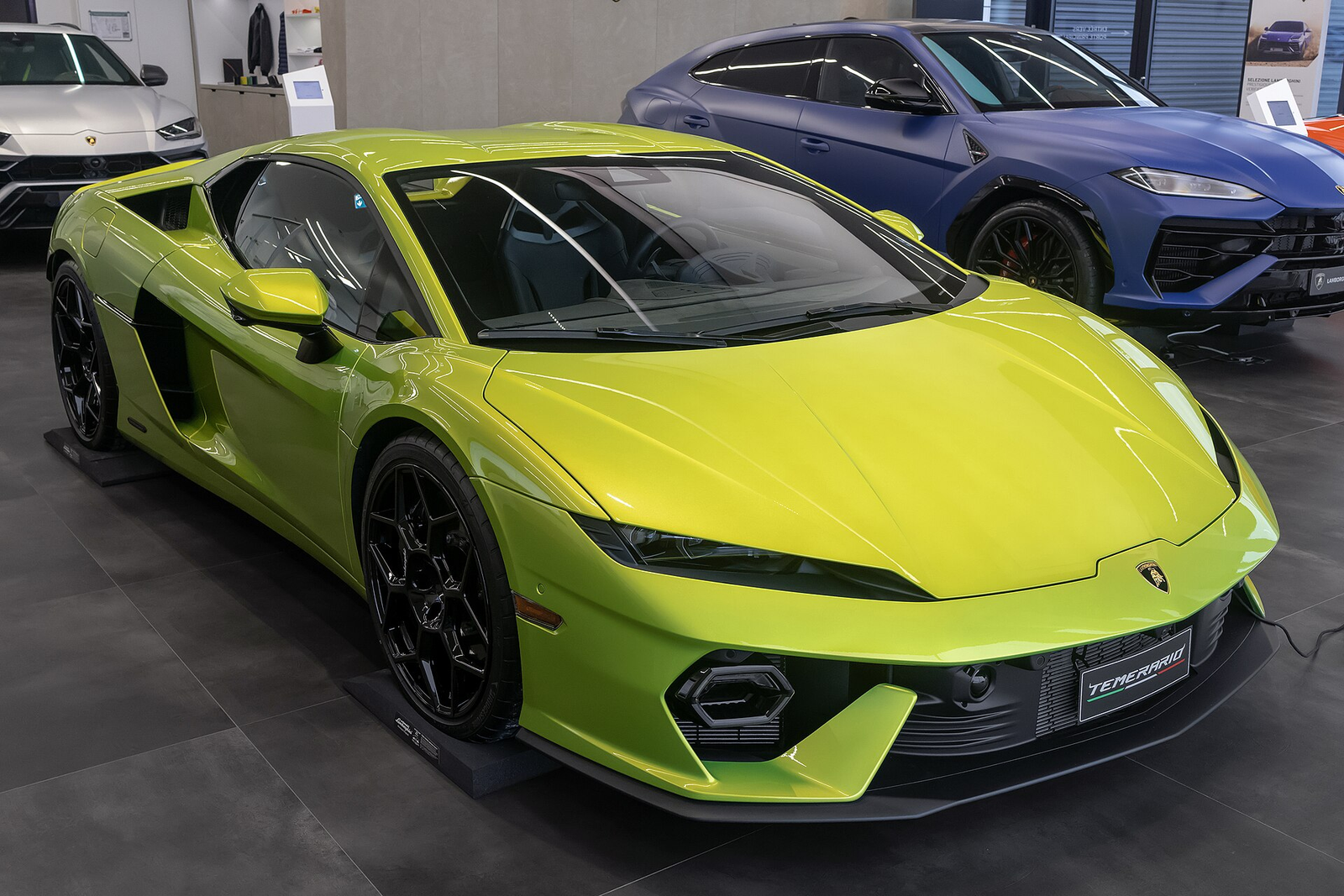
The first models, such as the 350 GT and 400 GT, were painted in restrained dark tones, but with the release of the Miura in 1967, yellow became the hallmark of the brand. This color reflects the philosophy of Lamborghini - bright, loud and with character.
Why Subarus Are Blue
The signature shade of World Rally Blue is familiar to every Subaru fan. Its origin is from the world of rally. In 1993, the Subaru World Rally Team entered into a sponsorship agreement with the British tobacco brand State Express 555.
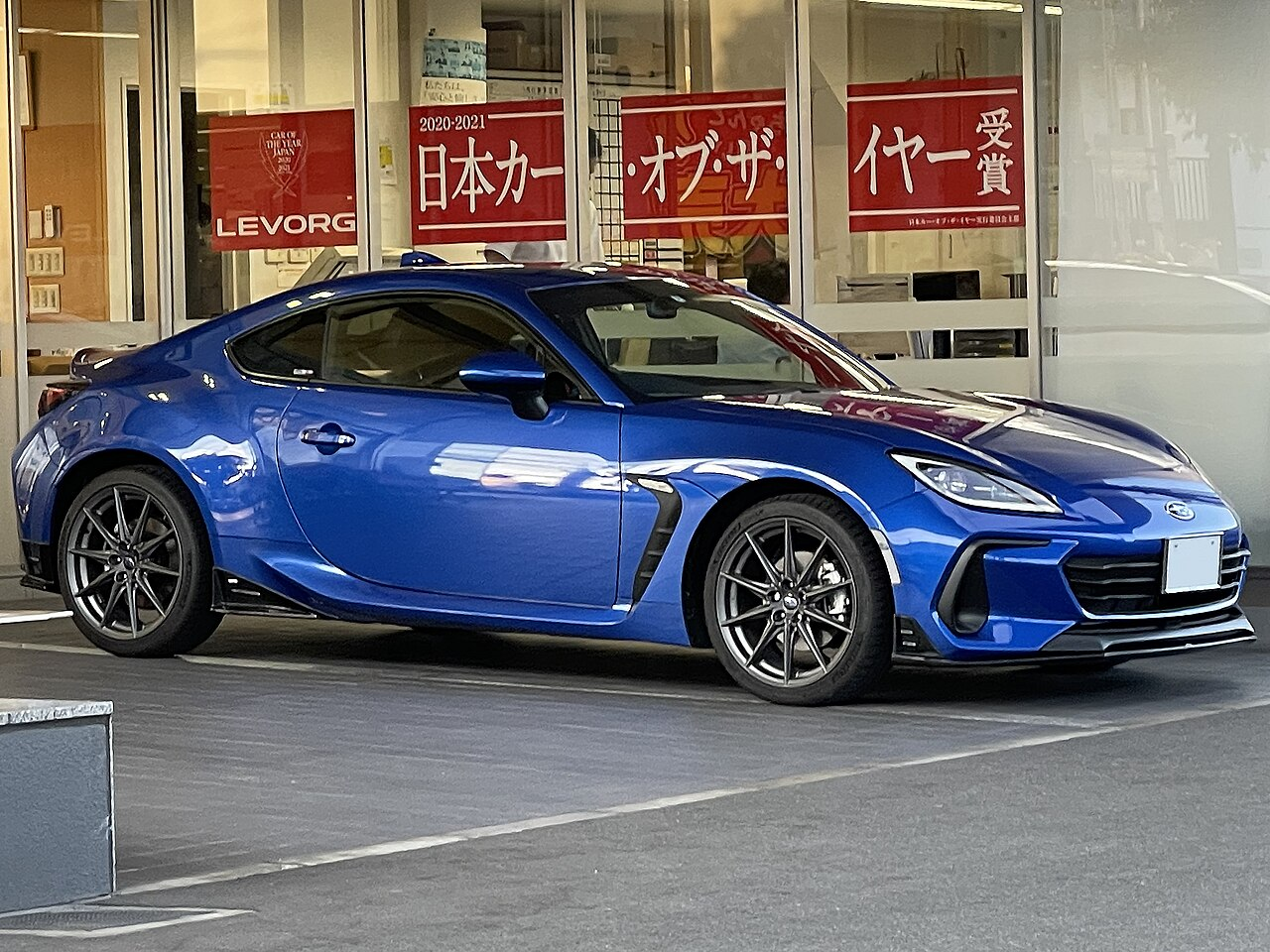
Together with the sponsor, the famous blue color with yellow 555 logos appeared. Under this flag, Colin McRae won the world title, and the color combination itself became iconic. Even after the end of cooperation in 2003, Subaru left the blue body with gold accents - in memory of the legendary era.
Why McLarens Are Orange
The orange color first appeared on McLaren cars in 1967. The M6A car, which participated in the North American Can-Am series, was painted in a bright shade that looked great on the newly appeared color TVs.
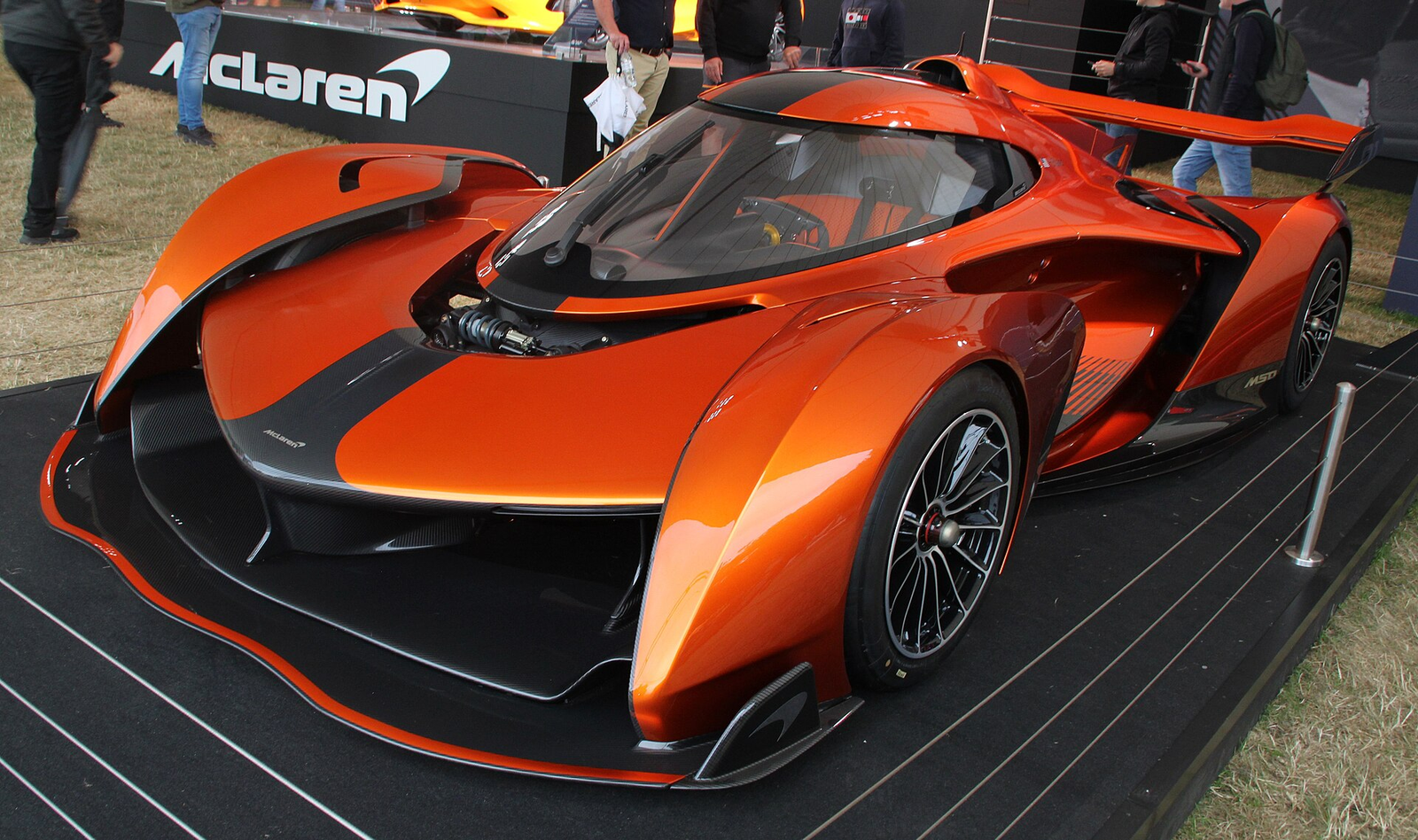
Victories followed one after another, and in the next five years, orange McLarens dominated the races. Later, with the arrival of the sponsor Marlboro, the color changed to red and white, but with the return to the world of civilian supercars in the 90s, McLaren remembered its roots.
After the triumph at Le Mans in 1995, a series of McLaren F1 LM was released, painted in "historical orange" - the color of victory and the spirit of racing.
Why Cars Have Racing Stripes
Two longitudinal stripes in the center of the body are not just a decorative element. In the 60s, they were applied to Shelby and Ford racing cars for better orientation of the pilot on the track.
In a smoky race, the stripes helped the driver understand where the car was heading. Over time, this functional element turned into a stylish accent - "speed stripes", which still give the car a swift look.
Color in motorsport is not just a visual touch, but part of the brand's DNA. Red Ferrari, silver Mercedes, green Aston Martin, yellow Lamborghini and blue Subaru - they all carry the history, character and spirit of the era when color was not a matter of taste, but a symbol of national pride and racing honor.
Read more materials on the topic:
- Mitsubishi Lancer Evolution VI: a legend that does not age
- BMW Neue Klasse - a step into a new generation of electric vehicles
- Premium cars will replenish the budget by a record 5 billion rubles
Комментарии