Even today, the perception of a car's "coolness" is still often reduced to a simple equation: more power - faster acceleration - higher top speed. This was also the case at the beginning of the 20th century, when automakers competed mainly within these characteristics (the 70s, with its emphasis on fuel economy, was an exception). Nevertheless, there is a category of cars that remain truly outstanding even with modest dynamics. They have earned their place in automotive history not because of the stopwatch, but because of other qualities, especially valued by people who understand what driving pleasure is.
Mazda Miata
The Miata probably best illustrates this phenomenon. Mazda's compact roadster has sold over a million units in three decades, and its key advantage has always been its affordability. In its class, this car is almost unique: it gives the driver an exceptional experience, although it has never stood out for its outstanding power - neither in absolute figures nor in terms of horsepower to weight ratio. For the Miata, acceleration dynamics are secondary. The main point is the sensations that modern "sterile" cars with electronics often lack.
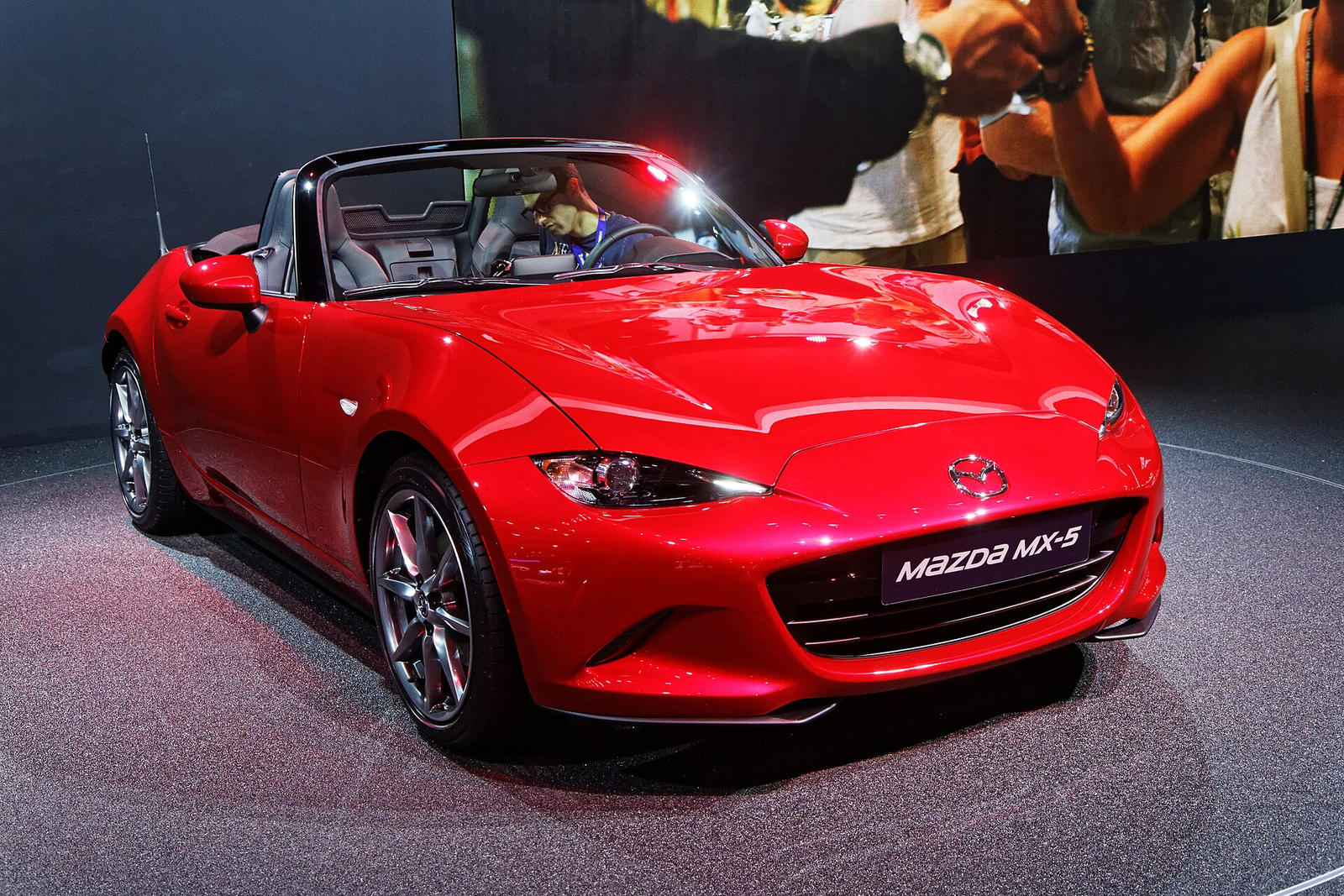
The chassis tuning - from steering response to cornering behavior - is designed for maximum emotional response: the driver is literally fused with the road and fully involved in the process. And surprisingly, the model has managed to avoid the fate of many modern cars, which have become heavier, more technological and safer with each generation.
The designers' desire to reduce weight was almost maniacal. Weight was "bitten off" from every detail, down to the bolts and nuts, and the ideal 50/50 weight distribution became one of the fundamental principles. A turbocharger or supercharger could have added power, but would have upset the balanced balance - so forced induction was abandoned. The Miata is a classic example of how it's more fun to drive fast in a "slow" car than slow in a fast one.
BMW i8
The i8 is an example of a car that looks like a supercar, but is actually a sports hybrid. Its power plant is based on a 1.2-liter three-cylinder gasoline engine that provides power to the electric motors and battery. The peak 360 hp looks modest by today's standards - some Chinese hybrid crossovers have already matched it in power.
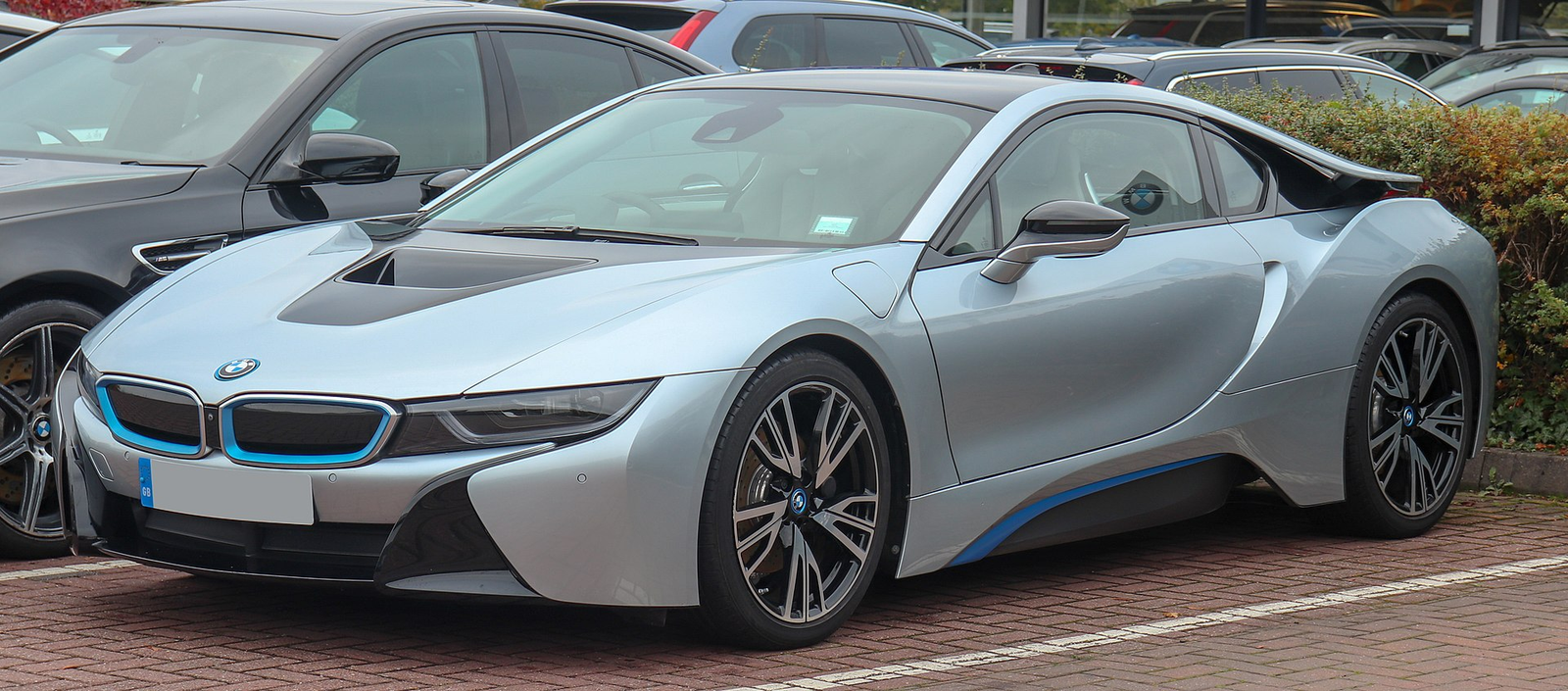
But the torque, available to the electric motors almost instantly, allows you to feel the main thing - a sharp start and tight acceleration. In terms of dynamics, the i8 is close to the Audi R8 4.2, but the model was not created for records. Its value lies in its spectacular appearance, technology and unusualness. The car is expensive (from 150 thousand US dollars), rare and completely non-standard. And in order to attract attention, appreciate over time and make an impression, it has enough power.
Citroën 2CV
Although the 2CV is not the oldest car in the world, it was conceived almost as a transitional form between eras - from horse traction to mass motorization. The creators faced a task: the car should surpass the horse in all parameters except cost - and Citroën generally coped with this. But to say that the buyer got a lot for their money would be a stretch. The small 375 cc engine produced only 9 hp: it made the car extremely slow and required constant driver involvement - about the same as a machinist driving a train over difficult terrain.
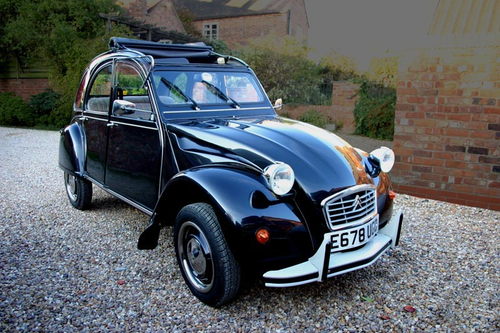
Instead of a controller, the machinist would click through the gears - and this is exactly what the 2CV driver has to do, especially before climbs. You can feel like a hero of "Fast and Furious" at literally any moment, while the chance of violating even the lowest urban limits is almost zero. Comfort is also minimal: no real body protection, suspension with huge travel, narrow wheels and no sound insulation create a feeling of flight already at 50 km/h. And all this works on any surface - and sometimes without it.
Classic Mini
Unlike the 2CV, where the gas pedal almost always rests on the floor, the Mini provokes you to press it for another reason - it's damn fun, although such dynamism was not the goal of the design at all. The minimum size, wheels placed at the corners of the body, stiff suspension and front-wheel drive formed surprisingly precise handling, comparable to karting. Even legends wanted to understand this behavior of the Mini - for example, Enzo Ferrari personally purchased one.
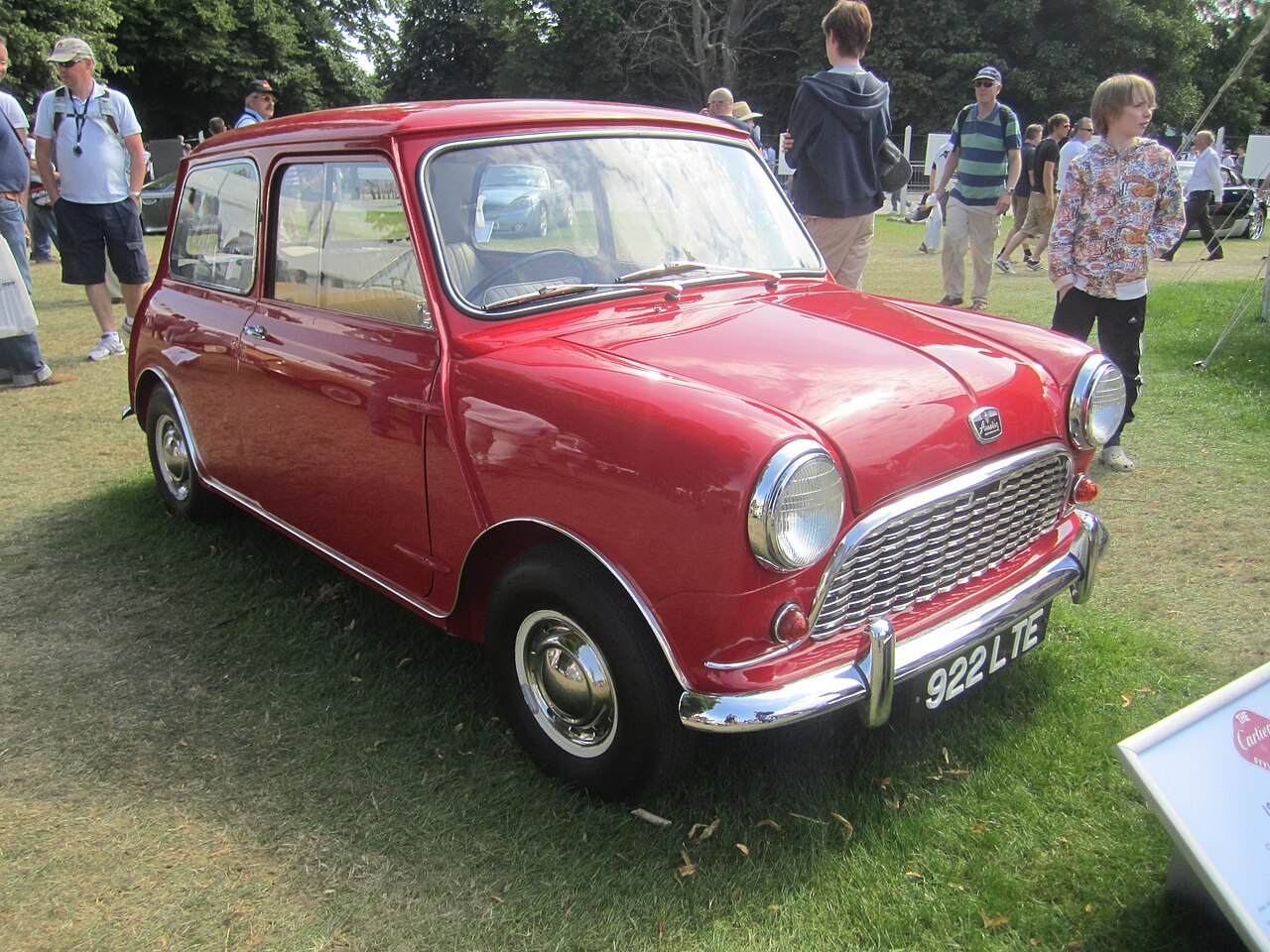
Later, a sports version from John Cooper appeared, which made itself known on the tracks - from rally to circuit. For those who appreciate cornering speed, the classic Mini has become a kind of delicacy - small in size, but incredibly rich in sensations.
Morgan Super 3
No matter how much they talk about "driver's" cars, there will always be those who claim that the real thrill is only on a motorcycle. It's hard to argue, but a motorcycle requires equipment and courage, and falls are inevitable. For those who dream of motorcycle freedom but are not willing to sacrifice safety, there is the Morgan Super 3 - the current representative of a long line of three-wheeled models.
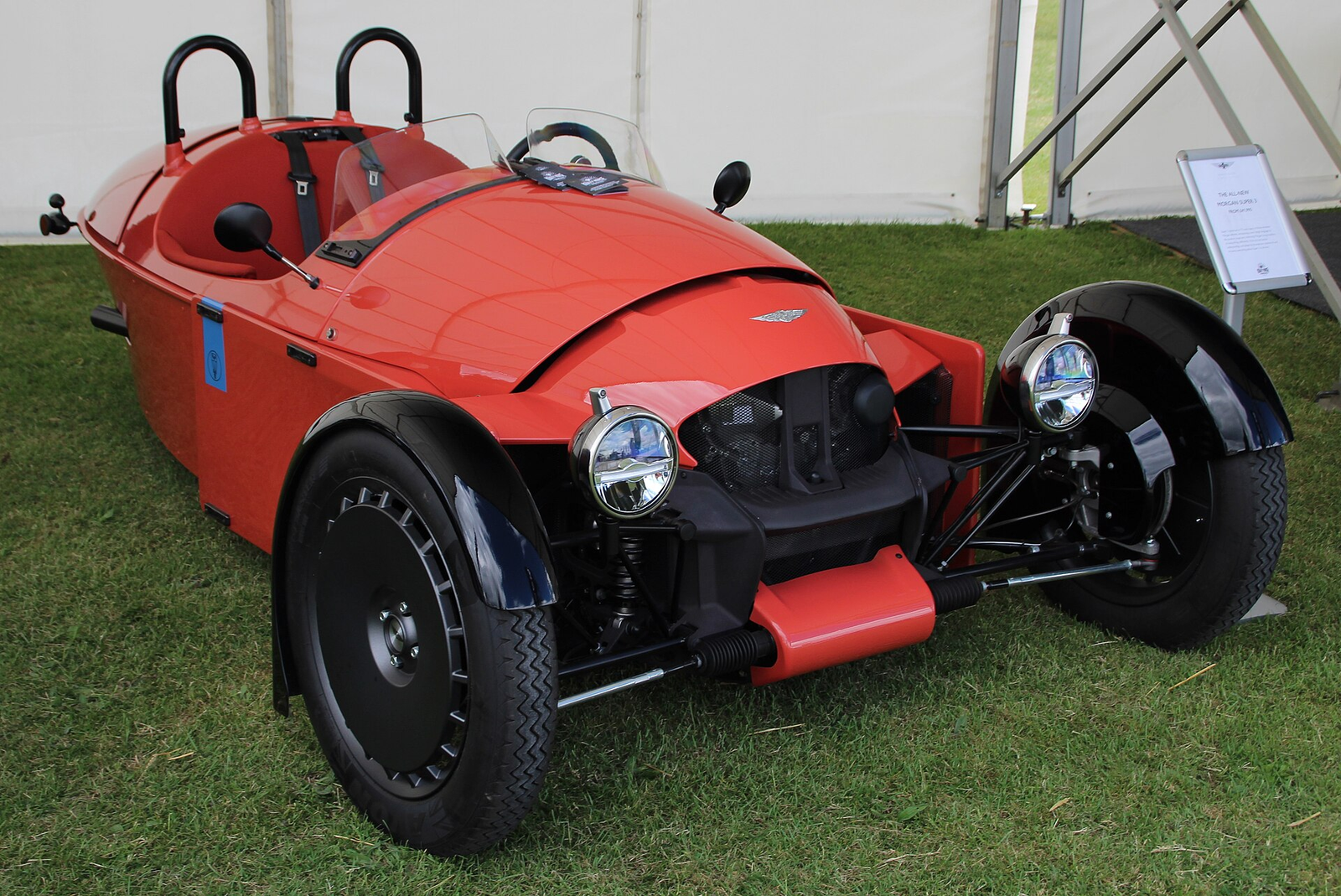
Here is the usual car landing, no need for helmets and protective suits, and the risk of capsizing is minimal (unlike the infamous Reliant). For all its eccentricity, the Super 3 has a trunk, seat belts and, albeit small, but still a reserve of stars in the ratings. It does not claim to be super fast, but it does not matter: an open body and empty roads are all it needs. Traffic lights and launch control are superfluous here.
Rolls-Royce Phantom
If you ask in the Rolls-Royce showroom about the power of the new Phantom, you will be answered briefly: "Enough, sir." Attempts to find out the acceleration time may result in a polite invitation to leave - such topics are considered inappropriate here. Bentley or Mercedes are happy to discuss such parameters, but the Rolls-Royce philosophy does not allow competitiveness in numbers.
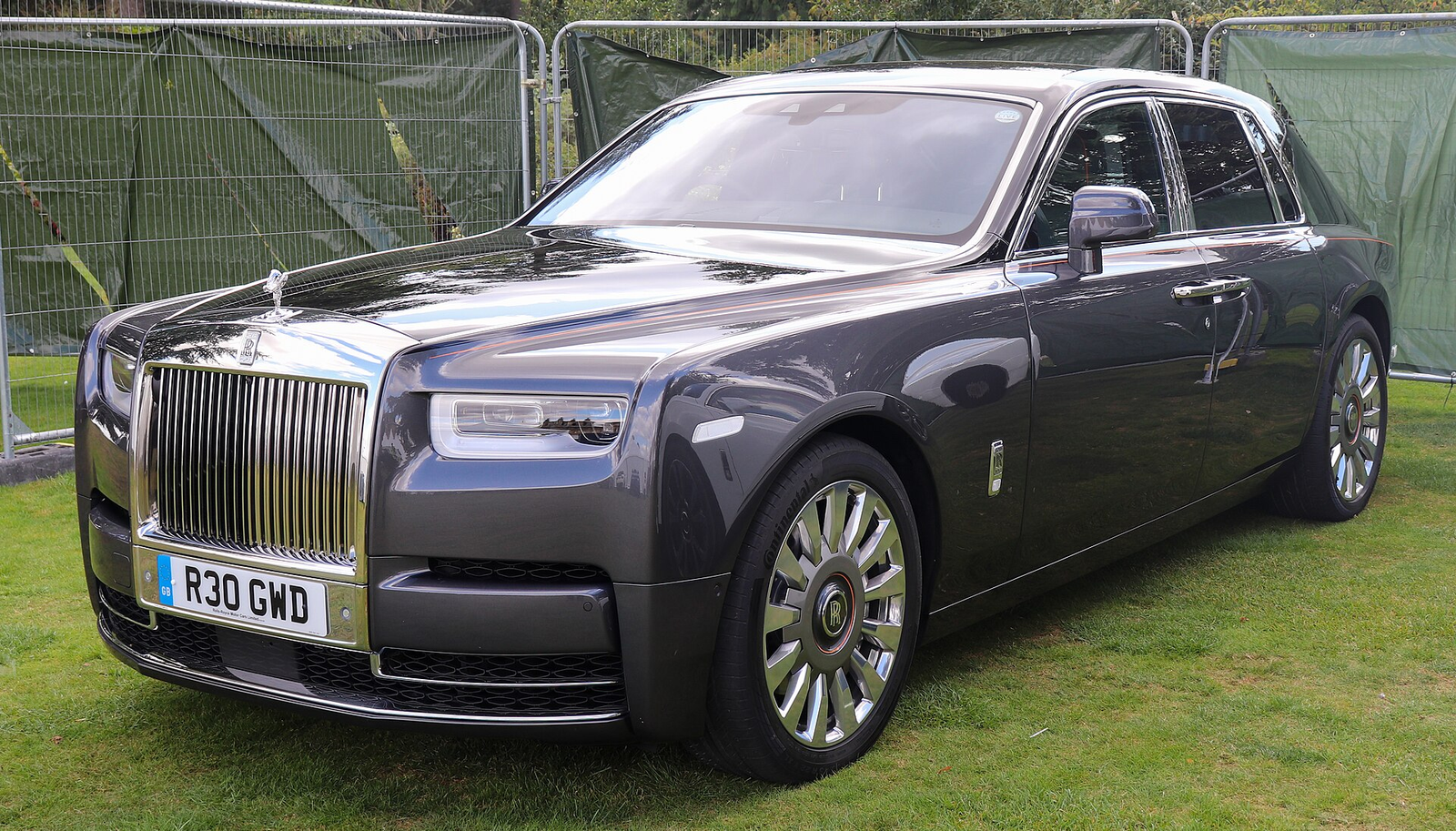
Somewhere deep in the configurator, the values are still hidden: about 550 hp and 5.5 seconds to 100 km/h. This is far from slow, but no one expects the Phantom to do smoky turns in the supermarket parking lot. The whole concept of the model is in balance: a soft start, delicate suspension, and instead of a tachometer - an indicator of residual power, which you want to keep closer to the 100% mark on an internal impulse. As a result, the ride is meditative and deliberately calm.
GMA T.50
Gordon Murray Automotive appeared in 2017 thanks to engineer Gordon Murray - a man involved in Formula 1 cars and in cooperation with McLaren. The T.50 became his third project and a kind of challenge to the supercar industry. In terms of layout and price, it is comparable to them, but in spirit it stands apart: the design is restrained, the power is less than that of the base McLaren, and the character is more like a grown-up Lotus Elite.
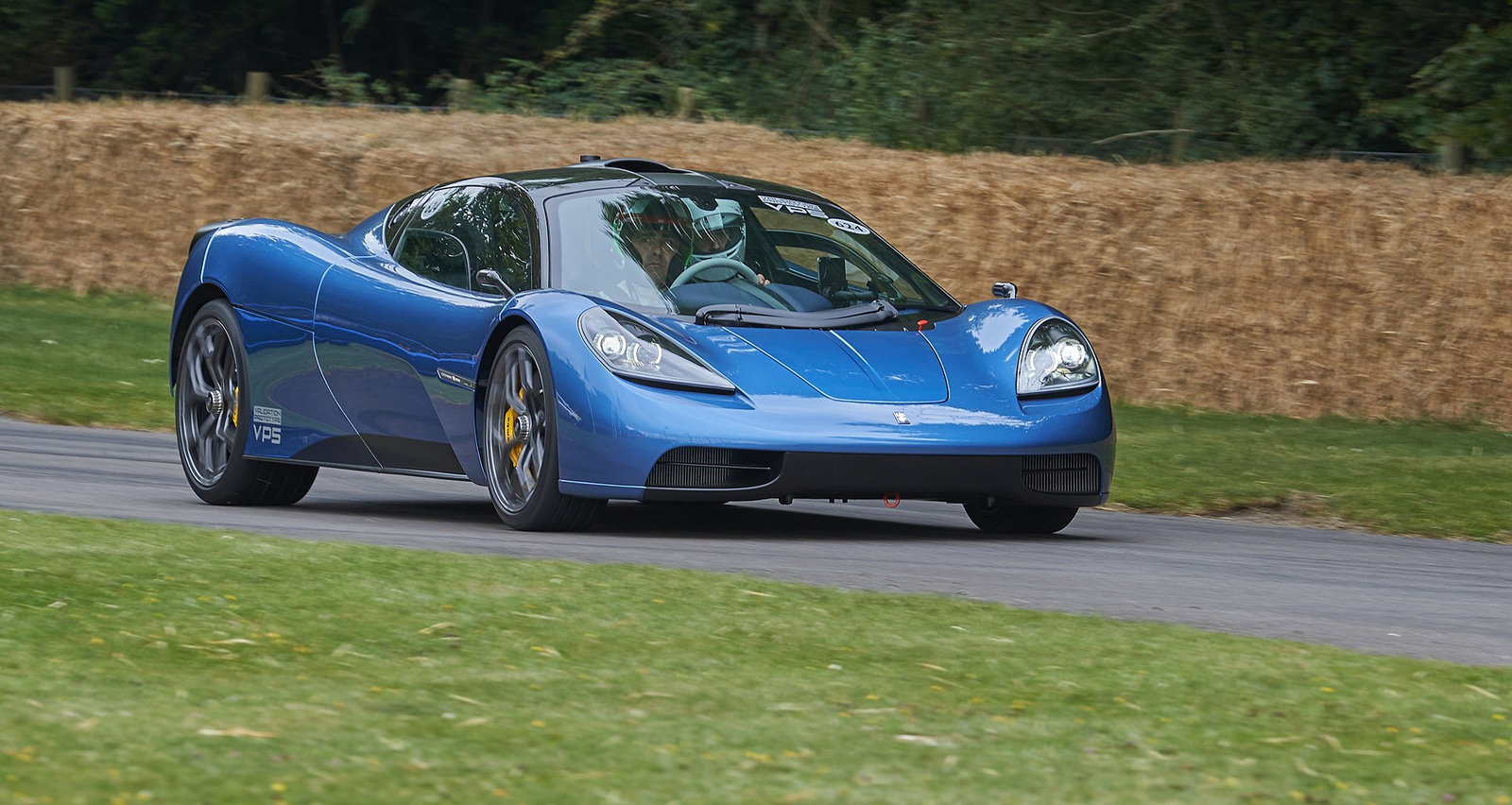
This is a radically light, completely analog car. No power steering, electronic assistants, air suspension, giant screens or complex driving modes. Only a mechanical gearbox, a handbrake on a cable and a pure connection between man and machine. The seat is located in the center, the visibility is excellent, and the heart of the model is a compact 3.9-liter naturally aspirated V12 with 650 hp, spinning up to 12 thousand revolutions and responding to the gas instantly.
Acceleration from 0 to 100 is not of particular interest here. The T.50 will probably give way to modern supercharged hypercars with dual clutch or electric monsters, but it was created for something else - for those who want to be not an observer, but a full participant in the process.
Read more materials on the topic:
- 10 of the most expensive cars in the world: the pinnacle of engineering
- Synthetic vs semi-synthetic: which oil to choose for the engine
- Why different brands have their own color: the history of shades
Комментарии