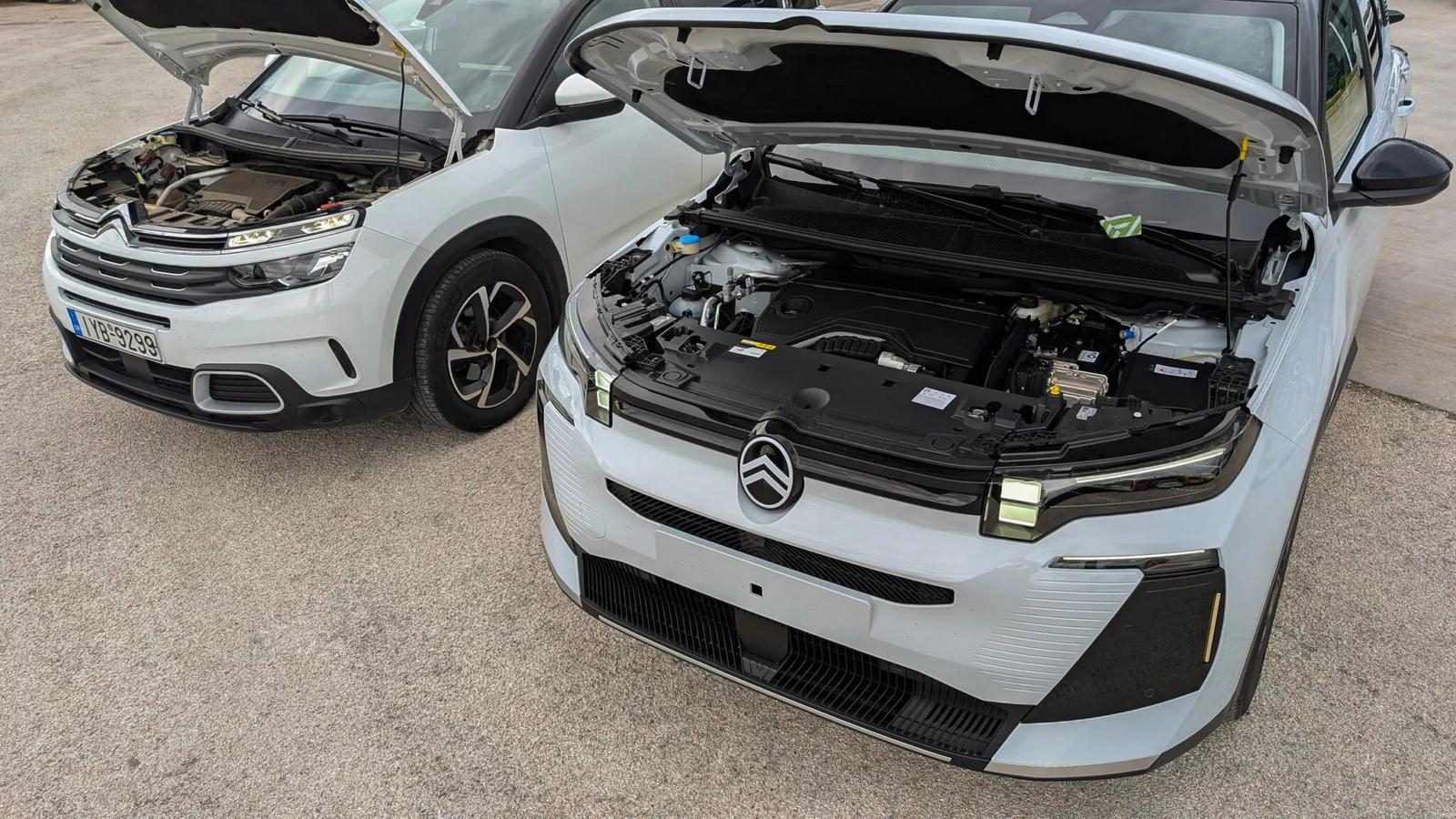
The compact European crossover segment has long resembled dense traffic: models touch classes, share platforms, and compete for buyers with almost identical characteristics. Stellantis promotes several relatives at once - Jeep Compass, Opel Grandland, Peugeot 3008/5008, and Citroen C5 Aircross. On paper, they look similar, but the new C5 Aircross turned out to be so non-standard that it made us reconsider our attitude to the "Frenchman", especially after comparing it with the Compass, which I have been using for the past years.
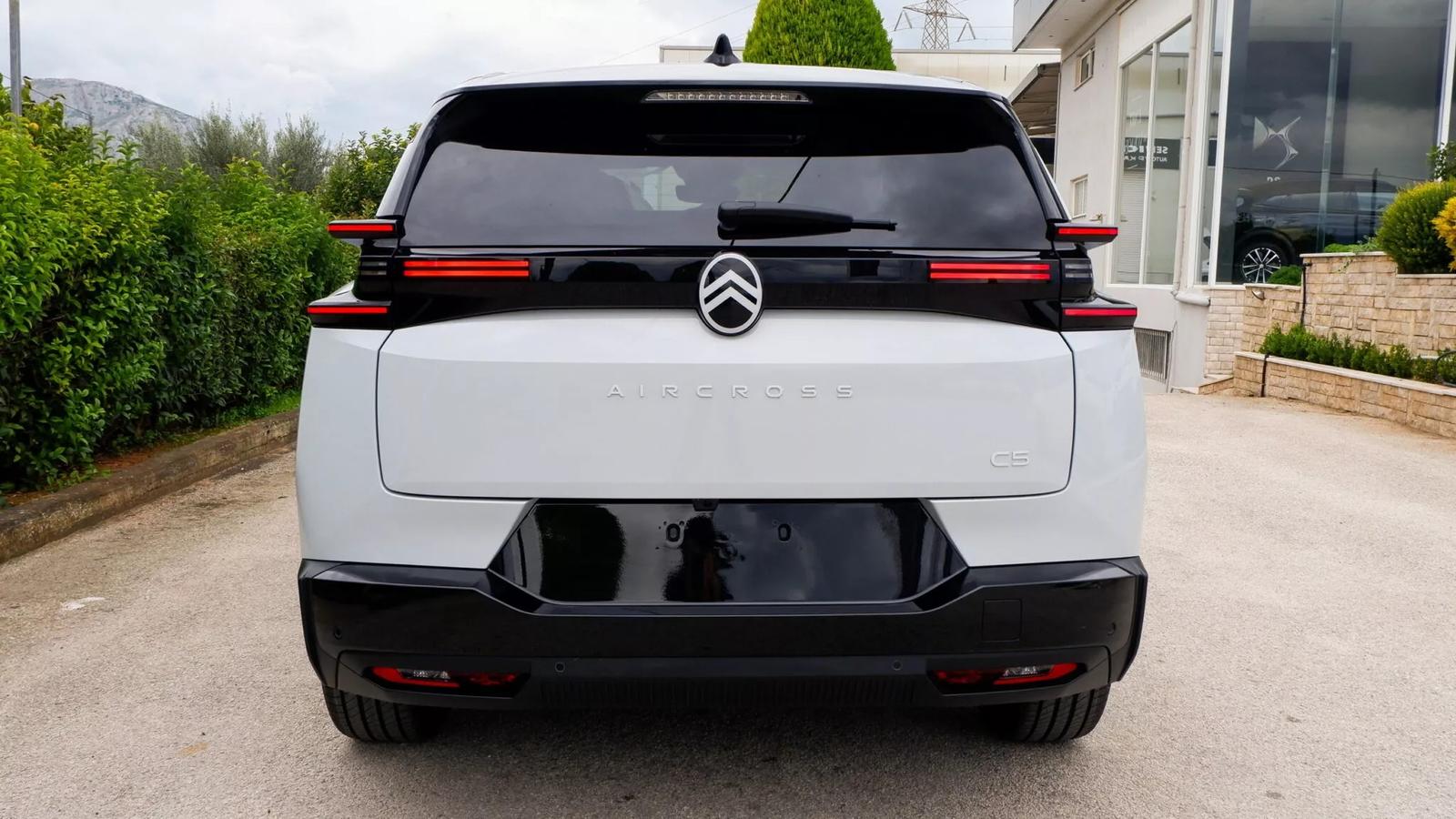
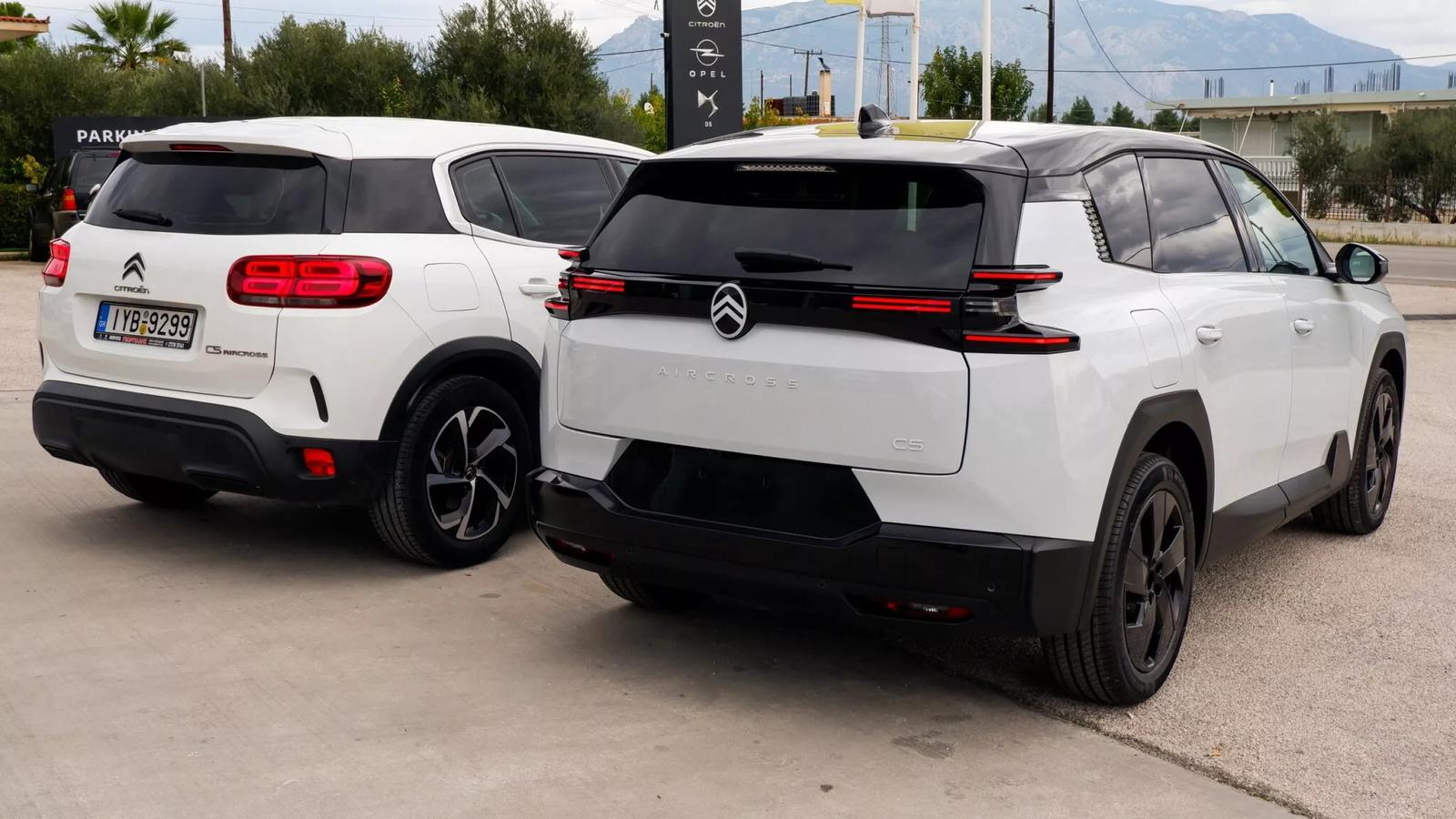
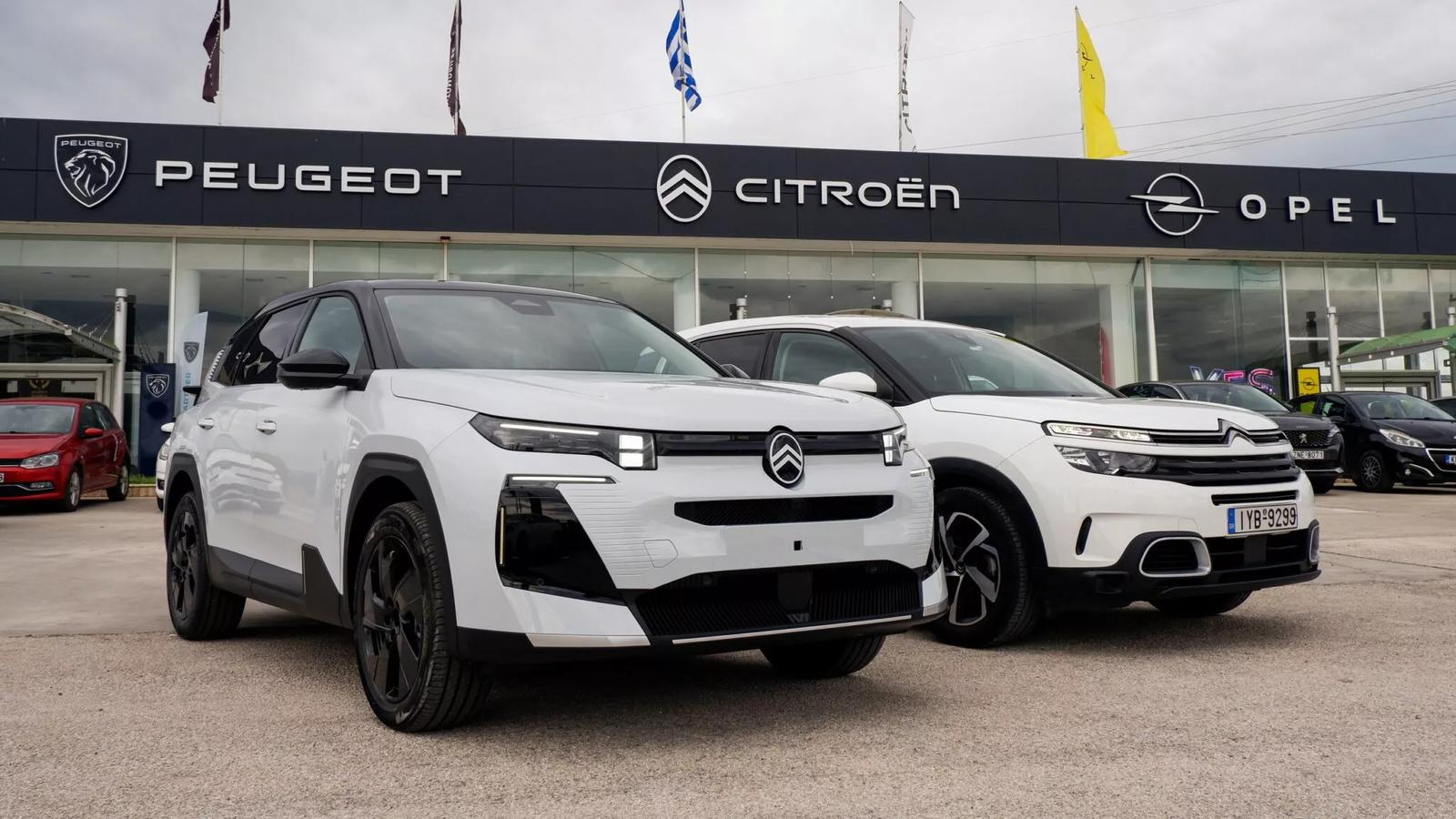
The fresh C5 Aircross 2026 immediately creates a different impression. It has become noticeably larger - adding 150 mm in length and 60 mm in the base. On the road, the "Frenchman" feels not like a restyling, but like a full-fledged new platform. The front is wider, the optics are stricter, the profile is more sculpted - Citroen abandoned the previous roundness, betting on calm geometry and visual minimalism. The narrow rear lights add futurism and emphasize the wide rear fenders. At the same time, aerodynamics have been improved, despite the increase in size.
Configurations include wheels from 18 to 20 inches, and the top-end Max version gets neat golden accents. Not flashy, but memorable. Against the background of the same Compass, the new Aircross looks more modern, calmer and even more noble - Jeep still gravitates towards an angular "hiking" image.
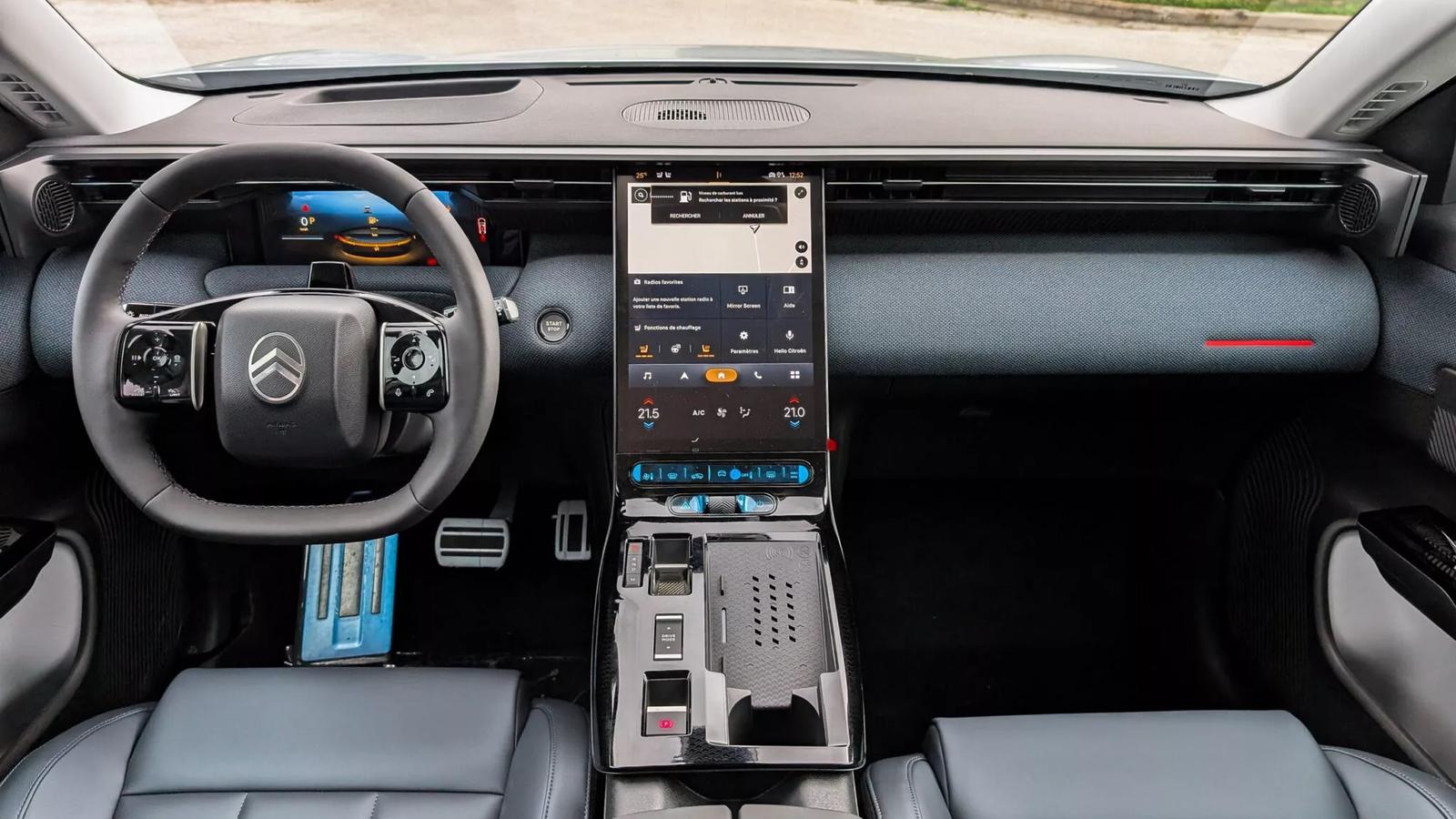
But the main focus is inside. The previous C5 Aircross had a peculiar interior, with a bunch of square elements and funny solutions. Now - almost a living room: straight lines, soft fabrics, neat shapes. The central 13-inch "waterfall" screen visually dominates, although it sometimes seems that it is larger than necessary. Functionality is not ideal - part of the space is eaten up by the climate control panel - but Citroen left the traditional volume "knob" and convenient buttons under the screen. This saves the day, given Stellantis's love of hiding everything in the menu.
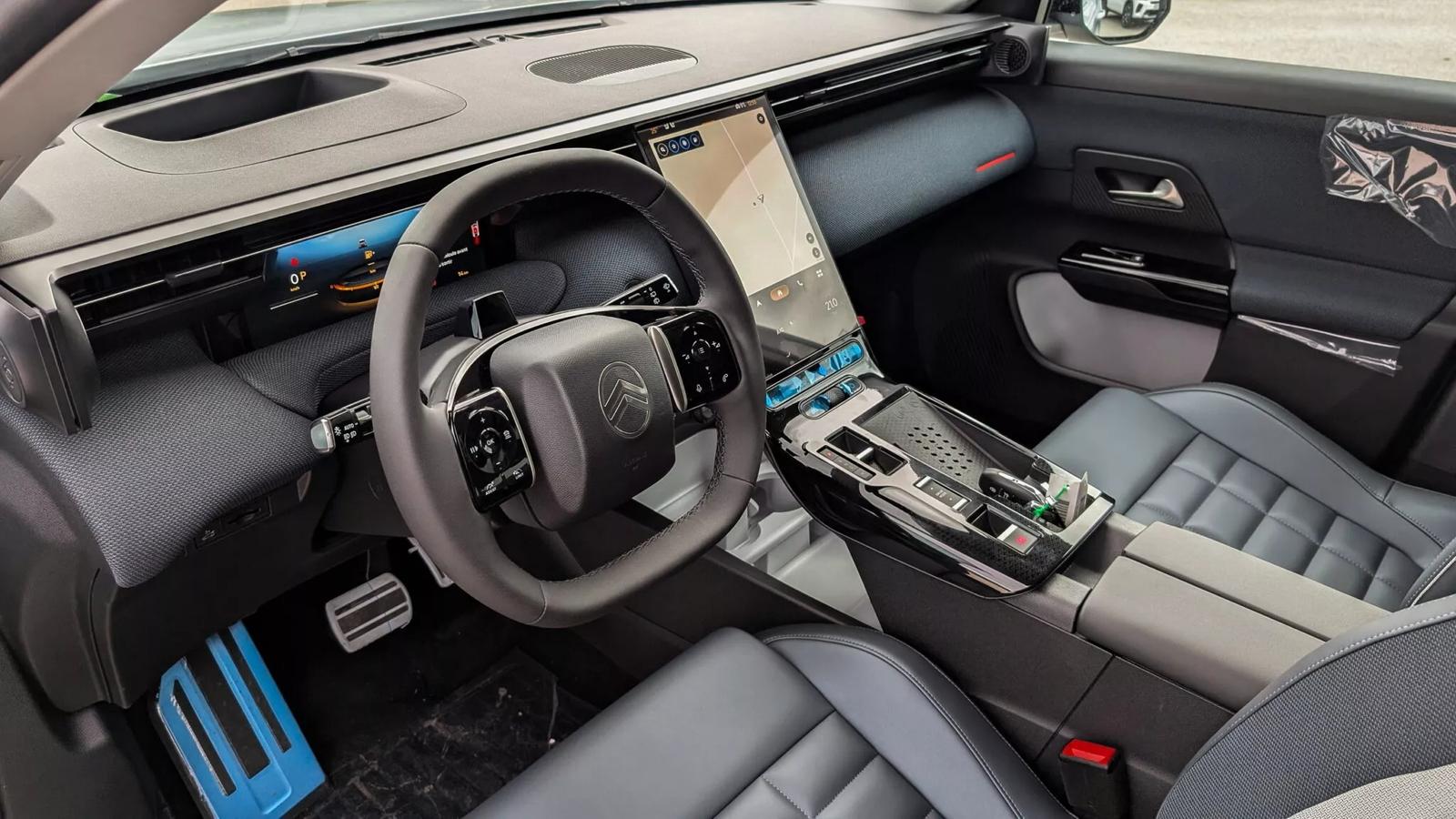
The instrument panel is 10-inch, unobtrusive, but informative. In Max, a large projection display is added to it - a necessary thing that really works. The steering wheel has become smaller, but does not provoke "sportiness". The organization of storage has been changed: a deep shelf under the center console, USB-C connectors and wireless charging have appeared. Ergonomically, the interior has become much more comfortable.
But the seats are the best element. This is Citroen's signature feature: more softness, more foam, but support has not suffered. In the second row, the seats are even more comfortable - on a long trip, the difference with the Compass is very noticeable. The only change is that the three independent separate seats have disappeared: now the rear sofa is solid, but there is noticeably more space in width and in the legs. The trunk has grown to 651 liters, plus an underground niche. In terms of practicality, the new Aircross is already close to the mid-size class.
On the move, the crossover is even more impressive. The Hybrid 145 version is equipped with a 1.2-liter three-cylinder turbo engine and a 48-volt mild hybrid. The engine produces 143 hp together with an electric motor, and on paper it looks good. But the dynamics are more modest than the old PureTech petrol engines - almost a second slower acceleration to 100 km/h. But in the city, smoothness is felt: the electric motor smoothes out starts, and the six-speed automatic works smoothly.
However, the new C5 Aircross is revealed precisely on a bad road. The suspension with proprietary hydraulic technology has become even softer. 19-inch wheels do not interfere - potholes cease to exist. This is one of the most comfortable crossovers in the class, and the Compass on the same surfaces seems much stiffer. If you drive calmly, the new Citroen is the perfect companion.
In corners, it is predictable, although rolls are noticeable. But the car itself does not hint that it should be used as a dynamic one. The steering is light, even too light. It is quite "cottony", less connected than the previous version. Jeep naturally feels sportier and communicates better with the driver, but wins due to character, not due to real potential.
The weak point is traction. The Hybrid 145 does not feel perky on climbs or sharp accelerations. At high revs, the engine hums more roughly than I would like, although the overall noise insulation has become better than before. The 193 hp PHEV version, it seems, will be much more interesting, and the fully electric version will be even faster.
All versions are currently front-wheel drive, there is no all-wheel drive even as an option. Perhaps a two-motor electric car will appear later, like the Peugeot 3008.
In terms of price, Aircross does not strive to be the most affordable. In Greece, the hybrid starts at 29,900 euros - higher than the previous diesels. The electric version costs from 37,900 euros, and the plug-in hybrid starts from 44,900 euros. The top-end Max is 48,900 euros. But the equipment package is rich: already in the base - full ADAS, dual-zone climate, 18-inch wheels, 13-inch screen and digital instrument panel.
As a result, the new Citroen C5 Aircross has become a different car. It has lost some of its unusualness, but has acquired real comfort, silence and maturity. In terms of handling, it is more interesting than the Compass, but in daily use, the Citroen goes ahead: softness, interior, ease of landing - all this puts it above the Jeep in the category of "driving every day".
Whether this advantage will be enough to withstand competition from Tucson, Sportage, Tiguan and Austral remains to be seen in sales. But one thing is clear now: the C5 Aircross has re-formed its place in the segment and has become the crossover that is chosen for comfort, not for emotions.
Read more materials:
- AvtoVAZ officially explained what gasoline should be poured into Lada
- "Moskvich" announced prices for the Moskvich 6 sedan of the 2026 model year
- Tank raised prices for the entire model range in Russia: Tank 500, 700 and 400 have risen in price
Комментарии