Winter tires are not just a piece of rubber, but a complex engineering product that is sensitive to operating conditions. Proper handling can significantly extend their service life and maintain safety on the road.
Tire Pressure
To ensure that winter tires last as long as possible, it is important to monitor tire pressure. It is recommended to check it every two weeks and always before long trips.
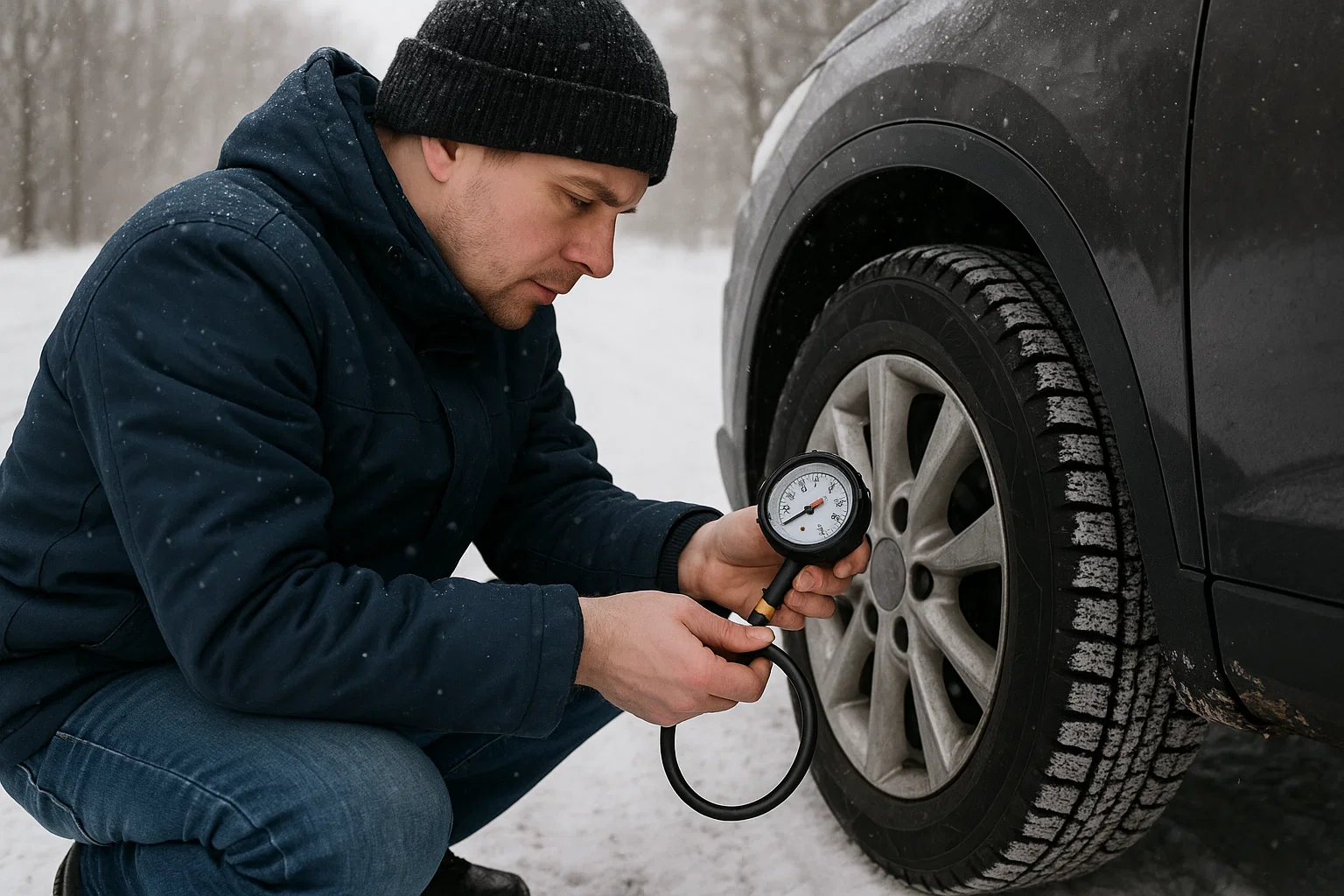
Insufficient pressure accelerates wear on the sidewalls of the tire and impairs grip, while excessive pressure leads to faster wear on the central part of the tread. Optimal pressure values are usually indicated in the vehicle's owner's manual and are often duplicated on the inside of the fuel filler flap.
Balancing and Alignment
After installing new tires or any suspension work, it is important to balance the wheels and adjust their alignment angles. These relatively inexpensive procedures ensure even tread wear and reduce vibration while driving.
Tread Depth
Monitoring the remaining tread depth is extremely important: the minimum permissible level for winter tires is 4 mm. Operating tires with less depth increases the risk of aquaplaning and reduces safety.
Different Tires on One Vehicle
It is not recommended to install tires of different models or with different levels of wear on one vehicle. Especially in winter, this combination negatively affects handling and can cause an accident.

Break-in and Maintenance
New winter tires require "break-in": for the first 800-1000 km of mileage, avoid sudden starts and stops. This is necessary to form an optimal contact patch and secure the studs reliably. In addition, in winter it is useful to regularly wash tires with mild detergents to remove reagents, salt and dirt. Special attention should be paid not only to the sidewalls, but also to the central area of the tread, where aggressive substances accumulate.
Timely Replacement and Driving Style
In regions with unstable weather, it is important to change summer tires to winter tires in time. Using soft winter tires at too high a temperature reduces their lifespan. You should also avoid frequent wheelspin and sudden braking. An aggressive driving style is especially dangerous for studded tires: the studs become loose and lose grip. Losing even 20% of the studs can reduce grip on ice by 15%, increasing the risk of accidents and premature tire wear.
Winter tires directly affect grip, braking distance and vehicle handling. With proper storage, careful "break-in" and regular condition monitoring, a set of tires can safely last 5-6 seasons, maintaining its performance characteristics.
Read more materials on the topic:
- What cars did Diego Maradona choose - from Ferrari to a Scania truck
- Why cold starting destroys the engine in winter
- How Germans are rediscovering retro design in the era of electric vehicles
Комментарии