The idea of creating a modern, reliable, and at the same time extremely affordable car for around 5,000 euros sounds almost fantastic today. However, two decades ago, Renault formulated just such a goal, offering its designers to develop a fundamentally new "budget car" that would not be a simplified copy of existing models, but would become an independent product and would change the perception of inexpensive cars in developing markets.
The birth of a concept that changed the industry
In the late 1990s, Renault's management decided on a risky step: to create a car with a European level of reliability and comfort, but at a price comparable to the Lada models popular in the post-Soviet space. The impetus was a trip by the then head of the company, Louis Schweitzer, to Russia, where he saw a growing interest in simple, inexpensive, albeit outdated cars costing about 6,000 dollars.
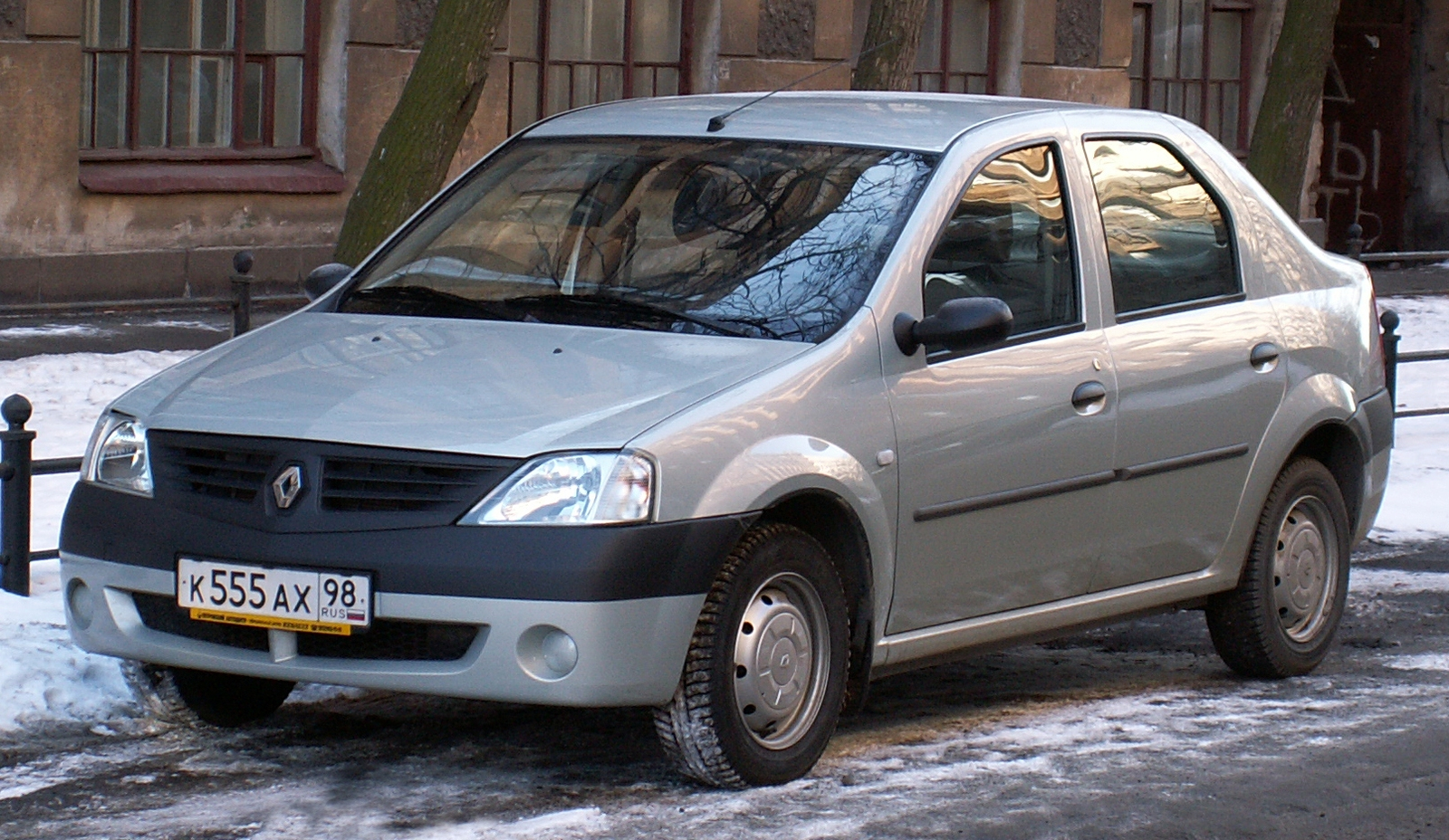
To enter the market of Eastern Europe and Russia, a model was needed that combined technology, unpretentiousness and adaptation to difficult road conditions. The implementation of such a project seemed impossible, but it became the basis of the X90 program - the future Logan. Here, the design to cost philosophy was applied in full for the first time, when each element was calculated with an eye to a strictly defined final price.
From Romanian roots to international success
Logan's trajectory turned out to be inextricably linked with the Romanian brand Dacia, which for a long time produced licensed versions of Renault. After the acquisition of Dacia by Renault in 1999, it became clear: the company needed a new car that could take the brand to another level. Engineers at the Renault technical center in Paris used the accumulated knowledge about budget models and chose the universal and inexpensive B0 platform as the basis.
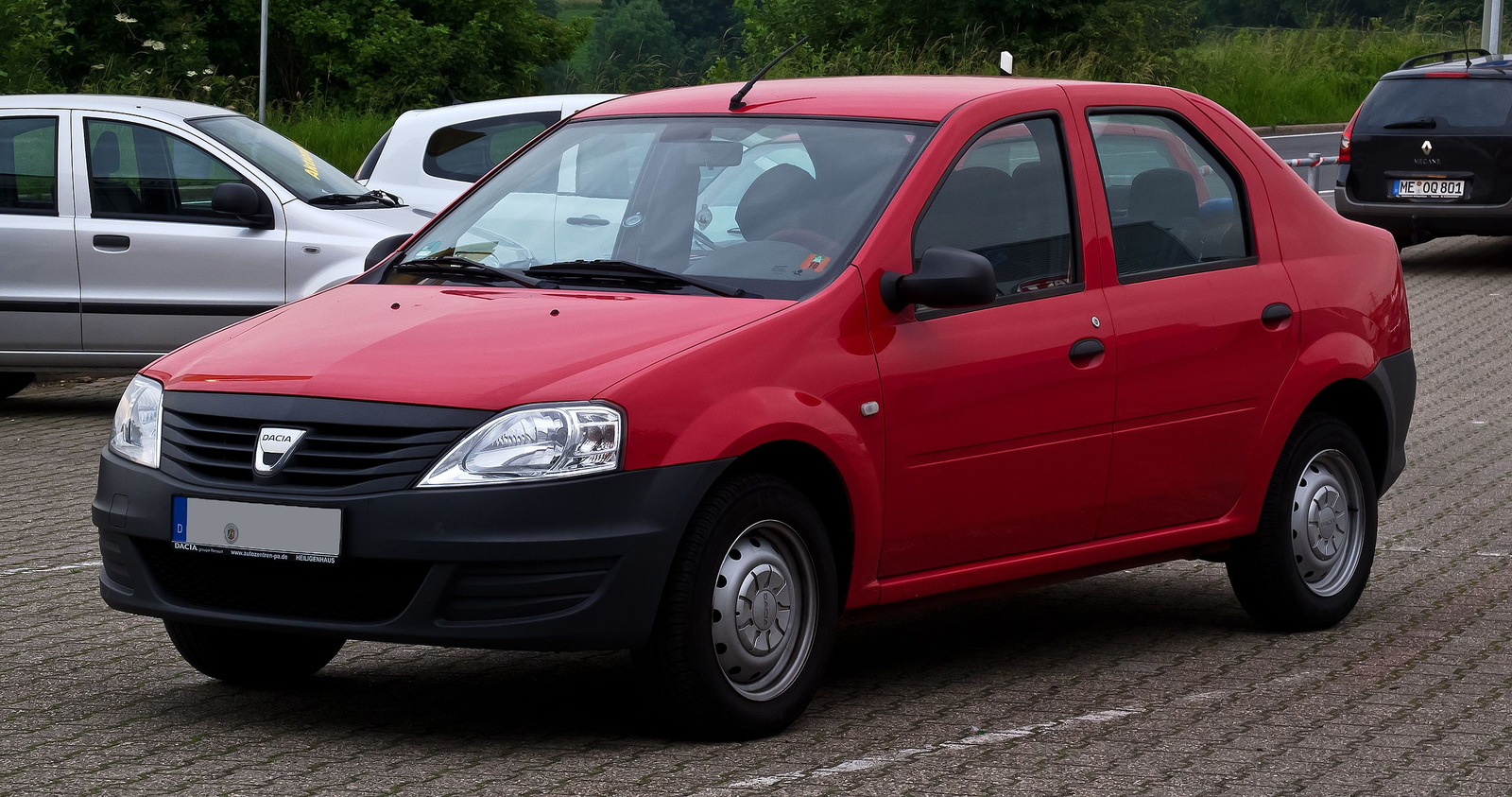
It allowed us to focus on reliability, capacity and production efficiency. Logan used already mastered components from Clio, Symbol and Megane, and the suspension was adapted to the harsh road conditions of Eastern Europe. The K7J and K7M gasoline engines were economical and highly unpretentious.
Logan's appearance was deliberately made simple and straightforward: straight panels, unified glass and moldings, a minimum number of unique parts - everything was subordinated to reducing the cost without compromising functionality.
Logan's arrival in Russia and the change in the consumer market
In 2005, Logan began to be assembled at the Avtoframos plant in Moscow. In the Russian market, the car instantly became one of the most affordable offers - the price of the starting configuration did not exceed 400 thousand rubles. For many families and small businesses, this was a real chance to purchase a new car instead of a used one.
Soon Logan under the Dacia brand gained wide recognition in Belarus, and the appearance of the MCV station wagon subsequently paved the way for the release of Lada Largus. The car step by step turned into a benchmark of the budget segment and actually changed the perception of what an inexpensive car can be in the CIS countries.
Evolution and strengthening of positions
Over the past twenty years, Logan has been updated more than once.
It went from the second generation, presented in 2012 at the Paris Motor Show, then to a large localization at AvtoVAZ, which lasted from 2014 to 2022, and then to the third generation, released in 2020 and built on the modern CMF modular architecture.
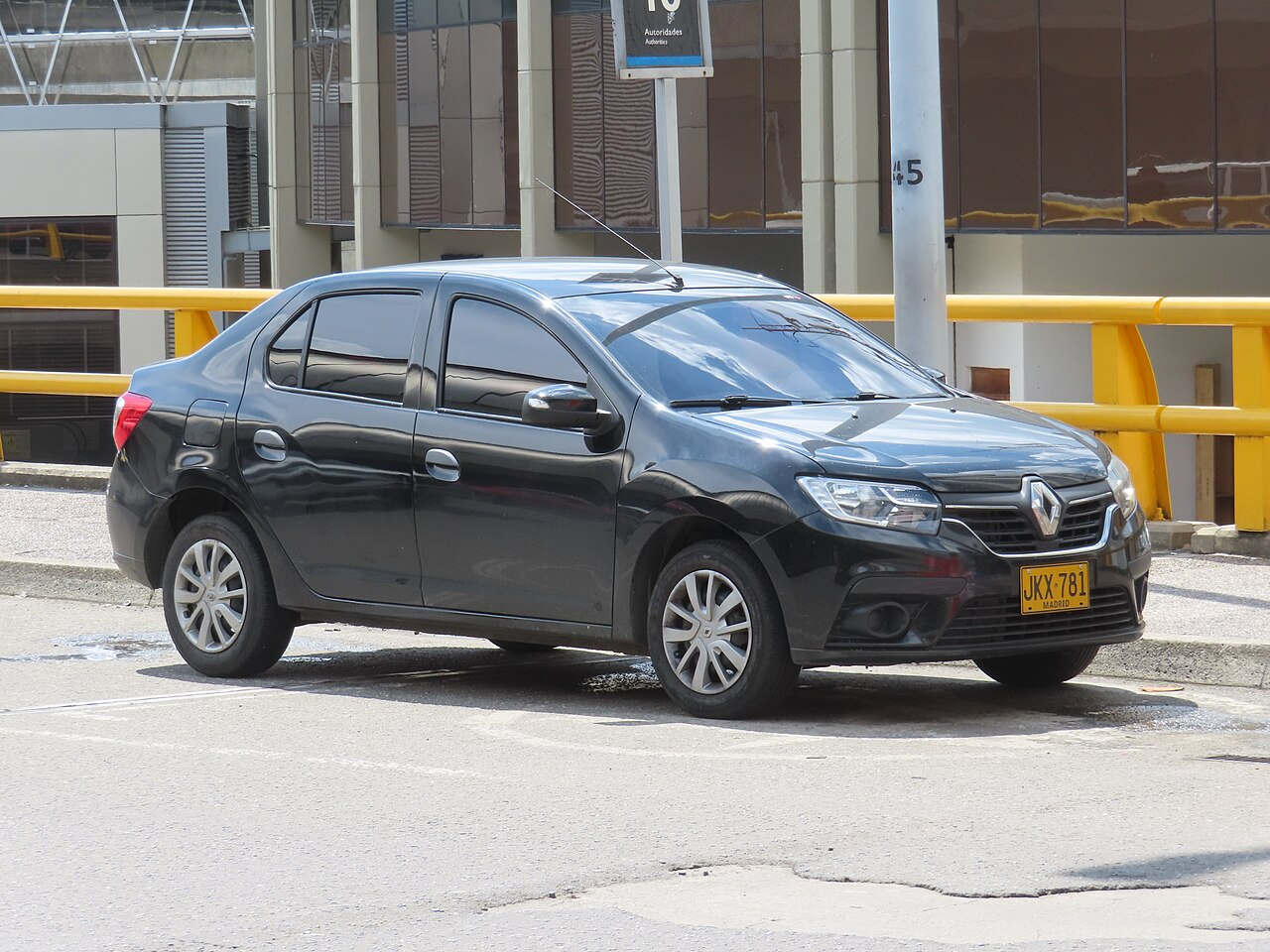
The development of platforms, taking into account the feedback from Russian and Romanian owners, constant upgrades - all this turned Logan into one of the most recognizable and reliable budget cars of its time.
At the same time, the cost has increased significantly: today in Romania the basic version is estimated at approximately 6280 euros - higher than the original target, but quite understandable given the improvements and expanded functionality.
Scales that speak for themselves
By 2025, Logan retains its status as one of the key players in the budget segment of Russia and the CIS. Over the lifetime of the project, more than four million cars have been sold.
This was facilitated by serious investments: the modernization of the Romanian Dacia plant in Pitesti cost approximately 489 million euros, and about 360 million euros were spent on the design of Logan. In fact, it was not an attempt to make a "cheap car", but a full-fledged engineering challenge on a global scale.
What is the secret to Logan's sustainable success?
The main reason is in the approach: Renault did not try to reduce the cost of existing models, but created a car specifically for the economic realities of developing countries. Logan was conceived as a reliable working tool designed for long runs, harsh climatic conditions and a limited budget of owners.
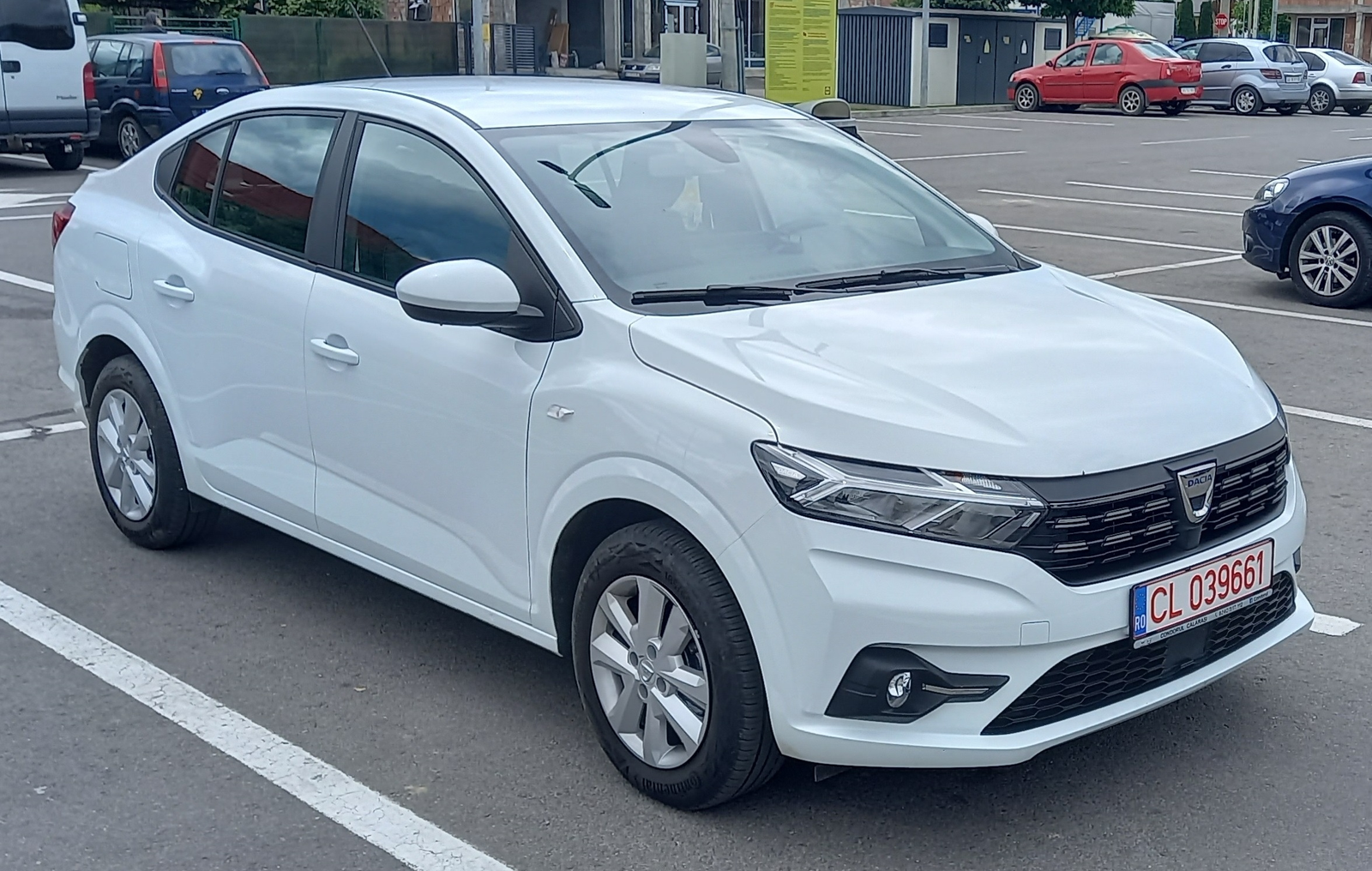
The experience of Renault and the restraint of the Romanian design school were combined with the requirements of the Russian market, where practicality, endurance and accessibility were most important. The versatility of the project also played a significant role - versions under the Nissan, Mahindra and other brands were produced on the basis of Logan, which allowed to expand the model's presence in many markets.
What awaits Logan next?
The third generation of the car is far from the final point in its history. The modern automotive industry requires environmental friendliness, digitalization, increased safety and adaptability in production. Logan continues to occupy a significant place in Russia and the CIS countries, and its philosophy still serves as a benchmark for developers of budget models.
New economic conditions dictate their own rules, but Logan's experience shows: with the right engineering approach, it is possible to combine accessibility, functionality and a modern level of technology.
Read more materials on the topic:
- What cars did Diego Maradona choose - from Ferrari to a Scania truck
- Why a cold start destroys the engine in winter
- How Germans are rediscovering retro design in the era of electric vehicles
Комментарии