KGM Korando may seem modest compared to the bright Chinese competitors, but behind this restraint lies a combination of simplicity, functionality, and unexpected versatility. There are no overloaded touch panels, aggressive lines, or ostentatious technological brilliance here - but there is clear control, thoughtful ergonomics, and behavior that inspires confidence. Autonews studied the car in action and explained what it takes in real operation.
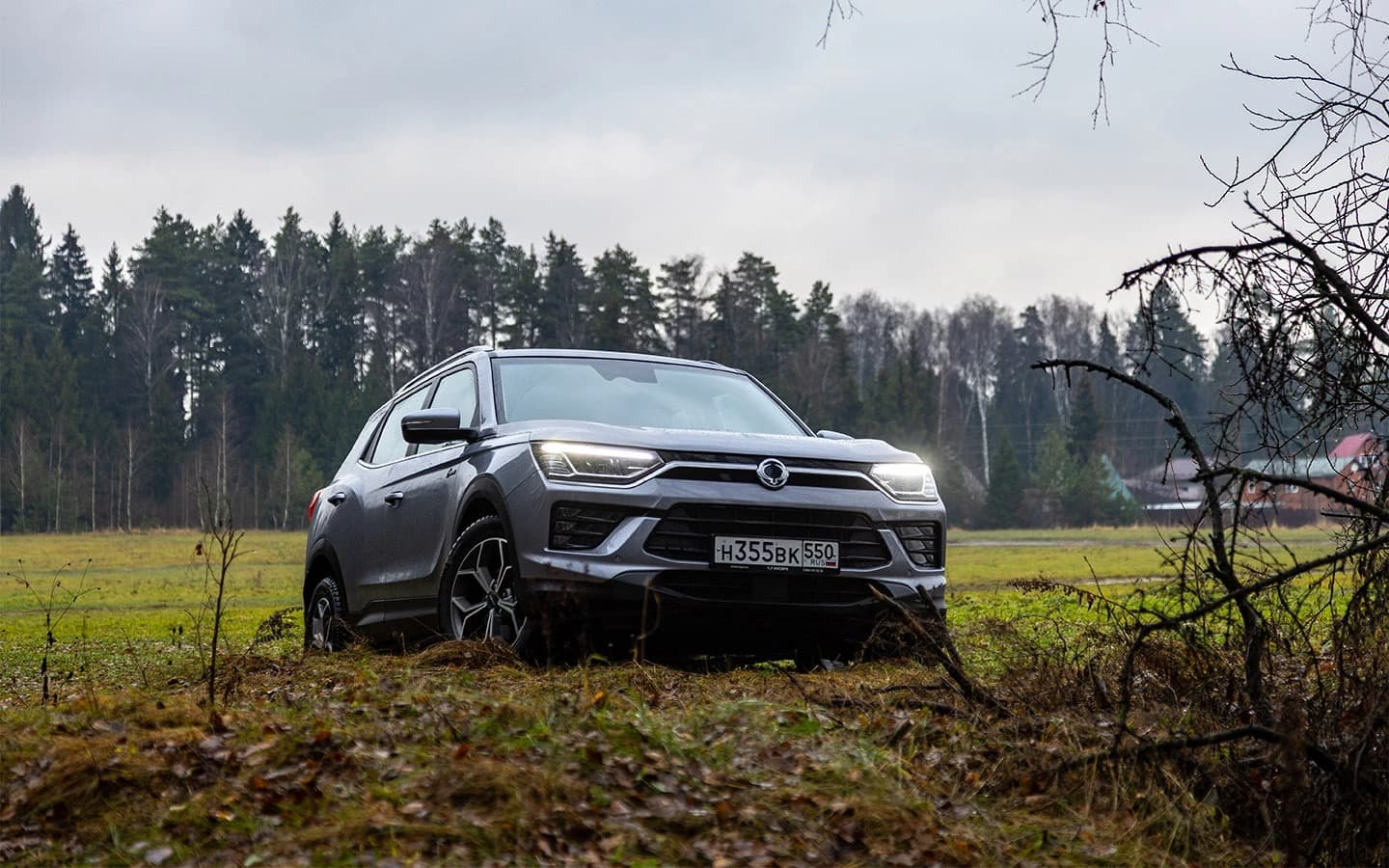
On the outside, Korando looks calm and even a little strict. The proportions are well-balanced, the hood is highlighted by longitudinal lines, and the narrow front grille makes the look collected. It does not overwhelm with large dimensions, but visually it is perceived as a more mature car than the length of just under four and a half meters suggests. The model debuted back in 2019, so against the background of modern "Chinese" design with cascading optics and giant grilles, Korando looks old-fashioned - but it is this correct simplicity that creates a sense of reliability.
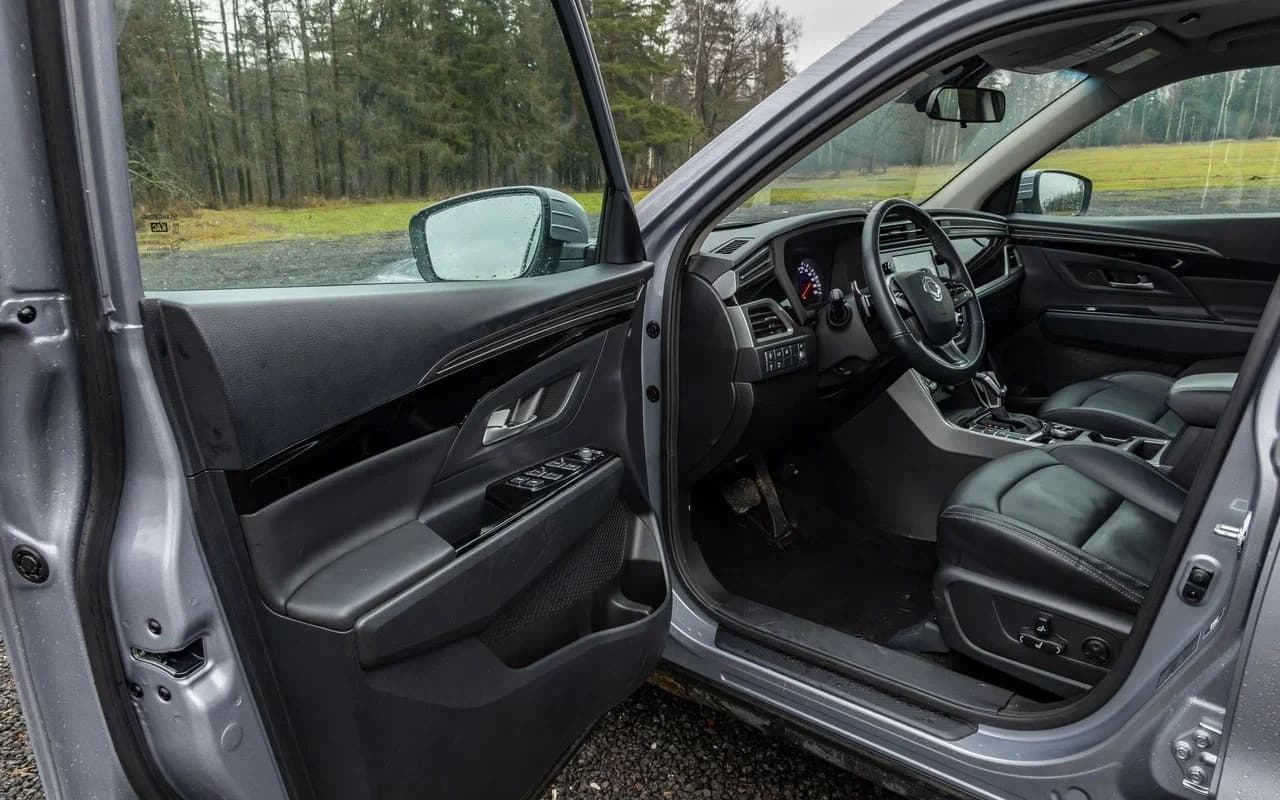
Practicality is the key word for the interior. Inside, there is no attempt to replace all the buttons with touch strips. Classic climate control unit, normal keys, clear logic of controls - almost an anachronism by the standards of 2025. The multimedia screen looks like it's from the early 2010s: simple graphics, straightforward menu, but the responsiveness is good, and the Russification is without errors. The materials are budget in places, and the abundance of gloss in the most "working" places is unlikely to appeal to those who appreciate the long-lasting freshness of the cabin - scratches appear faster than you would like.
But Korando is really spacious. The rear row allows even tall passengers to sit comfortably, and the trunk with a volume of 551 liters easily accommodates both a stroller, bags, and an impressive purchase. Comfortable seats are suitable for long journeys, although there is no pronounced lateral support, and a short cushion may remind you of itself on a long road.
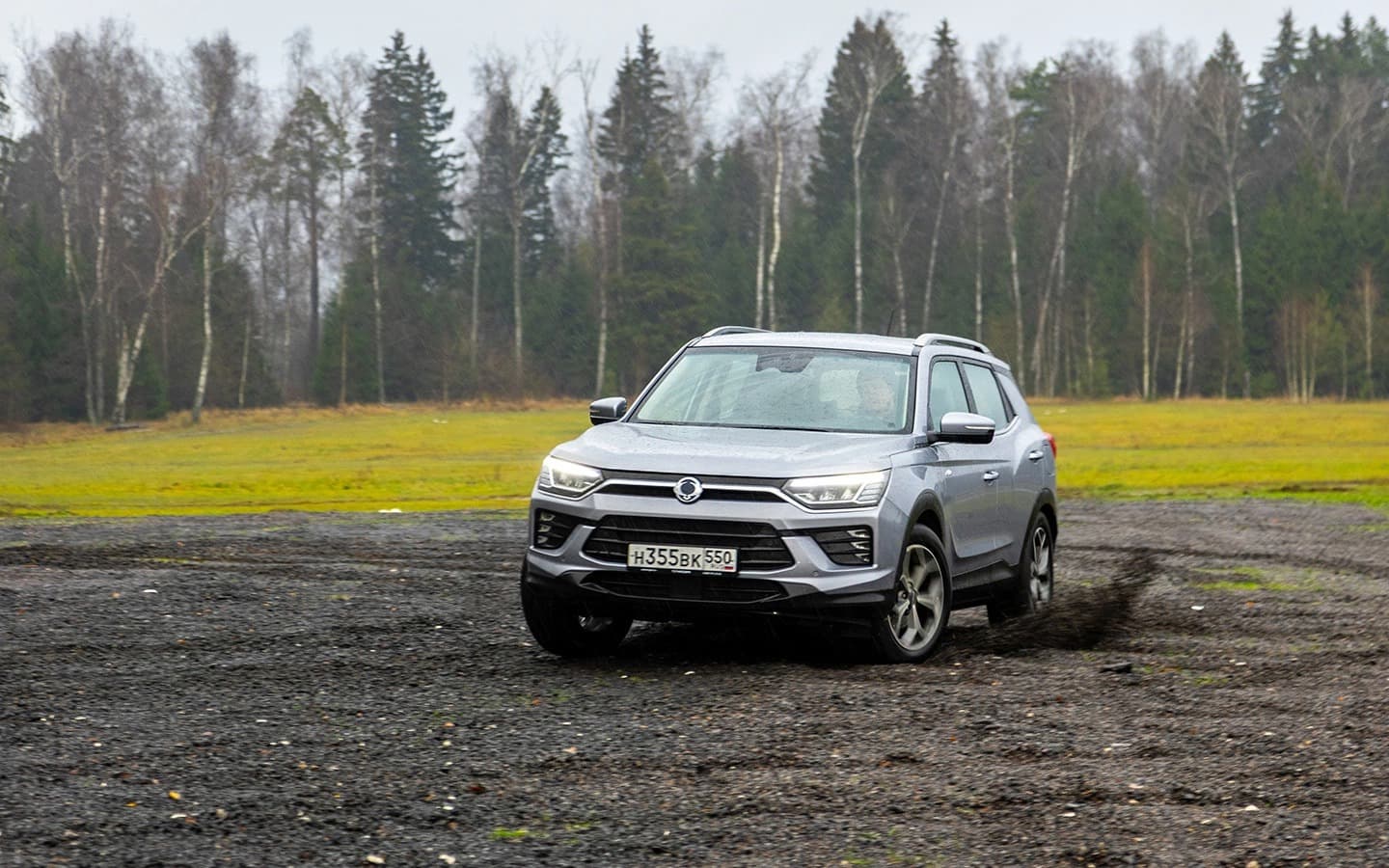
On the move, Korando shows a different face. The suspension is set up tighter than you expect: small imperfections in the asphalt are felt distinctly, and extra noise is added on broken surfaces. But in return - stability in corners and minimal roll. Handling is not sporty, but predictable, with a clear reaction to the steering wheel. The center of gravity feels relatively low, and it is quite comfortable to switch from city driving to a more dynamic pace.
Sound insulation is one of the weaknesses. Studded tires amplify the hum, and on the highway the engine is clearly audible during active acceleration. The engine itself is a 1.5-liter turbo version with 163 hp and a torque of 280 N·m. In terms of dynamics, the car is rather calm: the passport 8 seconds to hundreds feels confident in the city, but when overtaking you have to press the pedal all the way. The gearbox is traditional - a six-speed automatic from Aisin, well known from many models and configured without surprises. The average consumption is about eight liters, and at high speed it can grow to ten.
All-wheel drive makes Korando more confident on a broken dirt road. The suspension is short, but the geometry allows you to drive into light off-road without fear of leaving the bumper on a bump. On soggy sections, the center differential lock helps - with it, the car is noticeably more confident in getting out of slippery traps.
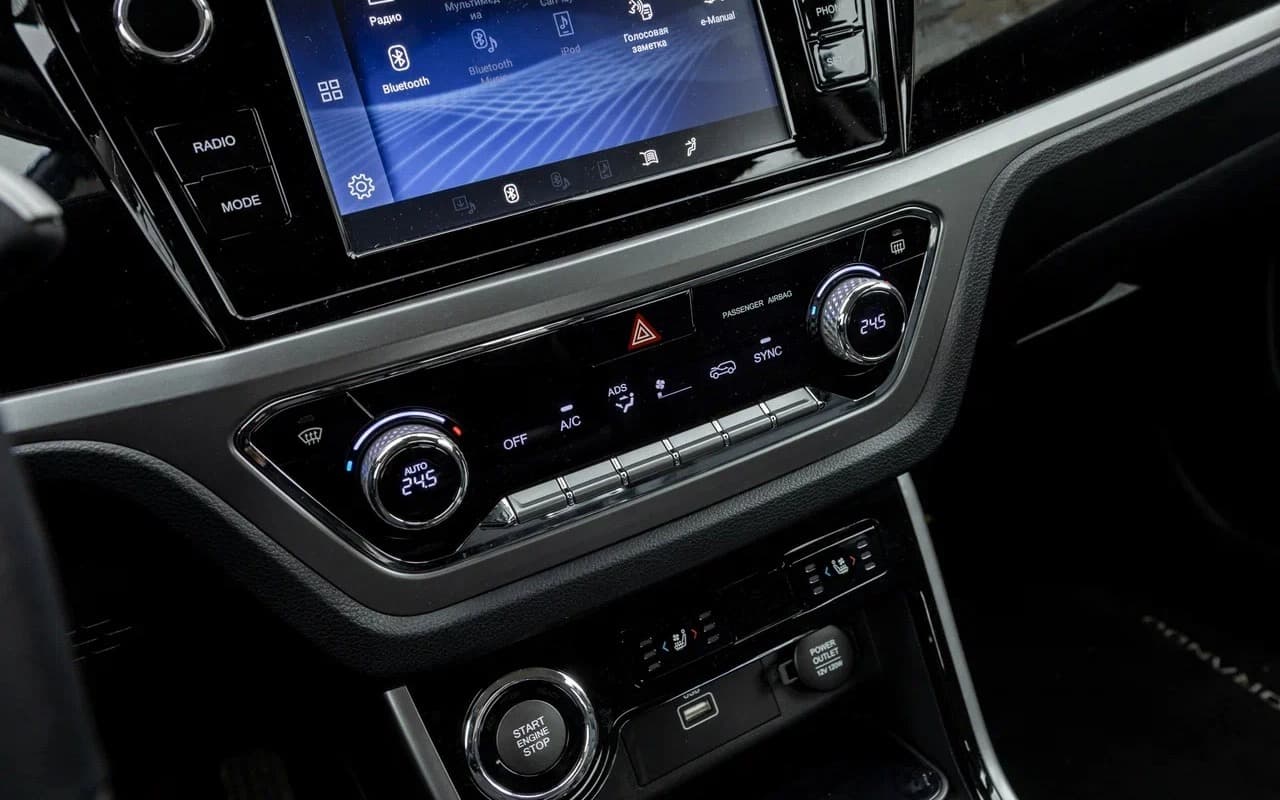
In terms of equipment, Korando does not look poor: heated and ventilated seats, heated steering wheel, a modern driver assistance complex, including lane keeping and adaptive cruise. This is a set that eliminates the feeling of "budget" and makes the car convenient in everyday use.
The main question is the price. The front-wheel drive version costs about 3.4 million rubles, and all-wheel drive raises the cost to almost 4 million. For this money, the market offers many options, including the latest Chinese models with spectacular interiors and impressive electronics. Korando relies on something else: clarity, an honest approach to equipment, one of the best trunks in the class and a seven-mile supply of practicality.
With all the nuances - suspension stiffness, modest dynamics and unpretentious design - this crossover remains an option for those who need a reliable, understandable and predictable car without decorative excesses. It does not chase beauty for the sake of beauty and does not try to seem what it is not. And this is exactly what may appeal to those who are tired of the demonstrative effects of new models.