Calling the Aston Martin Bulldog simply a unique prototype is an insult to its concept. This car is a true manifesto of British engineering, an attempt to build the fastest road car of its time, even before the word "hypercar" appeared.
When no one thought that a production car could accelerate to 200 mph (322 km/h), Aston Martin engineers were already designing a car capable of proving that the brand is not just about luxurious seats, a signature V8 roar, and leather interiors. They wanted to show the world aerospace-level expertise - technologies ahead of an entire era.
Economic challenge and bold response
The late 1970s were a difficult period. Aston was close to bankruptcy, but at the same time - incredibly creative. To survive, the company needed to attract serious investors: from oil states and industrial concerns to government technology programs.
The Bulldog was conceived as a showcase of engineering potential, an iron argument: "We are capable of creating cars of the future."
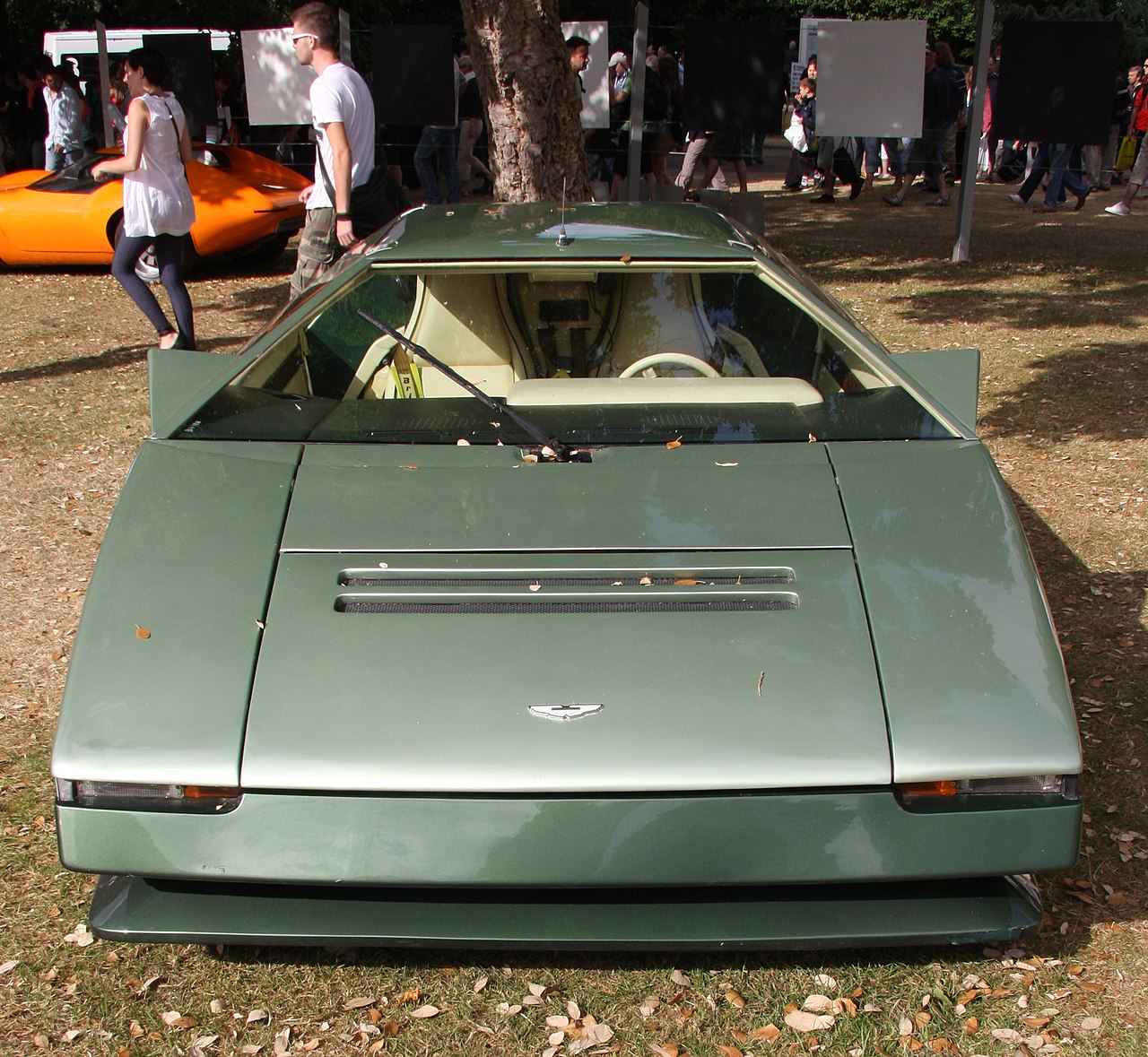
Not a show car for the sake of an impressive stand - but proof of capabilities. The plan was simple: officially reach 200 mph, confirm the reproducibility of characteristics, and release a limited series for customers.
The common figure is 25 units. This was not a fanciful, but a realistic forecast from the sales department, if the speed goal was achieved.
What went wrong
Financial problems finished off the program: Aston Martin Engineering closed down without managing to move on to the second phase of development. The Bulldog remained a loner.
But the story did not end there. The car still reached the cherished 200 mph - albeit much later. In 2023, after years of restoration by Classic Motor Cars, the Bulldog officially proved what it was built for. 44 years later.
Innovation, not posing
The Bulldog was progressive not for the sake of shocking. Everything was dictated by aerodynamics and functionality:
- strict flat panels - for minimal resistance
- gull-wing doors - not a fashionable gesture, but a way to keep smooth sides
- digital dashboard and hidden buttons - an early step into the future of automotive electronics
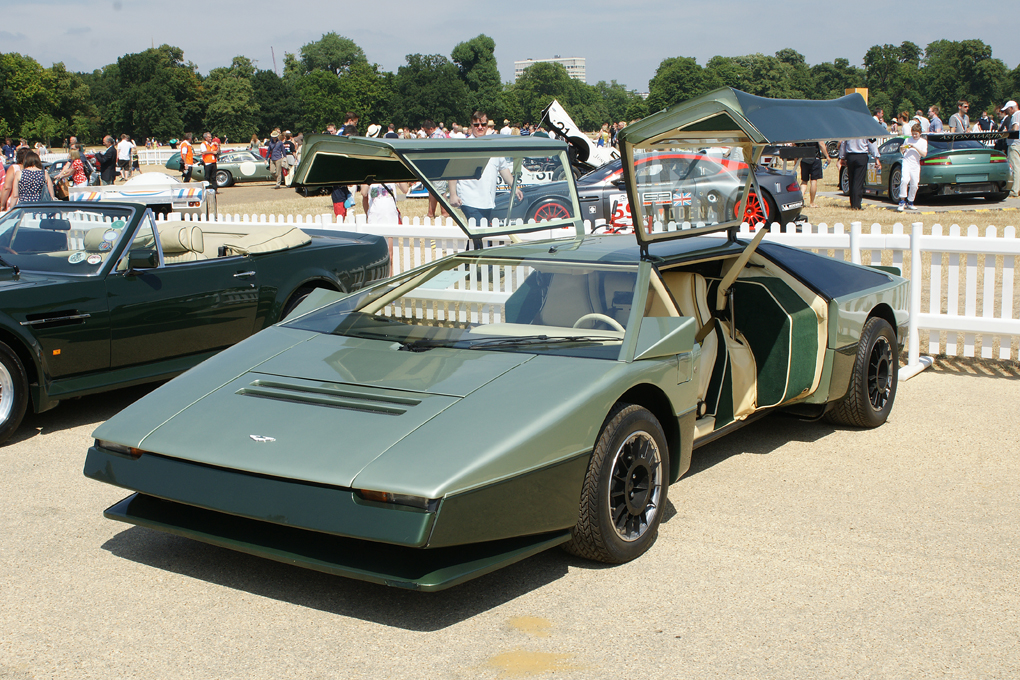
And most importantly: a turbocharged Marek V8. Aston announced 700 hp as the goal - a figure that has become entrenched in legends. But real tests showed about 600 hp. The potential to unlock the boost was never realized.
A connecting link that the world underestimated
The Bulldog is the foundation on which the McLaren F1 would later stand. It was this engineering rigor, aerodynamic testing, and structural safety margin that made the birth of "new school" hypercars possible.
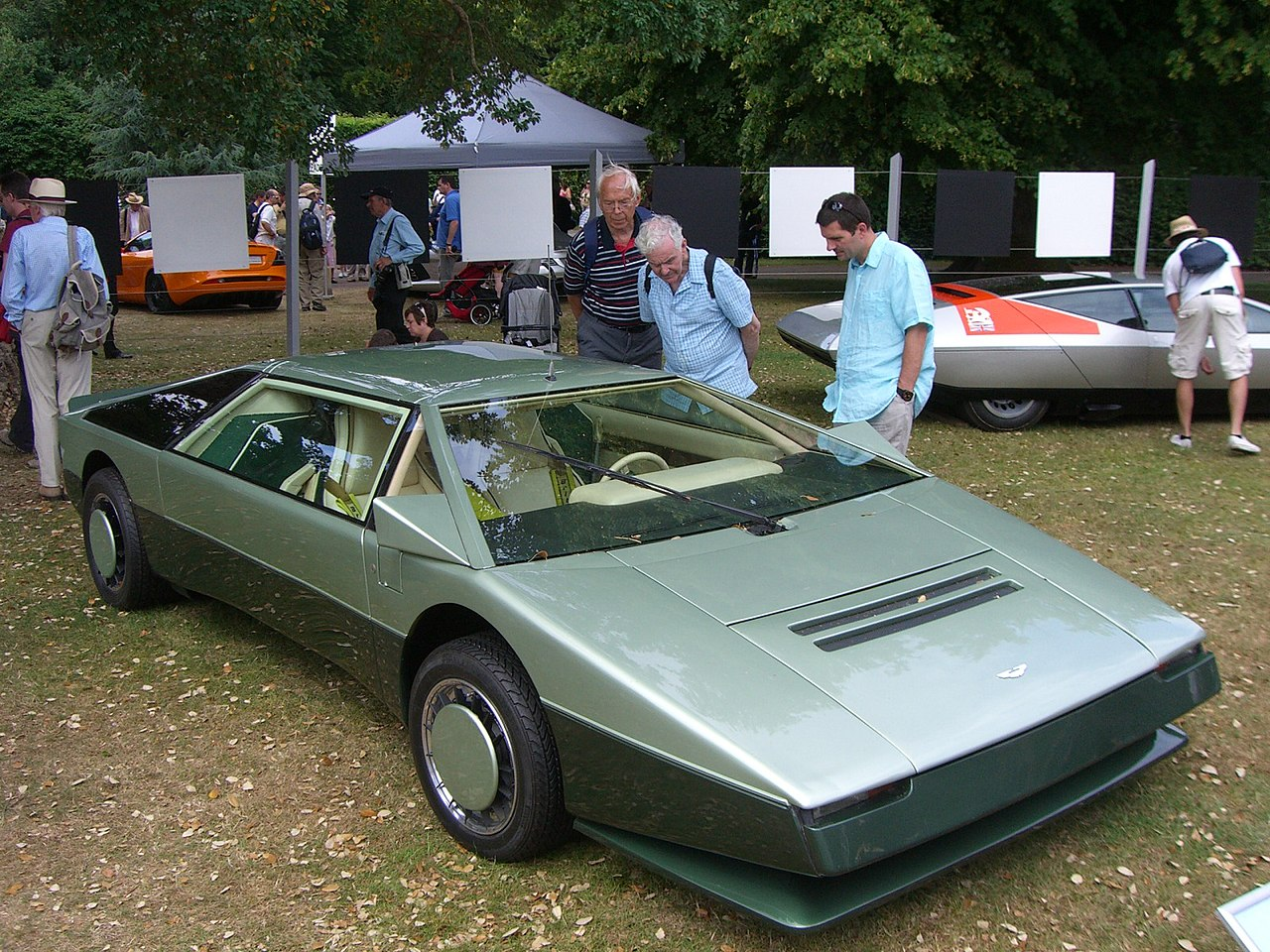
Even the officially recorded 191 mph (307 km/h) was achieved with a margin in settings. The Bulldog could do more. And it is the untapped potential that makes it iconic among engineers.
If the program had been completed, the rating of "halo brands" of the 80s would have looked very different. Porsche, Ferrari, Lamborghini would have received a strong competitor in the face of Aston Martin.
The car that was ahead of its time
The Bulldog proves: Britain understood perfectly well what the car of the future would be like. But without capital and production power, a dream does not always turn into a mass product.
This Aston is an unrealized future, captured in aluminum. That's why it is remembered. That's why it is not a footnote in history, but a thesis without an answer, a hypercar before the advent of hypercars.
Read more related materials:
- The new tire reality: what is hidden behind Chinese brands
- The new Russian: how Tenet cars are assembled
- 10 masterpieces of Alfa Romeo: the most beautiful cars in the history of the brand
Комментарии