For decades, the French automotive school followed a unique path, not so much opposing the world as offering alternative engineering solutions in the pursuit of comfort, efficiency, and safety. Many of these solutions seemed unusual, but later became standard in the industry.
Below are five key technologies in which France systematically differed from the entire global automotive industry.
Yellow Headlight Bulbs (Selective Yellow)
Period of validity: 1936-1993
France was the only country in the world to legislate the use of yellow headlights. This was an engineering decision based on optics:
- The yellow spectrum scatters less in fog and rain, giving the driver improved visibility in bad weather.
- The light is less dazzling to oncoming traffic, increasing safety.
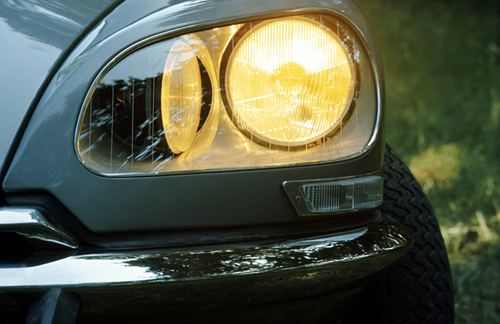
The decision was overturned when EU standards were unified, although it was functionally justified and quite progressive for its time.
Citroën Single-Spoke Steering Wheel
First used on the Citroën DS and later on the CX, GS, and XM.
Engineering reasons:
- Improved visibility of the instrument panel - the spoke does not block the gauges.
- Early development of passive safety: in the event of an impact, the spoke deforms, reducing the load on the driver's chest.
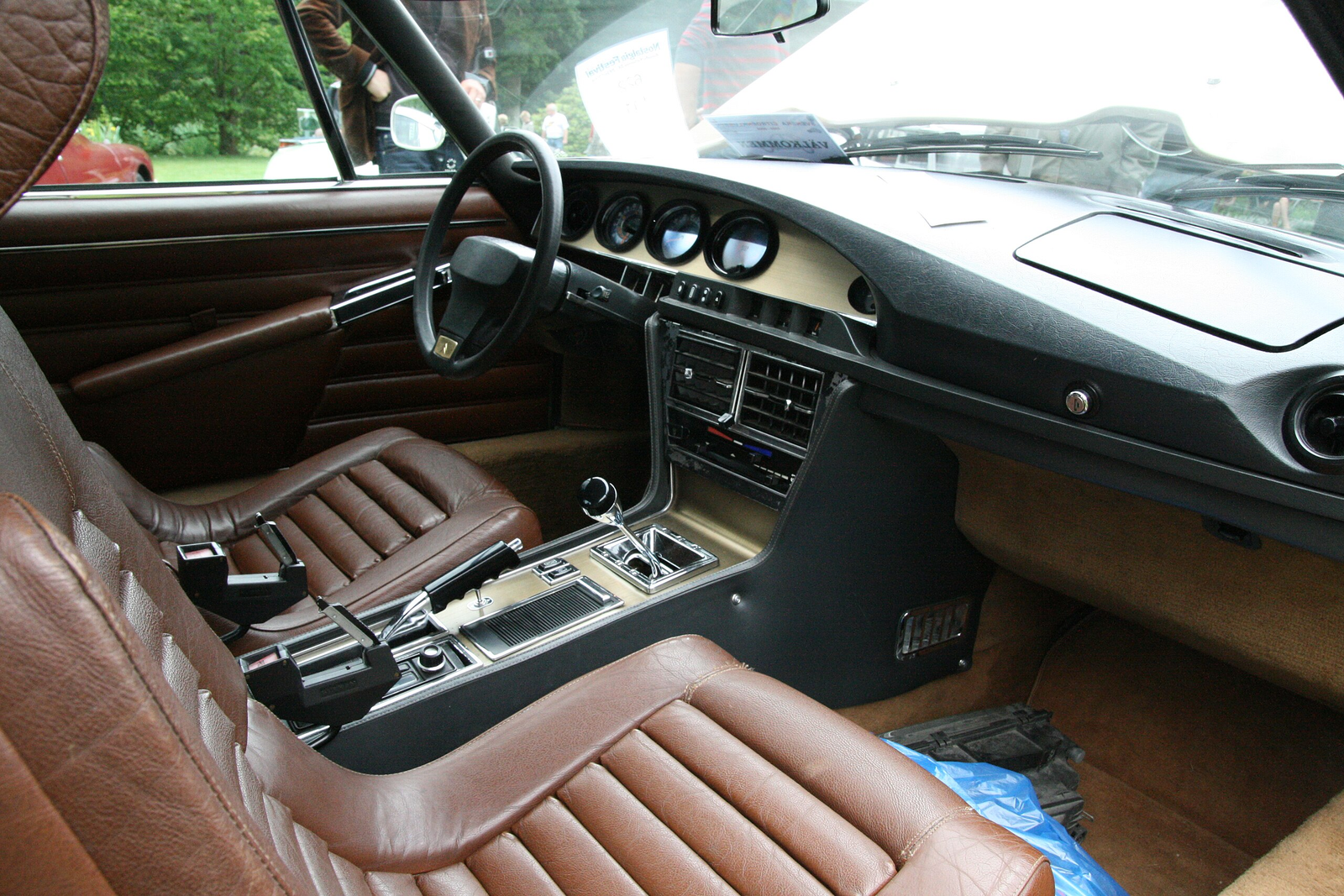
Citroën viewed the steering wheel as an element of an energy-absorbing structure when passive safety was just beginning to be discussed.
"Champignon" Brake Button Instead of a Pedal
Used in Citroën DS and SM with high-pressure hydropneumatics.
Key principle: control not by pedal travel, but by the amount of pressure on the surface.
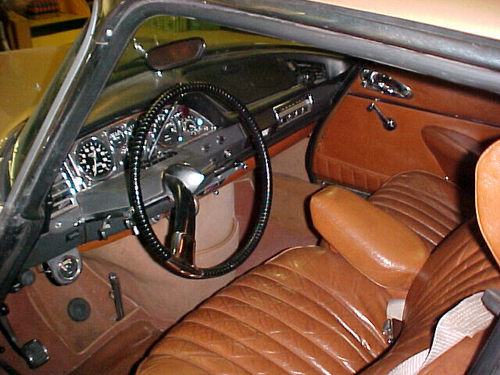
Advantages of the system:
- minimal stroke → high response speed
- integration with the common hydropneumatic circuit
- braking stability with changes in load and clearance
An unfamiliar driver required adaptation, but in terms of effectiveness, this system was ahead of its time.
Horn on the Steering Column Switch
Used in Renault and PSA cars up to the 2010s.
Engineering motives:
- no sliding contacts → fewer points of failure
- cheaper and simpler steering wheel layout without a horn module
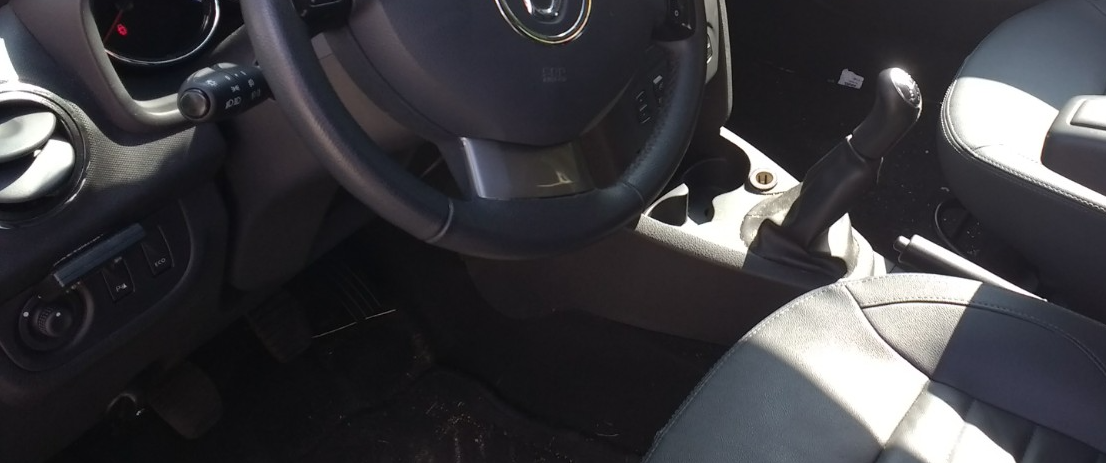
The disadvantage was in the ergonomics: the natural reaction of a driver in danger is to press the center of the steering wheel, so the solution is a thing of the past.
Wheels with Three Bolts
Typical for Peugeot 106, Citroën AX, Saxo, etc.
Engineering logic:
- reduction of hub mass → reduction of unsprung mass
- simplification of design and resource savings
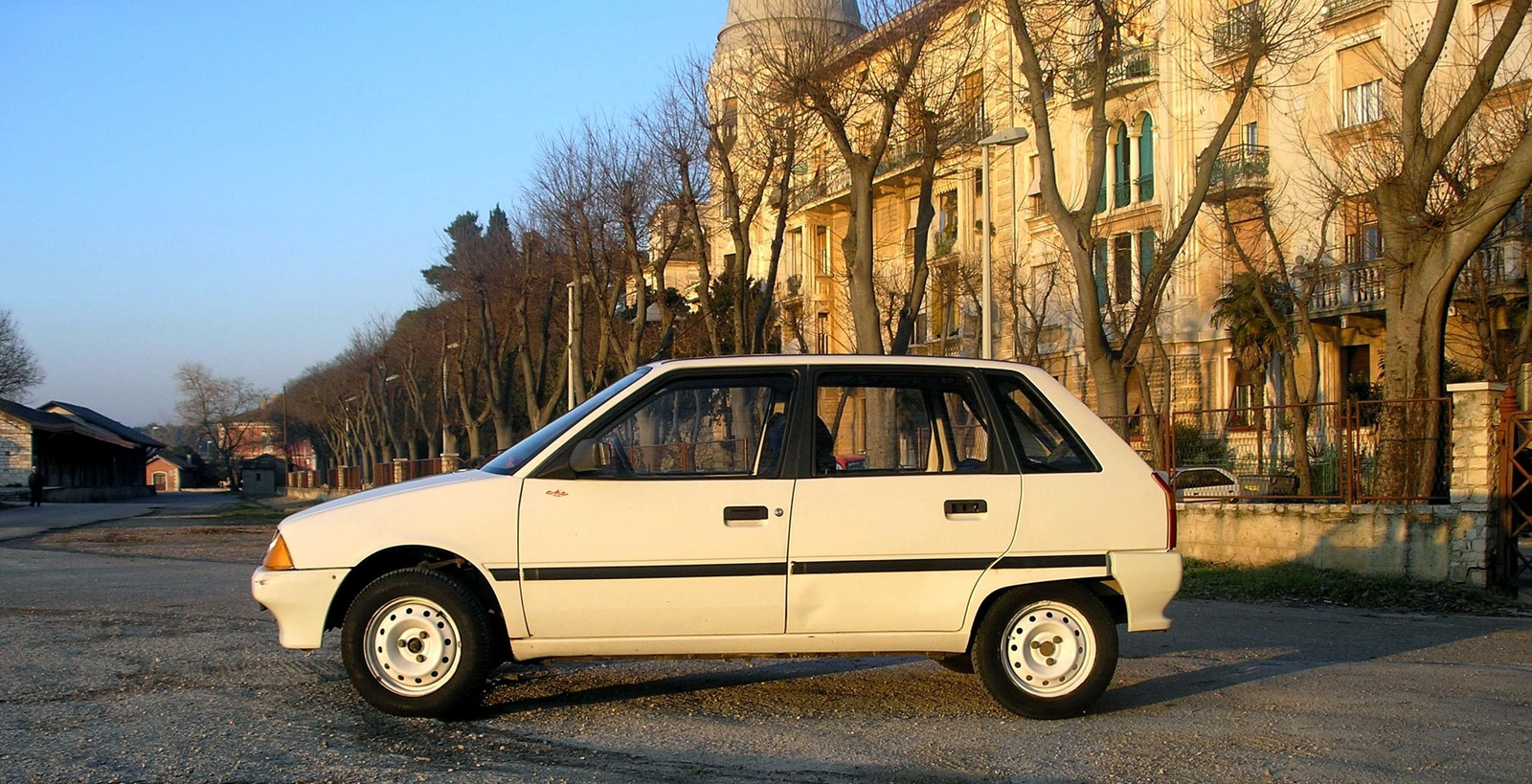
For light cars, a three-point mount was strong enough, although it raised questions about compatibility in services.
The French automotive industry has historically viewed the car as an engineering experiment, where:
- driver and passenger comfort is a priority
- the search for alternatives is the norm
- standardization is a limitation, not a goal
Not all solutions caught on, but many were ahead of their time: hydropneumatics, advanced suspension designs, safety - that's what Citroën and Renault became famous for.
Read more related articles:
- Why engine power is measured in horsepower
- Honda Pilot 2026: more technology, quieter interior, fresh design
- Aston Martin Bulldog: the forgotten ancestor of hypercars
Комментарии