Volkswagen XL1 is one of the most unusual hybrids of the 21st century: a compact two-seater car created for one purpose - 100 km on one liter of diesel. For the sake of such efficiency, engineers had to rethink everything: from body materials to the seating arrangement.
A car that was ahead of its time
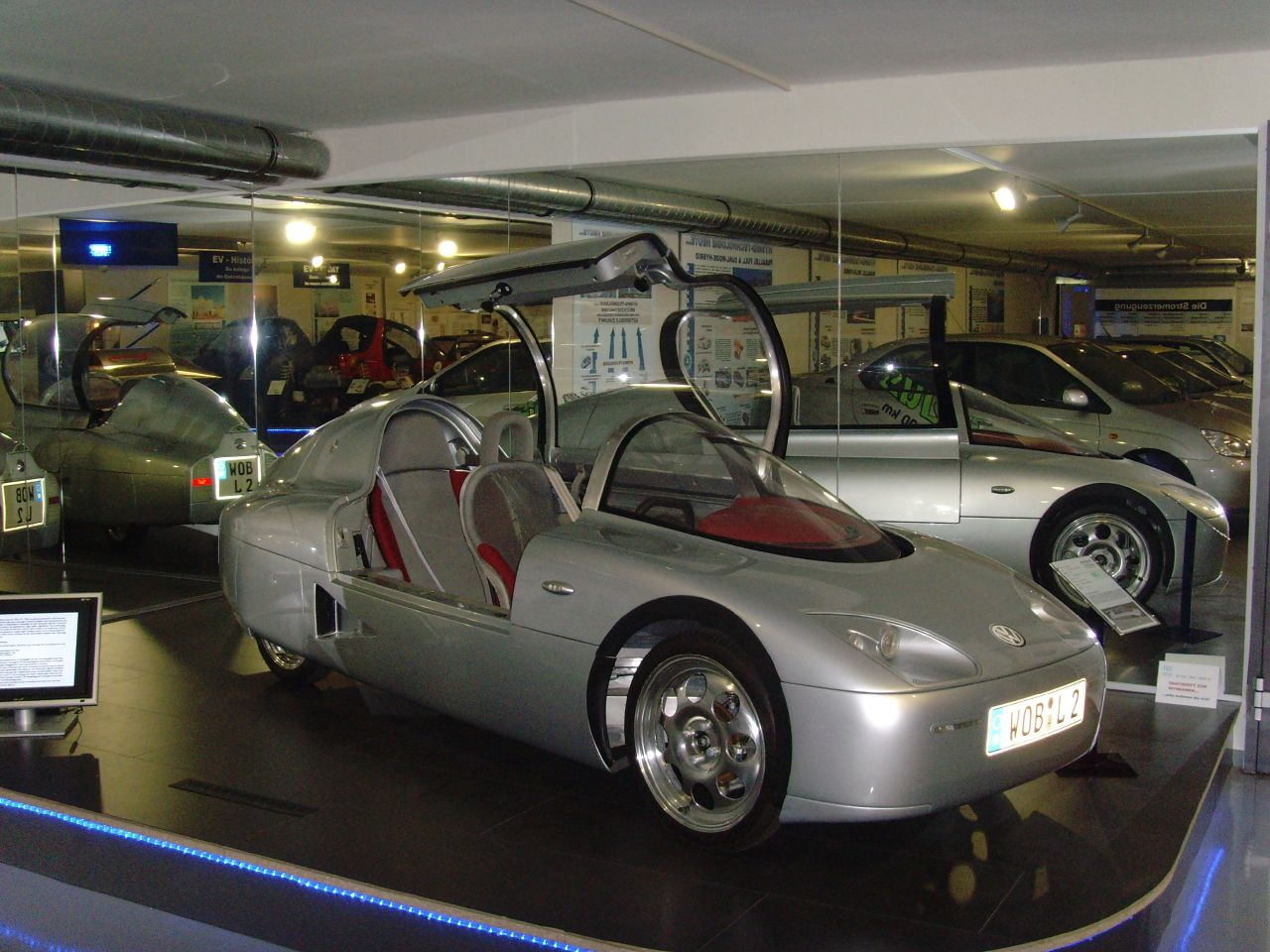
The project has been developing since the early 2000s. The first "one-liter" prototype was personally shown by Ferdinand Piech, then head of the concern, driving from Wolfsburg to Hamburg in 2002. The concept was refined: in 2009 it became the L1, and by 2011 it took shape in the final XL1 design.
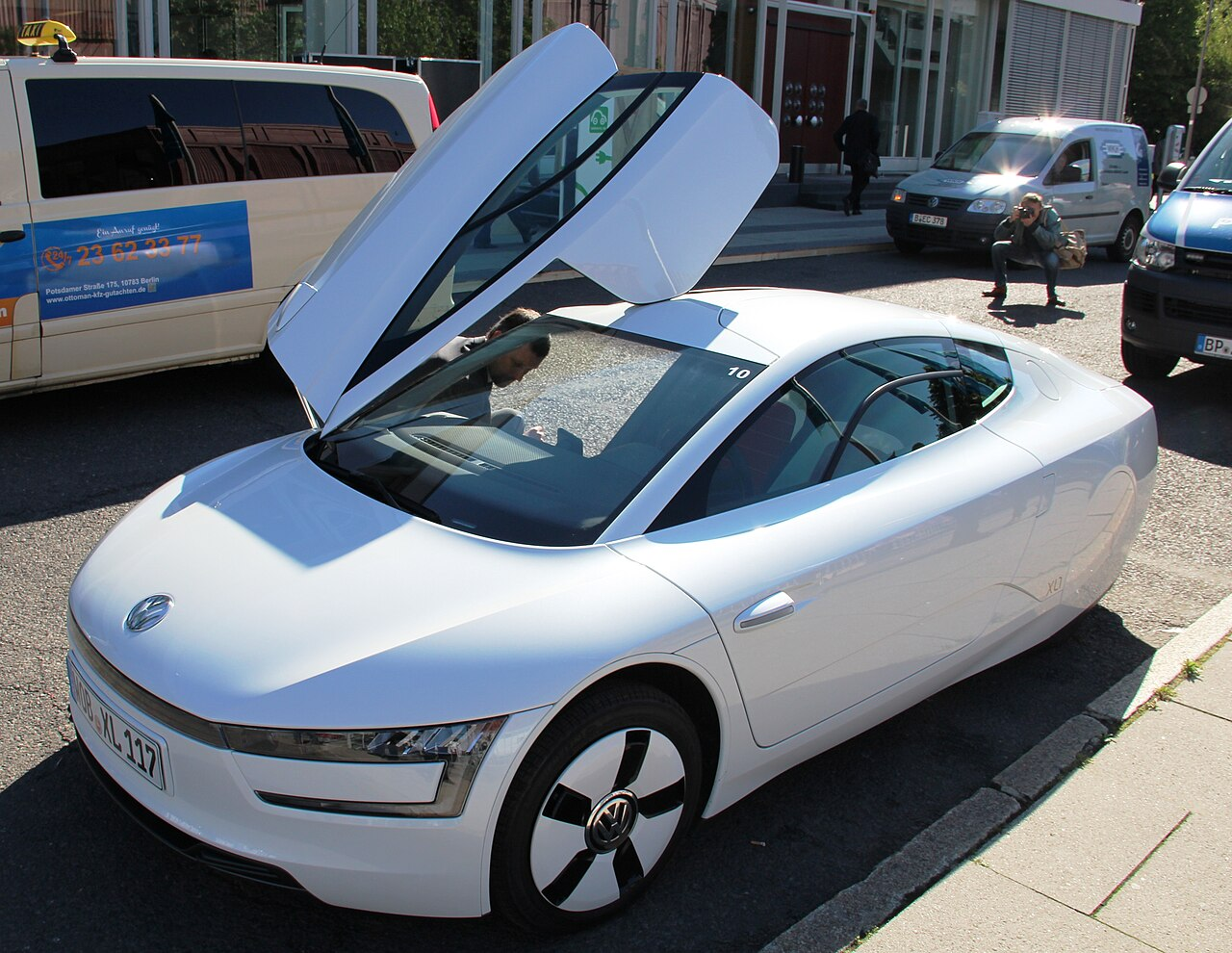
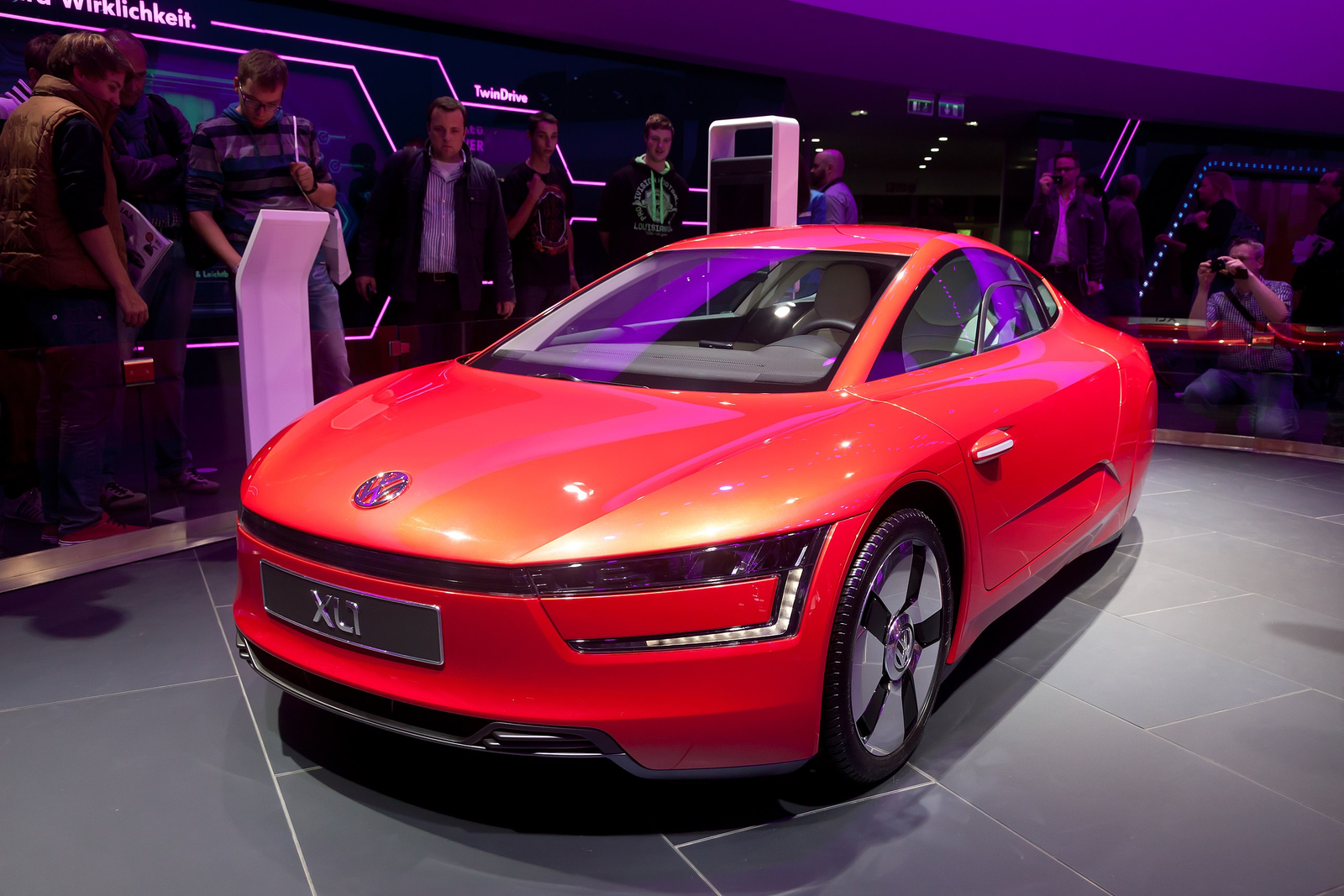
Serial production started in 2013 - only 250 copies. The cost was also "exclusive": from 111,000 euros. The car could only be bought in Europe, and the first owners received their XL1 in the summer of 2014.
Efficiency as a religion
The hybrid drive system includes: a single-cylinder diesel engine with a volume of 0.8 liters (299 cm³) with a capacity of 8.4 horsepower (6.3 kW), an electric motor and a 5.5 5.5 kWh battery. The range on electric traction is up to 50 km.
The joint operation of the units allows you to achieve a consumption of 0.9 l/100 km - an indicator that still seems fantastic today.
The transmission is performed by a 6-speed DSG variation without a clutch pedal - the gear is selected by electronic switches. The engine can turn off when braking and start again when the accelerator is pressed.
Aerodynamics against the rules
To reduce air resistance, the engineers went to experiments: two seats are arranged in tandem, as in a fighter, there are no mirrors - they are replaced by cameras, the rear wheels are recessed inward, the wings are closed, the bottom is completely smooth, the flaps for cooling the engine open only when necessary.
The result is a drag coefficient of Cd = 0.159. For understanding: in ordinary cars it is in the range of 0.30-0.40.
The dimensions are also compact: L × W × H - 3.47 × 1.25 × 1.10 m, trunk - 80 l.
Carbon + safety
The body and monocoque are made of composites with an eye to deformation zones and protection against rollover. The location of the seats has strengthened side protection - in terms of safety, Volkswagen compared the XL1 with GT racing cars.
The list of systems includes ABS, electronic stabilization and airbags with pressure sensors.
Volkswagen XL1 is not just a small-scale hybrid, but a showcase of technology, where every gram and every turn of air serves one task: to save. This is a rare example of when a mass auto giant made an experimental car without regard to compromises.
Read more materials on the topic:
- Why engine power is measured in horsepower
- Honda Pilot 2026: more technology, quieter interior, fresh design
- Aston Martin Bulldog: the forgotten ancestor of hypercars
Комментарии