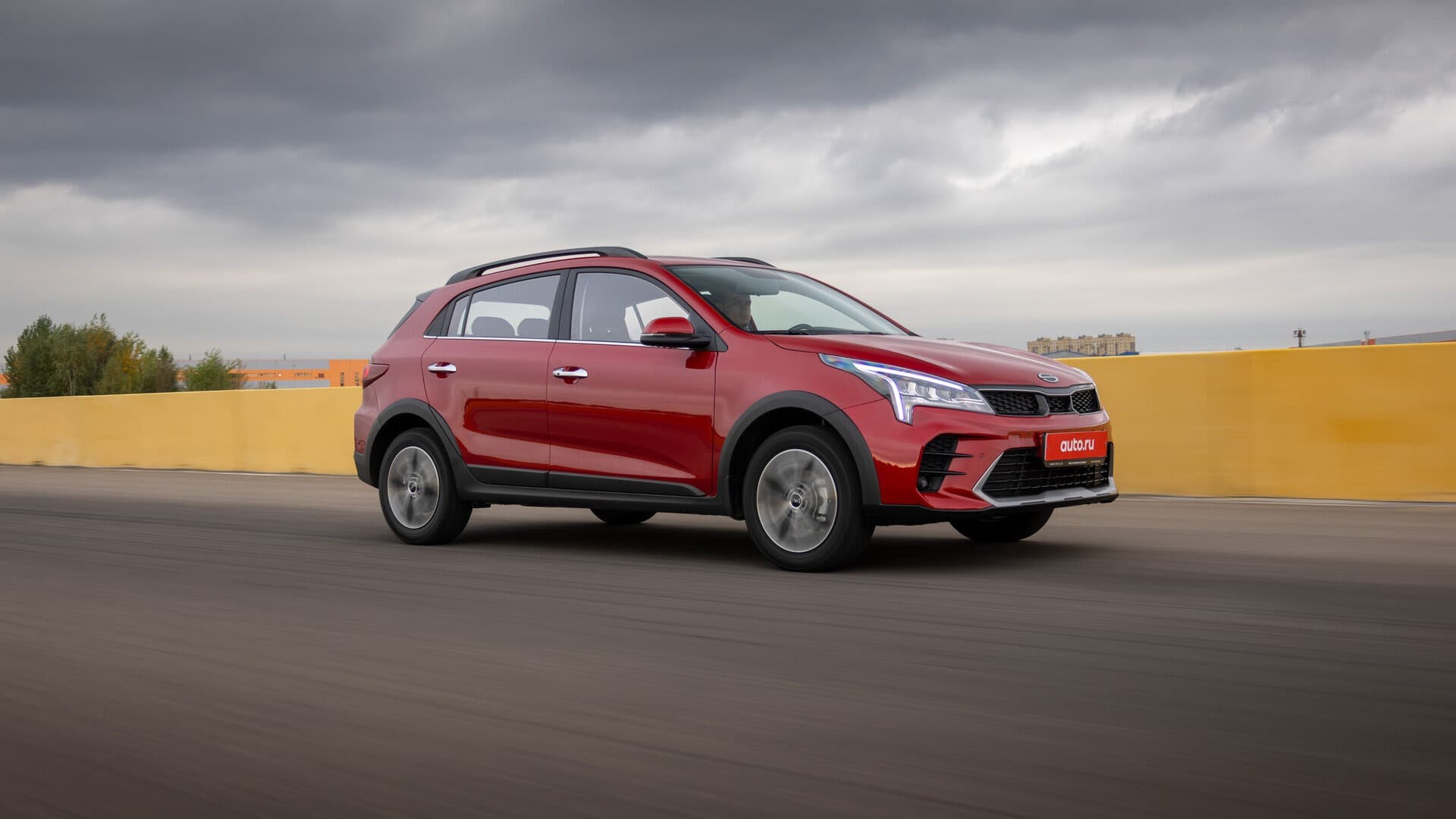
Solaris KRX is a Kia Rio X that didn't leave Russia but simply changed its badge and underwent another "restyling" in the form of a new brand. The car is assembled in St. Petersburg from old-new warehouse stocks, and it is essentially the last opportunity to buy a time-tested Korean car in a "raised hatchback" body style - a format that has practically died out. For the review, we took the top-end Prestige version for 2,758,000 rubles and drove several hundred kilometers to understand: is the price of almost three million justified for a car born in 2017?
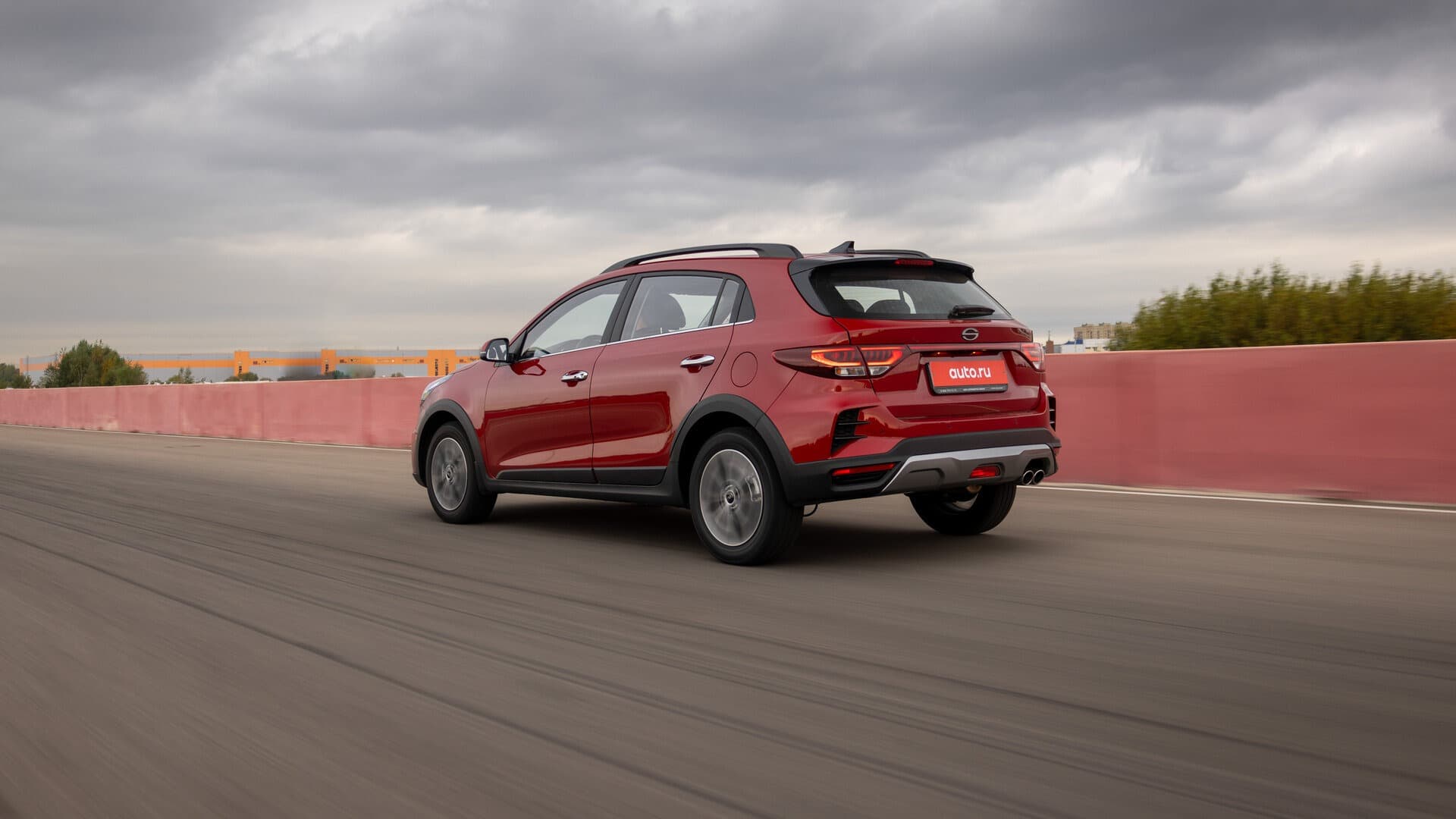
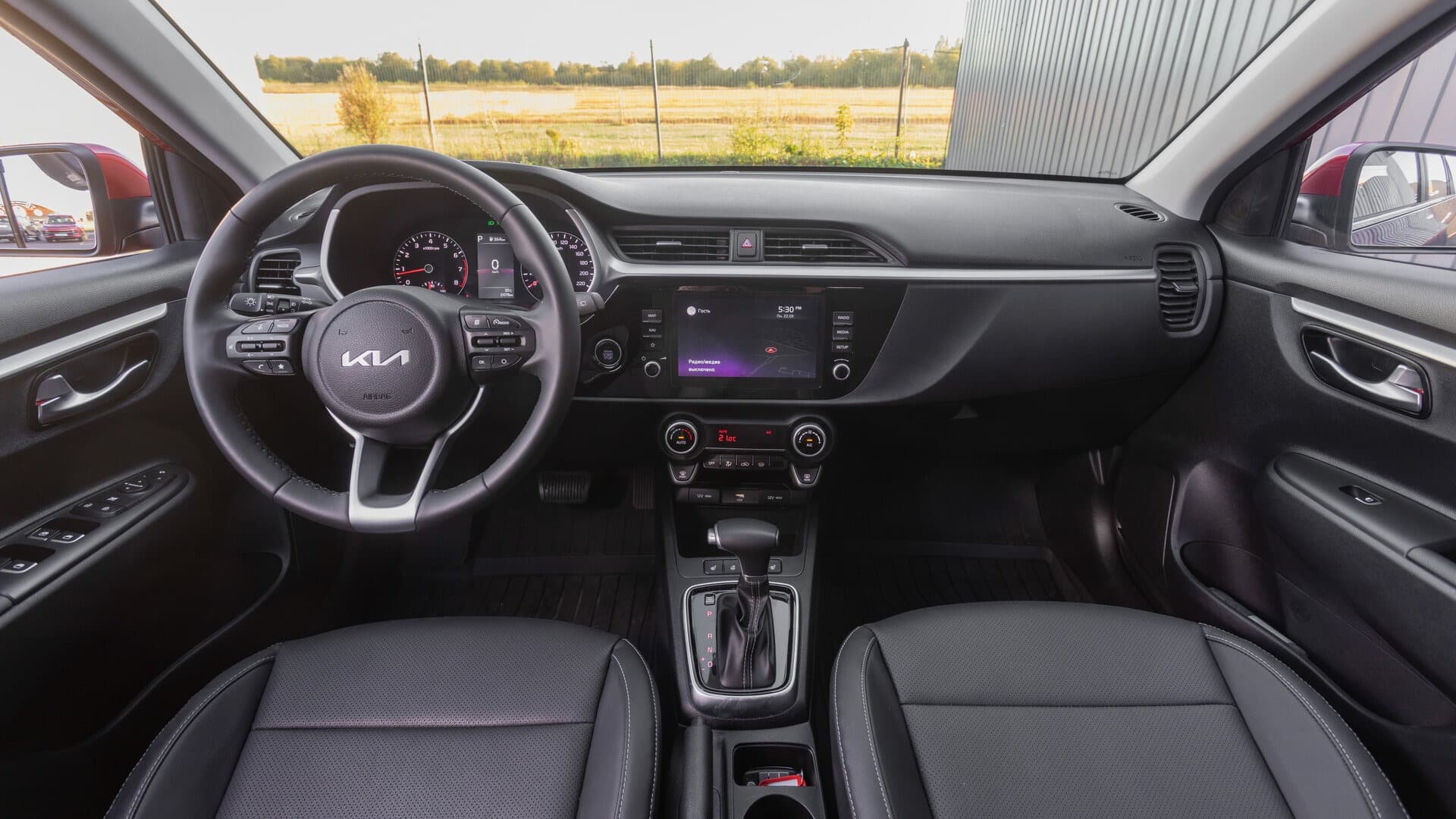
Externally, the KRX has hardly changed in the last eight years, which is more of a plus - the Rio X design still looks neat and not flashy. Nine body colors, including bright red and orange, allow you not to feel like a gray mouse. But inside - complete déjà vu: the same "turbine" deflectors, the same buttons and knobs, the same 8-inch media system screen, which looks like an artifact in 2025. But this is where the main trump card of Solaris lies: the ergonomics are perfect. Everything is in its place, everything is clear from the first touch, nothing needs to be searched for in the depths of the menu. Heated seats - with buttons, climate - with knobs, mirrors - with a joystick under the left hand. After Chinese cars with sensory "everything," you can relax here.
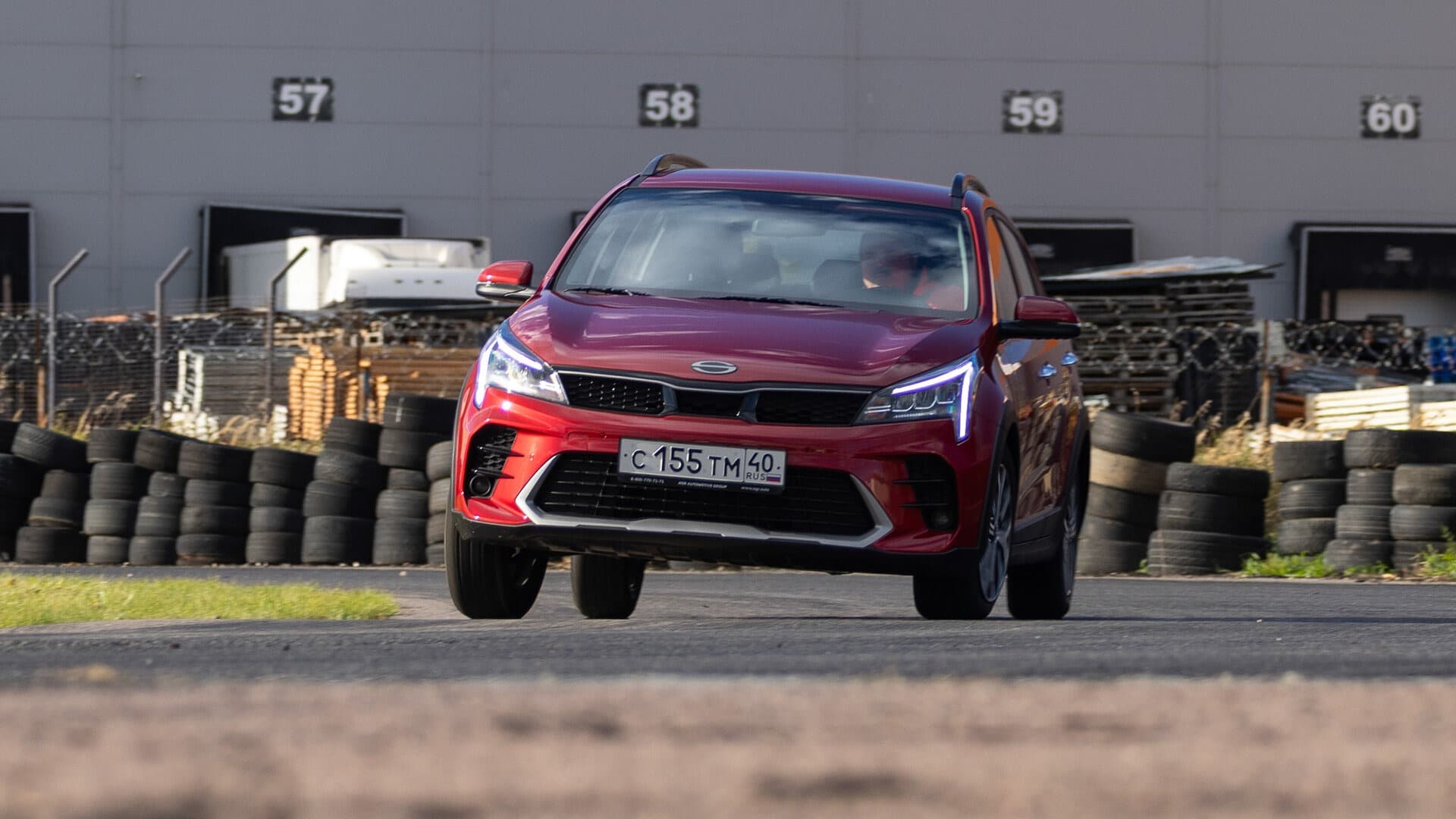
The seats are comfortable and with good lateral support, the steering wheel is adjustable in two planes with decent travel, the armrest moves back and forth. The plastic is hard everywhere except for the steering wheel and automatic transmission selector, but it is assembled neatly and does not creak. But the top version gets leatherette, heated rear seats, cruise control, and six airbags. It's a pity that even for 2.9 million in the Premium version, there is no wireless charging, ambient lighting, and a normal second USB - instead, there are two 12-volt sockets, like in the 2010s.
The second row is a weak spot. There is little space: a person with a height of 185 cm already hits their head on the ceiling, and their knees are close to the back of the front seat. It is unrealistic to fit three people in the back due to the high tunnel. But there is telematics in all trim levels without exception - you can heat the car from your smartphone, and it works quickly and stably. The trunk is 390 liters - deep, with a normal shelf and a full-size spare tire under the floor. Enough for the city and the dacha, but cramped for long trips with the family.
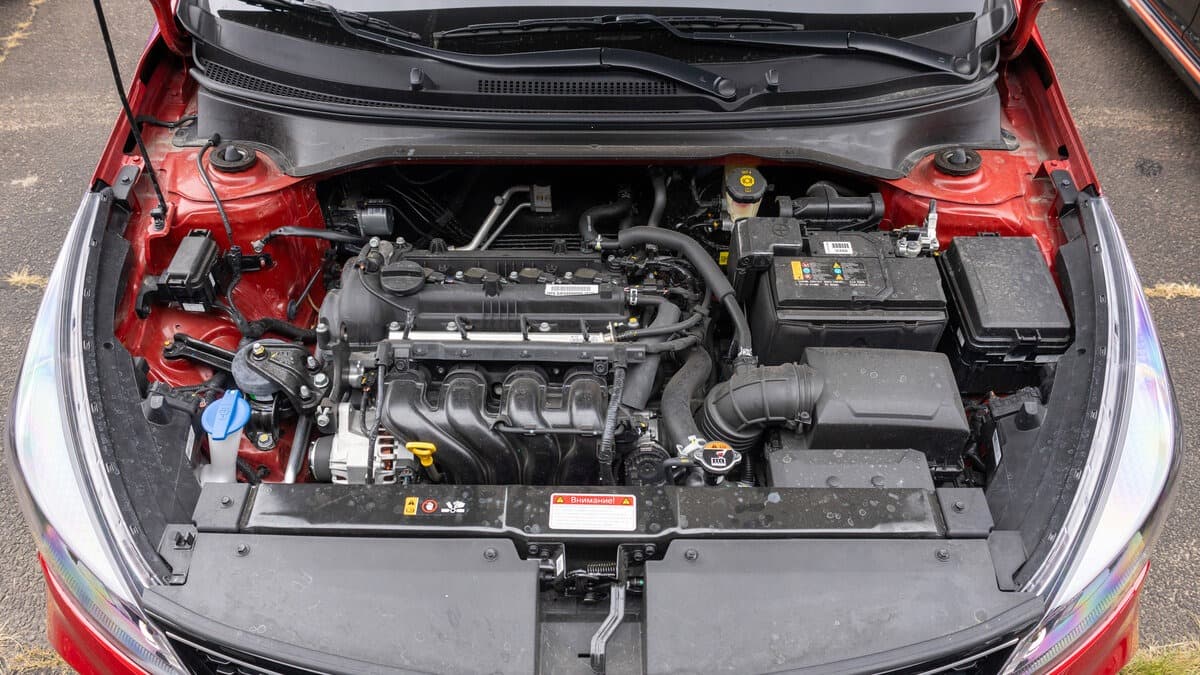
Under the hood is the same naturally aspirated 1.6 (123 hp) and a classic 6-speed automatic. The engine consumes 92-octane gasoline, the lifespan easily exceeds 300 thousand, the gearbox - 250 thousand when changing the oil every 60 thousand. In the city, the dynamics are acceptable: 13.1 seconds to hundreds according to our measurements - not fast, but not annoying either. The automatic transmission is quick-witted, allows manual shifting if desired. The main thing is not to expect drive on the highway: after 120 km/h, overtaking requires calculation and patience.
Handling is a strong point of the KRX. The steering wheel is filled with pleasant effort, the reactions are quick and clear, the rolls are moderate. Compared to most new budget Chinese cars, the Solaris really delivers driving pleasure - light, lively, predictable. The suspension is dense and energy-intensive on medium bumps, but it handles large potholes and joints harshly - the passengers are shaken. Sound insulation is weak: the engine is audible, the arches are buzzing, the wind is howling from 80 km/h. Additional soundproofing is needed immediately after purchase.
Solaris KRX is a time machine from an era when cars were understandable, reliable, and didn't try to look like spaceships. For 2-2.9 million rubles, you get proven units, excellent ergonomics, acceptable handling, and Korean build quality. But you pay for it with a cramped interior, noise, stiff suspension, and the absence of many options that have already become standard even in the segment up to two million. It makes sense to buy for those who are tired of Chinese experiments and want "just a normal car" that definitely won't break down after 50 thousand km. Everyone else is better off looking at fresh competitors - for the same money, they offer much more.