The five sports cars discussed below were created with one idea in mind: to give the driver a sense of confidence both on the asphalt and where the normal road ends. Each of them represents an attempt to combine the dynamics of a sports car with the capabilities of vehicles capable of going off-road.
Aixam Mega Track
In the second half of the 1980s, the French company Aixam, known for its miniature microcars, decided on a daring experiment: to develop a full-fledged supercar. But the engineers went even further - they planned to build an extreme vehicle with off-road characteristics.
The Mega Track premiered at the 1992 Paris Motor Show. For a brand that produced compact cars, the new model's five-meter length seemed almost unreal - about four times the size of the usual Aixam models.
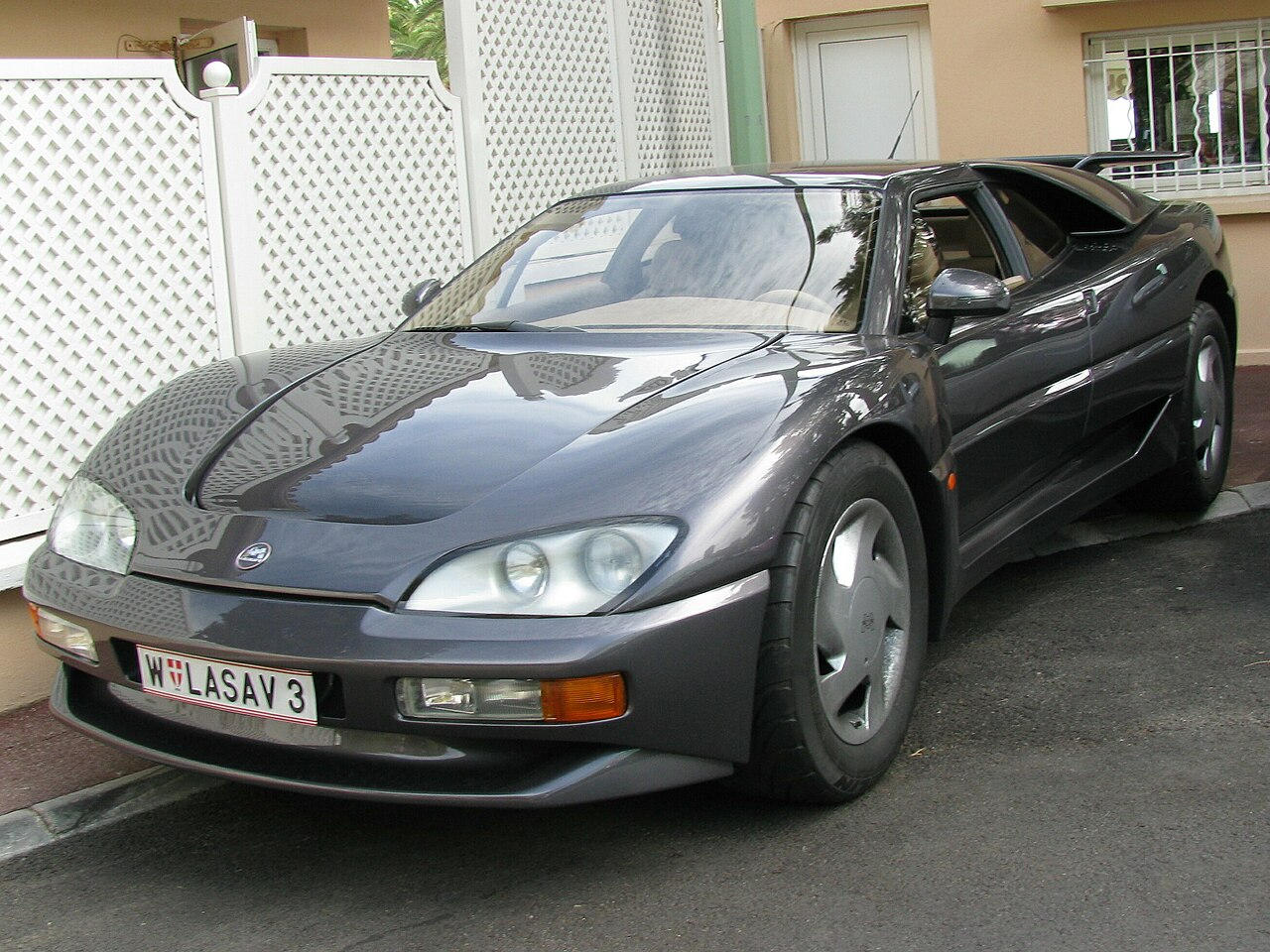
The car received a height-adjustable suspension capable of providing an impressive ground clearance of 330 mm, all-wheel drive, and 20-inch Michelin tires specially created for it.
The central engine location and a powerful 6.0-liter naturally aspirated V12 - a Mercedes-Benz M120 unit with 394 hp - became a forced decision: no French manufacturer at that time could offer an engine with suitable output.
Despite the unusual concept, the Mega Track did not become a mass project. In addition to the exhibition sample, the company managed to manufacture and sell only five cars in three years.
Nissan Trail Runner Concept
By the mid-1990s, Nissan had already established a reputation as a creator of successful sports coupes - the Skyline GT-R, the Z line, and the Silvia. However, at the 1997 Tokyo Motor Show, the Japanese presented a concept that stood out noticeably from the brand's usual paradigm.
The Trail Runner combined features of a sporty two-door coupe and an SUV: large wheels, high ground clearance, and proportions that allow it to feel confident off-road.
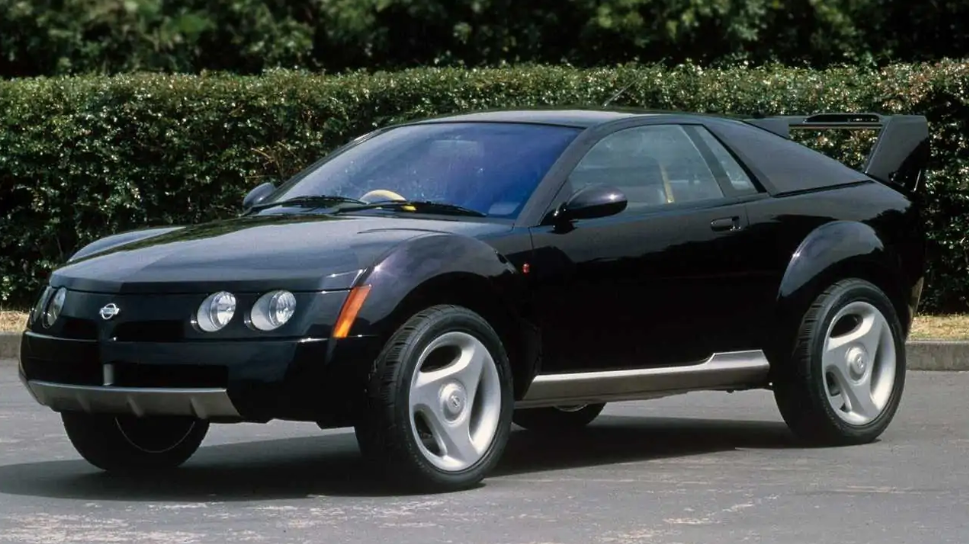
The car was equipped with a turbocharged 1.8-liter inline engine and the proprietary Attesa all-wheel drive system - the same one used on the Skyline GT-R.
Despite positive feedback from visitors and the press, the Trail Runner remained a concept and did not reach the production stage.
Audi nanuk quattro
Audi has long and successfully developed the crossover segment, but in 2013 the company took an unexpected step, presenting a sports concept that only formally belongs to this class.
The nanuk quattro model (lowercase spelling is official) grew out of the Italdesign Parcour, which debuted a few months earlier. It was an extravagant mix of a supercar and a vehicle for traveling over rough terrain.
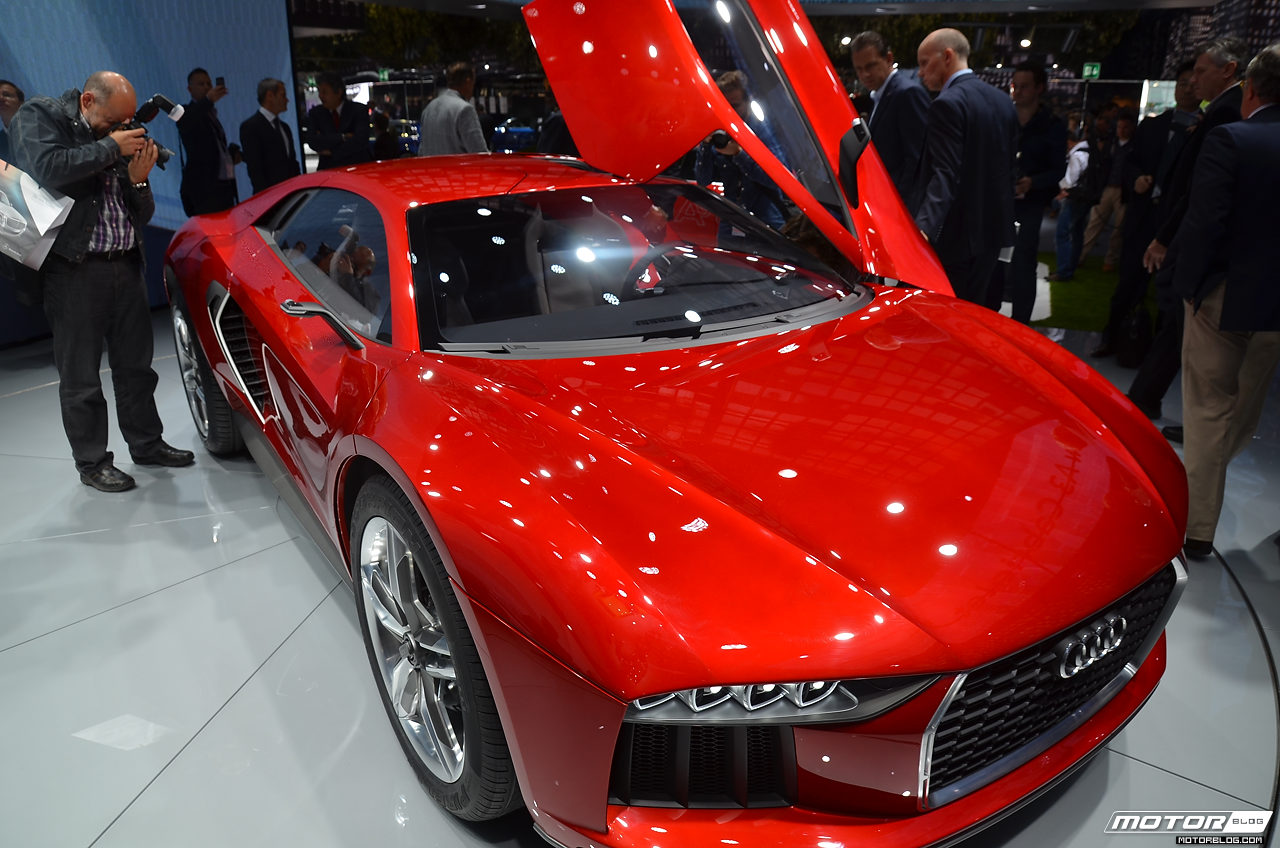
The futuristic silhouette with butterfly doors resembled a reinterpretation of the Audi R8, but in a much more adventurous interpretation.
The concept received the proprietary quattro all-wheel drive, and as a power unit, the engineers chose an experimental 5.0-liter diesel V10 with two turbines and an output of 550 hp - an engine that has no direct relation to the R8 line.
The nanuk quattro never went into production. Audi considered the demand for such cars insufficient, and the subsequent diesel scandal only strengthened the decision to abandon the project. Nevertheless, Volkswagen later introduced two production sports models capable of going off-road - already under the Porsche and Lamborghini brands.
Porsche 911 Dakar
In the 1980s, Porsche sought to bring the 911 to the rally arena, which led to the creation of the all-wheel drive 959. It never entered the battle in Group B of the WRC championship, but became a legend of rally raids, winning the Paris-Dakar.
The road version of the 959, with all its innovative solutions, remained a car designed for asphalt, although it used the same advanced PSK all-wheel drive system.
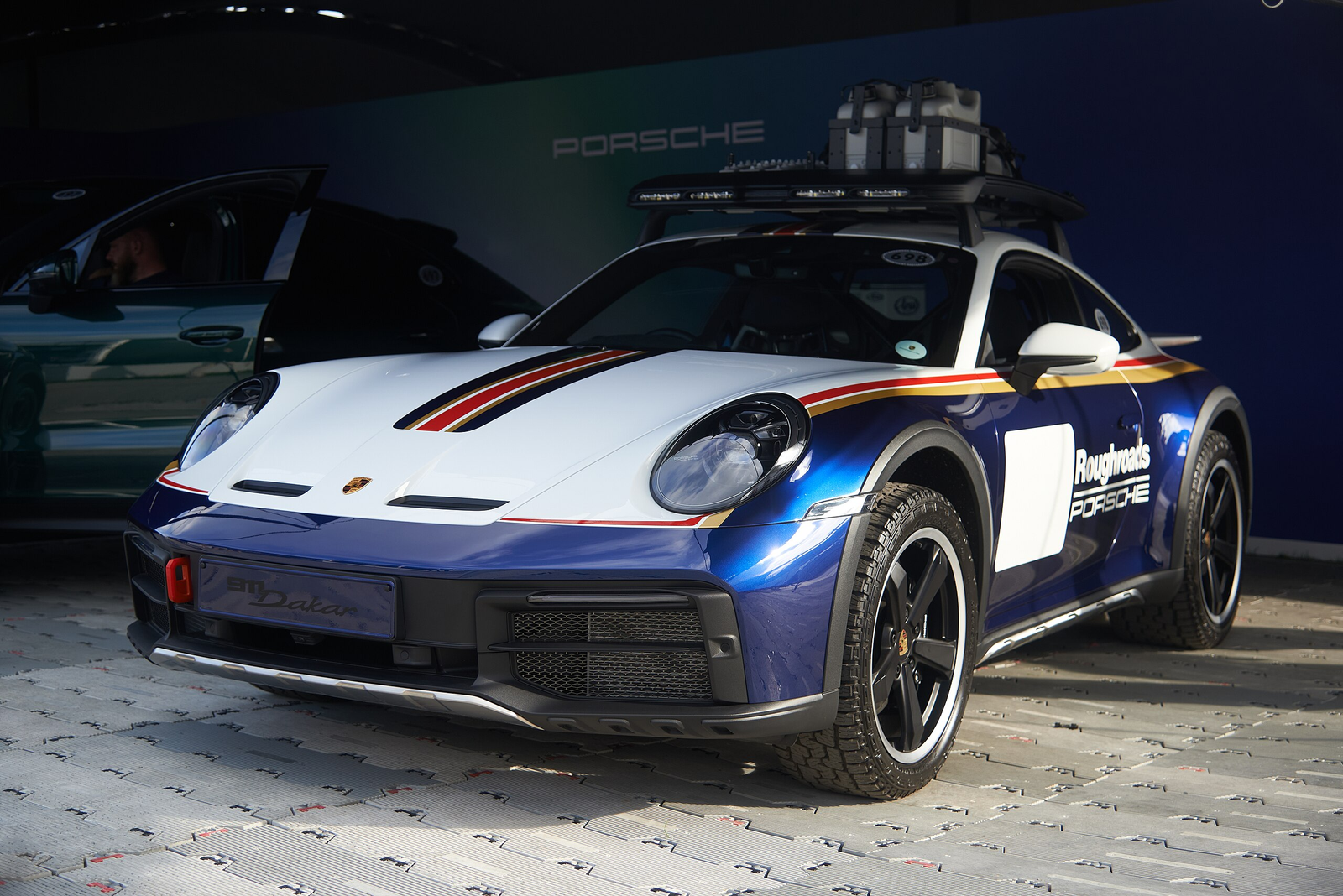
Decades later, in 2022, the company returned to the theme of rally heritage. At the Los Angeles Auto Show, Porsche presented the 911 Dakar of the 992 generation - a model inspired by the combat vehicles of the 1980s.
The car received increased ground clearance and a proprietary three-color paint scheme in the style of historical rally liveries. Under the hood is the same 3.0-liter opposed engine with 473 hp that is on the GTS version.
The limited series became the first production 911 that is officially allowed for light off-roading. However, the model does not involve serious off-road tests - its potential is limited to a moderate increase in ground clearance.
Lamborghini Huracán Sterrato
Lamborghini also decided to test how compatible the sports car format is with off-road driving. In 2019, the company showed the Huracán Sterrato concept - a reworked version of the Huracán Evo with off-road accents.
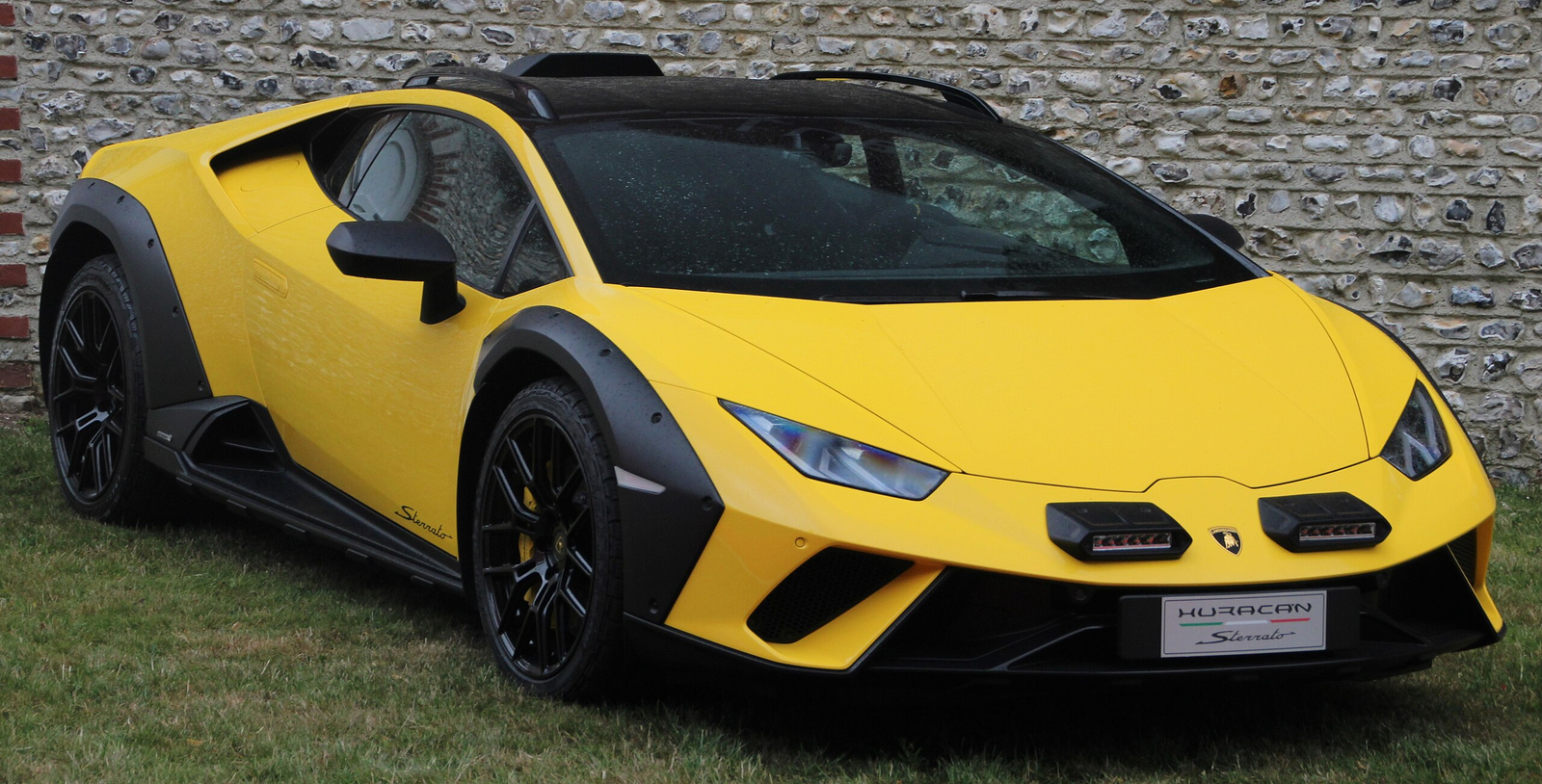
The model was equipped with a modernized suspension: ground clearance was increased by 47 mm. Like the Porsche 911 Dakar, the Sterrato did not pretend to be a real SUV, but offered the opportunity to drive on broken roads.
The unusual concept aroused great interest, and as a result of numerous requests, Lamborghini decided to launch the model into production. Serial production began with the 2023 model year.
The Sterrato retained the main features of the Huracán Evo: a 5.2-liter V10 with 610 hp, as well as unique external elements first shown on the concept.
In the coming years, the Huracán will give way to a new model called Temerario, and it remains only to wait and see if it will receive an off-road variation.
Read more materials on the topic:
- Luxury of its time: what is the Toyota Crown Majesta S150 and why the car was considered almost a presidential sedan
- New Mazda CX-5: evolution of a bestseller, not a race for trends
- Cyberdragon that did not take off: the failure of Great Wall's dream in the EV market
Комментарии