The most problematic crossovers that regularly appear in reliability anti-ratings include Land Rover, Volkswagen and Peugeot models. This was announced by Evgeny Zhitnukhin, commercial director of the Fresh automotive marketplace.
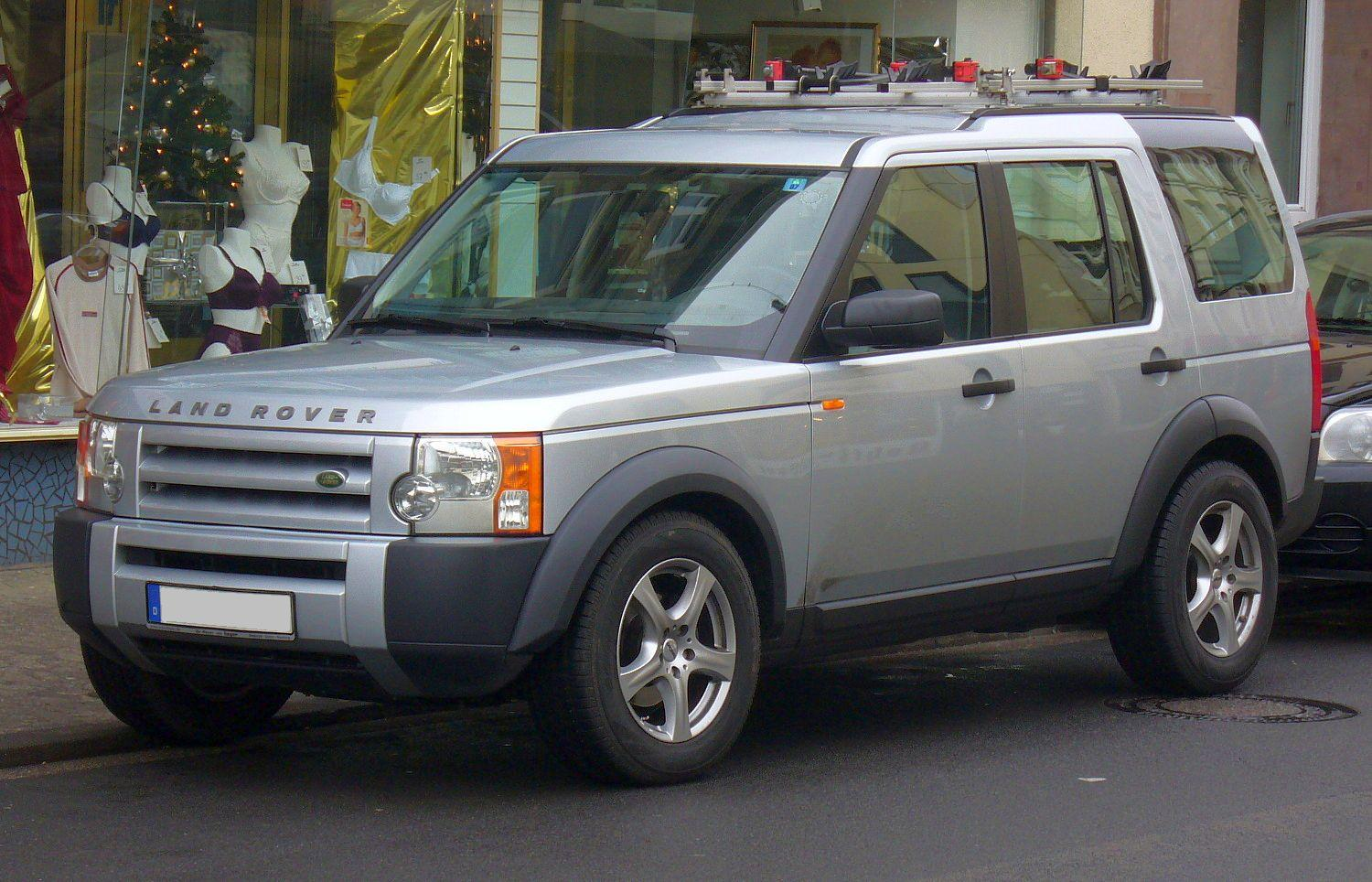
He drew attention to the fact that the Land Rover Discovery of the second and third generations has the most characteristic problem - the failure of electronic systems and transmission. Therefore, by the time the mileage reaches 100 thousand km, there is a risk of problems with the 3.0 liter gasoline engine.
It has increased oil consumption, phase shifters fail, and cooling system malfunctions appear.
Another frequent guest of car services is the first generation Volkswagen Tiguan. Its main disadvantage is the increased oil consumption by turbocharged engines, which can only be solved by expensive repairs.
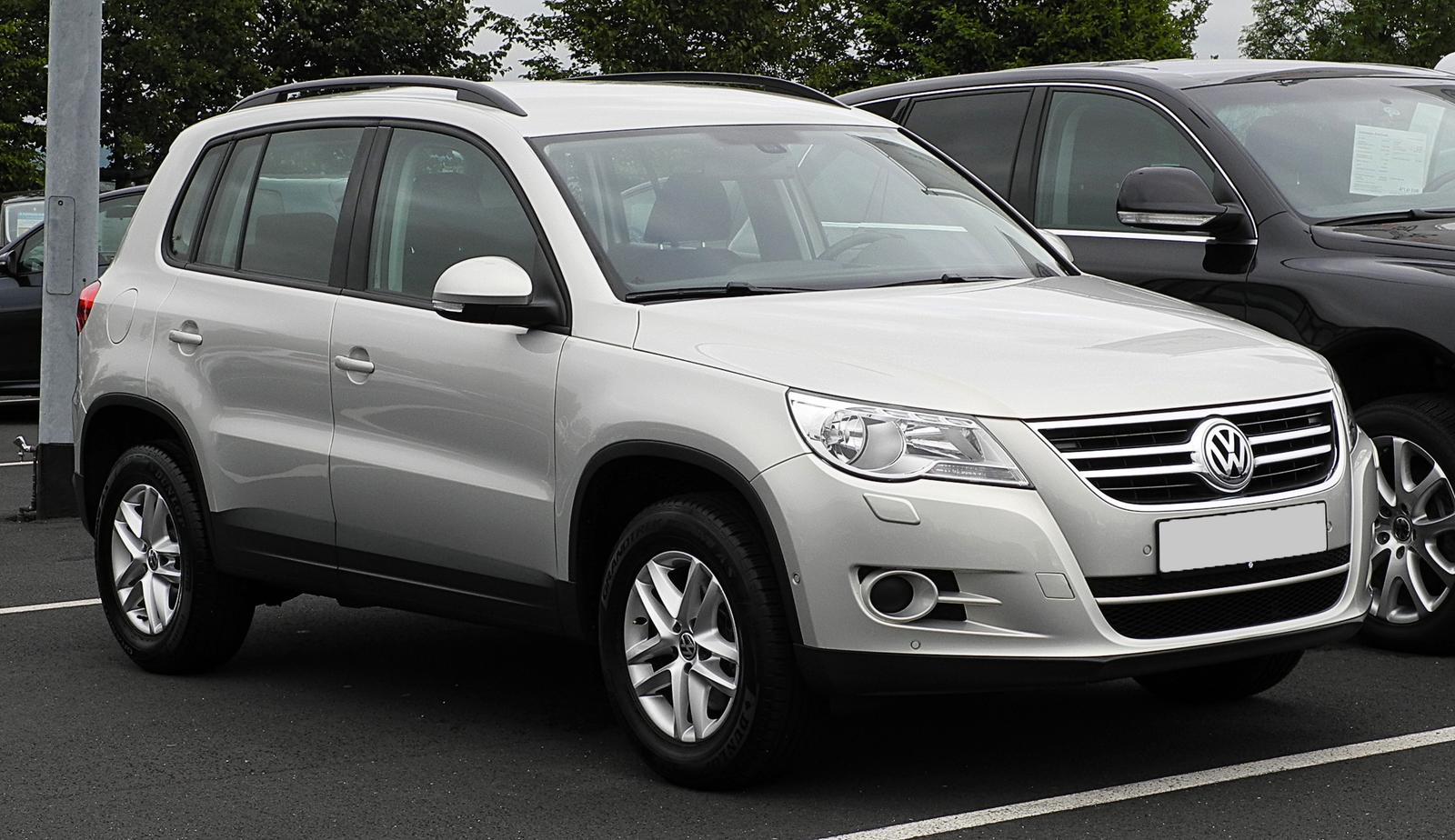
The turbine resource for Volkswagen rarely exceeds 150-180 thousand kilometers. The six-speed automatic transmission is less reliable compared to other classic units.
The third model he named was the first generation Peugeot 2008 with two engine options with a volume of 1.2 liters (EB2) and 1.6 liters (EP6). But they are both unreliable. For example, the 1.6 (EP6) engine has an extremely unreliable timing chain, requiring replacement as early as 50-80 thousand km.
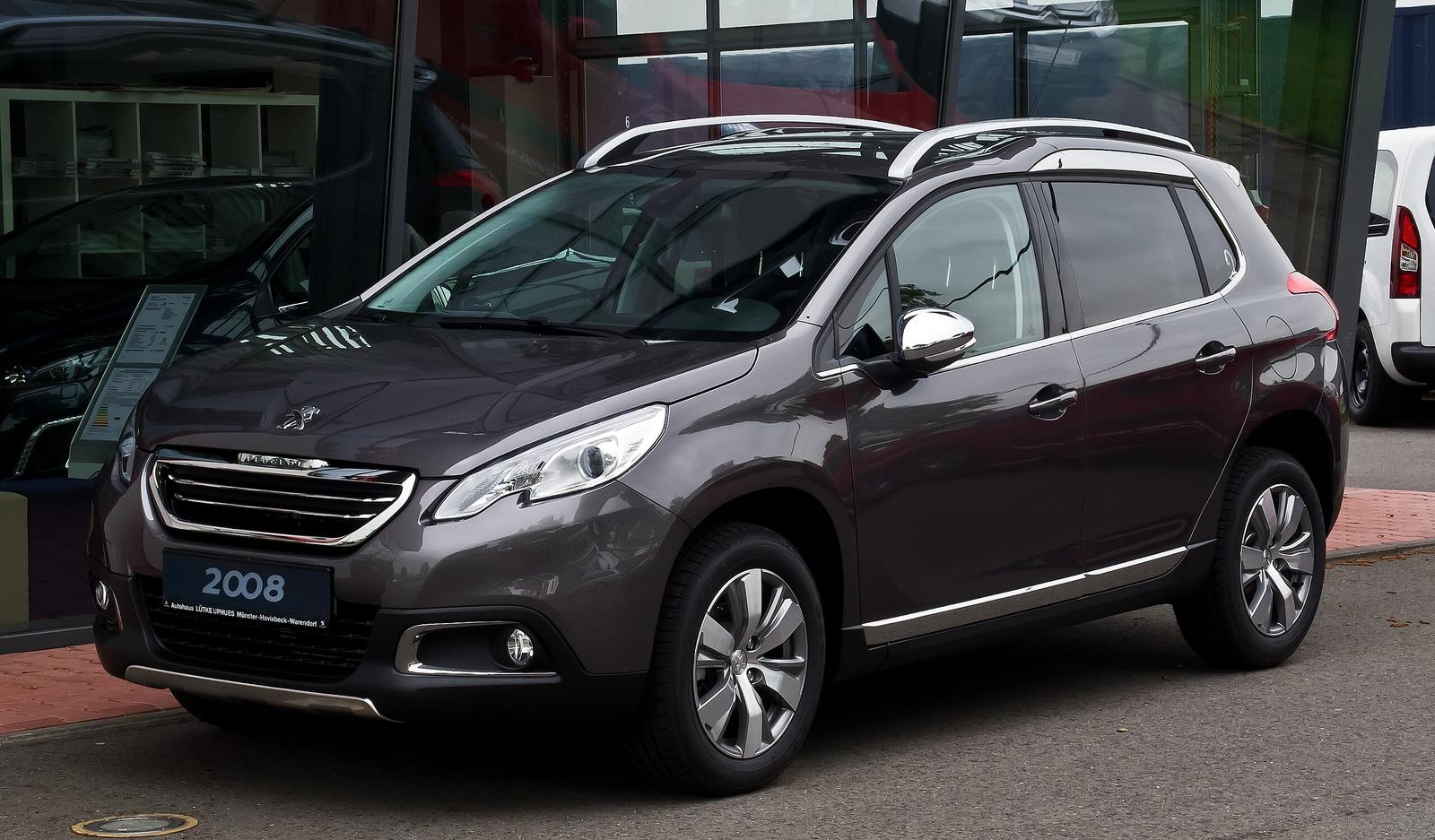
The 1.2 (EB2) engine has an unpleasant design feature - a “wet” timing belt located in the oil crankcase. Because of this, the belt wears out quickly. As a result, the engine fails at approximately 100-120 thousand km of mileage.
Zhitnukhin summarized that the above models are best avoided with a limited budget. Despite the attractive price, repair costs can many times exceed the initial savings, he added.
Комментарии