Bentley is meeting the middle of the decade in a difficult position: sales are falling for the third year in a row, the iconic W12 engine has been consigned to history, hybrids are not causing the desired delight, and the promised electric revolution has turned into a strategy revision. Behind this situation lies a long history of dependencies, mistakes, and unfulfilled expectations. The British brand, born in 1919 and famous for its racing victories and the favor of the aristocracy, had already lost its independence once - first in 1931, passing to Rolls-Royce, and then in 1998, when BMW and Volkswagen divided the brand and its assets, leaving the latter only the factory in Crewe and production facilities.
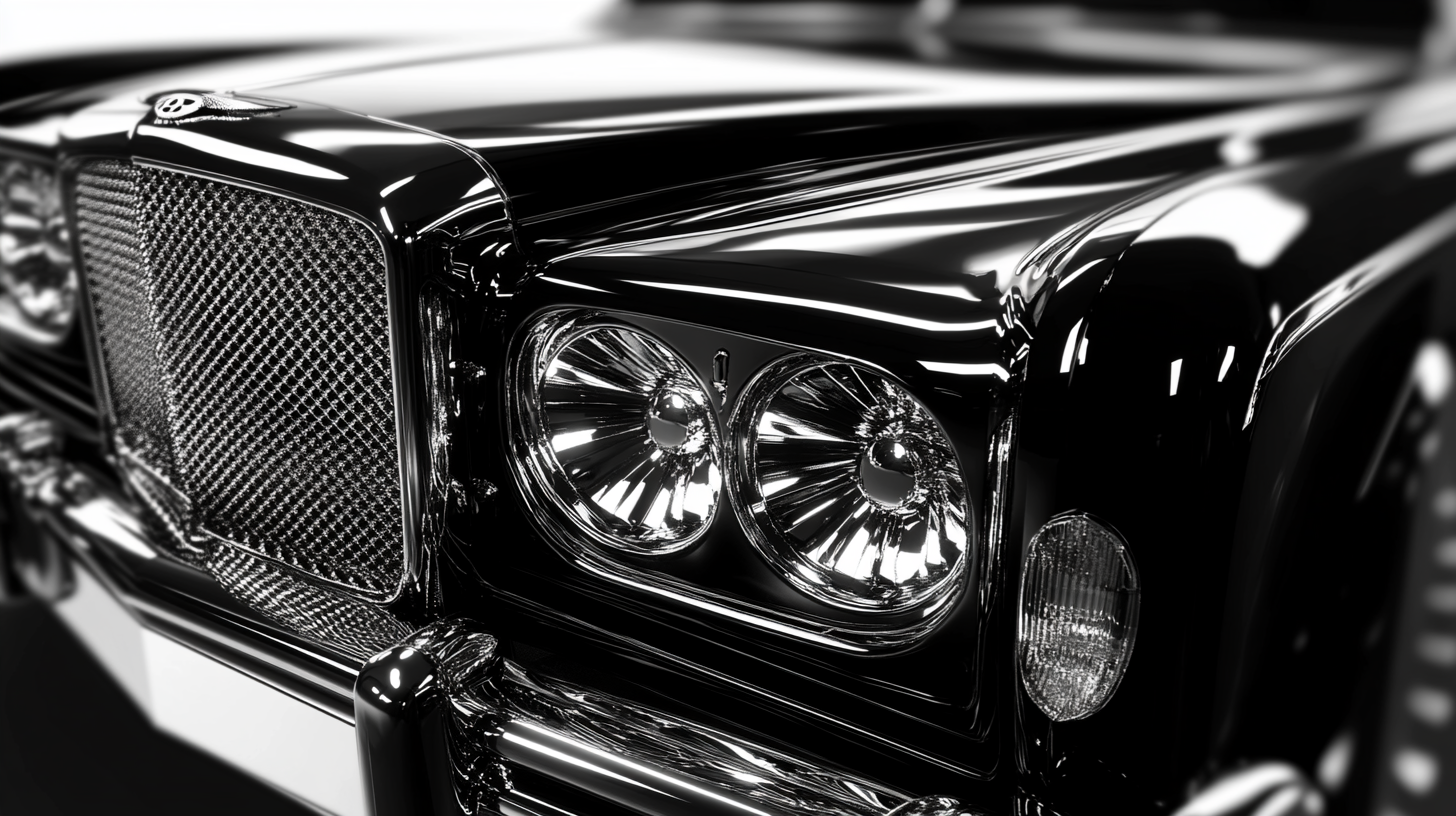
In the early 2000s, it seemed that Volkswagen had breathed new life into Bentley: modular unification gave an economic effect, and models such as the Continental GT and Flying Spur, built on a common platform with the Phaeton, became successful. Later, the Mulsanne appeared - the only truly independent flagship "under the wing" of VW, with a unique V8, tracing its lineage back to 1959. But by 2020, Mulsanne production was curtailed: too expensive, too piecemeal, and, most importantly, too incompatible with the group's environmental course. It was then that the Beyond100 plan was published, promising a complete transition of Bentley to electric vehicles by 2030. The EXP 100 GT concept of 2019 was supposed to prepare the public, but caused more bewilderment: the gigantic size and controversial style became a symbol of the loss of direction.
Sales themselves did not give alarming signals - the pandemic, contrary to expectations, spurred demand for expensive cars, and Bentley set a record in 2022 with 15,174 cars. However, it was at this very moment that interest in electric vehicles began to cool around the world. The luxury segment again wanted emotions, sound, character - and Bentley had already announced the death sentence for the W12 and was preparing to abandon the V8. The limited-edition Mulliner Batur became a farewell salute to the era of twelve cylinders, and its place was taken by the Ultra Performance Hybrid based on a 4.0-liter V8 - complex, heavy, and, according to fans, devoid of soul. At the same time, the Continental GT, Flying Spur, and Bentayga were transferred to PHEV schemes, consolidating the course towards electrification.
Soon it became clear: the Beyond100 strategy was too optimistic. In 2024, it was softened, presenting Beyond100+: the timing of the transition to electric vehicles was shifted to 2035, the first production "electric car" was postponed to 2027, and the EXP 15 concept only increased customer anxiety - too much similarity with Chinese models, too little aristocratic Bentley DNA. The public's reaction was so nervous that the management stated: the company does not rule out maintaining internal combustion engines even after 2035 if buyers demand it.
But the real SOS signal was the Continental GT Supersports 2025 - a sudden, purely gasoline version without a hybrid superstructure, with a lightweight body, a boosted V8 with 666 hp, rear-wheel drive, and carbon fiber panels. The limited edition of 500 units sold out instantly, and fans perceived the model as proof: Bentley still knows how to create real driver's cars. The only problem is that the Supersports is an exception, not the rule, and cannot reverse the global trend.
Today, Bentley is caught between the hammer of Volkswagen's strategic obligations and the anvil of customer desires. Electric vehicles will come inevitably, but too sharp a rejection of traditional powertrains could cost the brand its image. A potential salvation could be a new V12 - even a small-scale one, even a niche one, but capable of returning Bentley's uniqueness. In the UK alone, there are enough engineering companies capable of developing such an engine, and Porsche - a close relative within the group - would gladly invest its expertise. Only one obstacle remains: will Bentley have enough courage and will the Volkswagen Group's board of directors allow it?
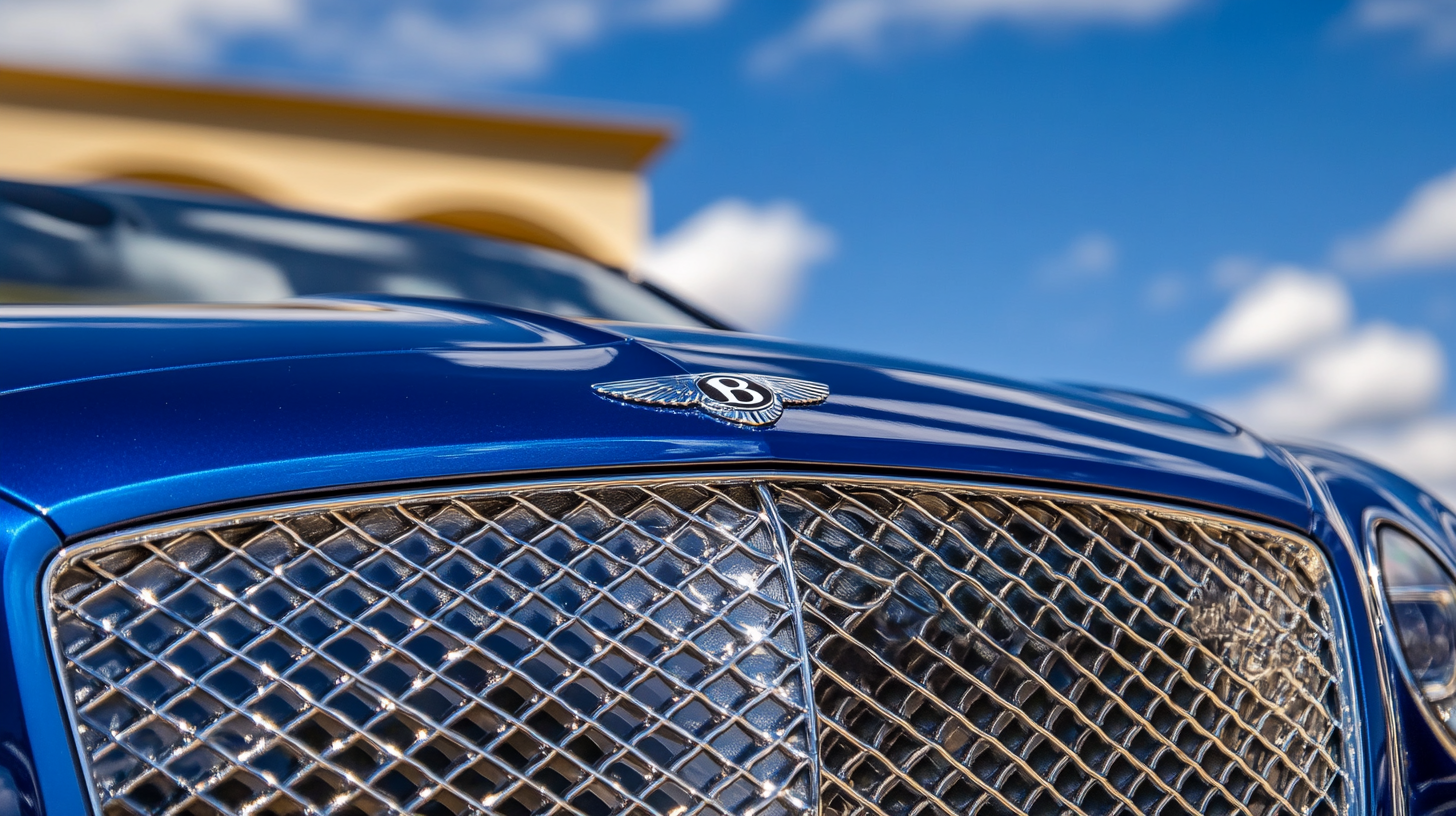
Trying to preserve traditions, adapt to the market, and simultaneously fulfill environmental promises, the brand is taking steps in different directions. And only the next few years will show whether the current crisis will become a turning point or a final dead end for the legend of the British automotive industry.
Read more materials:
- AvtoVAZ officially explained what gasoline should be poured into Lada
- "Moskvich" announced prices for the Moskvich 6 sedan of the 2026 model year
- Tank raised prices for the entire model range in Russia: Tank 500, 700 and 400 have become more expensive
Комментарии