What does a typical truck look like on American roads today? An elongated, imposing hood, a massive cabin with a full living space, shiny vertical pipes, and a recognizable front end. Almost all modern American trucks are conventional. Cab-over-engine vehicles, like European models, have become rare in the USA.
However, back in the 1960s–1980s, such vehicles were a common part of the road landscape. Freightliner, Kenworth, Peterbilt, Mack — all major manufacturers produced entire lines of cabover models. However, after several decades, American carriers almost completely abandoned them. This happened not because of a love for "large forms," but due to a combination of very practical reasons.
Giant Distances Dictate Their Requirements: You Need to Live in the Cabin
The main difference between the USA and Europe is the scale of the country and the way truckers work. One driver can travel up to 3–4 thousand kilometers per working week, drive through several states in a row, and spend most of the month sleeping in the cabin.
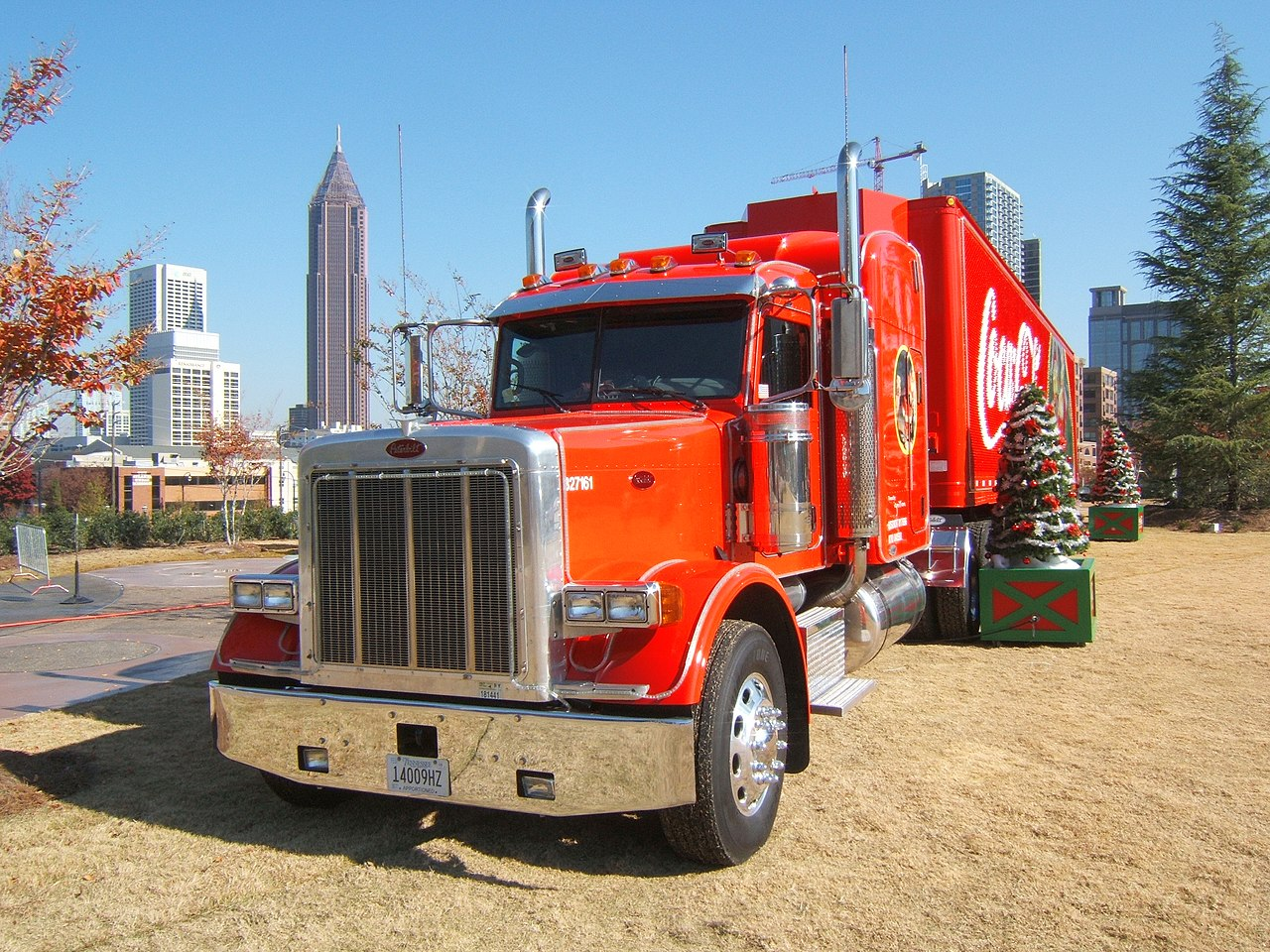
Under such conditions, the truck effectively becomes a home: you need a full sleeping place, storage space, a kitchenette, a relaxation area, and even a work area.
However, the design of a cabover truck prevents this: the engine is located directly under the cab, and a significant part of the volume is taken up by the power unit. Conventional models, on the contrary, allow you to place a spacious sleeper — the cabin is longer, wider, and more comfortable. The issue of comfort became one of the decisive factors.
American Roads Give Freedom of Size
In Europe, the popularity of cabovers is explained by strict regulations: they strictly regulate the length of the road train, width, turning radius, and dense construction requires maximum maneuverability.
The situation is different in the USA. Wide highways, spacious parking lots, and the absence of dense urban development on most routes remove the issue of length saving. American law only limits the length of the trailer, but not the entire road train.
In other words, the truck can be long — and this will not violate the norms in any way. Therefore, the need for compact cabover cabins disappeared by itself.
The Safety Advantage Proved Decisive
On cabover trucks, the driver is located literally above the front axle, which increases the risk of serious consequences in a frontal collision.
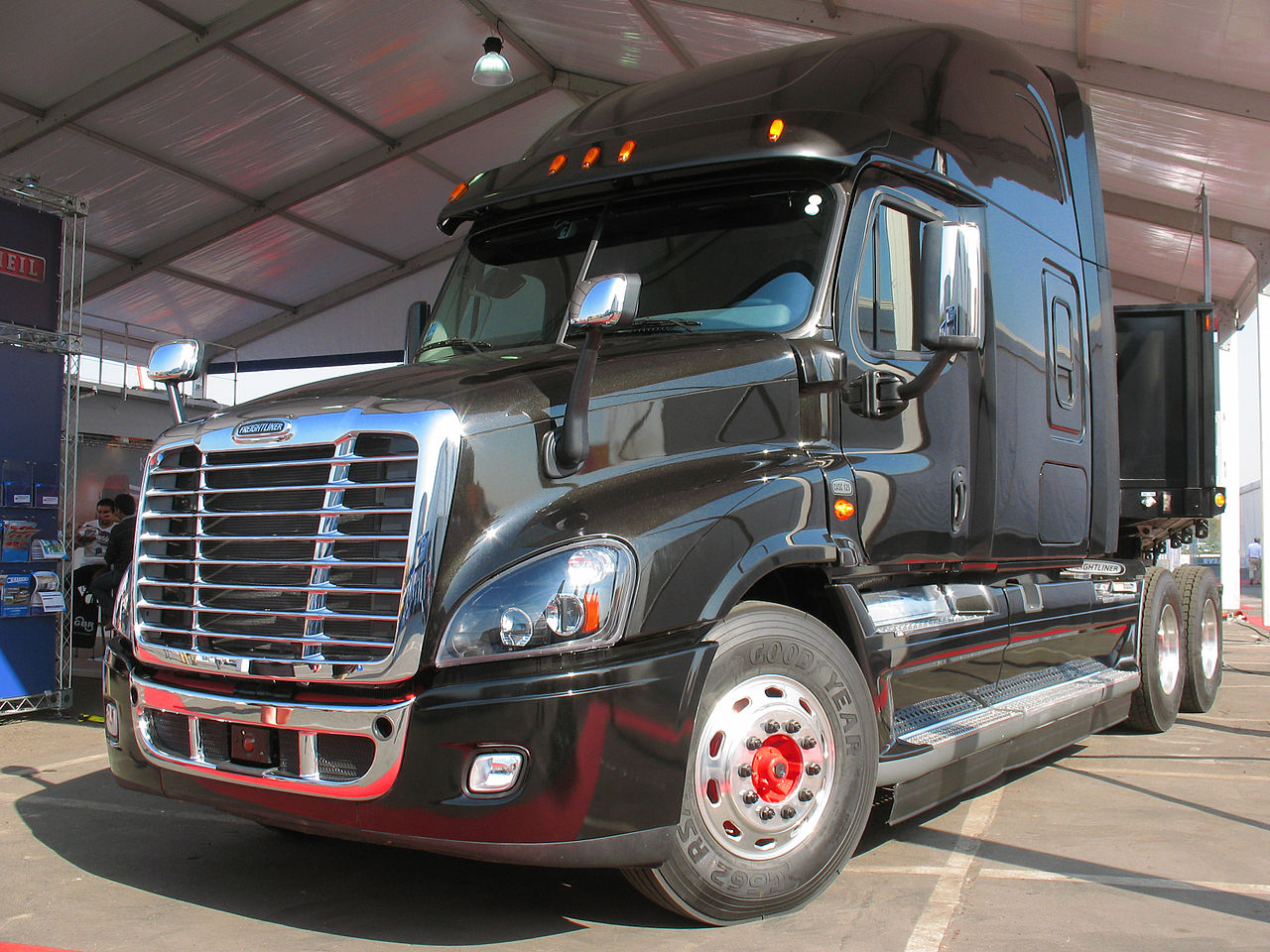
In conventional trucks, the long front end acts as a large deformation zone, taking the impact. Data from US insurance companies for the 1970s–1990s showed that conventional trucks are safer for the driver, because in the event of an accident, the probability of death in them is lower, and repairs are also cheaper.
As a result, both carriers and insurance companies increasingly chose conventional trucks.
The Difficulty of Servicing Cabover Models Became a Serious Disadvantage
In the "Cab Over Engine" scheme, the engine is hidden under the cab. To get to the engine, the entire cab must be tilted forward. Before that, you need to free the interior: things fell, the contents of the glove compartments spilled out, and devices could be damaged.
The process was inconvenient, laborious, and required effort and time.
With conventional trucks, everything is simpler: you open the large hood — and access to the engine is free. For companies where maintenance time directly affects income, this became another argument in favor of the conventional design.
The Aerodynamic Advantage of Cabovers Has Disappeared
Previously, it was believed that the absence of a hood makes the truck more streamlined. But since the 1990s, US manufacturers have widely used aerodynamic solutions: smooth lines, spoilers, fairings, hoods of a narrowing shape.
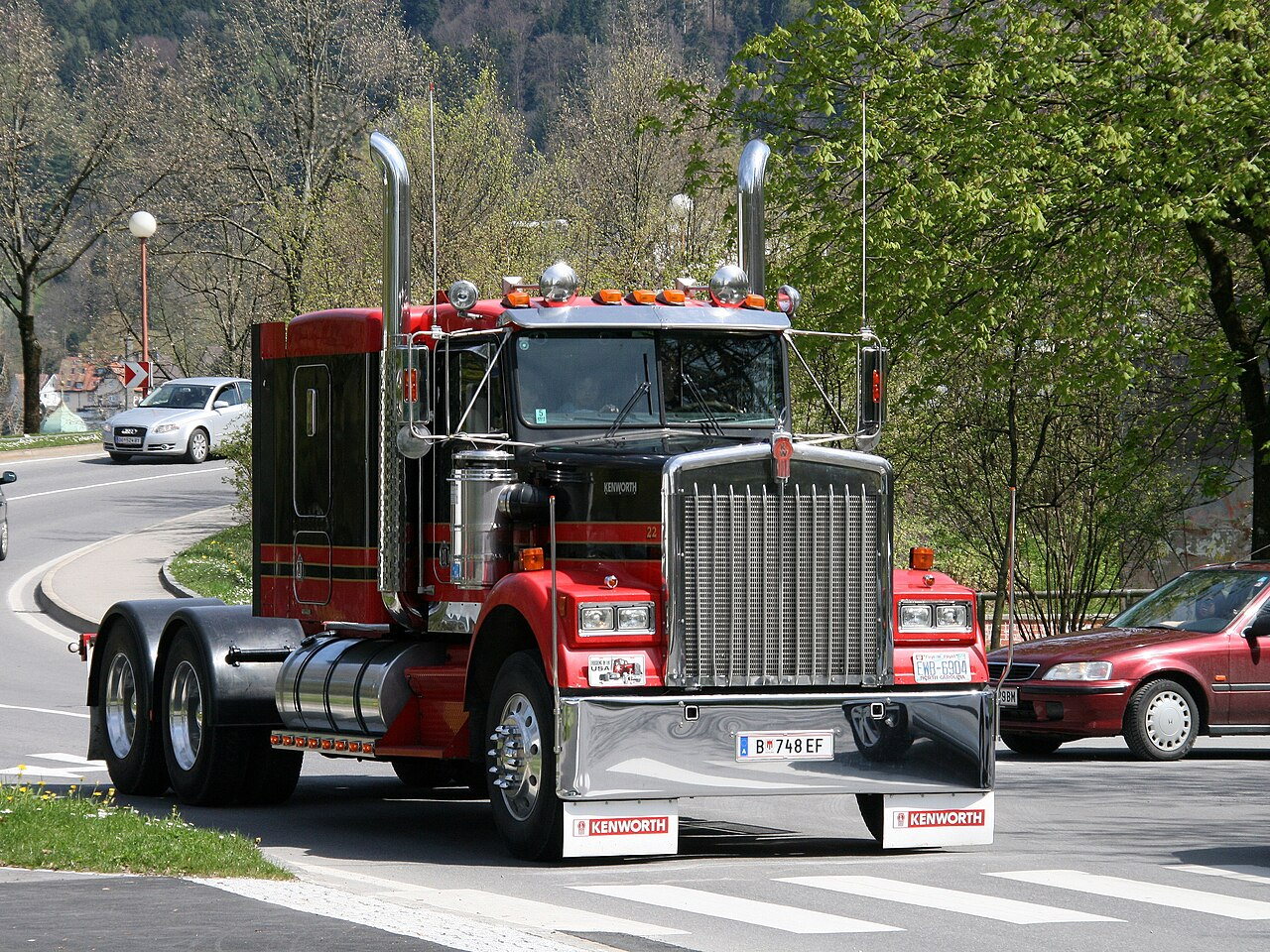
As a result, modern conventional models consume less fuel than old cabover models, and the long hood improves engine cooling.
Cabovers have lost one of their main advantages.
The Culture of Trucking in the USA Also Influenced
For American drivers, a truck is not just a working tool, but a part of their lifestyle. The style of conventional trucks has become a symbol of the profession: a long chrome nose, high exhaust pipes, a solid fit.
It was these cars that were shown in films, advertisements, and clips for decades. As a result, a culture has formed in which a conventional truck has become the standard.
Why Cabovers Still Remain
They have not disappeared completely: Cab Over is still used where compactness and maneuverability are important: in ports, at industrial facilities, in public utilities, by firefighters and municipal services, and in urban transportation.
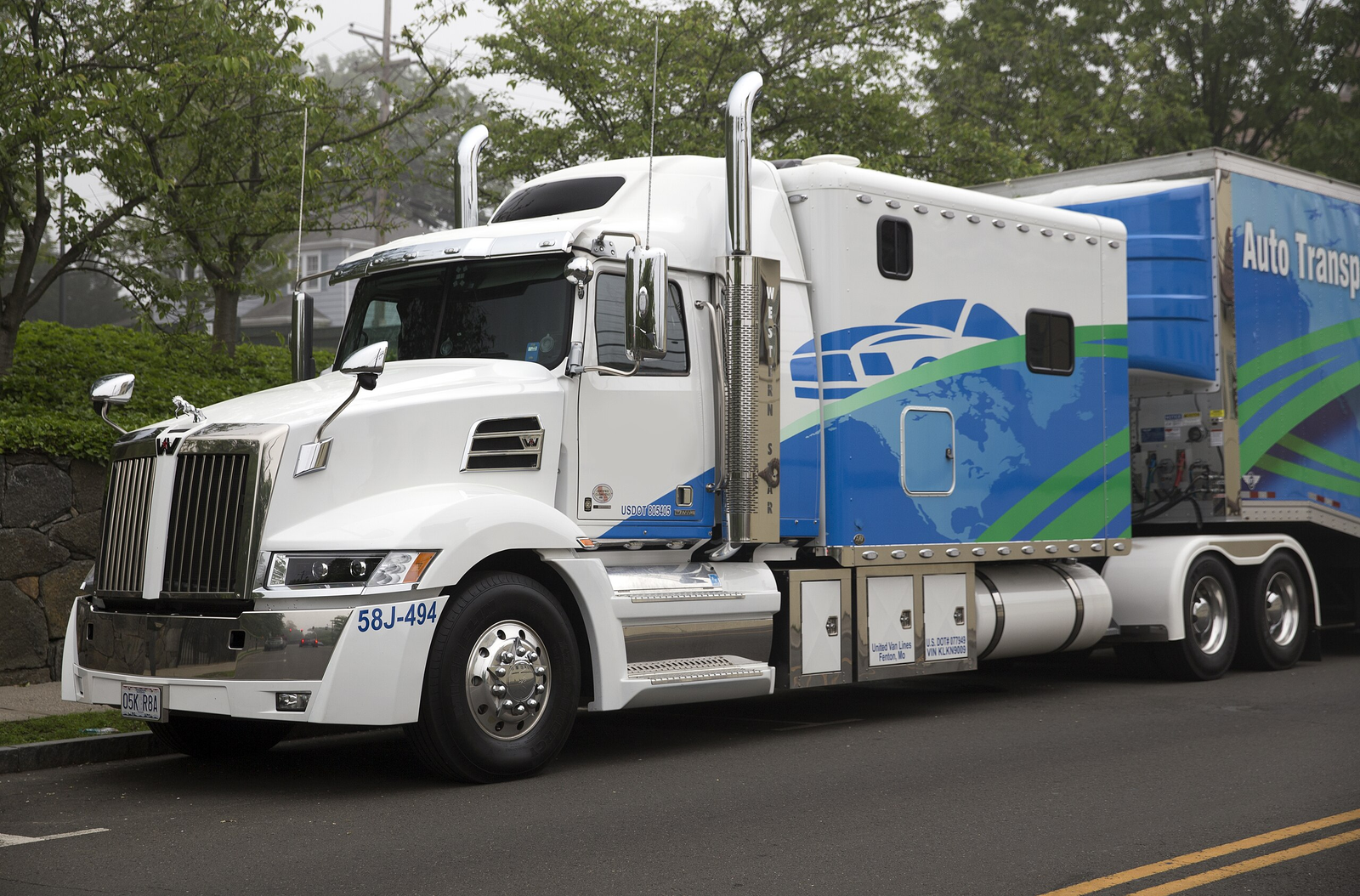
But they have long been out of place in long-haul trucking, the main area shaping the US market.
The abandonment of cabover trucks is the result of a combination of factors
American manufacturers and carriers switched to conventional trucks for a number of reasons:
- the need for a large living space for the driver
- no restrictions on the length of the road train
- higher level of safety
- ease of maintenance
- advantages of modern conventional models in terms of fuel efficiency
- cultural component of the long-haul trucker profession
This is not a fashion, but a pragmatic choice formed by the peculiarities of the country, roads and working conditions.
Read also materials on the topic:
- Bentley's Troubles: Why the Legendary British Brand Is Stuck at a Crossroads Under Volkswagen's Management
- When the name fails: strange and funny car names
- Renault and Their Futuristic Vision: A Review of the Brand's Most Unusual Concepts
Комментарии