The Mitsubishi Lancer X has long been considered a safe choice in the golf class: aggressive design, a familiar brand, relatively simple technology. On paper, it's a convenient everyday car without obvious weaknesses. But once you delve into real owner reviews, the image of "Japanese reliability" begins to crack at the seams. Many admit that the joy of buying quickly turned into irritation, and selling the car became a real relief.
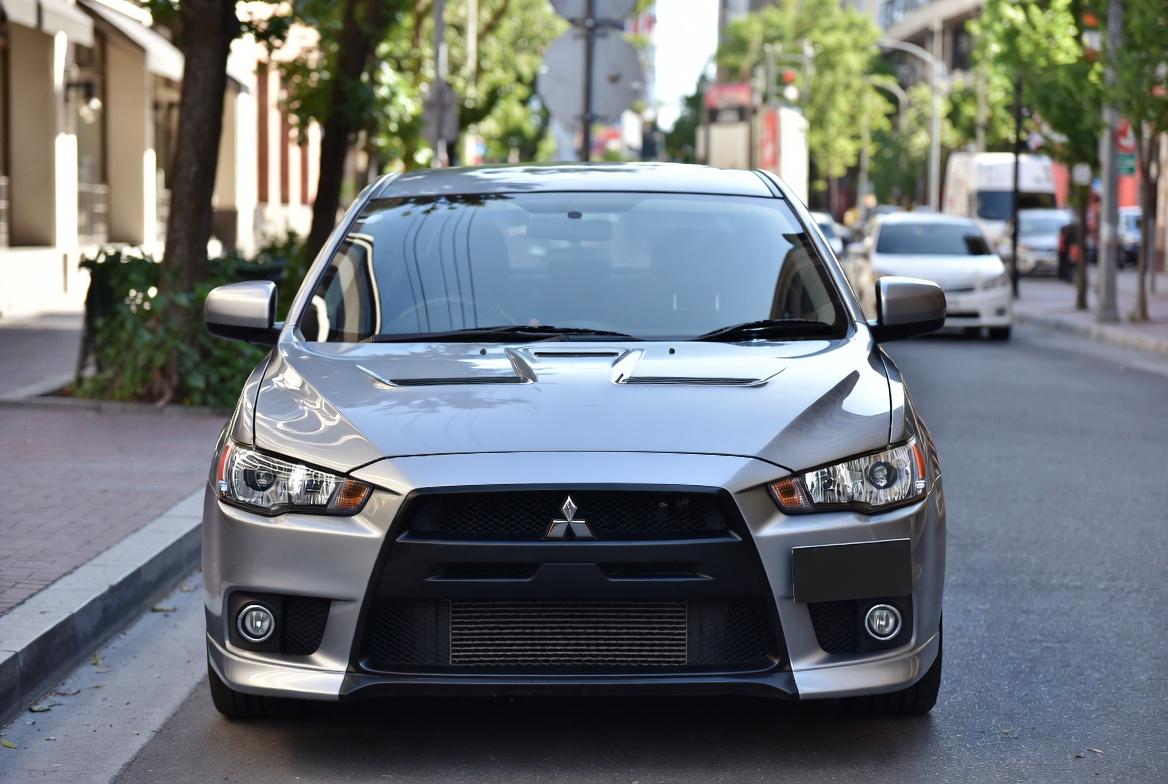
Most often, the build quality is criticized. Owners massively complain about the thin metal of the body and the weak paintwork: scratches appear literally from branches, and chips can start to rust in a few weeks. The interior is also disappointing — hard, cheap plastic, no button backlighting, rattling door cards and windows on bumps. In sunny weather, the radio is simply not visible due to glare, and the sound insulation, it seems, is non-existent.
Ergonomics are another pain point. The seat heating buttons are located so that they are difficult to reach, especially for short drivers. The steering wheel is not adjustable for reach, climate control is not available with some engines even for an extra charge, and the logic of turning on the high beam is annoying in everyday driving. All this creates the feeling of a car designed without regard to real-world use.
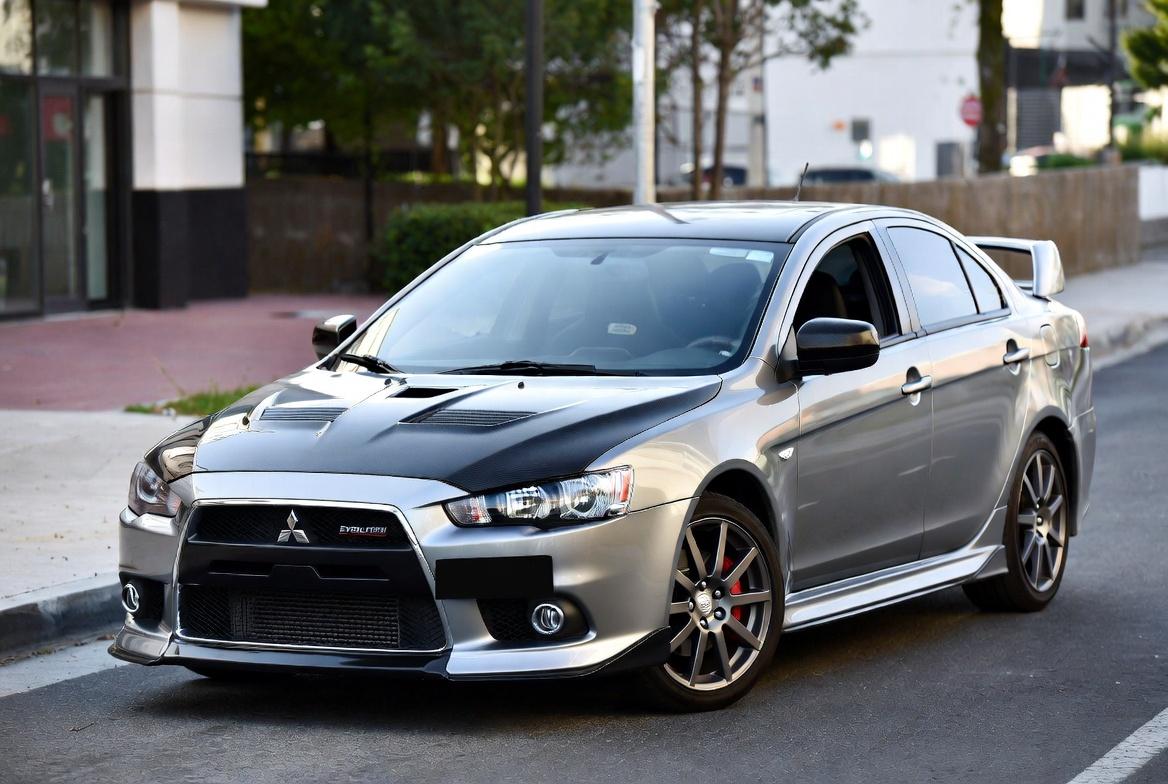
Driving performance also raises questions. Despite its "sporty" appearance, the Lancer X often disappoints with its handling and dynamics. The front is heavy, the rear is light, which can lead to skidding in corners. The CVT version is especially criticized: delayed response, sluggish acceleration, unpredictable behavior with active throttle. At the same time, fuel consumption in the city easily reaches 14–17 liters per 100 km, which seems strange against the background of mediocre dynamics.
Engine reliability is another controversial point. The issue of oil consumption in 1.5 engines comes up especially often: sticking rings, hardened valve stem seals, overheating. Some owners have experienced oil consumption of up to a liter per 200 km and were forced to overhaul the engine. At the same time, the block is aluminum, the repair is difficult, and the spare parts are expensive and often only available to order.
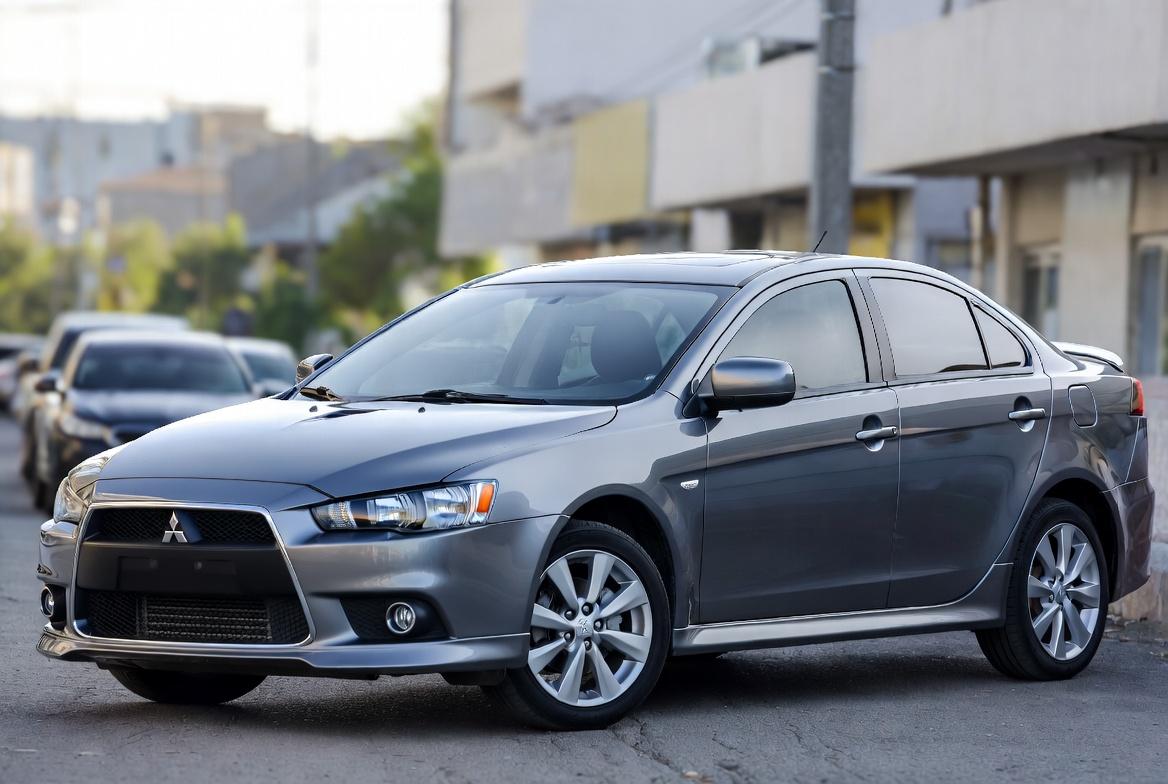
Even with relatively trouble-free operation, the total cost of ownership is often higher than expected. Servicing the CVT requires regular and expensive oil changes, the suspension may rattle as early as 60–80 thousand km, and original spare parts are sometimes comparable in price to parts for premium brands. As a result, the owner gets a stiff, noisy, and not the most economical car that does not please with either comfort or emotions.
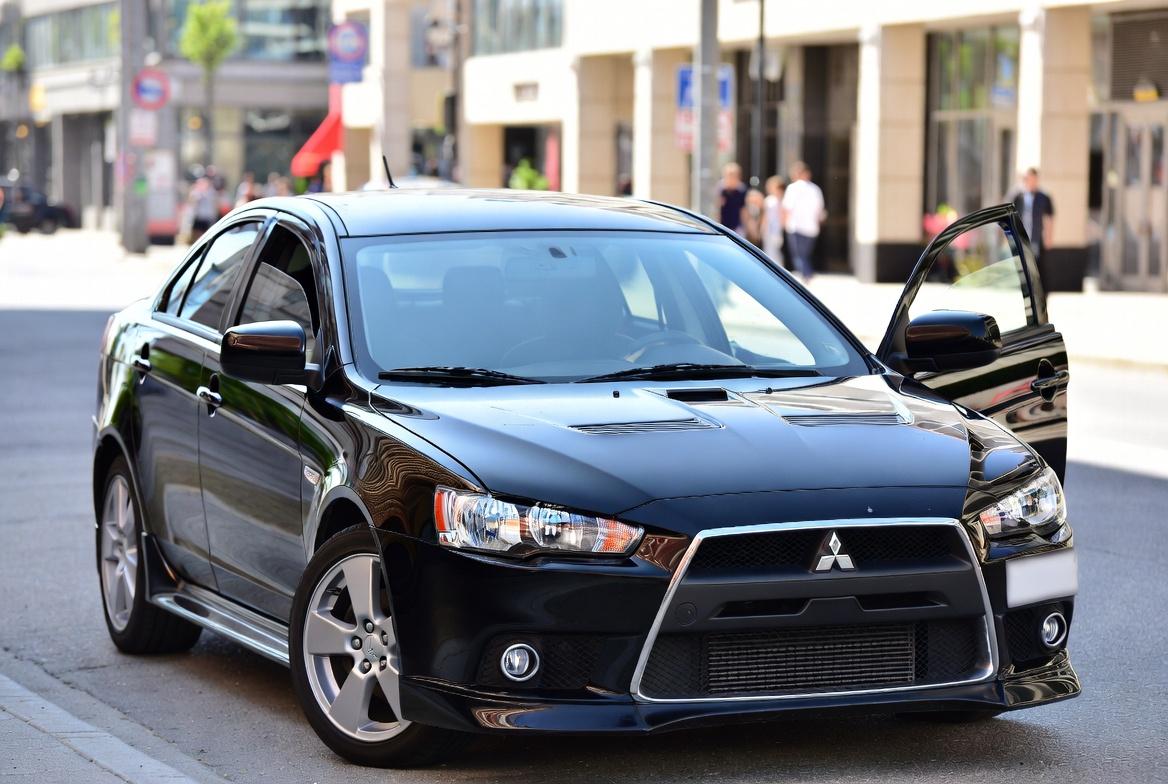
In the dry balance, the Mitsubishi Lancer X is a car without pronounced fatal breakdowns, but with a whole set of small and not very annoying features. It may be reliable in a basic sense, but this "reliability" comes at the cost of inconvenience, expense, and disappointment. That is why many, having sold this car, honestly say: happiness really was — but at the moment of sale.
Read also:
- AvtoVAZ Officially Explains Which Gasoline to Use in Lada
- "Moskvich" Announces Prices for the "Moskvich 6" Sedan of the 2026 Model Year
- Tank Raises Prices for the Entire Model Range in Russia: Tank 500, 700, and 400 Become More Expensive
Комментарии