The ZAZ-965, better known by its popular nickname "hunchback Zaporozhets," is rightfully considered one of the main automotive icons of the Soviet Union. It's not just a car; it's a symbol of an entire era, a time when a compact and affordable car was a cherished dream for millions of families.
The history of the "hunchback" began in the early 1960s with the idea of creating the cheapest and most mass-produced microcar possible. Initially, the project had the working title Moskvich-444 and was conceived as a simplified successor to the Moskvich-402. However, the Moscow factories were overloaded, and it was decided to move production to the Zaporozhye factory "Kommunar," which until then had produced exclusively agricultural machinery.
This decision became fateful. The enterprise effectively changed its profile, and the Soviet automotive industry received a new center of development. Thus, the ZAZ-965 was born - a car that quickly became recognizable and truly popular.
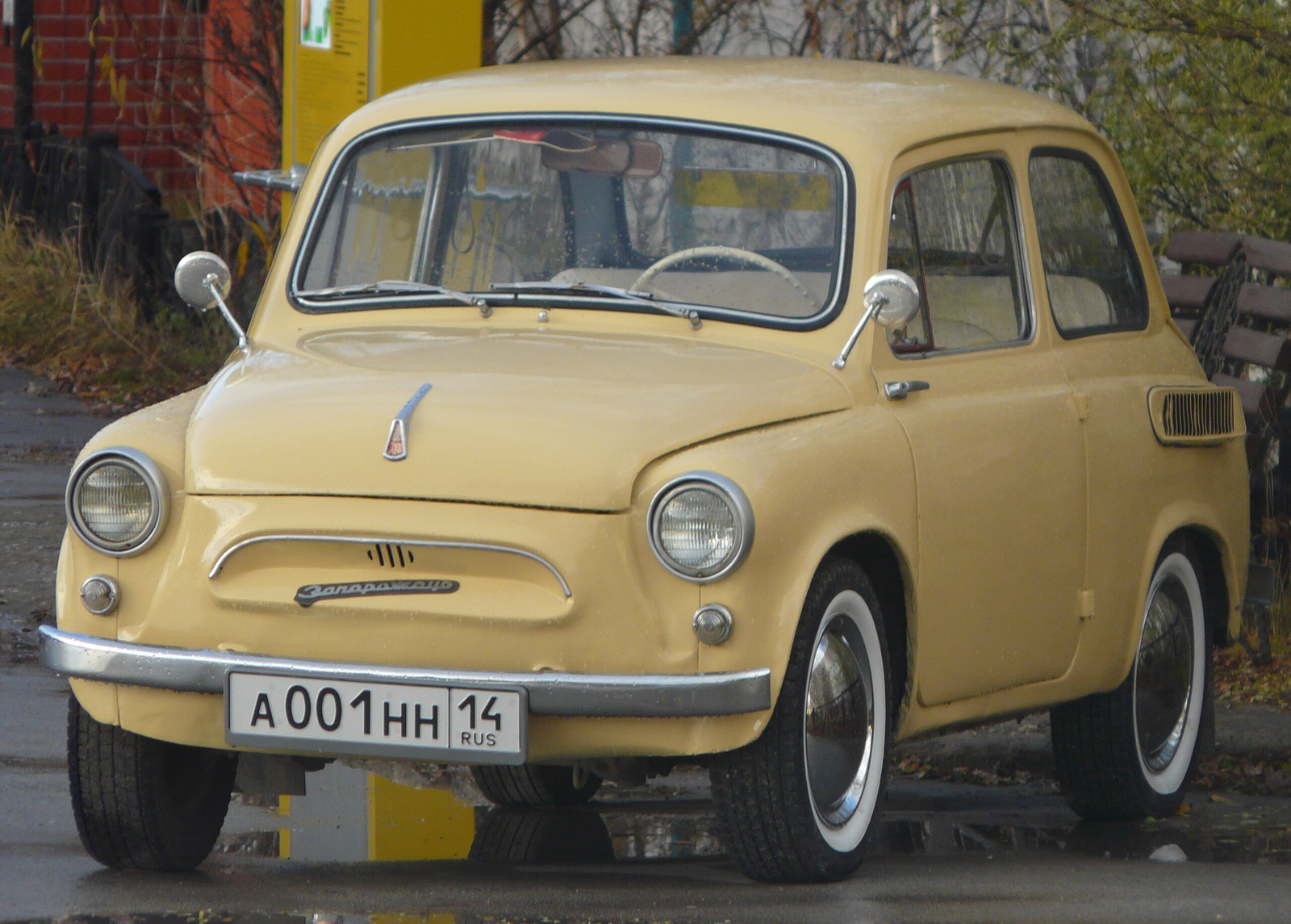
The car turned out to be unusual in everything. One of the most curious engineering moves was the complete interchangeability of the rear and windshield. This solution reduced the cost and greatly simplified repairs. Early versions of the "Zaporozhets" used a gasoline stove, which, due to design features, could sometimes catch fire. Over time, the problem was eliminated, and the car unexpectedly gained fame as one of the warmest in the USSR.
The ZAZ-965 also became a pioneer in technical terms. It was the first among mass-produced Soviet cars to receive an independent suspension - a bold and progressive solution for its time. There were also versions with right-hand drive, intended for export. Even such a trifle as the washer reservoir had an original feature: a heating element was placed inside so that the liquid would not freeze in winter and the plastic would not burst from the cold.
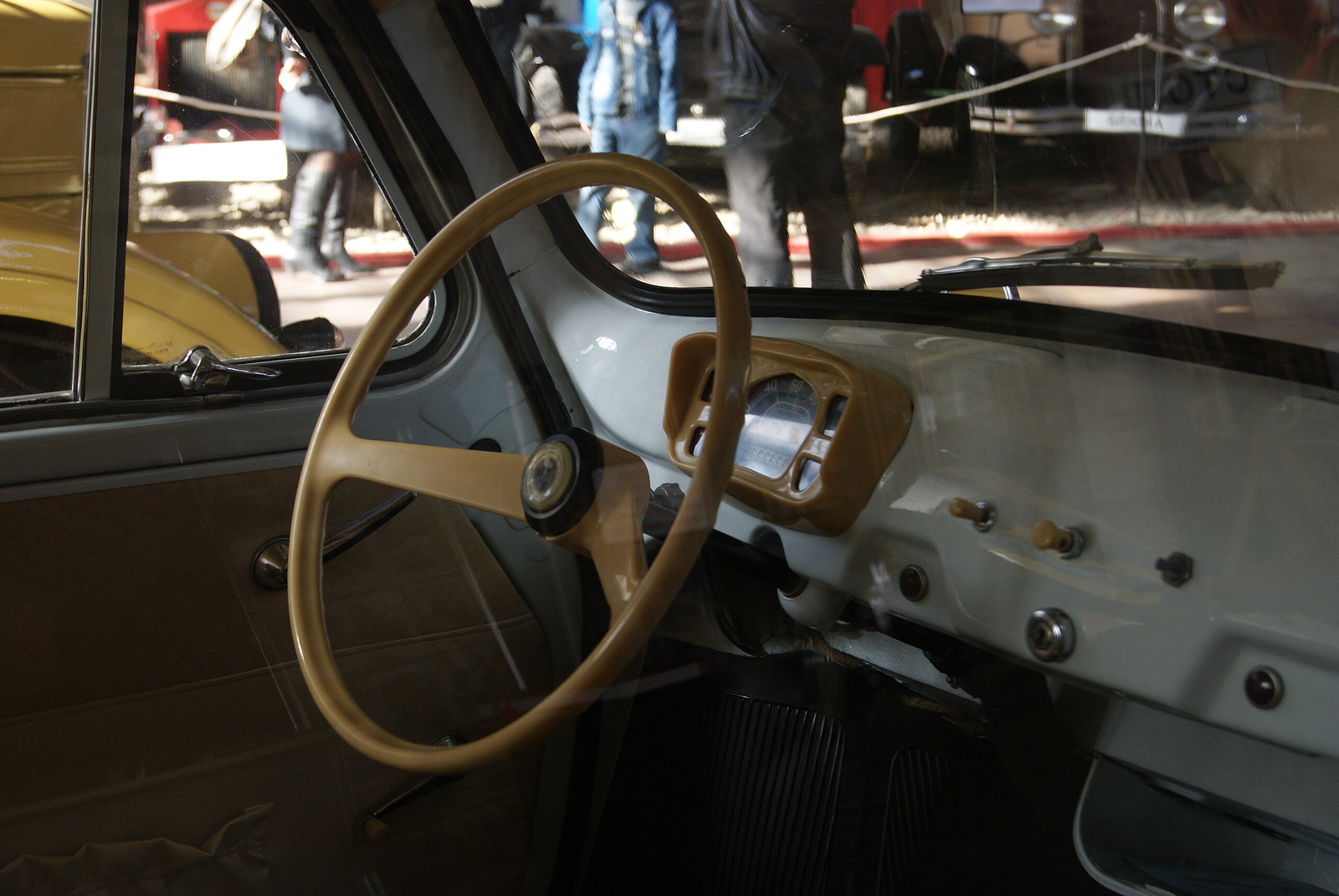
Of course, the "hunchback" did not escape folk folklore. It was called "Zapor," "Tin Can," and jokes were made about its appearance and modest characteristics. But at the same time, it was this car that became the first personal transport for millions of Soviet citizens. Simplicity, maintainability, and endurance made it truly massive.
It is not surprising that the ZAZ-965 often appeared in films. It can be seen in the films "Three Plus Two", "Once Twenty Years Later", "Rescuer", "Winter in Prostokvashino" and others. And in the film "GoldenEye", the hero of Jack Wade on the "hunchback" Zaporozhets even saves James Bond, ironically calling the car terrible, but reliable.
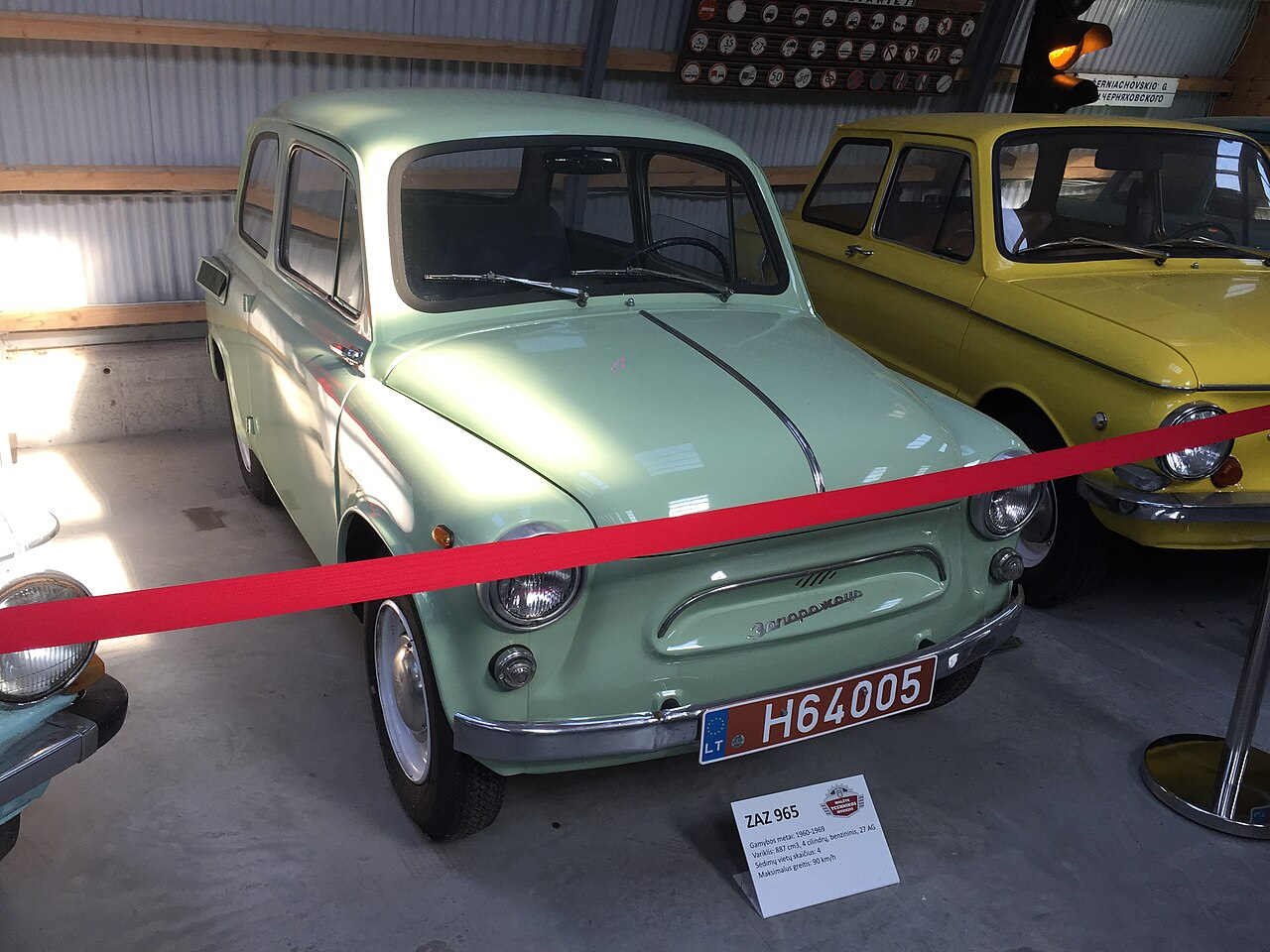
Today, the ZAZ-965 has finally become a legend. It can be found in museums, private collections, and even in the form of monuments - for example, in Kotlas, Arkhangelsk region. Enthusiasts and fans of Soviet technology are inspired by this image in modern culture - from restomods to clothing from the Zaporozhets Heritage brand, as well as atmospheric photo shoots next to the iconic car.
The "hunchback" Zaporozhets has forever remained a symbol of simplicity, reliability, and the special spirit of the Soviet automotive industry. A car that, despite all the compromises and limitations, gave the country one of the most recognizable and warm automotive stories.
Read more materials on the topic:
- Italy Showed Peralta S with a Design in the Spirit of Maserati Boomerang
- A Dream Come to Life: An Eight-Year Path to the Ideal GAZ-24
- Updated UAZ "Patriot" 2026 with a Diesel Engine: First Test Drive
Комментарии