Liquid municipal waste is usually only remembered when something goes wrong. Meanwhile, the sewer system is a complex system that requires constant monitoring and an immediate response in the event of accidents. Behind the scenes are the drivers of vacuum and flushing equipment, for whom night trips, difficult conditions, and non-standard tasks are commonplace. One of these drivers works at Vodokanal in the second generation and has known this equipment literally since childhood.
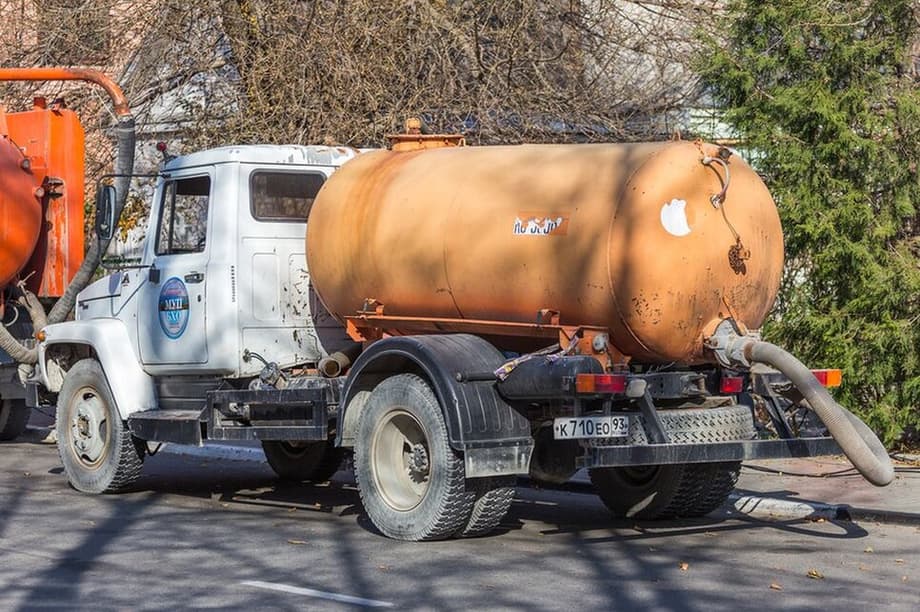
The fleet of such enterprises uses several types of machines at once. Vacuum and sludge tanks are designed for pumping water and sewage, and pipe cleaning machines are designed to combat serious blockages. Most often, such equipment is based on KAMAZ, GAZ, or old, but still alive, ZILs. Each machine has its own purpose, and without specialized tanks it is impossible to eliminate accidents on sewer networks.
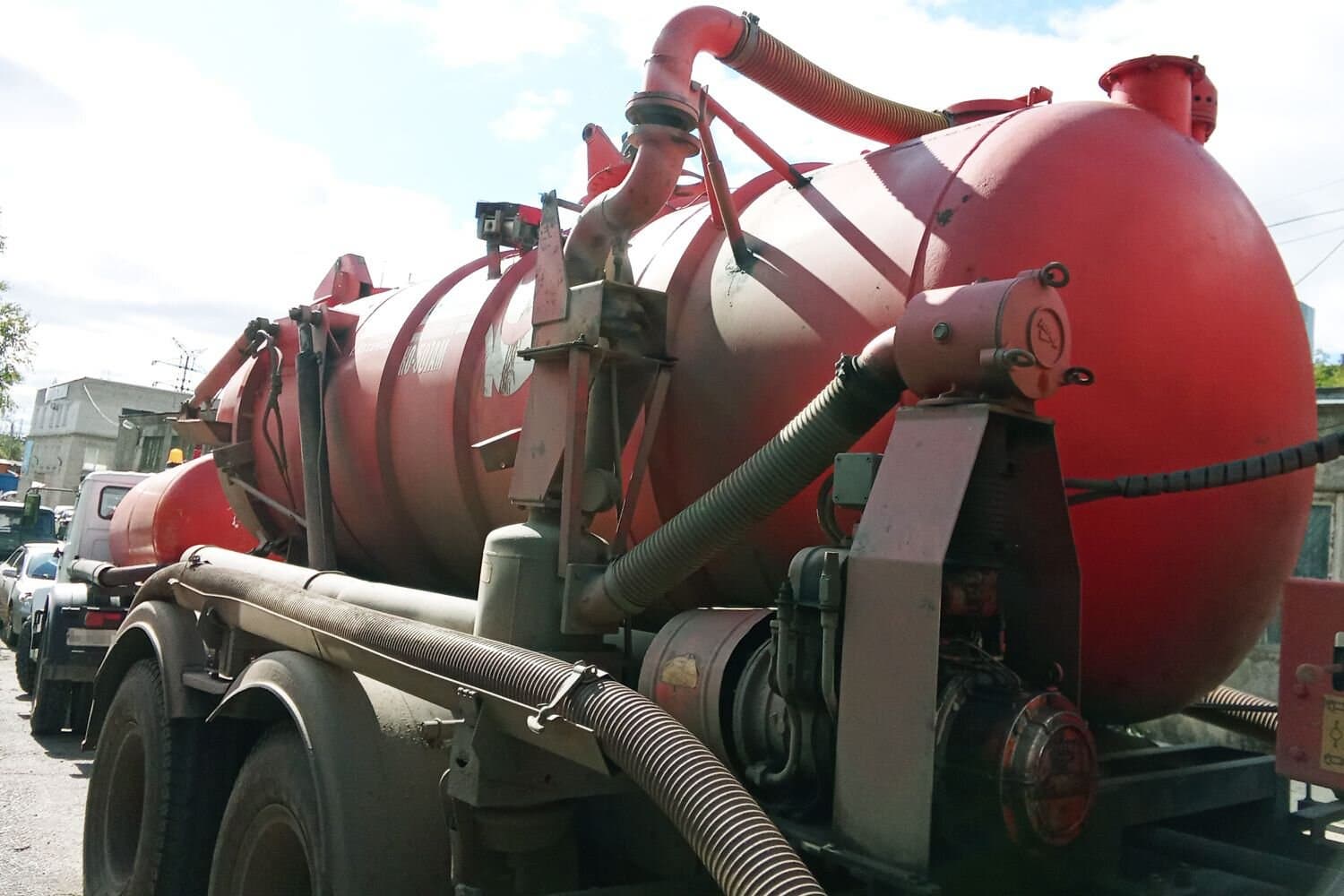
Unlike a water supply, a sewer cannot simply be shut off. People continue to use toilets and sinks, and sewage under pressure seeks a way out. Therefore, when a collector depressurizes, every minute counts. Once, an accident occurred on the evening of December 31: New Year's Eve had to be met right at the site of the rupture, all night pumping, digging and welding pipes to prevent sewage from entering the streets.
The wells themselves pose an additional danger. Carbon monoxide, carbon dioxide, and methane accumulate inside - a mixture that is deadly to humans. Before descending, mechanics must check the air with a gas analyzer. If the device shows an excess, the vacuum truck comes into play: it pumps gas out of the well, creating a vacuum, after which the dangerous mixture is replaced with ordinary air. At the same time, such machines can not only suck in, but also blow the contents of the tank out.
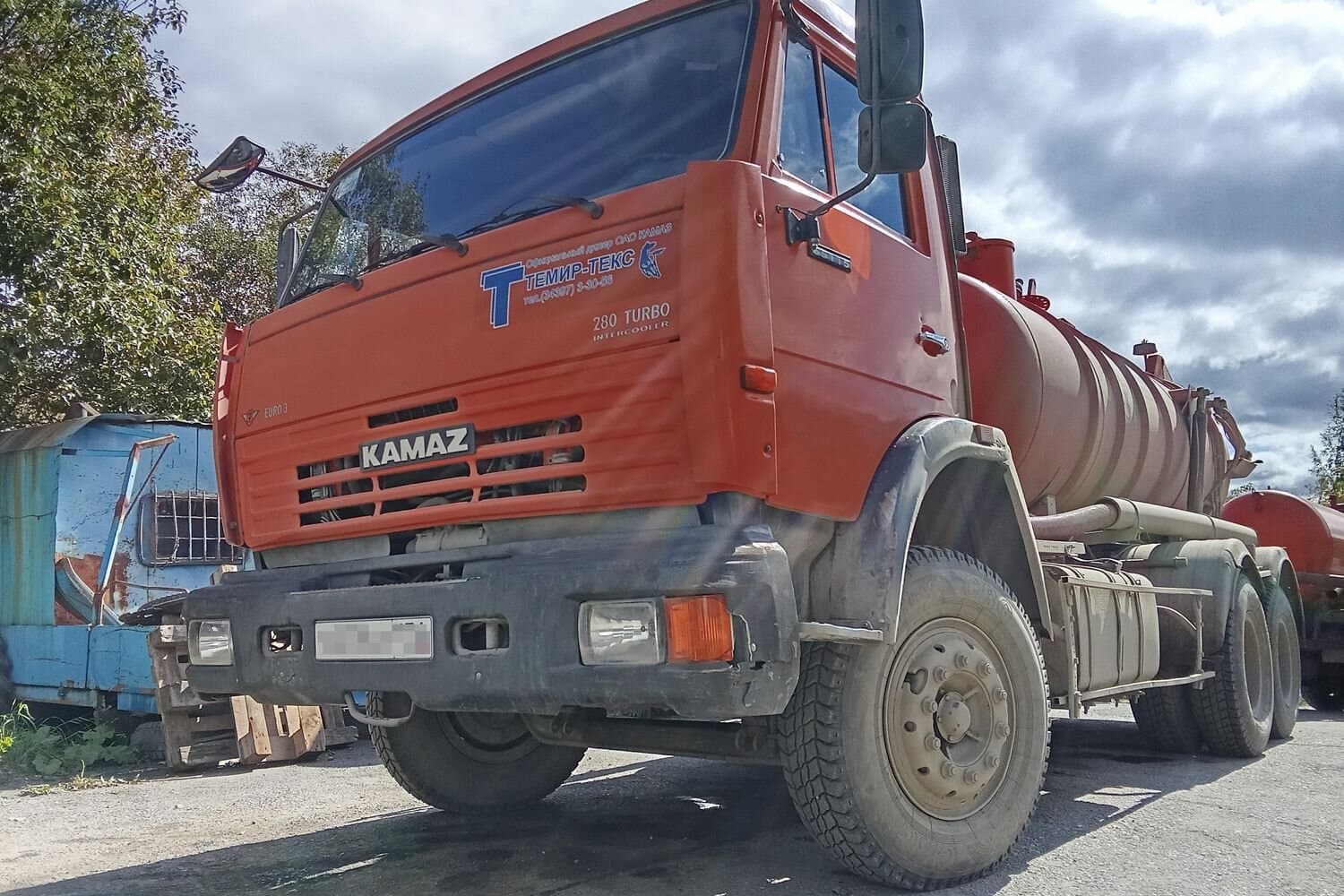
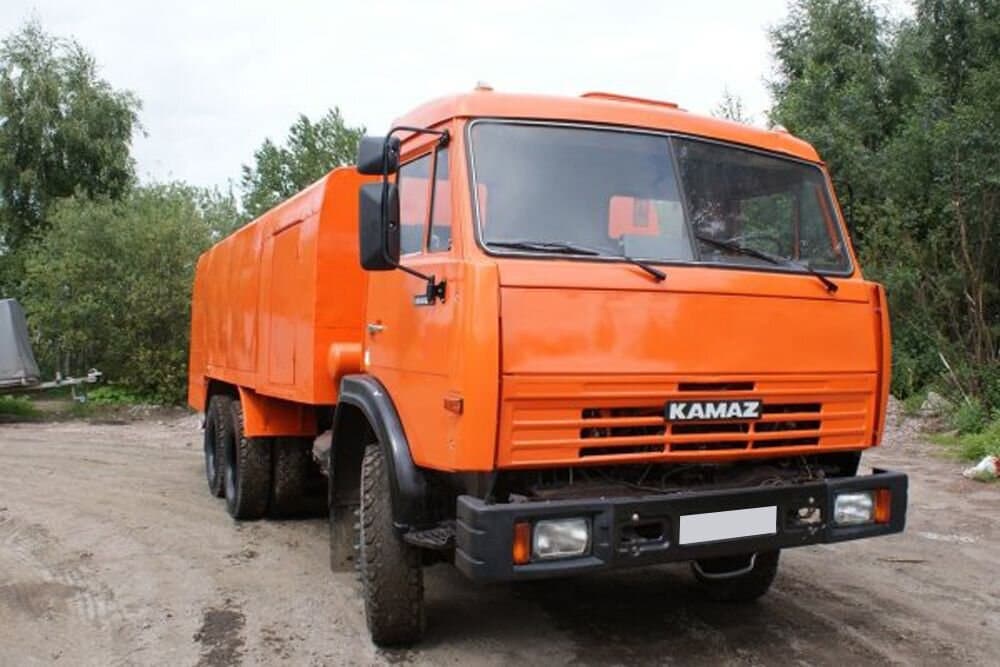
Blockages are another constant problem of sewer networks. Pipe cleaning machines with powerful pumps are used to eliminate them. Inside the tank there is a drum with a 100-meter hose, at the end of which there is a special nozzle. Jets of water under high pressure wash away plugs and simultaneously push the hose forward through the pipe. It is not easy to operate such equipment: a three-axle KAMAZ loaded with water weighs about 28 tons and requires maximum concentration from the driver in winter.
Vacuum trucks most often work with private orders - pumping out septic tanks and cesspools in the private sector. It is here that drivers have to deal with narrow passages, dirt, slopes and misunderstanding from customers. As the drivers themselves joke, if you don't manage to complete all the applications in a day, you can't return to base. At the same time, it is these trips that ensure the sanitary safety of entire areas.
The work schedule formally looks like a regular five-day week, but an accident can turn a night or weekend into a full shift at any moment. Despite the smells, difficult conditions and risk, drivers say they are used to everything. Every day here is not like the previous one: today pumping, tomorrow flushing, the day after tomorrow a fire or water delivery. You may not leave the base at all, or you may celebrate the New Year in the field. The work is difficult, but you definitely can't call it boring.
Read more materials:
Now on home

Two cars of the same era, created for currency export, but with different philosophies

The crisis, compromises, and wrong decisions that buried a promising model


Resident of Sverdlovsk Region Recovers 192,000 Rubles and Receives Compensation

At the end of 2025, the crossover topped the sales ranking of new cars in the capital

The legendary racer moves around in a wheelchair and is under constant medical supervision

What malfunctions do owners of the Togliatti flagship most often encounter?

Slow shifting in the cold is not normal, but the first sign of transmission problems

The car features improved design and electronics

Now it's Rolls-Royce

Even with the recycling fee, the car will cost less than from official dealers

The model also received new trim levels