Half a year has passed since the release of Lada Azimut on the market, but many rumors continue to circulate around the new product. The most popular of these claims that the crossover is just a reworked Chinese Chery Tiggo 4. Experts and engineers familiar with AvtoVAZ's production processes investigated whether this is really the case.
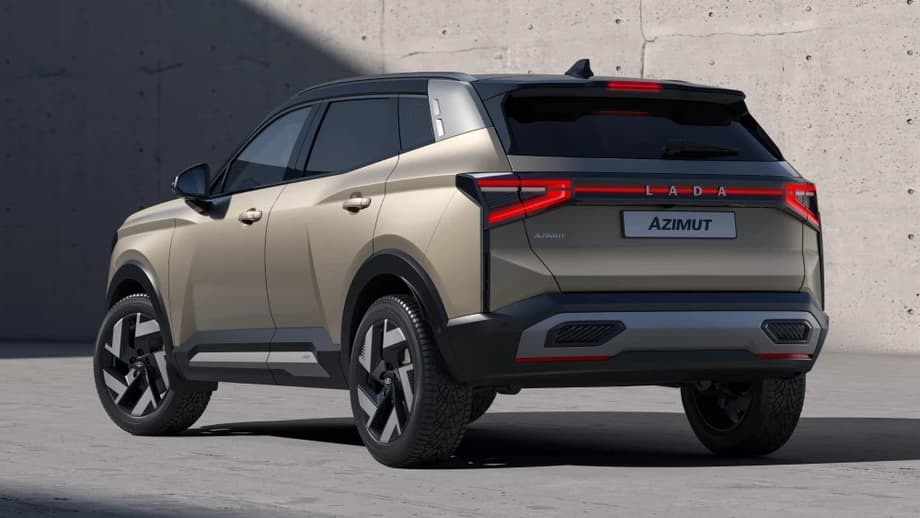
The origins of such myths go back to the past, when the plant cooperated with Renault. After the departure of the French in 2022, AvtoVAZ had to radically change its strategy: previously developed projects were focused on foreign components, which were extremely difficult to replace. Lada Azimut was created as a completely domestic initiative, using its own developments, albeit with some support from external suppliers in terms of transmissions and turbo engines.
The exterior of the car is unique, with recognizable elements of the signature X-design, and the technical base is based on the Lada B platform, familiar from the Vesta model. Under the hood are engines with a volume of 1.6 and 1.8 liters with a capacity of 120 and 132 horsepower, respectively. The drive is still front, and the transmissions are borrowed from Chinese manufacturers - a six-speed manual and a WLY variator. In the future, a 1.5-liter turbo engine and an automatic transmission will appear.
Internet users are actively comparing Azimut with other cars. Among the common versions are "Niva 3", the third generation Dacia Duster, as well as Hyundai Mufasa. But these assumptions do not stand up to scrutiny: with the exception of a few common design solutions, technically and structurally, Azimut is completely different from the mentioned models.

As for the "Chinese trace", some believe that Azimut is built on the basis of Chery Tiggo 4. In fact, the similarities with Chinese models are minimal: the body of the new crossover is more dynamic, and the design of the front and rear does not repeat Tiggo. Even the engine compartment, trunk and chassis are significantly different, which confirms the originality of the project.
Some components, such as turbo engines and transmissions, are indeed imported, but this is standard practice in the global automotive industry. Many large manufacturers use foreign elements to speed up development and reduce costs. AvtoVAZ applies this approach selectively, combining foreign components with its own engineering solutions.
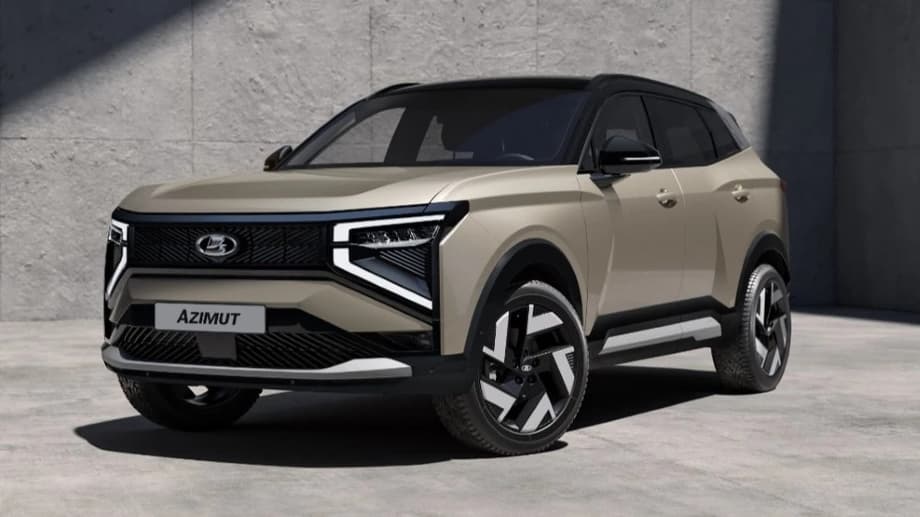
As a result, Lada Azimut is an original product of the Russian automotive industry. Despite the presence of some Chinese components, the main body, interior and platform are completely domestic.
Read also materials:
Now on home
Net Loss Under RAS Increased 11 Times

Police, Ministry of Emergency Situations, bailiffs and towing services: who has the right to violate the integrity of the car
Price reaches 2.1 million rubles, delivery time - up to 7 months
Prices, Configurations, and Specifications of Models Revealed
Prices for LADA Granta start from 680,000 rubles
Disposable Parts as the New Reality of the Automotive Industry

Two cars of the same era, created for currency export, but with different philosophies

The crisis, compromises, and wrong decisions that buried a promising model


Resident of Sverdlovsk Region Recovers 192,000 Rubles and Receives Compensation

At the end of 2025, the crossover topped the sales ranking of new cars in the capital

The legendary racer moves around in a wheelchair and is under constant medical supervision