China’s auto industry has, in just a few years, transformed from a local phenomenon into a global player, but the extent of its influence varies greatly from country to country. Russia is an almost unique example in this respect. In Q3, 37% of new passenger cars were imported directly from China, including vehicles of global brands, while the share of Chinese marques proper reached 55%. Despite the increase in the scrappage fee, the positions of manufacturers from the PRC are only strengthening: Chery, together with its subsidiary brands, has already come close to Lada in sales, Geely and Haval are breathing down its neck, and in monetary terms the domestic brand is noticeably behind.
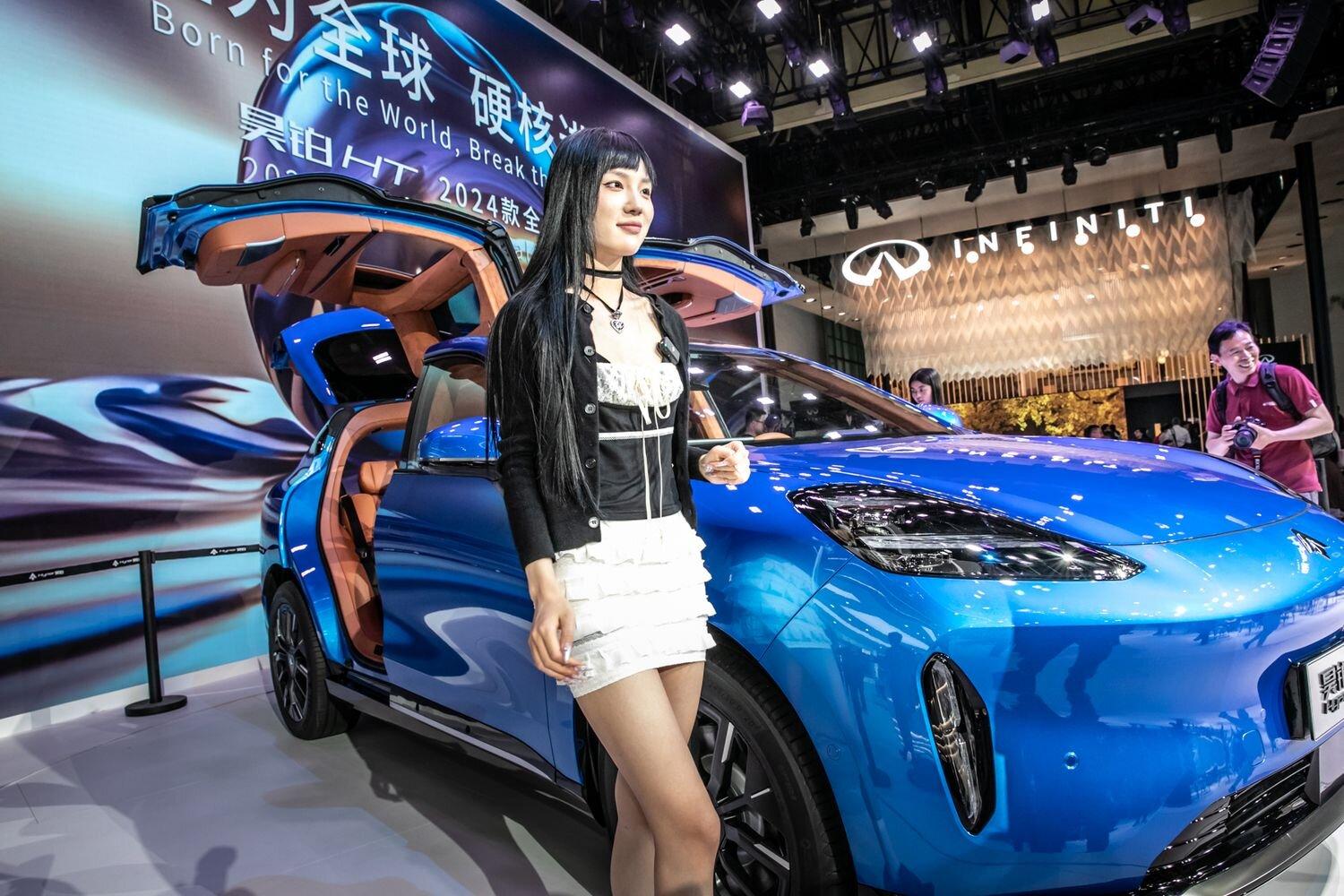
Against the backdrop of the Russian market, it is especially interesting to look at how Chinese companies are faring at home. In the PRC, excess electric-vehicle production capacity has formed in recent years, triggering fierce price wars. Startups that had actively invested borrowed funds in development ran into financial difficulties, and even market leaders came under pressure. BYD, which long ago bet exclusively on electric vehicles and hybrids, reduced sales by almost 10% in January–November 2025, and in November the decline reached 35%.
At the same time, brands well known to Russians look more resilient. Chery and Haval remain in the top twenty by sales, focusing primarily on ICE vehicles. Geely, which displaced Volkswagen from second place, receives substantial revenue from gasoline models such as the Atlas and Monjaro, although the main volume driver was the low-cost Geome Xingyuan electric hatchback. Domestic production in China continues to grow, and the gap between output and demand is pushing companies toward exports: in the first 11 months of 2025, exports of electric vehicles and hybrids grew by 139%, while shipments of ICE vehicles declined.
The Chinese are entering foreign markets mainly through the "battery front." A key role here is played by CATL, the largest battery manufacturer, supplying cells for Mercedes-Benz, BMW, Audi, Volkswagen, and other global brands. The company is actively investing in plants outside China and developing technologies, including sodium-ion batteries. At the same time, automakers from the PRC are seeking partnerships: Stellantis invested 1.5 billion euros in Leapmotor, gaining access to technologies and exclusive rights to promote the brand outside China.
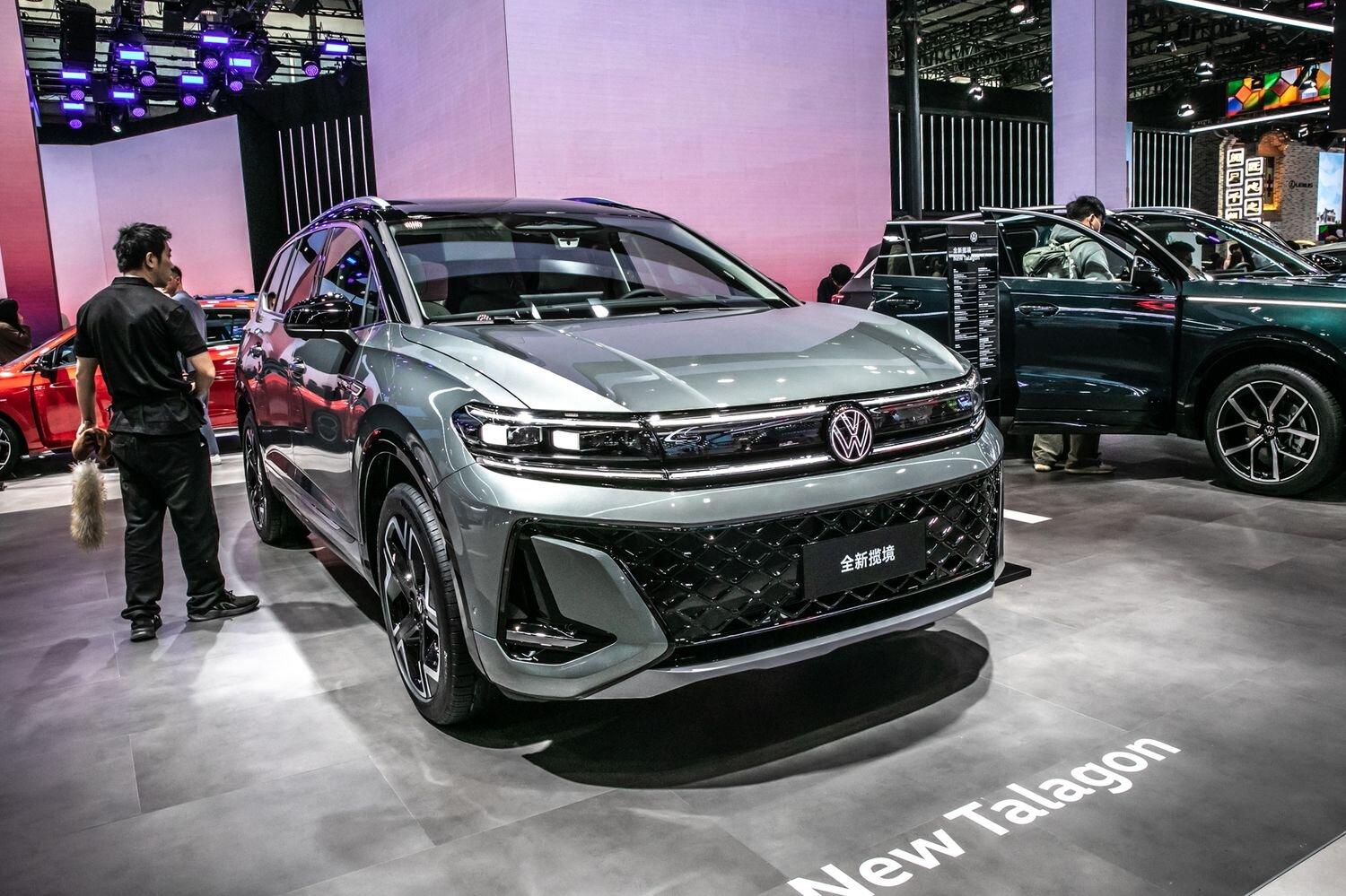
In Europe, the picture is uneven. So far, only two groups have achieved real large-scale success — SAIC with the MG brand and BYD. In the first ten months of 2025, MG sold about 250 thousand cars, while BYD sold nearly 139 thousand, which is comparable to the figures of Volvo, Nissan, and Suzuki. Leapmotor is actively expanding its presence through Stellantis’ dealer network, but for now remains outside the top positions. At the same time, the duties introduced by the EU on Chinese cars have proved ineffective: even with tariffs of up to 35%, brands from the PRC continue to increase their share.
North America remains virtually closed. In the United States, prohibitive duties apply to cars and batteries from China, while technical regulations make certification of electric vehicles from the PRC almost impossible. In addition, federal subsidies for the purchase of electric vehicles have been canceled, and average fuel-consumption requirements have been relaxed in favor of ICE vehicles. In Mexico, the Chinese, primarily MG, have achieved a certain degree of success, but the introduction of a 50% duty could dramatically change the situation.
In other regions, the positions of China’s auto industry depend on local conditions. In India and Japan, growth is limited by protectionist measures and loyalty to local brands. In Australia and Brazil, the Chinese have already captured noticeable shares, and BYD is actively investing in local production. In Southeast Asian countries such as Thailand, Malaysia, and Indonesia, brands from the PRC are growing rapidly, but are still unable to shake the dominance of Toyota and other Japanese marques.
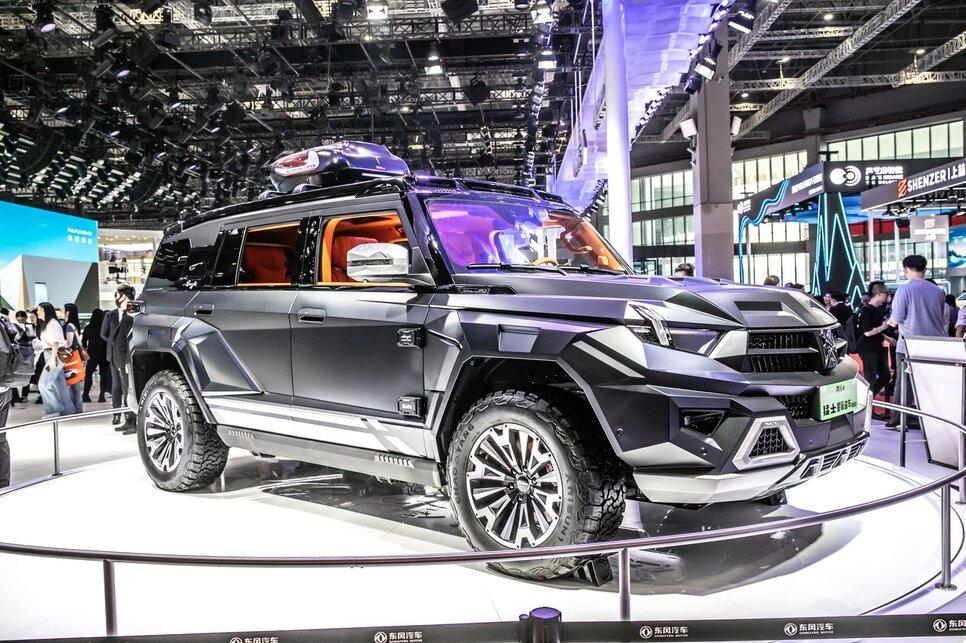
The conclusion looks unambiguous: in the large markets of developed countries, China’s auto industry has not yet become the undisputed leader and is encountering barriers — tariff, technical, and reputational. Against this background, Russia stands out as a market where Chinese brands have gained almost unhindered access and have effectively created a new reality. That is why dependence on the PRC here has turned out to be much deeper than anywhere else.
Read more articles:
- AvtoVAZ officially explained which gasoline should be used in Lada
- Moskvich announced prices for the 2026 model year Moskvich 6 sedan
- Tank raised prices for its entire model range in Russia: Tank 500, 700, and 400 became more expensive
Комментарии