These machines are rarely associated with museum halls or parade columns. They are more often remembered for completely different places: motor depots, the smell of diesel fuel, worn metal, and a morning start without persuasion. GAZ-53, ZIL-130, early KamAZ trucks existed not as symbols of a bygone era, but as a utilitarian tool — equipment that continued to perform its task even when nothing outstanding was expected of it.
It is common to say about such trucks: "they were made with a margin." However, this explanation is too superficial. The margin itself does not guarantee durability. The true "eternity" of Soviet machines arose not from redundancy, but from a set of precise engineering solutions, most of which are practically not used today.
Solution One: Minimum Specific Load
If you break down any Soviet truck into dry figures, the first thing that strikes an engineer is how carefully it was calculated in relation to its own components.
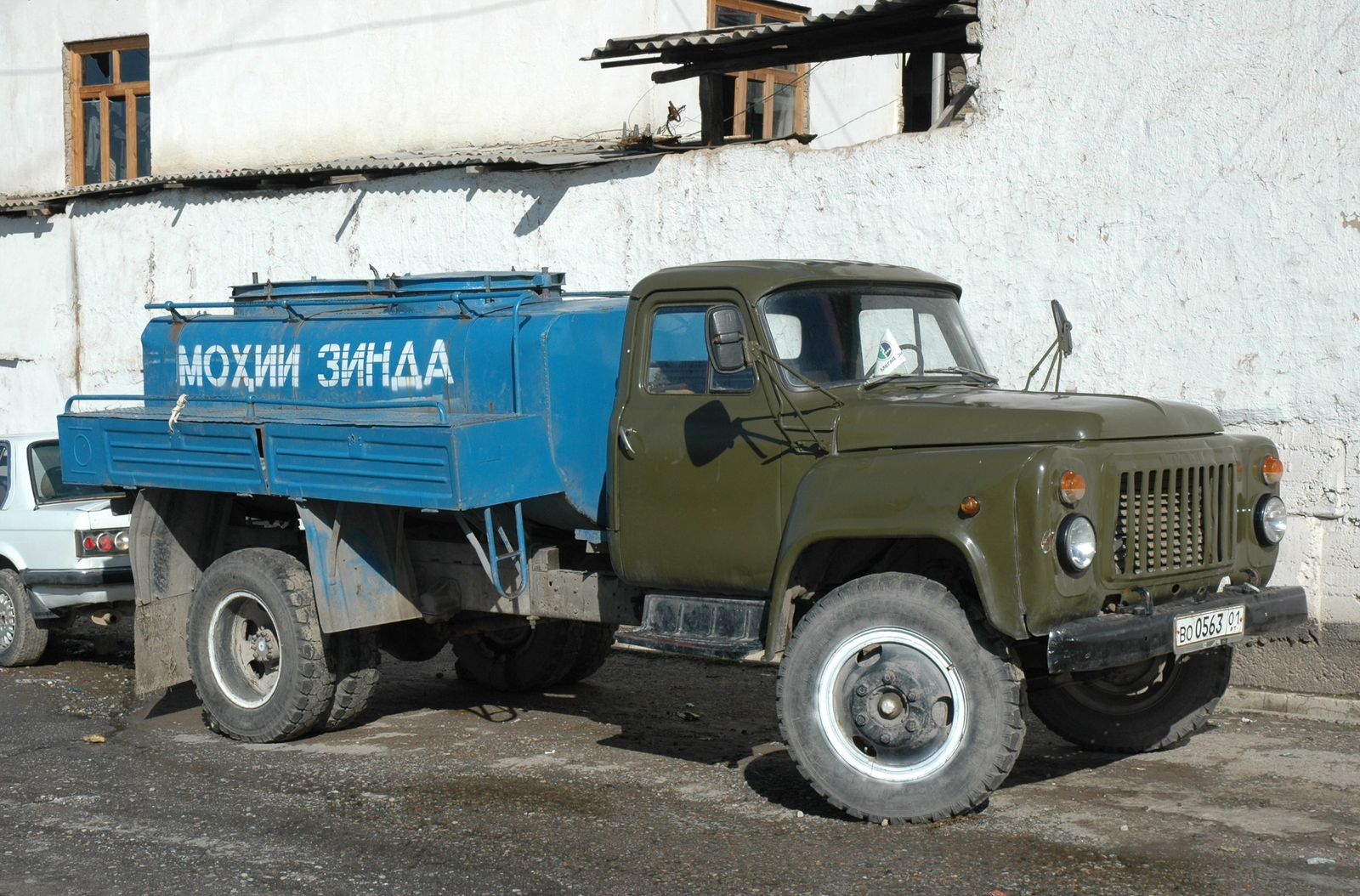
The engines had a large displacement, but an extremely low degree of boost. The power per liter, even by the standards of its time, looked modest. The V-shaped eights of ZIL or KamAZ worked far from the limit capabilities of metal and thermal regimes.
In practice, this meant a simple thing: cylinders, bearings, crankshaft journals existed in conditions that, for a modern engine, are comparable to idling. Wear accumulated slowly and almost imperceptibly. The engine could lose compression, start consuming oil, become noisier — but it continued to work.
Such engines were not a finely tuned system, where a deviation of a few percent destroys the entire structure. They allowed degradation and knew how to live with it.
Modern engines are arranged differently: smaller volume, higher pressures, increased temperatures. This is efficient, economical, and environmentally friendly — but strictly within the calculated resource.
Solution Two: Maintainability as Part of the Design
The Soviet truck was designed not as a finished product, but as a long-term operation process.
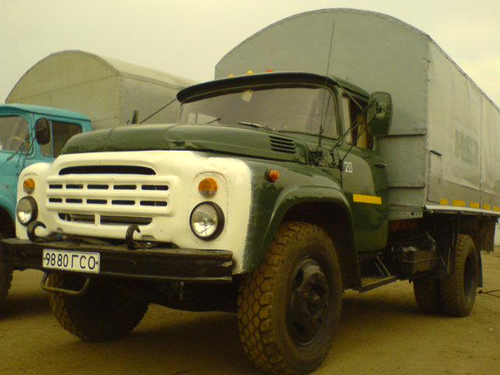
It was initially assumed that it would be regularly disassembled, repaired, reassembled, and reassembled again. Often — far from services, without special tools and without sterile conditions.
This resulted in simple and logical layout solutions. Access to the main components was obvious, tolerances were tolerant, and the design was understandable. The engine could be dismantled without complex procedures, the gearbox could be disassembled in the field, and the suspension could be restored under a canopy.
It is important to emphasize: this is not about technical "backwardness". It was a conscious engineering choice. The designers were well aware of where and under what conditions these machines would work, and designed them so that they could age without catastrophic consequences.
A modern truck often remains reliable until the first serious intervention. After that, it requires not just repair, but strict adherence to technological procedures, which are not always available outside a specialized service.
Solution Three: Mechanical Honesty
In old trucks, there are practically no hidden layers between the person and the mechanism.
The gas pedal is connected directly, the brakes behave predictably, the gearbox may be rough, but remains honest. If something starts to go wrong, the car reports it immediately — with noise, vibration, a change in effort.
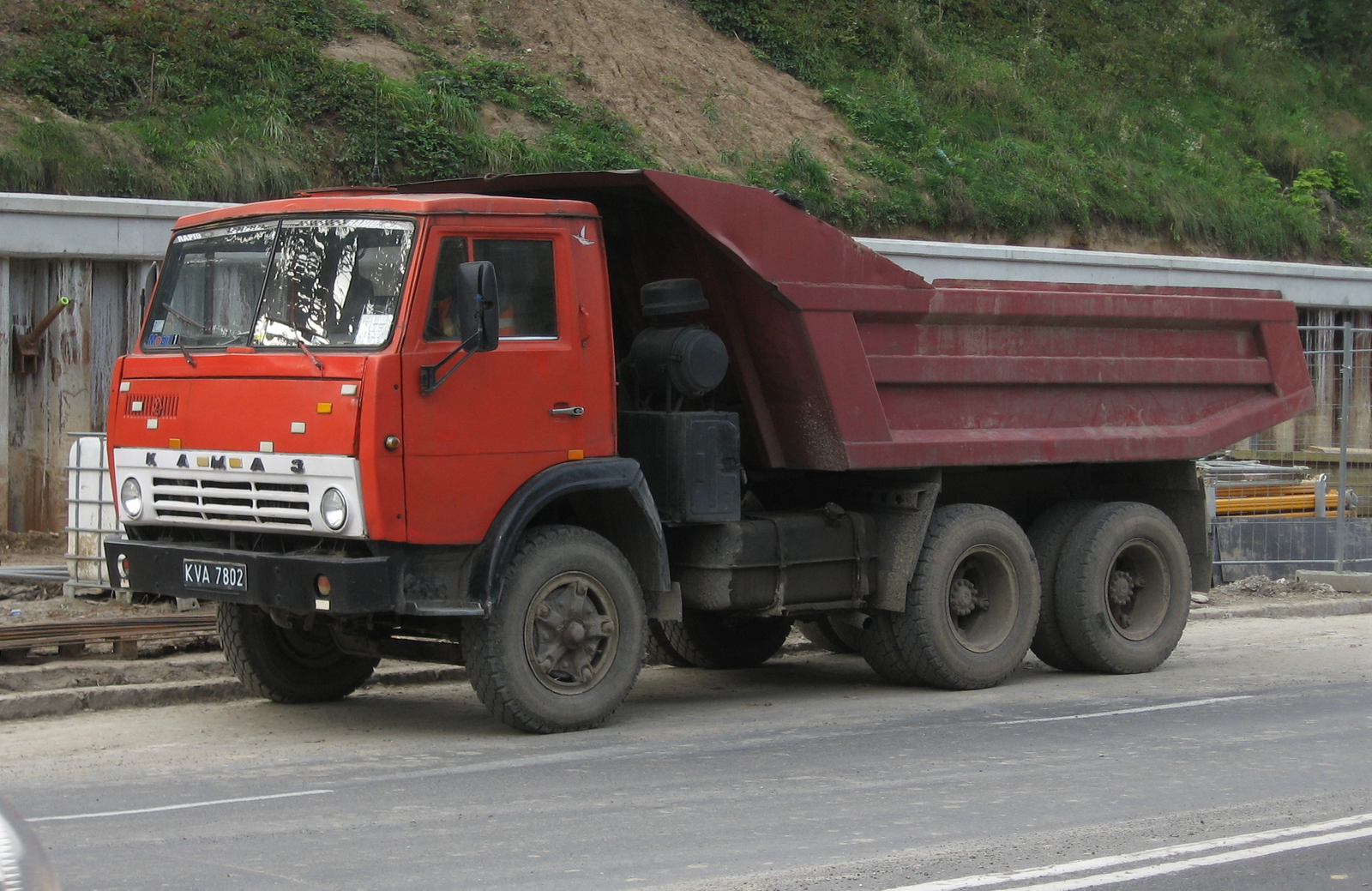
This allowed the equipment to be operated on the verge of possibilities, but without crossing this very edge. The driver felt the moment when to reduce the load, let the engine cool down, or switch to another gear earlier.
Modern cars strive to be correct and "polite". They smooth out symptoms, mask early signs of problems, and increasingly take control. While the system is working properly, this is convenient. But when a failure does occur, it is usually sudden and costly.
Why Was This Possible Then?
Soviet trucks were created for conditions in which equipment had to be autonomous.
Without service centers at every step, without fast spare parts logistics, and without the ability to stop the process due to a "non-critical error". The car had to get there — and it did.
Not because it was perfect, but because its weaknesses were understandable, predictable, and manageable.
Modern Approach
The reason lies not in the malicious intent of manufacturers and not in marketing conspiracies.
Modern requirements dictate a different balance: ecology, economy, efficiency, safety. All this inevitably displaces rough mechanical survivability.
In addition, the very logic of owning equipment has changed. The car is no longer obliged to serve for decades in the same hands. Its task is to work flawlessly for the contract period, and then give way to a new one.
It's rational for the system. For a specific person, it's often painful.
Soviet trucks were "eternal" not because they were made better, but because they were created for completely different operating conditions.
Three engineering solutions—low unit load, maintainability as the norm, and mechanical integrity—produced an effect that seems almost miraculous today. But this miracle was not accidental or romantic, but strictly engineering.
Perhaps that's why these machines are remembered not with enthusiasm, but with respect.
They worked when they were required to. And, as a rule, a little longer.
Read more materials on the topic:
- Cherry and not only: how the VAZ-2109 became a symbol of the era
- Forgotten breakthrough: how NAMI-013 could have changed the Soviet automotive industry
- "Kopeyka", with which it all began: secrets of the success of VAZ-2101
Комментарии