Scientists from Hubei University, the Chinese Academy of Sciences, and Lanzhou University have developed a new approach to creating quantum batteries using nitrogen-vacancy centers in diamonds. This technology addresses the problem of spontaneous energy loss—a major drawback of such devices—bringing them closer to practical application. Quantum batteries use quantum mechanical effects such as entanglement and superposition for rapid charging and high energy density, but previously, decoherence caused by interaction with the environment limited their effectiveness.
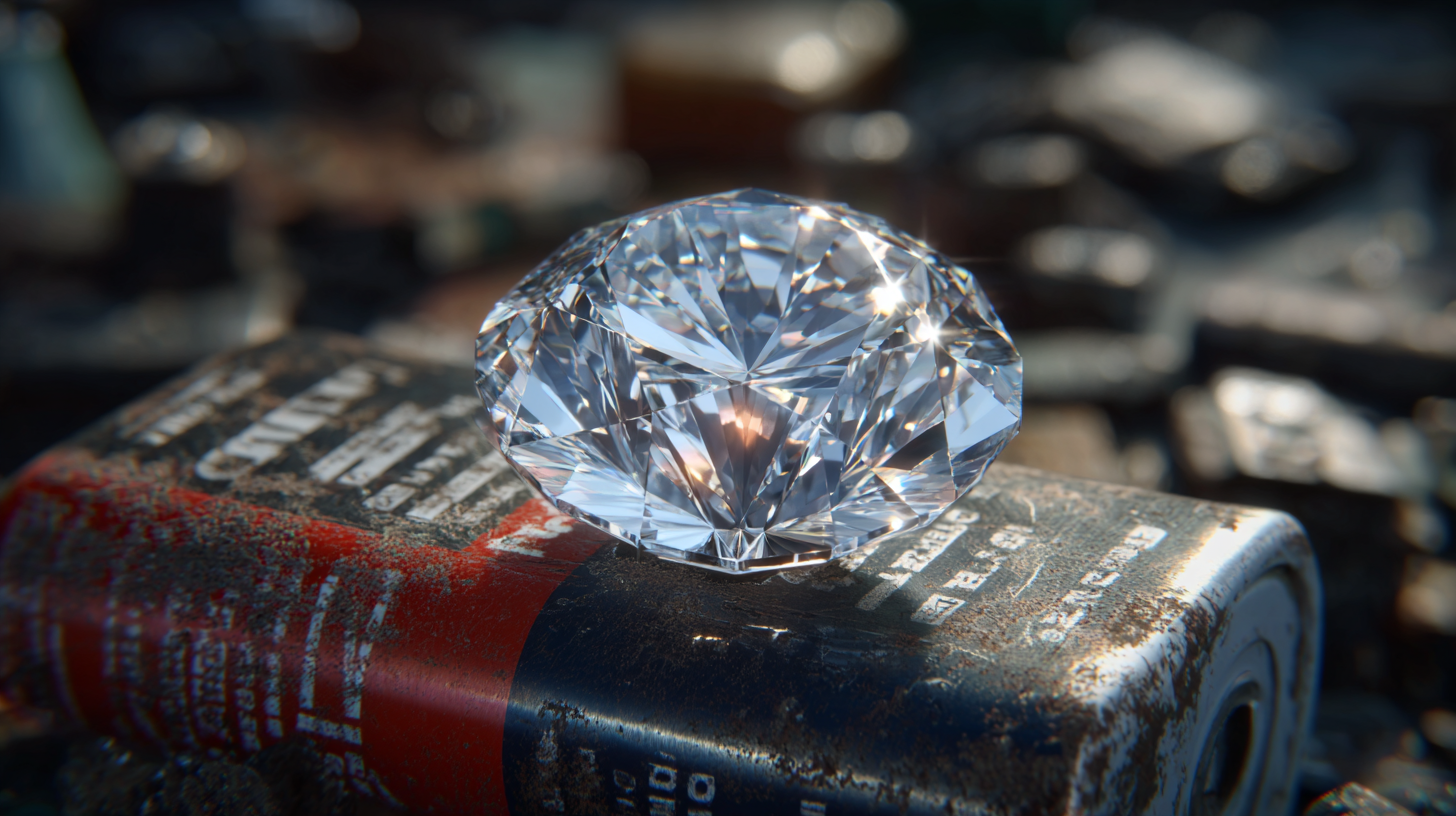
The new design eliminates the need for an external quantum charger, relying on the internal properties of the nitrogen-vacancy center. The electron spin of this defect in the diamond lattice allows suppression of spontaneous discharge, thanks to interaction with the nitrogen nucleus. Researchers optimized the ratio of coherent to total energy, which slows down charge loss and increases the extractable useful work, known as ergotropy, without reducing it due to entanglement with the charger.
The development is based on the stable properties of nitrogen-vacancy centers, already used in quantum sensors and computing at room temperature. This makes the technology promising for implementation in real devices.
Such batteries will improve the performance of electric vehicles and other devices.
Read more materials:
Rare Fiat Topolino with an 8 hp engine appeared for sale in Russia
Kia will repair tens of thousands of Sportage in Russia for free
Mitsubishi surrenders and leaves the largest car market
Comments